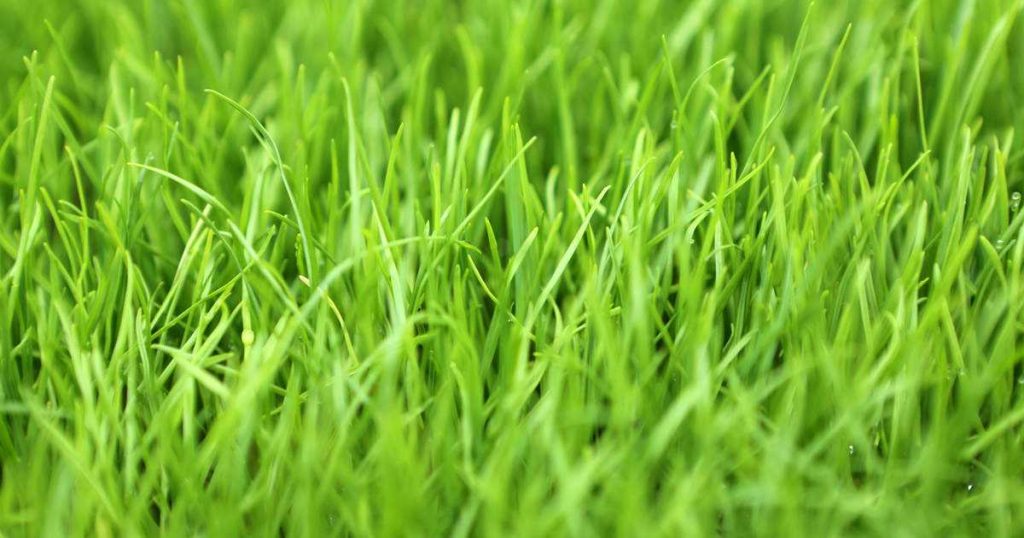
Ryegrass is a vibrant, lush grass that often looks like a soft, green carpet covering fields and lawns. Its fine-textured blades and dense growth make it instantly recognizable, especially in spring and fall. If you’re trying to identify ryegrass, look for its bright green color, narrow leaves, and rapid, vigorous growth that creates a thick turf.
In short, ryegrass appears as a bright green, fine-textured grass with a dense, lush appearance. It has narrow blades and thrives in cooler seasons, forming a thick, uniform carpet on lawns and pastures. Its quick-growing nature makes it a popular choice for reseeding and pasture land.
If you’re curious about what ryegrass looks like, imagine a soft, emerald-green mat that feels smooth underfoot. Its slender blades sway gently in the breeze, and it usually germinates quickly, creating a lively, dense cover that’s both attractive and functional. Whether used for ornamental lawns or pasture ground, ryegrass’s distinctive appearance is a key reason many choose it for their outdoor spaces.

What Does Ryegrass Look Like?
Ryegrass is a common type of grass used for lawns, pastures, and sports fields. Its appearance can vary slightly depending on the variety, but there are key features that help identify it. Knowing what ryegrass looks like helps gardeners, farmers, and landscapers care for it properly and distinguish it from other grasses.
General Appearance of Ryegrass
Ryegrass typically grows in dense, lush patches that create a vibrant green carpet. Its blades are slender and pointed, giving it a fine-textured look. Overall, ryegrass has a uniform and smooth appearance, making it popular for lawn uses.
Color Characteristics
The color of ryegrass can range from bright, lively green to a darker shade. During the growing season, its blades often look fresh and healthy. In cooler weather or under stress, the color might dull slightly but still retains a green hue.
Blade Structure and Texture
The blades of ryegrass are narrow, usually measuring about 1 to 3 millimeters wide. They are soft to the touch and have a smooth surface. The texture is fine, which results in a delicate, appealing look for lawns and athletic fields.
Growth Habit and Density
Ryegrass has a bunching or clumping growth habit, but it often spreads rapidly through tillering. This leads to a dense turf that stands upright and looks thick. The density is one of ryegrass’s main visual features, especially in well-maintained lawns.
Stem and Seed Head Features
When mature, ryegrass produces slender stems that can rise above the blade level by about 30 to 60 centimeters. The seed heads are distinctive, appearing as fine, feathery spikes that wave gently in the breeze. These seed heads add texture and can help with identification, especially in late summer or fall.
Varieties of Ryegrass and Their Visual Differences
Perennial Ryegrass
This variety maintains its green color year-round. Its blades are fine, and it forms a dense turf. The seed head is usually a narrow spike that appears in spring and fall.
Annual Ryegrass
Annual ryegrass grows quickly during cooler months and has a bright green color. Its blades are similar but may be slightly coarser than perennial types and tend to have a shorter lifespan.
Color Variations Across Seasons
In the cooler months, ryegrass often exhibits a deep, vibrant green, especially in well-irrigated areas. During the warmer months or drought conditions, its color may fade to a lighter green or yellowish hue.
Environmental Factors Affecting Appearance
Sunlight, water, and soil quality influence ryegrass’s look. Adequate moisture results in lush, bright green blades, while drought stress can cause the grass to look brown or patchy. Proper fertilization keeps ryegrass looking its best.
Distinguishing Ryegrass from Other Similar Grasses
| Characteristic | Ryegrass | Fescue | Bluegrass |
|---|---|---|---|
| Blade Width | Narrow, 1-3 mm | Broad, 3-10 mm | |
| Color | Bright Green | Darker Green | |
| Growth Habit | Bunching with dense turf | Clumping or rhizomatous | |
| Seed Head | Narrow spike, feathery | Less prominent |
Identifying Ryegrass in the Field
If you want to identify ryegrass, look for its fine blades, vibrant color, and the distinctive seed heads. Its growth pattern is typically dense and uniform. During late spring and fall, the seed heads are a quick visual cue.
Visual Tips for Lawn and Pasture Management
- Check the blade width and color regularly.
- Observe the growth habit and density of the turf.
- Look for seed heads during appropriate seasons.
- Compare with nearby grasses to distinguish ryegrass from fescue or bluegrass.
Additional Visual Features
Root structures and stolons may not be visible but play a role in ryegrass’s lush appearance. Its rapid growth and quick recovery from damage contribute to a consistently green and healthy look.
Summary of Key Visual Features
- Blade color: Bright to dark green
- Blade shape: Narrow, pointed, fine texture
- Growth density: Dense and lush
- Seed head: Slim, feathery spike appearing in spring or fall
- Overall appearance: Smooth, uniform, and vibrant
Understanding these visual clues helps in maintaining a healthy ryegrass lawn or pasture. Proper care based on appearance can ensure it remains attractive and productive throughout its growing season.
Perennial Ryegrass Pros and Cons
Frequently Asked Questions
What are the distinguishing features of ryegrass’s blades?
Ryegrass blades are typically narrow, long, and slender with a smooth texture. They usually have a vibrant green color that remains consistent throughout the growing season. The blades tend to be flat and can grow in dense tufts, creating a lush appearance on the lawn or pasture. The edges are often slightly rounded, and the blades are flexible, allowing them to sway with the wind.
How can I identify ryegrass based on its seed head?
The seed head of ryegrass appears as a fine, feathery spike that forms a narrow panicle. It emerges from the top of the plant and often has a light, airy look. The seed head is usually about 2 to 6 inches long, with numerous small spikelets attached along the central stem. The structure is delicate and can help distinguish ryegrass from other turf grasses.
What color variations should I look for when identifying ryegrass?
Ryegrass generally exhibits a bright, lush green color, especially during active growth periods. However, some varieties may have a slightly darker or lighter shade of green. During the cooler months, the color may deepen, and the grass can sometimes develop a bluish tint. Overall, the consistent green hue and vigorous growth are key indicators of ryegrass presence.
What is the typical growth habit and height of ryegrass?
Ryegrass grows with a dense, tufted habit, often spreading horizontally through tillering. Its height varies depending on the specific type and management practices but generally ranges from 6 to 24 inches. The grass tends to stay relatively low and dense, making it ideal for creating a uniform, lush lawn or pasture. Its quick growth rate also helps it recover rapidly from damage.
How does the texture of ryegrass feel to touch?
The texture of ryegrass blades feels smooth and fine to the touch. When grown healthily, the blades are soft but resilient, with a slight pliability that allows them to bend easily without breaking. The overall feel contributes to its aesthetic appeal, especially in well-maintained lawns or sports fields.
Final Thoughts
Ryegrass has fine, bright green blades that form dense turf mats. Its leaves are narrow and smooth, giving it a lush appearance. During the growth season, it produces seed heads that stand out with their characteristic shape.
What does ryegrass look like? It features vibrant green foliage, slender leaves, and a vigorous growth habit. Recognizing these traits helps identify ryegrass quickly. This grass stands out in lawns and sports fields, making it easy to spot.