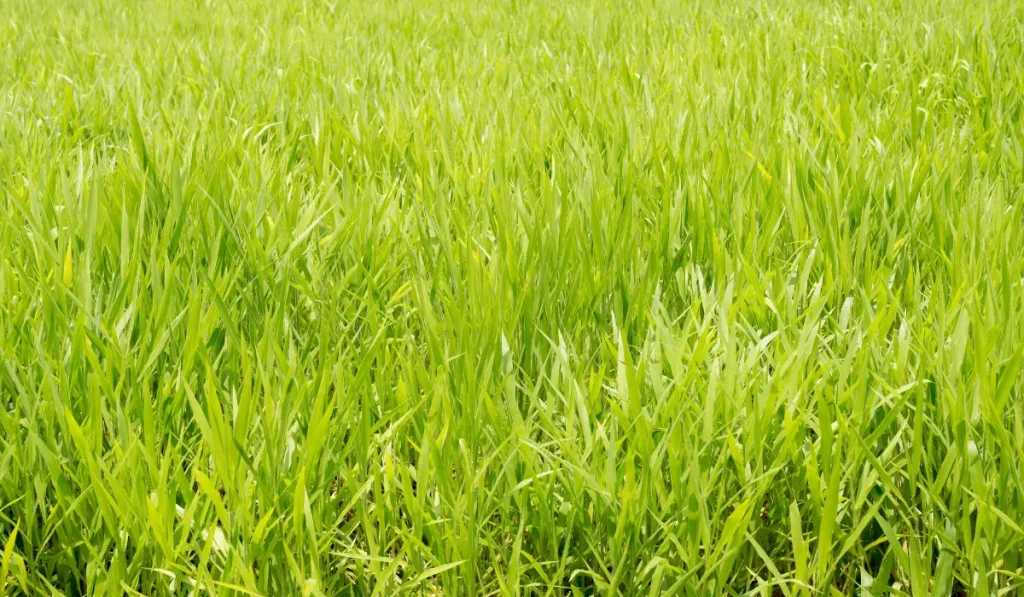
Yes, ryegrass does grow back every year! This hardy grass is known for its resilience and ability to regenerate annually, making it a popular choice for lawns and pastures. Whether you’re dealing with cool or warm-season varieties, ryegrass tends to be a persistent and fast-growing grass that can recover from wear and tear.
In short, ryegrass is an perennial grass that typically regrows each year, especially if properly maintained. It thrives in suitable soil conditions and can quickly bounce back after mowing or foot traffic, providing a lush, green cover season after season.
If you’re considering planting ryegrass or maintaining an existing lawn, it’s important to understand its growth habits. Ryegrass is favored by many homeowners and farmers because of its rapid growth and ability to fill in bare patches. It’s particularly popular in cooler months, but with the right care, it can stay vibrant year-round. Knowing whether it grows back annually helps you plan your lawn care routine effectively, ensuring a lush, healthy appearance with minimal effort.

Does Ryegrass Grow Back Every Year? An In-Depth Look
Understanding Ryegrass and Its Growth Cycle
Ryegrass is a popular grass type used in lawns, sports fields, and pastures. It is known for its lush green appearance and quick growth. Whether it grows back each year depends on its type and the growing conditions.
Perennial ryegrass is a common choice because of its ability to return annually. This means it survives through winter and regrows in the spring. In contrast, annual ryegrass completes its life cycle in one year and then dies off.
Perennial vs. Annual Ryegrass
Perennial Ryegrass
Perennial ryegrass is designed to live for more than two years. It develops a strong root system that allows it to survive seasonal changes. This type of ryegrass is very popular because it keeps the lawn green for most of the year.
Annual Ryegrass
Annual ryegrass completes its growth cycle within a single year. It sprouts, matures, flowers, and then dies in one season. It is often used for temporary cover or overseeding because it does not typically grow back annually.
Will Perennial Ryegrass Grow Back Every Year?
Yes, perennial ryegrass is designed to grow back year after year. Its deep roots help it survive cold winters and dry summers. As long as it is properly cared for, it will return in the spring with renewed vigor.
Healthy perennial ryegrass lawns can last for many years. Regular maintenance such as aeration, fertilization, and watering helps ensure continuous growth and renewal.
Factors Influencing Ryegrass Regrowth
Several factors can affect whether ryegrass grows back every year. These include soil conditions, climate, watering, and maintenance.
Soil Quality
Ryegrass prefers well-drained, fertile soil. Soil lacking nutrients or with poor drainage can hinder its ability to regrow. Regular soil testing and amendments can promote healthy growth.
Climate and Temperature
Ryegrass thrives in cool to moderate temperatures. Hot, dry summers may stress the grass, reducing its ability to come back after winter. Conversely, cold winters often stimulate ryegrass to regrow in spring.
Watering and Irrigation
Consistent watering encourages healthier roots and lush growth. During dry periods, supplemental irrigation helps ryegrass maintain vigor and regrow effectively.
Maintenance Practices
Proper mowing, aeration, and fertilization are critical to ryegrass health. Mowing at the right height prevents stress, while aeration improves soil oxygen and promotes root development.
How to Encourage Ryegrass to Grow Back Each Year
You can take several steps to ensure your ryegrass lawn or field grows back annually.
- Fertilize regularly: Use a balanced fertilizer to provide essential nutrients.
- Water adequately: Keep the soil moist but not waterlogged.
- Mow at the right height: Cutting too short can weaken the grass, so aim for about 2 to 3 inches.
- Aerate the soil: Breaking up compacted soil promotes better root growth.
- Overseed in fall: Plant additional seed to fill in bare patches and encourage dense growth.
Common Problems That Affect Ryegrass Regrowth
Several issues can prevent ryegrass from regrowing effectively each year.
Pest and Disease Infestations
Insects like insects or disease-causing fungi can damage ryegrass. Regular inspection and treatment prevent severe damage and promote quicker recovery.
Compacted Soil
Heavy foot traffic or machinery can compact soil, restricting root expansion. Aeration helps loosen the soil and improve growth prospects.
Improper Watering
Too much or too little water can stress ryegrass, leading to poor regrowth. Maintain consistent moisture levels for optimal health.
Nutrient Deficiencies
Lack of vital nutrients such as nitrogen, phosphorus, or potassium reduces vitality. Fertilizer application should be based on soil test results.
Seasonal Care for Ryegrass
Proper seasonal care ensures ryegrass’s annual renewal and health.
Spring
Apply fertilizer and overseed bare patches. Regular watering supports rapid growth after winter.
Summer
Limit high temperatures and dry spells. Provide adequate watering and avoid cutting too short.
Fall
Aerate and overseed to prepare for winter dormancy. Fertilize to strengthen roots.
Winter
Minimize traffic on frozen or snow-covered lawns. Cold temperatures naturally reduce growth, but healthy roots help ryegrass bounce back in spring.
In summary, perennial ryegrass is well known for its ability to grow back every year under proper conditions. It develops a resilient root system that supports regrowth through seasonal changes. By providing the right soil, water, and maintenance, you can enjoy a lush, green ryegrass lawn year after year.
Perennial Ryegrass Pros and Cons
Frequently Asked Questions
Does ryegrass have the ability to regrow after seasonal dormancy?
Yes, perennial ryegrass can regrow after entering seasonal dormancy, especially if it is properly maintained. During the cooler months, it may slow its growth or appear dormant, but with suitable conditions and care, it will continue to grow back in the following growing season.
How can I ensure my ryegrass lawn remains healthy for continuous growth?
To promote ongoing growth, provide your ryegrass with adequate watering, fertilization, and proper mowing practices. Aerating the soil and controlling weeds also help the grass establish strong roots, enabling it to recover and flourish year after year.
What factors influence whether ryegrass will regenerate annually?
Several factors determine ryegrass’s ability to grow back each year, including soil quality, climate conditions, and maintenance routines. Ensuring optimal soil nutrients, avoiding drought stress, and managing pests contribute significantly to its annual regeneration.
Can overseeding improve the longevity of ryegrass lawns?
Yes, overseeding can enhance the density and vitality of your ryegrass lawn, making it more resilient and capable of regrowing after damage or dormancy. Regular overseeding helps maintain a lush, healthy turf throughout the seasons.
Will my ryegrass require reseeding or replanting each year?
In most cases, established perennial ryegrass does not need reseeding annually. With proper care, it will naturally regenerate each season. However, periodic reseeding may be necessary if the lawn becomes thin or damaged over time.
Final Thoughts
Ryegrass is a popular choice for lawns and sports fields due to its quick growth. It thrives in cool seasons and requires proper maintenance to stay healthy.
In most cases, ryegrass does grow back every year, especially if you care for it well. Proper watering, fertilizing, and aerating encourage its regrowth.
So, does ryegrass grow back every year? Yes, with the right care, it can regrow annually, making it a reliable turf option.