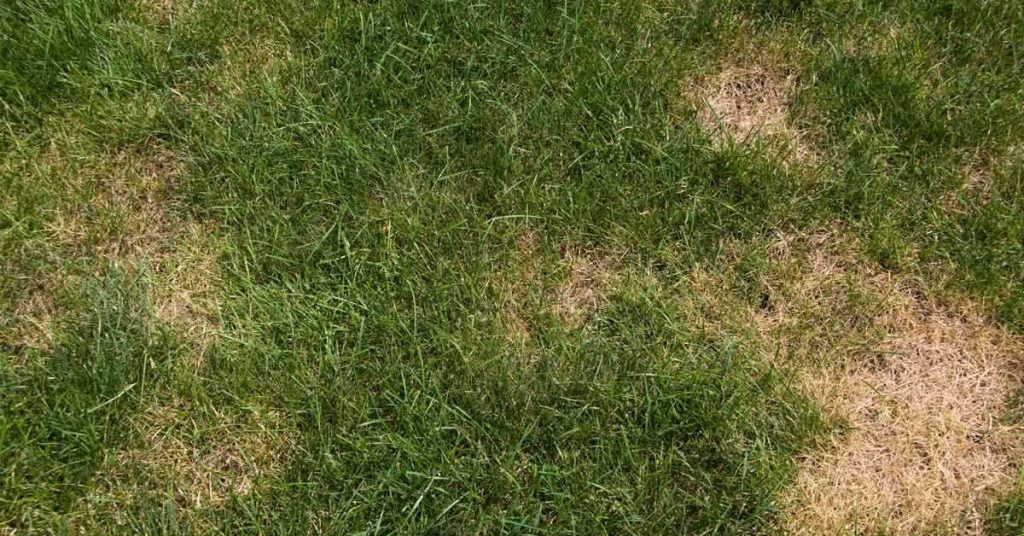
The quickest way to eliminate lawn bugs is by using targeted insecticides combined with proper lawn maintenance. Applying a potent insecticide designed for turf pests and maintaining healthy grass can keep these invaders at bay effectively. Timing and correct application are key to achieving a bug-free lawn fast and safely.
To get rid of lawn bugs efficiently, start by identifying the specific pests plaguing your yard, then choose an appropriate insecticide. Follow up with regular lawn care practices like aeration, watering, and mowing to prevent future infestations. Combining chemical control with good garden hygiene ensures a healthier, bug-resistant lawn.
Bugs in your lawn can quickly turn a lush green space into a patchy, damaged nightmare. From chinch bugs to grubs, these pests can cause serious harm if left unchecked. The best way to combat them is to use targeted insecticides, preferably those formulated specifically for turf pests, while maintaining a healthy lawn environment through regular watering, aeration, and proper mowing. This integrated approach not only kills existing bugs but also helps prevent future invasions, giving you a vibrant, pest-free yard to enjoy.

Best Way to Kill Lawn Bugs
Controlling lawn bugs is essential for maintaining a healthy and attractive yard. These pests can damage the grass, create unsightly spots, and even attract other unwanted critters. Understanding the most effective strategies helps ensure your lawn stays lush and bug-free.
Identifying Common Lawn Bugs
Before choosing a control method, it’s important to know which pests are affecting your lawn. Common lawn bugs include grubs, chinch bugs, armyworms, and sod webworms. Each pest has unique behaviors and preferred environments.
Grubs
Young beetle larvae that feed on grass roots. They cause brown patches and can be identified by digging a small hole and pulling on the grass. If it pulls up easily, grubs may be present.
Chinch Bugs
Small insects that suck sap from grass blades. Usually found in hot, dry conditions, chinch bugs cause straw-colored patches and can be identified by inspecting grass blades closely.
Armyworms and Sod Webworms
Larvae that chew on grass blades, creating ragged patches. Look for frass and larvae on the turf surface to confirm these pests.
Understanding the Life Cycle of Lawn Pests
Knowing the pests’ life cycle helps in timing treatment. Most pests have stages where they are most vulnerable to control methods. For example, grubs are easiest to eliminate during their larval stage in late summer or early fall.
Larval vs. Adult Stages
Targeting pests during larval stages is most effective because they are stationary and feeding actively. Adults are often less vulnerable as they move quickly and spend less time underground.
Natural and Organic Pest Control Methods
If you prefer eco-friendly options, consider natural controls that minimize chemical use. These methods are often safer for children, pets, and beneficial insects.
Beneficial Nematodes
Microscopic worms naturally found in soil that target and kill lawn pests like grubs. They are applied by watering into the soil and require moist conditions for effectiveness.
Milky Spore
A natural bacterial treatment specifically targeting Japanese beetle grubs. When applied correctly, it can provide long-term control and reduce grub populations significantly.
Neem Oil
An organic oil that acts as a repellent and disrupts pest feeding. It’s effective against a variety of bugs but requires regular application for sustained control.
Chemical Pest Control Options
When natural methods are insufficient, chemical insecticides can provide quick and effective relief. Always follow label instructions carefully to avoid harming your lawn or environment.
Granular Insecticides
Spread evenly over the lawn and watered in to reach pests underground. These are ideal for grub control and provide residual protection.
Liquid Insecticides
Applied with a hose-end sprayer or pump spray, these offer fast results. They are useful for surface pests like chinch bugs and armyworms.
Choosing the Right Chemical
| Pest | Recommended Chemical | Application Timing |
|---|---|---|
| Grubs | Imidacloprid or Clothianidin | Late summer to early fall |
| Chinch Bugs | Permethrin or Bifenthrin | Spring or early summer |
| Armyworms | Lambda-cyhalothrin or Carbaryl | When seen actively feeding |
Proper Application and Timing
Applying treatments at the right time maximizes effectiveness. For example, grub control should happen in late summer or early fall, when larvae are actively feeding near the surface.
Best Practices for Application
- Always read and follow label instructions closely.
- Water the lawn before applying insecticides, especially for granular products.
- Apply during cooler parts of the day to prevent evaporation and ensure coverage.
- Avoid application before rain; wait until the weather is dry.
Preventative Measures to Keep Lawn Bugs Away
Prevention is better than cure. Regular lawn maintenance minimizes stress on your grass and discourages pests from settling in.
Healthy Lawn Practices
- Mow at the correct height for your grass type.
- Water deeply but infrequently to encourage strong roots.
- Aerate the soil to improve drainage and oxygen flow.
- Fertilize appropriately to promote vigorous growth.
Regular Lawn Inspections
Check your yard weekly for signs of pests or damage. Early detection allows you to treat problems before they become widespread.
Integrated Pest Management (IPM)
Combine cultural, biological, and chemical methods for sustainable pest control. Monitoring pest populations helps determine if and when treatments are needed.
Monitoring Tools
- Sticky traps to catch adult beetles or moths.
- Soil inspection to identify grub populations.
- Visual checks for damaged grass patches or pest larvae.
Additional Tips for Lawn Bug Control
Using proper soil amendments and avoiding overwatering can create an environment less hospitable to pests. Also, removing debris, weeds, and thatch reduces hiding spots for bugs.
Environmental Considerations
Choose targeted treatments that minimize impacts on non-pest insects, bees, and other beneficial organisms. Opt for organic options whenever possible to preserve your yard’s ecological balance.
The best way to kill lawn bugs involves a combination of correct identification, timely intervention, and consistent yard maintenance. Using natural controls first, resorting to chemical options when necessary, and practicing preventative steps will keep your lawn healthy and pest-free. Remember, patience and understanding your lawn’s needs are key to successful pest management.
How to Use Spectracide® Triazicide® Insect Killer For Lawns Granules
Frequently Asked Questions
What natural methods can effectively eliminate lawn bugs?
Using natural methods such as beneficial nematodes and diatomaceous earth can significantly reduce lawn bug populations. Beneficial nematodes are microscopic worms that attack soil-dwelling pests, while diatomaceous earth causes dehydration in insects. Applying these options according to instructions provides an eco-friendly way to control pests without harming your lawn or the environment.
How can proper lawn maintenance prevent pest infestations?
Regular lawn maintenance like mowing at appropriate heights, watering deeply but infrequently, and aerating the soil helps keep the grass healthy and less attractive to pests. Removing thatch buildup and overseeding bare patches also strengthen turf, making it more resistant to bug invasions. Healthy lawns naturally resist infestations better than neglected ones.
Which chemical treatments work best for controlling lawn bugs?
Applying targeted insecticides specifically formulated for lawn pests offers an effective solution. Choose products containing active ingredients like imidacloprid or carbaryl, and follow the manufacturer’s instructions carefully to minimize environmental impact. Combining chemical treatments with proper lawn care enhances results and provides longer-lasting pest control.
Are there any preventive measures to stop lawn bugs from returning?
Implementing a consistent lawn care routine helps prevent future infestations. This includes watering appropriately, mowing regularly at recommended heights, and fertilizing sensibly to maintain lawn health. Inspecting your lawn periodically for early signs of pest activity allows you to take action quickly before an infestation worsens.
Final Thoughts
The best way to kill lawn bugs involves identifying the specific pests and applying targeted treatments. Use beneficial insects like nematodes or insecticidal soaps for a natural approach. Chemical controls can be effective but should be used carefully to avoid damaging your lawn. Regular lawn maintenance also prevents bugs from becoming a lasting problem.