
Epsom salt is often used as a natural fertilizer to boost Bermuda grass health. It supplies essential magnesium and sulfur, which promote lush growth. This guide explains how to apply Epsom salt effectively for a vibrant, green Bermuda lawn.
Key Takeaways
- Epsom salt provides magnesium: Magnesium is vital for photosynthesis and overall plant health.
- It supplies sulfur: Sulfur helps with nutrient absorption and enhances grass color.
- Proper application matters: Using Epsom salt correctly prevents over-fertilization and damage.
- Timing is key: Apply during active growth periods for best results.
- Not a substitute for regular fertilization: Epsom salt complements, but does not replace, balanced lawn fertilizers.
- Can improve drought tolerance: Magnesium helps Bermuda grass withstand stress and drought.
- Monitor your lawn: Observe changes and adjust application to avoid overuse.
Introduction
If you have a Bermuda grass lawn, you want it to look lush, green, and healthy. Many homeowners wonder if Epsom salt can help improve their lawn’s appearance. Epsom salt is a popular natural remedy that supplies essential nutrients like magnesium and sulfur. But does it really work for Bermuda grass? In this guide, you’ll learn what Epsom salt does for Bermuda grass, how to apply it properly, and tips to get the best results. Whether you’re a seasoned gardener or a homeowner new to lawn care, this guide will help you understand how to use Epsom salt effectively to boost your Bermuda grass’s health.
What Does Epsom Salt Do for Bermuda Grass?
Epsom salt is composed of magnesium sulfate, a mineral compound that offers several benefits for Bermuda grass. Magnesium is a core component of chlorophyll, the molecule responsible for photosynthesis. This process allows grass to produce energy and stay green. Sulfur, on the other hand, helps in nutrient absorption and supports overall plant health.
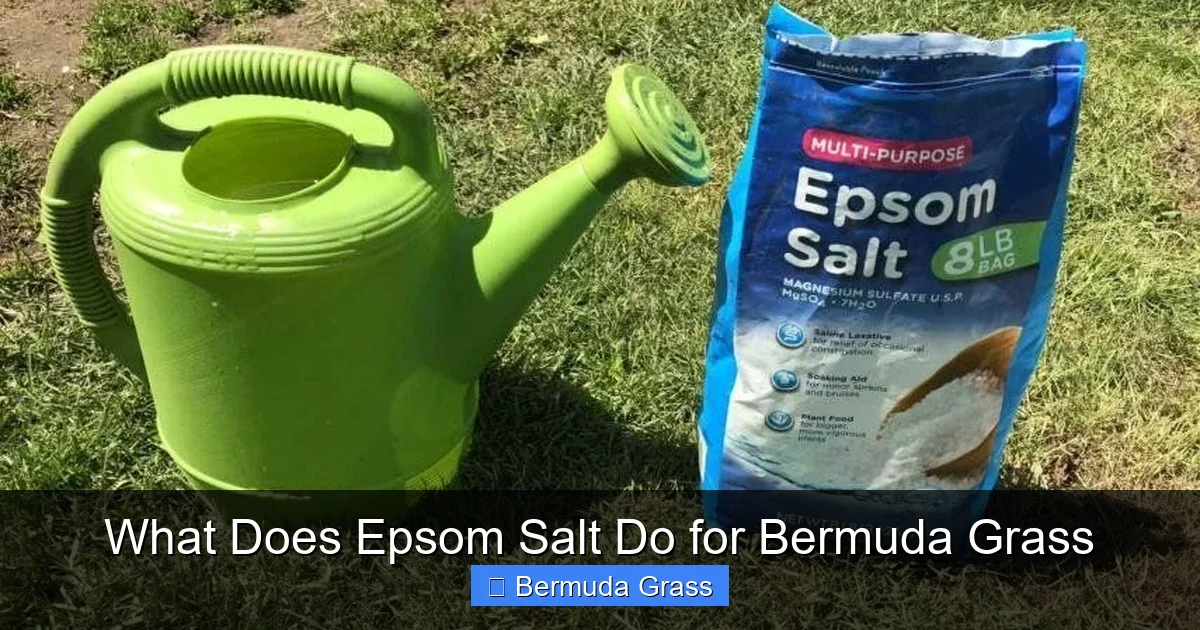
Visual guide about What Does Epsom Salt Do for Bermuda Grass
Image source: i.pinimg.com
When applied correctly, Epsom salt can enhance Bermuda grass’s color, improve its growth, and increase its drought resistance. It is especially useful if your soil is deficient in magnesium or sulfur. However, it’s essential to understand how and when to use Epsom salt to maximize its benefits without causing harm.
Step 1: Test Your Soil
Why soil testing matters
Before applying Epsom salt, testing your soil is crucial. This step helps determine if your soil lacks magnesium or sulfur, making the treatment effective and preventing over-application.
How to test your soil
- Purchase a soil test kit from a garden center or send a sample to a local extension service.
- Follow the kit instructions or lab guidelines to get an accurate reading.
- Focus on magnesium and sulfur levels, as well as pH levels.
Interpreting results
If your soil tests show low magnesium or sulfur levels, Epsom salt can be a beneficial supplement. If levels are adequate, avoid using Epsom salt to prevent nutrient imbalance.
Step 2: Decide When to Apply Epsom Salt
Best timing for application
The ideal time to apply Epsom salt is during the active growing season of Bermuda grass, typically late spring to early summer. Avoid applying during dormant periods or winter months.
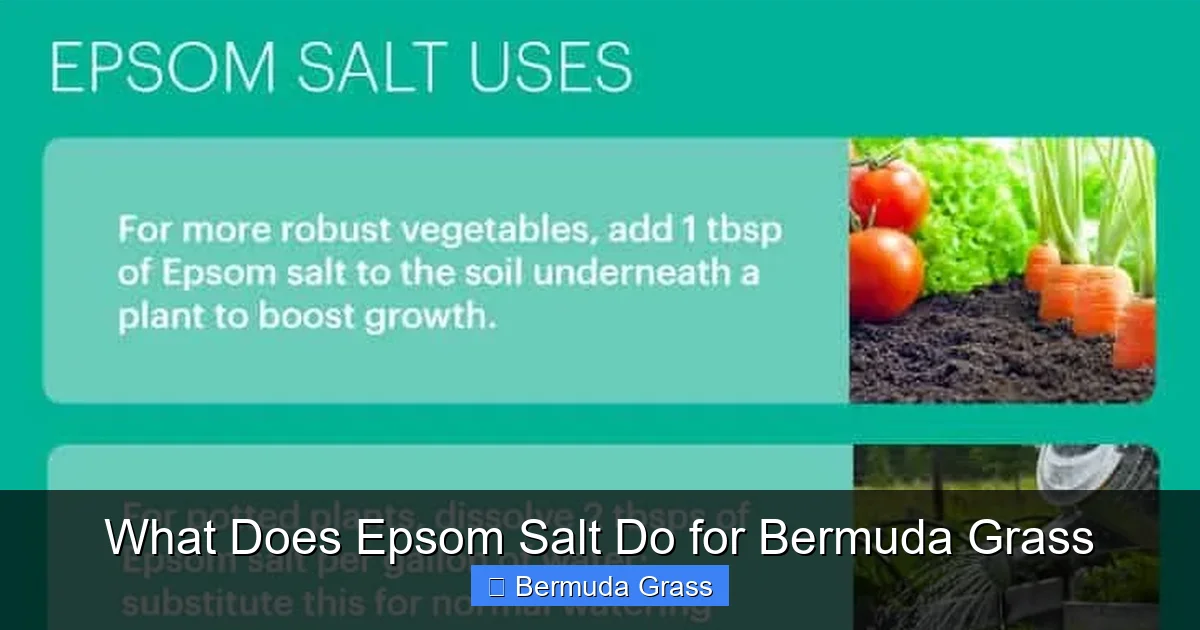
Visual guide about What Does Epsom Salt Do for Bermuda Grass
Image source: draxe.com
Frequency of application
- Apply every 4 to 6 weeks during the growing season.
- Adjust based on your lawn’s response and soil test results.
Weather considerations
Apply on a dry, overcast day to prevent the salt from washing away immediately. Avoid applying before heavy rain to ensure proper absorption.
Step 3: How to Apply Epsom Salt to Bermuda Grass
Materials needed
- Epsom salt (about 1-2 pounds per 100 square feet)
- Garden sprayer or hand spreader
- Water for rinsing (optional)
Application methods
Spraying
Mix 1-2 tablespoons of Epsom salt with a gallon of water. Use a garden sprayer to evenly distribute the solution over your lawn. This method is quick and helps with absorption.
Broadcasting
If you prefer dry application, sprinkle Epsom salt evenly across the lawn using a hand or rotary spreader. Follow with light watering to help it soak into the soil.
Practical tips
- Start with a small test area to observe how your lawn responds.
- Do not overapply; more is not better and can harm your grass.
- Water your lawn after application to improve absorption and prevent salt buildup.
Step 4: Monitor and Adjust
Observing results
Look for signs of improvement, such as deeper green color, thicker growth, and better drought tolerance. It may take a few weeks to see noticeable results.
Signs of over-application
- Yellowing or browning grass
- Salt deposits on soil surface
- Slow or patchy growth
Next steps
If your lawn responds well, continue with scheduled applications. If you notice negative effects, reduce the frequency or stop applying Epsom salt.
Additional Tips for Healthy Bermuda Grass
- Regular fertilization: Use a balanced lawn fertilizer to provide all essential nutrients.
- Proper watering: Maintain consistent moisture without overwatering.
- Aeration: Loosen compacted soil to improve nutrient uptake.
- Proper mowing: Keep Bermuda grass at the recommended height (about 1-2 inches).
- Pest and weed control: Manage pests and weeds to prevent stress on your lawn.
Troubleshooting Common Issues
- Yellowing after Epsom salt application: Over-application can cause salt buildup. Flush the soil with water and reduce future applications.
- Patchy growth: Ensure even distribution and proper watering after application.
- No improvement after several applications: Check soil nutrient levels; Epsom salt may not be necessary if magnesium levels are sufficient.
Conclusion
Using Epsom salt for Bermuda grass can be a simple and natural way to boost your lawn’s health. It supplies magnesium and sulfur, which are essential for lush, green growth. Remember to test your soil first, apply at the right time, and monitor your lawn’s response. With proper use, Epsom salt can help you achieve a vibrant, resilient Bermuda grass lawn that withstands drought and stress. Always combine it with good lawn care practices for the best results.