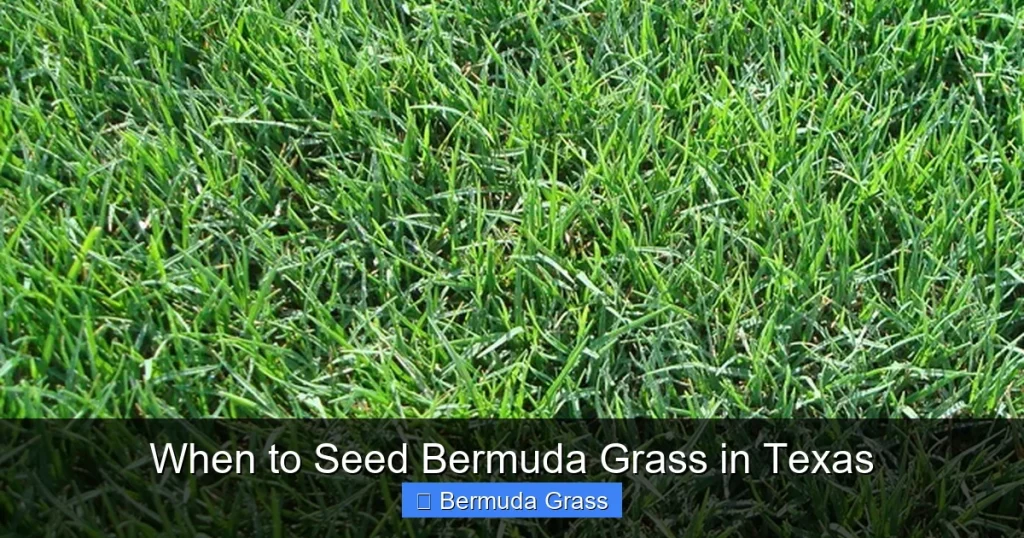
If you’re looking to establish a healthy Bermuda grass lawn in Texas, timing is everything. Knowing when to seed ensures optimal growth and a vibrant, green yard. This guide covers the best seasons, tips, and troubleshooting advice to help your Bermuda grass thrive.
When to Seed Bermuda Grass in Texas
Growing a lush, green Bermuda grass lawn in Texas is a goal for many homeowners. But to achieve this, timing your seeding correctly is essential. If you seed too early or too late, you risk poor germination, weed invasion, or weak growth.
In this guide, we’ll walk you through the best times to seed Bermuda grass in Texas, how to prepare your lawn, and tips for successful establishment. Whether you’re starting fresh or overseeding an existing lawn, this information will help you make the best decisions for a beautiful yard.
Key Takeaways
- Timing Matters: The best time to seed Bermuda grass in Texas is during late spring to early summer, when soil temperatures are warm enough for germination.
- Optimal Soil Temperature: Bermuda grass seeds germinate best when soil temperatures are between 65°F and 70°F.
- Preparation is Key: Proper site preparation, including soil testing and clearing, improves seed-to-soil contact and promotes healthy growth.
- Watering Schedule: Consistent, shallow watering helps the seeds germinate and establish roots without washing them away.
- Timing Variations: Early fall seeding can work in some parts of Texas, but avoid seeding in winter or during extreme heat.
- Patience and Maintenance: Expect germination within 7-14 days and ongoing care for a lush, dense Bermuda lawn.
Understanding Bermuda Grass Growth Cycle
Bermuda grass is a warm-season grass that thrives in hot climates like Texas. It actively grows during the warmer months and goes dormant in the winter. To get the best results, you need to plant it when the soil and air temperatures are right.
When to Seed Bermuda Grass in Texas
Best Seasons for Seeding
- Late Spring (April to June): This is the prime time to seed Bermuda grass in Texas. Soil temperatures are rising, and the weather is warm enough for seed germination and growth.
- Early Summer (June): Early summer is also suitable, especially if you missed spring planting. Just ensure soil temperatures are consistently above 65°F.
- Early Fall (September): In some regions of Texas, seeding in early fall can work, as temperatures remain warm enough for germination. However, avoid late fall as cold weather approaches.
When to Avoid Seeding
- Winter (December to February): Cold temperatures and frost make it difficult for Bermuda grass seeds to germinate and establish.
- Mid to Late Summer (July to August): Extreme heat and drought conditions can stress new seedlings and impede growth.
How to Prepare Your Lawn for Seeding
Step 1: Test Your Soil
Start by testing your soil’s pH and nutrient levels. Bermuda grass prefers a pH between 6.0 and 7.0. Amend your soil as needed to optimize conditions for seed germination.
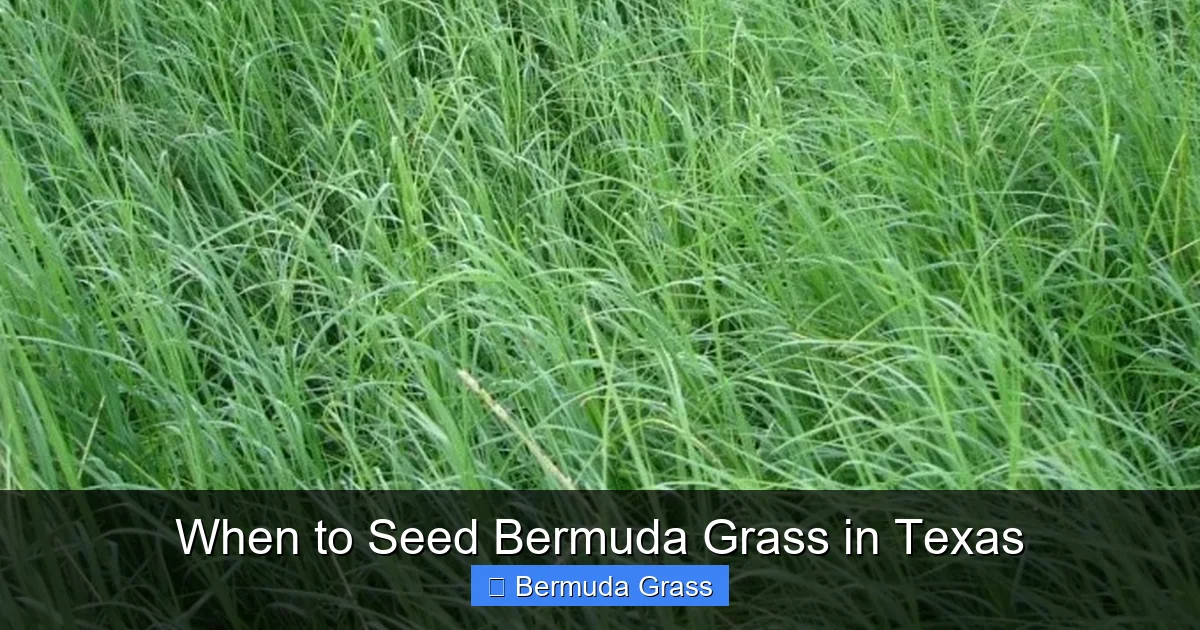
Visual guide about When to Seed Bermuda Grass in Texas
Image source: easttexasseedcompany.com
Step 2: Clear and Till the Area
Remove weeds, debris, and old grass. Loosen the soil with a rake or tiller to improve seed-to-soil contact. A loose, aerated soil promotes faster germination.
Step 3: Level and Reseed Bare Spots
Use a rake to level the soil surface. For bare patches, spread a thin layer of topsoil if needed.
Seeding Bermuda Grass: Step-by-Step
Step 1: Choose the Right Seed
Select high-quality Bermuda grass seed suited for Texas climates. Look for certified seeds with high germination rates.
Step 2: Proper Seeding Rate
Apply about 1 to 2 pounds of seed per 1,000 square feet. Follow the specific instructions on your seed package for best results.
Step 3: Spread the Seeds
Use a broadcast spreader for even distribution. For smaller areas, hand spreading works too.
Step 4: Rake Lightly
Gently rake the seeds into the soil to ensure good seed-to-soil contact. Do not bury them too deep—just cover lightly.
Step 5: Watering
Water immediately after seeding. Keep the soil consistently moist but not soaked. Water lightly two to three times a day until germination occurs.
Post-Seeding Care
Watering Schedule
Maintain consistent moisture for at least the first 3-4 weeks. As the grass establishes, reduce watering frequency but increase depth to encourage deep roots.
Fertilization
Apply a balanced fertilizer once the grass has sprouted and is about 2 inches tall. Follow recommended guidelines for Bermuda grass.
Mowing
Begin mowing when the grass reaches about 2-3 inches. Keep mower blades sharp and avoid cutting too short.
Troubleshooting Common Seeding Issues
- Poor Germination: Check soil temperature and moisture levels. Ensure seed coverage is even and adequate.
- Weeds Overrun: Keep the area weed-free before seeding. Use mulch or a pre-emergent if necessary.
- Patchy Growth: Reseed bare spots and ensure proper watering and fertilization.
Conclusion
Timing your Bermuda grass seeding in Texas is crucial for a lush, healthy lawn. Aim for late spring or early summer when soil temperatures are optimal. Proper preparation, seeding techniques, and ongoing care will give your Bermuda grass the best start. With patience and consistent maintenance, you’ll enjoy a vibrant green yard for years to come.
Additional Tips
- Monitor weather forecasts to avoid seeding just before a heatwave or cold front.
- Consider overseeding existing Bermuda lawns in early fall for a denser appearance.
- Use quality seed and proper equipment for even distribution.