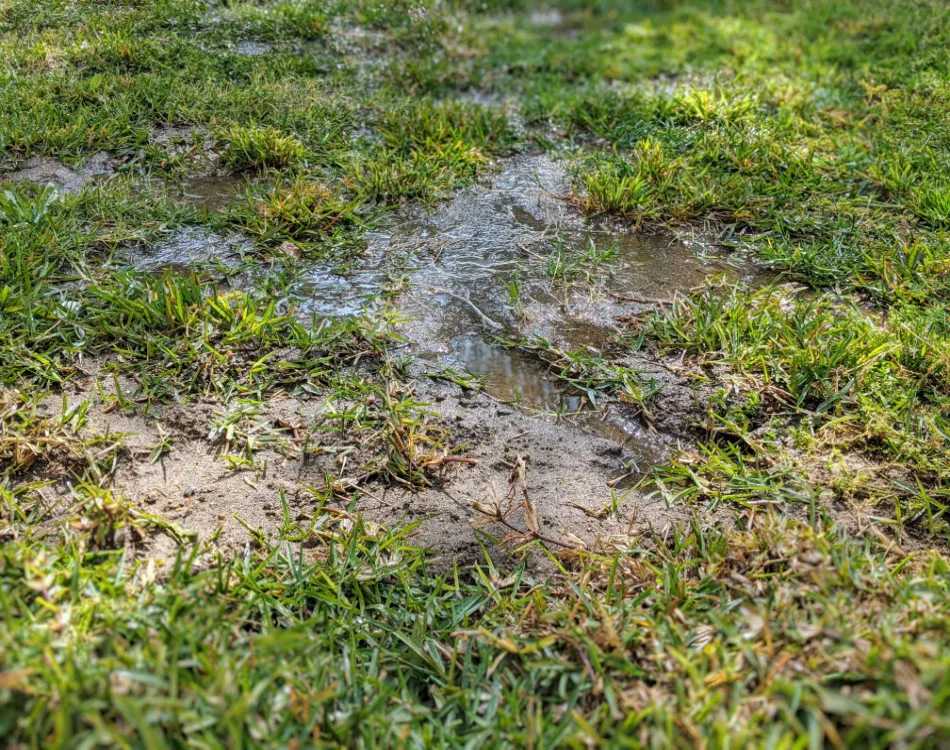
Poor lawn drainage can indeed threaten the health of your grass, potentially leading to root rot, disease, and dead patches if not addressed. Standing water suffocates grass roots and creates a perfect environment for fungi, which can quickly kill your lawn if drainage issues persist. The good news is that fixing drainage problems can revive your yard and prevent long-term damage.
In short, yes, poor drainage can kill grass if ignored, but proactive solutions can restore a healthy, vibrant lawn. Addressing drainage issues promptly helps prevent waterlogging and keeps your grass strong and resilient.
If you’ve ever noticed your lawn staying soggy after rain or patches of dead grass appearing without reason, poor drainage may be the culprit. Waterlogged soil deprives grass roots of oxygen, weakening them and making the entire lawn susceptible to disease and decay. Many homeowners overlook drainage problems until damage becomes visible, but understanding how excess water impacts grass can help you take early action. Improving drainage isn’t just about avoiding dead patches; it’s about creating a healthy environment where your grass can thrive year-round. With simple fixes like aeration, grading, or installing drainage systems, you can ensure your lawn stays lush and green, even after heavy rainfall.

Can Poor Lawn Drainage Kill Grass?
Understanding Lawn Drainage
Poor lawn drainage happens when water doesn’t move away quickly enough from the grass surface. This can lead to water pooling in certain areas, creating soggy patches. When water stays on the grass for too long, it can harm the health of your lawn significantly.
Proper drainage is essential because it helps maintain the right balance of moisture in the soil. Without it, excess water can suffocate the roots and make your grass vulnerable to disease. This section explores what lawn drainage is and why it matters for healthy grass.
How Poor Drainage Affects Grass Health
When water remains around grass roots, it can cause several problems. The roots need oxygen to grow and stay strong, but too much water blocks oxygen from reaching them. As a result, the grass can turn yellow or brown and look unhealthy.
Prolonged soggy conditions can lead to root rot, a disease that kills grass. It creates a perfect environment for fungi and bacteria to thrive, further damaging your lawn. This section explains the direct connection between poor drainage and the health decline of grass.
Signs of Poor Lawn Drainage
Identifying drainage issues early can save your lawn from serious damage. Look for these common signs:
- Water puddles after rain that take days to dry
- Persistent soggy patches, especially in low areas
- Uneven grass growth, with some parts looking lush and others yellow or dead
- Fungal growth or moss appearing on the surface
- Soil that feels spongy or muddy long after rainfall
Noticing these signs helps to take quick action before the problem worsens.
Why Can Poor Drainage Kill Grass?
Too much water can drown grass roots by depriving them of oxygen. Grass roots need oxygen to absorb nutrients and stay healthy. When the soil is waterlogged, roots can’t do their job properly, and the grass becomes weak.
Over time, this stress can cause grass to die, especially if drainage issues are not addressed. Continuous waterlogging also increases susceptibility to diseases that can wipe out lawns entirely. This part explains the process from excess water to grass death.
The Impact of Standing Water and Saturation
Standing water is one of the biggest risks caused by poor drainage. It can remain for days after rain, creating a hostile environment for grass. Saturated soil becomes compacted, making it harder for roots to grow deeper.
This lack of root development weakens the grass’s foundation, making it easy for weeds to invade. The longer standing water stays, the higher the chances of grass dying through suffocation or disease. This section highlights how water saturation directly harms grass vitality.
Soil Type and Drainage Problems
Different types of soil drain water at different rates. For example:
| Soil Type | Drainage Characteristics |
|---|---|
| Sandy Soil | Drains quickly, less prone to standing water |
| Clay Soil | Absorbs water slowly, easily becomes waterlogged |
| Silt Soil | Moderate drainage, prone to compaction |
Understanding your soil type helps anticipate drainage problems. Clay soils are especially susceptible to poor drainage, increasing the risk of grass death if not managed properly.
How Long Can Grass Survive in Waterlogged Conditions?
Grass can survive short periods of waterlogged soil, but extended saturation causes damage. Usually, if water remains for more than 48 hours, roots start to suffer.
In some cases, if drainage issues persist, grass can die within a week or two. High traffic areas or poorly drained slopes are at higher risk of rapid grass decline. This emphasizes the importance of timely intervention to prevent lawn loss.
Can Poor Drainage Lead to Persistent Lawn Damage?
Yes, ongoing drainage issues can cause long-term lawn damage. Continuous soggy conditions weaken grass over time, leading to thinning or bare patches. If not corrected, these patches may turn into weed-infested areas that are harder to restore.
Persistent poor drainage can also cause soil compaction, making it even harder for roots to grow. This creates a cycle of decline, emphasizing the need to fix drainage problems early.
Solutions to Improve Lawn Drainage
Addressing poor drainage is crucial to saving your grass. Some effective solutions include:
- Installing Drainage Systems: French drains or surface drains channel water away from the lawn.
- Aerating the Soil: Loosening compacted soil helps improve water flow and oxygen movement.
- Reseeding or Resodding: Replacing dead patches with new grass adapted for wet conditions.
- Creating Slopes: Reshaping the land to allow water to flow away naturally.
- Using Raised Beds: Elevating planting areas to prevent standing water.
Implementing these strategies can dramatically reduce waterlogging and revive your lawn.
Preventive Measures for Healthy Lawn Drainage
Prevention is always better than cure. Here are tips to keep your lawn well-drained:
- Regularly aerate your soil to prevent compaction
- Improve soil structure by adding organic matter like compost
- Design your landscape with proper slopes to guide water runoff
- Maintain gutter and downspouts to divert rainwater away from the lawn
- Avoid overwatering and water your lawn early in the day to allow quick drying
Using these practices helps to keep your lawn healthy and resistant to drainage problems.
The Role of Grass Type in Drainage and Survival
Different types of grass have varying tolerances to wet conditions. For instance:
- Buffalo grass and Zoysia are more tolerant of waterlogged soil
- Bermuda and Kentucky bluegrass prefer well-drained soil
Choosing the right grass seed for your soil conditions can help minimize the risk of grass dying from poor drainage.
Summary: Can Poor Lawn Drainage Kill Grass?
In short, poor lawn drainage can indeed kill grass if left unaddressed. Waterlogging deprives roots of vital oxygen, causing them to weaken and die. Addressing drainage problems early through proper management and repairs can save your lawn from permanent damage. By understanding your soil, implementing effective drainage solutions, and choosing appropriate grass types, you can maintain a lush, healthy lawn resistant to water problems.
Frequently Asked Questions
How does poor drainage affect the root system of grass?
Poor drainage causes water to pool around grass roots, leading to oxygen deprivation. Without enough oxygen, roots cannot carry out their essential functions, which weakens the grass and makes it more prone to disease and decay. Over time, this stress can cause patches of grass to die off.
What signs indicate that waterlogging is damaging my lawn?
Indicators include soggy or spongy soil, standing water after rain, and grass that appears yellow or brown. You might also notice a foul smell from the soil or an increase in moss and algae. These signs show that excess water prevents proper root health and growth.
Can improving drainage help revive a damaged lawn?
Yes, enhancing drainage usually allows excess moisture to escape, reducing waterlogging. Proper drainage improves oxygen flow to roots, encouraging healthy growth and recovery. In some cases, aeration or adding organic matter can help restore the lawn’s vitality.
What are effective methods to prevent poor drainage from harming my lawn?
Creating proper soil levels, installing drainage systems such as French drains, and aerating the soil regularly help prevent water accumulation. Additionally, planting grass species better suited for wet conditions can also minimize damage caused by excess moisture.
Does soil type influence how drainage impacts grass health?
Absolutely. Heavy clay soils tend to retain water longer, increasing the risk of waterlogging and root damage. Sandy soils drain quickly but may require more frequent watering to keep grass healthy. Understanding your soil type helps tailor drainage solutions to protect your lawn effectively.
Final Thoughts
Poor lawn drainage can lead to waterlogged soil, creating anaerobic conditions that weaken grass roots. Over time, this stress causes grass to become yellow, thin, and eventually die. Excess water prevents roots from getting oxygen, increasing the risk of disease and decay.
Addressing drainage issues improves soil health and promotes strong grass growth. Proper grading, aeration, and soil amendments can help mitigate these problems. Ultimately, good drainage supports a healthy, lush lawn.
Can poor lawn drainage kill grass? Yes, unresolved drainage problems can suffocate roots and cause grass to die. Ensuring proper drainage is essential for maintaining a vibrant yard.