You sprayed it, you waited, and the weeds are still staring back at you. If your weed and feed didn't work, you're not alone. It's one of the most common lawn care frustrations homeowners run into.
The good news is that it's almost always fixable once you understand what went wrong.
Weed and feed products combine fertilizer with herbicide in a single application. That sounds convenient but introduces a lot of room for error. Per university extension research, most failures come down to timing, product selection, or application mistakes rather than a bad product.
Let's walk through each possibility so you can figure out exactly what happened and what to do next.
Quick Answer
Weed and feed usually fails because of wrong timing, incorrect product choice, or application errors. Most products need specific soil temperatures, proper moisture, and the right weed stage to work. If you applied too early, too late, or under poor conditions, the herbicide won't perform.
Check your timing, product label, and application method before re-treating.
The Most Common Reasons Weed and Feed Fails
Before you reapply or switch products, it helps to understand why these combination treatments fall short. The product itself is rarely the sole problem. It's usually a mismatch between what the product needs and what your lawn conditions actually were.
Here are the top reasons weed and feed doesn't deliver results.
- Wrong timing. Pre-emergent herbicides need to hit the soil before weed seeds germinate. Post-emergent herbicides need actively growing weeds. Miss that window and you're just fertilizing weeds.
- Applied during temperature extremes. Most herbicides perform best between 60°F and 85°F. Below 55°F, weed metabolism slows and uptake drops. Above 90°F, some herbicides volatilize or stress the turf.
- No moisture activation. Granular weed and feed needs water to dissolve and reach the soil or leaf surface. If you applied to bone-dry grass and didn't water in, the granules just sit there.
- Rain too soon. Heavy rain within 24 hours of application washes granules off the lawn before they activate.
- Wrong product for the weed. A crabgrass preventer won't touch established dandelions. A broadleaf herbicide won't kill grassy weeds like nutsedge or goosegrass.
- Mowed too soon. Cutting the lawn within 48 hours of application removes herbicide that hasn't been absorbed by the leaf tissue.
- Thick thatch barrier. A thatch layer over half an inch blocks granules from reaching the soil where pre-emergents need to form a barrier.
- Compacted soil. Hard, compacted ground prevents both herbicide and fertilizer from reaching root zones.
- Expired or degraded product. Herbicides lose potency if stored in extreme heat or humidity. Check the manufacture date if you've had the bag for more than a season.
- Unrealistic expectations. Post-emergent herbicides take 7 to 21 days to show full results. If you checked after three days, you probably gave up too soon.
Image source: Pixabay / Hans (Pixabay Content License)
Was It the Timing? When You Applied Matters More Than What You Applied
Timing is the single biggest factor in whether weed and feed works or fails. You could buy the best product on the shelf and still get zero results if you put it down at the wrong time.
Pre-emergent weed and feed needs to go down before weed seeds germinate. For crabgrass, that means soil temperatures need to be consistently at or above 55°F at a 2-inch depth for several consecutive days. If you applied in late winter when the soil was still at 45°F, you were too early.
The herbicide barrier may have degraded before seeds started sprouting. If you applied in late May after you already saw crabgrass, you were too late. The seeds had already germinated and a pre-emergent can't kill an existing plant.
Post-emergent weed and feed works best when weeds are young and actively growing. Mature, flowering weeds have tougher leaf coatings and deeper roots, making them far harder to kill. The ideal window is when weeds are 2 to 4 inches tall and putting on new growth.
Here's a general timing guide based on grass type.
| Grass Type | Pre-Emergent Application | Post-Emergent Application |
|---|---|---|
| Cool-season (fescue, bluegrass, ryegrass) | Early spring, soil temp 50-55°F | Late spring (May) or early fall (September) |
| Warm-season (Bermuda, zoysia, St. Augustine) | Late winter to early spring, soil temp 50-55°F | Late spring through early summer (May-July) |
| Transition zone (mixed grasses) | Mid-March to early April | May for broadleaf, June for grassy weeds |
Check your local university extension service for soil temperature data specific to your area. Many extension offices publish weekly soil temp updates during spring, which takes the guesswork out of timing.
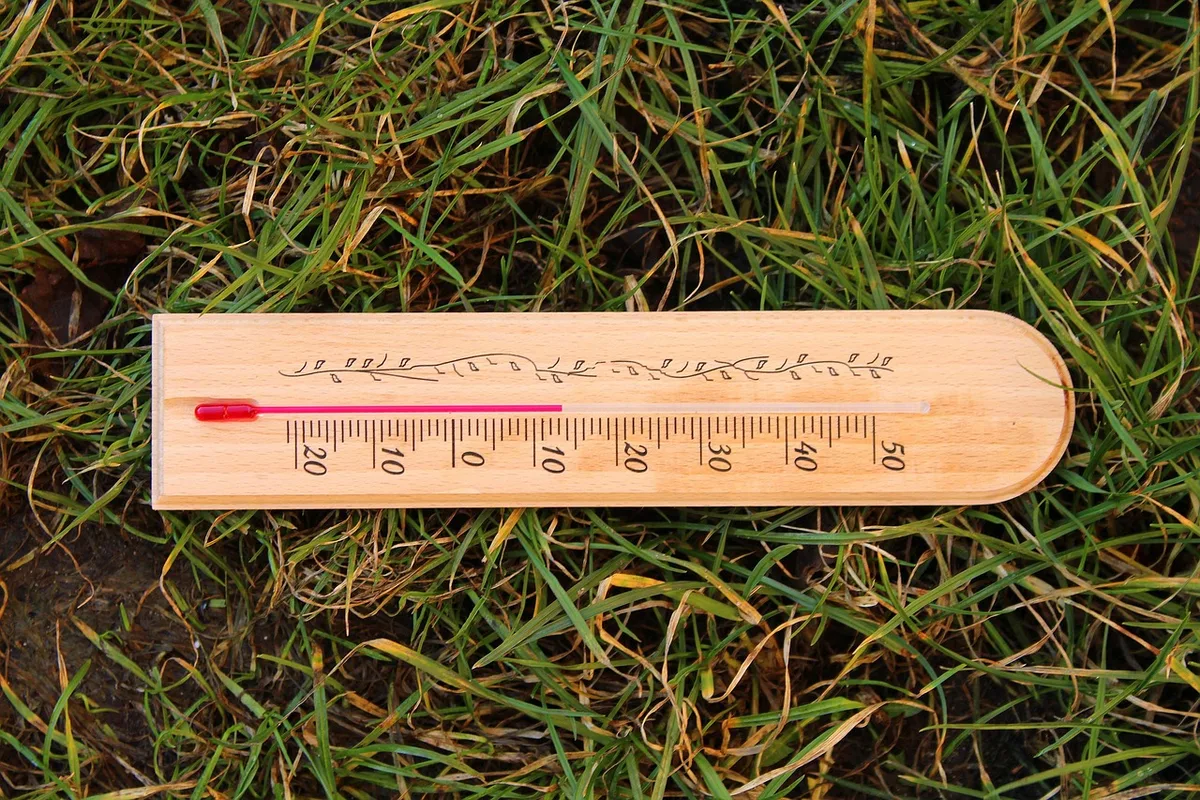
Image source: Pixabay / Alicja (Pixabay Content License)
Did You Use the Right Product for Your Weeds?
This is where a lot of people get tripped up. Not all weed and feed products target the same weeds. Using the wrong one is like taking allergy medicine for a headache.
It just won't do what you need.
Pre-emergent products contain herbicides like pendimalin, prodiamine, or dithiopyr. These create a chemical barrier in the soil that stops annual weed seeds from establishing. They work great for crabgrass, goosegrass, and some other annual grasses.
They do absolutely nothing to weeds that are already growing.
Post-emergent products typically contain 2,4-D, dicamba, MCPP (mecoprop), or quinclorac. These are designed to kill existing broadleaf weeds like dandelion, clover, plantain, and chickweed. Some also target grassy weeds, but you need to read the label to confirm.
Here's a quick breakdown of common lawn weeds and what actually controls them.
| Weed Type | Common Examples | Product Type Needed |
|---|---|---|
| Annual grassy weeds | Crabgrass, goosegrass, foxtail | Pre-emergent (prodiamine, pendimalin, dithiopyr) |
| Perennial grassy weeds | Nutsedge, quackgrass, dallisgrass | Post-emergent specific to grassy weeds (quinclorac, sulfentrazone) |
| Broadleaf weeds | Dandelion, clover, plantain, chickweed, spurge | Post-emergent broadleaf herbicide (2,4-D, dicamba, MCPP) |
| Winter annual weeds | Henbit, speedwell, chickweed | Pre-emergent in fall or post-emergent in early spring |
If your lawn is full of nutsedge and you used a standard broadleaf weed and feed, that explains why nothing happened. Nutsedge isn't a broadleaf or a true grass. It's a sedge, and most common herbicides don't touch it.
You'd need a product specifically labeled for nutsedge control, like one containing sulfentrazone or halosulfuron.
Read the product label's "weeds controlled" list before you buy. If your specific weed isn't on that list, that product isn't the right one for your lawn.

Image source: Pixabay / kwherzog (Pixabay Content License)
Your Grass Type Changes Everything
Your grass type directly affects which products are safe to use and when you can use them. Applying the right product at the right time on the wrong grass can damage your lawn or simply fail to work.
Cool-season grasses like tall fescue, Kentucky bluegrass, and perennial ryegrass are most actively growing in spring and fall. They can handle most broadleaf herbicides during these seasons, but some products can stress them during summer heat. These grasses benefit from pre-emergent applications in early spring and post-emergent treatments in fall when weeds are actively sending nutrients to their roots.
Warm-season grasses like Bermuda, zoysia, St. Augustine, and centipede have different sensitivities. St.
Augustine and centipede are particularly sensitive to certain herbicides, especially 2,4-D and MSMA. Using a product not labeled for your specific warm-season grass can cause yellowing, stunting, or even kill patches of turf.
Newly seeded lawns are another common trouble spot. Most pre-emergent herbicides cannot distinguish between weed seeds and grass seed. If you applied a crabgrass preventer and then overseeded within a few weeks, the herbicide likely killed your new grass seed along with the weeds.
Always check the label for the waiting period between pre-emergent application and seeding. It's typically 8 to 12 weeks.
If you're not sure what grass you have, take a sample to your local county extension office. They can identify it for free and recommend products that are safe and effective for your specific turf.
Application Mistakes That Quietly Ruin Results
Even with the right product at the right time, poor application can tank your results. These are the errors that are easy to make and easy to overlook.
Spreader calibration is the number one application mistake. If your spreader is set too low, you under-apply and the herbicide concentration isn't high enough to kill weeds. Set it too high and you risk burning your lawn.
Most product labels include spreader settings for common models like Scotts or Earthway spreaders. If yours isn't listed, start with a low setting and do a test pass on your driveway to check granule distribution.
Uneven coverage creates problems in both directions. Overlapping passes create double-dose strips that can burn the grass. Skipped areas leave untreated patches where weeds thrive.
Walk at a steady pace and use a marker dye or edge guide if your spreader has one.
Applying to the wrong moisture level matters more than most people realize. For post-emergent granular products, you want to apply when the grass is damp with morning dew. The moisture helps granules stick to weed leaves so the herbicide can be absorbed.
For pre-emergent products, you want to apply to dry grass and then water the granules into the soil. Getting this backwards reduces effectiveness significantly.
Mowing at the wrong time cuts your results short. Don't mow for 2 to 3 days before application so weeds have maximum leaf surface to absorb the herbicide. Then don't mow for 2 to 3 days after application so the herbicide has time to translocate through the plant.
Watering errors are another common failure point. Pre-emergent products need about a quarter to half inch of water after application to move the herbicide into the soil. Post-emergent products should not be watered for at least 24 hours after application so the herbicide stays on the leaf surface.
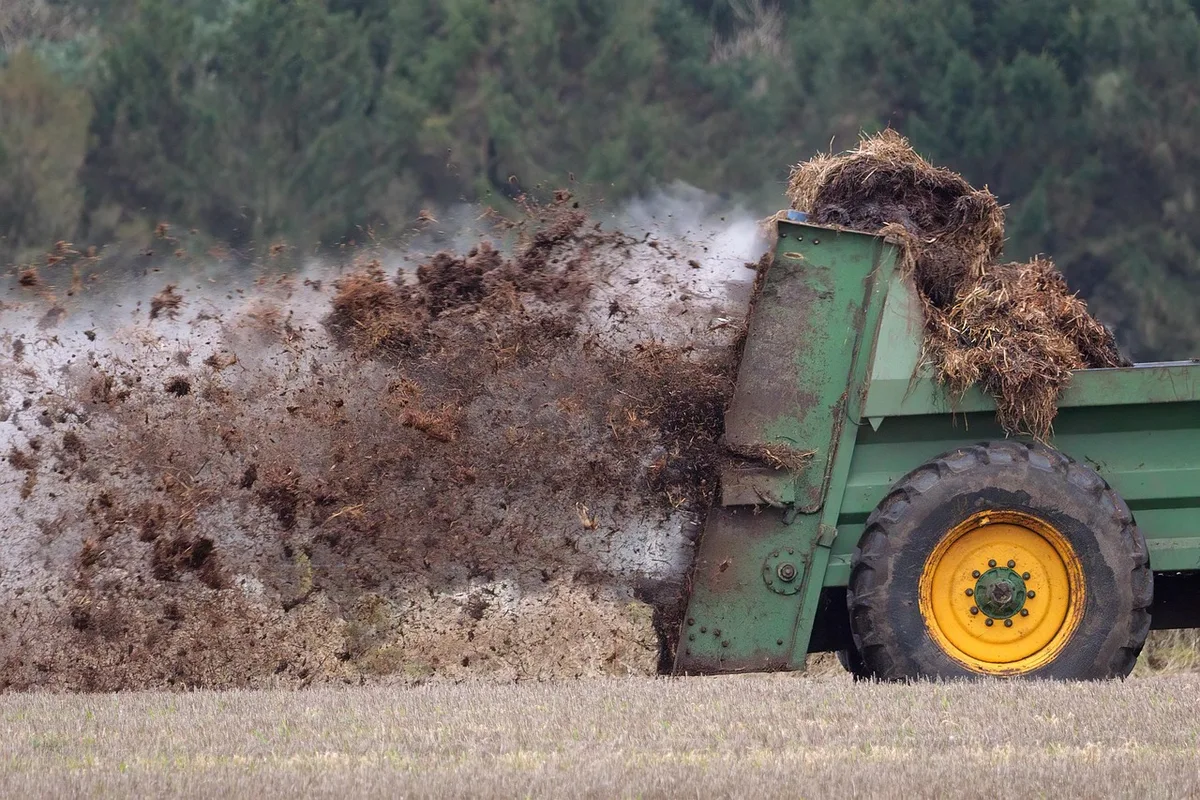
Image source: Pixabay / Emphyrio (Pixabay Content License)
Soil and Weather Conditions That Make or Break It
Your lawn's soil and the weather during and after application play a bigger role than most people realize. Even a perfectly timed, correctly chosen product can fail if conditions aren't right.
Soil pH affects herbicide availability and nutrient uptake. Most turfgrasses perform best at a pH between 6.0 and 7.0. If your soil is too acidic or too alkaline, herbicides may break down too quickly or fail to be absorbed properly.
A basic soil test, available through your local extension office for around $10 to $15, will tell you exactly where you stand.
Soil compaction prevents both water and herbicide from penetrating to the root zone. If your lawn gets heavy foot traffic or sits on clay soil, compaction could be blocking your product from reaching where it needs to go. Core aeration in fall for cool-season grasses or late spring for warm-season grasses opens up the soil and dramatically improves product performance.
Drought stress is a silent killer. When grass and weeds are drought-stressed, they close their stomata and slow their metabolism. That means they absorb far less herbicide.
If you applied during a dry spell without supplemental irrigation, the product likely sat on the surface without being taken up.
Heavy rain within 24 hours of application can wash granular products off slopes or out of the treatment area entirely. Check the rainfast period on the label. Most granular products need at least 12 to 24 hours without significant rainfall.
Thatch buildup over half an inch acts like a sponge, trapping granules before they reach the soil. If you haven't dethatched in a couple of years, that layer could be intercepting your pre-emergent before it ever forms a proper barrier.
How to Figure Out Exactly What Went Wrong
Now that you know the common failure points, it's time to diagnose your specific situation. Walk through these questions in order.
What product did you use, and what weeds were you targeting? Check the label. If the weeds you're fighting aren't on the "controlled weeds" list, that's your answer.
When did you apply it? Compare your application date to soil temperature data for your area. If soil temps were below 55°F for a pre-emergent, you were likely too early.
If weeds were already full-grown when you applied a post-emergent, they may have been too mature.
What were the weather conditions? Hot, dry, windy, or rainy conditions during or right after application all reduce effectiveness. Think back to what the week looked like.
How did you apply it? Broadcast spreader, drop spreader, or hose-end sprayer? Did you calibrate?
Did you overlap or skip areas? Were the weeds damp or dry?
What's your soil like? Compacted? Heavy thatch?
Never tested? Any of these could be the hidden factor.
How long did you wait before judging results? Post-emergent herbicides need 2 to 4 weeks to show full kill. If you expected overnight results, you may have given up on a product that was actually working.
Write down your answers. They'll tell you exactly which fix applies to your situation.
What to Do Next Based on Your Situation
Here's where we turn diagnosis into action. Find the scenario that matches your situation and follow the steps.
If you applied too early (pre-emergent degraded before germination): Wait until you see the first flush of weed growth. Apply a post-emergent herbicide labeled for the specific weeds present. Mark your calendar for next spring and target soil temp of 55°F, not a calendar date.
If you applied too late (weeds already established): Switch to a post-emergent product. Pre-emergents won't help now. Apply when weeds are actively growing and temperatures are between 60°F and 85°F.
Wait 2 to 3 weeks, then spot-treat any survivors.
If you used the wrong product for your weed type: Identify the weed. Use your extension office or a university weed ID resource. Purchase a product specifically labeled for that weed.
Follow the label rate and timing exactly.
If application was the problem: Calibrate your spreader before the next application. Apply to damp foliage for post-emergents, dry foliage then water in for pre-emergents. Don't mow for 2 to 3 days before or after.
If soil conditions are the issue: Get a soil test through your county extension office. Aerate compacted areas. Dethatch if the layer exceeds half an inch.
Address pH issues with lime (to raise) or sulfur (to lower) based on test results.
If the product was expired or stored improperly: Buy a fresh bag. Check for a manufacture date. Store in a cool, dry place away from direct sunlight.
Use within 2 years of purchase for best results.
If you applied to a newly seeded lawn: Wait until new grass has been mowed at least 3 times before applying any herbicide. For future seeding, check the label's reseeding interval. It's typically 8 to 12 weeks after pre-emergent application.
Weed and Feed Alternatives That Actually Work
If weed and feed keeps letting you down, it might be time to consider a different approach. The all-in-one convenience is appealing, but separating the tasks often gives you better results.
Separate fertilizer and herbicide applications let you time each one precisely. You can put down pre-emergent at the exact right soil temperature and then apply post-emergent when weeds are at their most vulnerable. You also avoid the conflict between needing damp foliage for post-emergent granules and needing to water pre-emergent into the soil.
Liquid weed control sprays tend to be more effective than granular post-emergents because they coat the leaf surface more evenly. Products like SpeedZone or Gordon's Trimec can be applied with a hose-end sprayer or pump sprayer for targeted treatment.
Organic pre-emergent options like corn gluten meal can suppress annual weed seed germination without synthetic herbicides. It won't match the effectiveness of prodiamine, but it's a reasonable option if you're avoiding chemical treatments. Note that it also suppresses grass seed germination, so don't use it near overseeding.
Professional lawn care services typically use commercial-grade products and calibrated equipment that delivers more consistent results than DIY applications. If you've tried multiple times without success, a professional assessment might uncover soil or drainage issues you've been missing.
Cultural practices like proper mowing height, adequate irrigation, and regular overseeding can reduce weed pressure over time. A thick, healthy lawn is the best long-term weed control there is.
How to Prevent This From Happening Again
Once you've fixed the current problem, set yourself up for success next season with a proper lawn care calendar.
Early spring (soil temp 50-55°F): Apply pre-emergent herbicide. This is your crabgrass and annual grassy weed barrier. Don't guess on timing.
Use a soil thermometer or check your local extension service's soil temperature reports.
Late spring (May): Apply post-emergent broadleaf weed control if needed. Weeds should be young and actively growing. Fertilize cool-season grasses lightly or wait until fall.
Early summer (June): Spot-treat any breakthrough weeds. Avoid heavy fertilizer on cool-season grasses during summer heat. Warm-season grasses can take a summer feeding.
Early fall (September): This is the most important window for cool-season lawns. Apply broadleaf weed control, fertilize heavily, and overseed thin areas. Weeds are pulling nutrients down to their roots in fall, so herbicide translocation is at its peak.
Late fall (October-November): Apply a final round of fertilizer to cool-season grasses. This builds root reserves for winter and gives you a head start next spring.
Keep a simple log of what you applied, when, and what the conditions were. It takes the guesswork out of next year and helps you spot patterns if something isn't working.
When to Call in a Professional
Sometimes the DIY approach hits a wall. Here are the signs it's time to bring in a pro.
- You've applied correctly for two seasons and weeds are still dominant.
- You can't identify the weed species and extension resources haven't helped.
- Your lawn has large bare patches, drainage issues, or signs of disease alongside weed problems.
- You're dealing with invasive perennial weeds like bermudagrass in a cool-season lawn, which requires targeted professional treatment.
- Soil tests reveal serious nutrient imbalances or contamination issues.
A reputable lawn care company will do a soil analysis, identify your grass and weed species, and build a treatment plan tailored to your property. Expect to pay $50 to $100 per application for a standard residential lawn as of 2026.
Frequently Asked Questions
How long does weed and feed take to work?
Post-emergent herbicides typically show visible results within 7 to 14 days, with full kill taking up to 21 days. Fertilizer effects usually appear within 5 to 10 days as greening. If you're not seeing any change after 3 weeks, something went wrong with timing, product choice, or application.
Can I apply weed and feed twice in one season?
Yes, most products allow a second application 6 to 8 weeks after the first. Check the label for the specific reapplication interval and the maximum annual rate. Don't exceed the total yearly application rate listed on the product.
Is weed and feed safe for all grass types?
No. St. Augustine and centipede grasses are sensitive to certain herbicides like 2,4-D.
Always check the label for approved grass types before applying. Using the wrong product on a sensitive grass can cause yellowing, thinning, or permanent damage.
Should I water after applying weed and feed?
It depends on the product type. Pre-emergents need a quarter to half inch of water to move into the soil. Post-emergent granular products should stay on the leaf surface for at least 24 hours before watering.
Always follow the specific instructions on the product label.
Why did my weed and feed burn my lawn?
Over-application is the most common cause. Spreader settings that are too high, overlapping passes, or applying during heat stress can all cause fertilizer burn. If the grass turns yellow or brown within a few days of application, water heavily to dilute the product and avoid reapplying until the lawn recovers.
Can I overseed after applying weed and feed?
Not immediately. Most pre-emergent herbicides prevent all seed germination, including grass seed. Wait at least 8 to 12 weeks after pre-emergent application before overseeding.
Post-emergent products generally have a shorter waiting period, but always check the label for the specific reseeding interval.