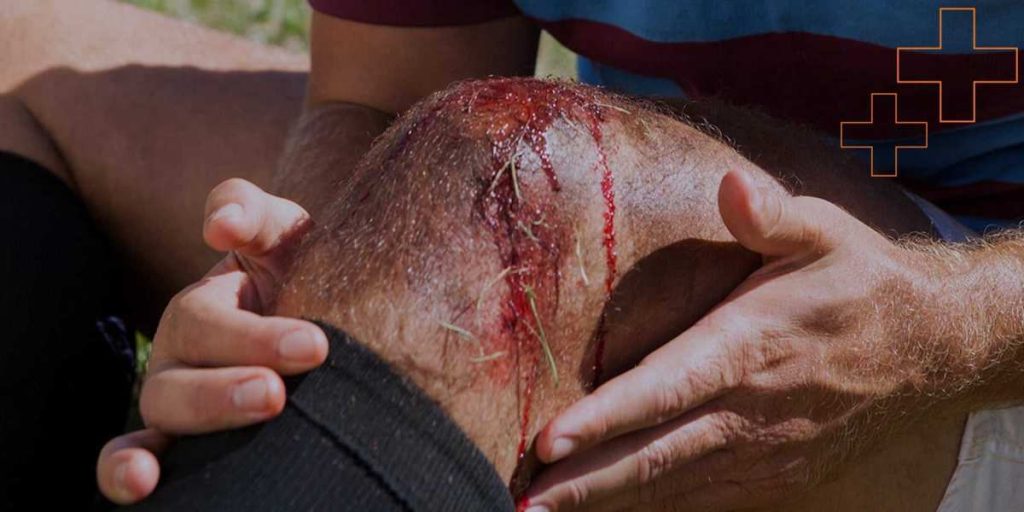
To clean turf burn quickly and effectively, rinse the area with cold water to remove dirt and debris, gently wash with soap, and apply an antiseptic ointment before covering with a clean bandage. For faster healing, keep the wound moist and avoid picking at scabs.
Dealing with turf burn can be painful and frustrating, but the right cleaning routine makes a big difference in preventing infection and speeding up recovery. Turf burns happen when the skin scrapes against rough artificial grass, often resulting in painful abrasions. The key to proper care is acting promptly: removing dirt, bacteria, and debris from the wound, then protecting it with a sterile covering. This not only minimizes pain but also reduces the risk of infection. While it might seem daunting at first, a simple, gentle approach can turn this minor injury into a quick-healing process. Keep reading for expert tips on cleaning and caring for turf burns to ensure a smooth and speedy recovery.

How to Clean Turf Burn
Cleaning turf burn effectively is essential to prevent infection and promote faster healing. Turf burns are common injuries during sports or outdoor play on artificial grass or turf fields. Proper cleaning not only reduces the risk of bacteria entering the wound but also helps to soothe the skin and reduce discomfort. In this section, we will explore step-by-step instructions on how to clean turf burn thoroughly and safely.
Understanding Turf Burn and Its Risks
Turf burns happen when the skin scrapes against rough artificial grass, causing abrasions. These injuries can be superficial or deeper depending on the severity of the fall or slide. The main risks include infections, scarring, and delayed healing. Knowing what makes turf burn different from other cuts helps to address it properly. Turf burns often contain tiny fragments of synthetic fibers, dirt, and bacteria, making prompt cleaning necessary.
Gathering Supplies for Cleaning Turf Burn
Before cleaning turf burn, gather all necessary supplies. Having everything ready speeds up the process and ensures nothing gets missed. Common supplies include:
- Warm water
- Gentle antimicrobial soap
- sterile gauze or clean cloths
- Antiseptic solution or wipes
- Hydrogen peroxide (optional)
- Petroleum jelly or antibiotic ointment
- Breathable bandage or dressing
- Clean towel or paper towels
Ensure all supplies are clean to avoid introducing bacteria into the wound. Keep in mind that harsh chemicals or scrubbing can cause more damage, so choose gentle yet effective products.
Step-by-Step Process to Clean Turf Burn
Proper cleaning involves several important steps that help remove dirt, debris, and bacteria while protecting the skin.
1. Wash Your Hands
Always wash your hands thoroughly with soap and water before touching the wound. Proper hygiene prevents bacteria from spreading to the turf burn. Wear disposable gloves if available for extra protection.
2. Rinse with Warm Water
Gently rinse the turf burn with warm water to loosen dirt and synthetic fibers. Use your fingers or a soft cloth to carefully wash the area. Avoid using hot water, which can irritate the skin.
3. Use Gentle Soap
Apply a small amount of mild antimicrobial soap to clean the injury. Gently lather and rinse thoroughly to ensure all debris and bacteria are removed. Do not scrub aggressively, as this can cause further injury.
4. Remove Debris and Fibers
Inspect the wound closely for any remaining dirt or tiny artificial fibers. Use clean tweezers or a soft cloth to carefully remove debris. Make sure to do this gently to avoid causing more pain or damage.
5. Disinfect the Wound
Pat the area dry with a clean towel or let it air dry. Then, apply an antiseptic solution such as rubbing alcohol, iodine, or an antiseptic wipe. This kills remaining bacteria and reduces infection risk. Be cautious, as some antiseptics can sting.
6. Apply Antibiotic Ointment
Once the wound is clean and dry, apply a thin layer of antibiotic ointment like Neosporin. This helps prevent infection and keeps the wound moist, which aids healing.
7. Cover the Turf Burn
Protect the injury with a sterile, breathable bandage or dressing. Change the dressing daily or whenever it gets wet or dirty. Keeping the wound covered prevents dirt and bacteria from entering.
Additional Tips for Effective Turf Burn Care
Beyond initial cleaning, ongoing care is vital for healing. Here are some practical tips:
- Change dressings regularly to keep the wound clean and dry.
- Avoid picking at scabs or peeling skin to prevent scarring.
- Keep the injured area elevated if possible to reduce swelling.
- Watch for signs of infection such as increased redness, swelling, or pus.
- Use soothing remedies like aloe vera or hydrocortisone cream to reduce itching and inflammation.
When to Seek Medical Attention
Not all turf burns can be treated at home. Seek medical help if:
- The wound is deep or bleeding heavily.
- Signs of infection appear — redness, swelling, warmth, pus.
- Pain worsens despite treatment.
- There are foreign objects embedded deep in the skin that cannot be removed.
- You have not had a tetanus shot in the last five years.
In these cases, a healthcare professional can provide proper cleaning, stitches, or antibiotics if necessary.
Preventing Turf Burn in the Future
Prevention is the best approach to avoid turf burns altogether. Here are some useful strategies:
- Wear appropriate protective gear such as long sleeves, knee pads, and gloves.
- Apply petroleum jelly or special barrier creams on vulnerable areas before activity.
- Choose proper footwear with good grip to prevent slips and falls.
- Play on well-maintained turf surfaces to reduce risk of injury.
- Stay aware of your surroundings and avoid risky moves during play.
Additional Care Tips for a Speedy Recovery
Once the turf burn is cleaned and dressed, focus on promoting healing:
- Eat a balanced diet rich in vitamins and minerals that aid skin repair.
- Stay hydrated to support overall healing processes.
- Limit activities that may cause further injury or irritation.
- Use over-the-counter pain relievers if needed to manage discomfort.
- Avoid exposing the wound to dirt, sweat, or harsh chemicals.
Understanding how to clean turf burn properly empowers you to take better care of your skin. Regular cleaning, protection, and monitoring allow for faster healing and reduce the likelihood of complications. Remember, gentle handling and prompt treatment are your best tools for recovery.
Skin Healing and Care
Frequently Asked Questions
What are the initial steps to properly clean turf burn wounds?
Begin by rinsing the area gently with cool, clean water to remove loose dirt and debris. Use a mild soap and warm water to carefully wash the affected skin, ensuring you avoid scrubbing harshly. Pat the area dry with a clean towel and avoid rubbing, which can irritate the skin further. Proper initial cleaning helps prevent infection and prepares the wound for further treatment.
How can I effectively disinfect a turf burn without causing additional irritation?
Apply an antiseptic solution, such as hydrogen peroxide or rubbing alcohol, in small amounts directly to the wound. Be cautious not to use excessive quantities, as these can harm healthy tissue. After disinfecting, rinse with water to remove any residual antiseptic and pat dry. Keeping the wound clean and disinfected reduces the risk of bacterial infection and promotes healing.
What are some recommended methods for soothing and protecting turf burn as it heals?
Once cleaned, apply a thin layer of antibiotic ointment, like petroleum jelly or an over-the-counter antibiotic cream, to keep the wound moist. Cover it with a sterile bandage to shield it from dirt and friction. Change the dressing daily or if it becomes wet or dirty. Additionally, keeping the area elevated and avoiding activities that strain the wound supports quicker recovery and reduces discomfort.
Final Thoughts
Pour nettoyer une brûlure de gazon, commencez par rincer la zone à l’eau froide pour réduire la douleur et éliminer les débris. Ensuite, nettoyez doucement avec un savon doux et de l’eau pour éviter toute infection. Séchez soigneusement la blessure avec une serviette propre.
Appliquez un antiseptique pour prévenir l’infection et couvrez la brûlure avec un pansement stérile. Surveillez la zone pour toute augmentation de rougeur ou douleur. En suivant ces étapes, vous pouvez efficacement traiter une turf burn.
En conclusion, savoir comment nettoyer turf burn aide à favoriser une guérison rapide et à prévenir les complications. Assurez-vous de suivre ces conseils pour garder la blessure propre et saine.