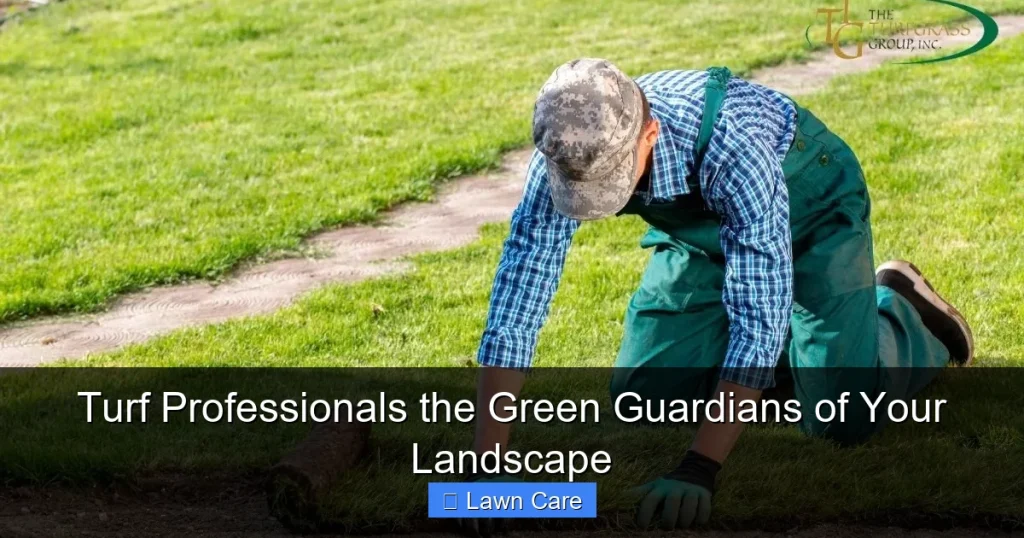
Turf professionals are the unsung heroes of a beautiful landscape, acting as true green guardians for your lawn. They possess the specialized knowledge and tools to tackle complex lawn issues, ensuring your grass thrives year-round. Entrusting your lawn to these experts means less stress for you and a healthier, more vibrant outdoor space.
Ah, the lawn. That expanse of green that welcomes you home, provides a playground for kids and pets, and generally boosts your property’s curb appeal. We all want a lush, vibrant carpet of grass, right? But let’s be honest, achieving and maintaining that perfect look can be a real challenge. Sometimes, despite our best efforts, our lawns struggle. We battle stubborn weeds, unexplained brown patches, and the ever-present threat of pests and diseases. It’s enough to make anyone feel a little defeated.
This is where the true heroes of our outdoor spaces come in: the turf professionals. These are not just lawn cutters; they are the skilled custodians of your landscape, the “Green Guardians” dedicated to understanding and nurturing every blade of grass. They bring a level of expertise and dedication that transforms a struggling patch of dirt into a thriving, beautiful lawn. If you’ve ever wondered why some lawns just look consistently amazing, chances are a turf professional has had a hand in it.
Think of them as your lawn’s personal physicians and caretakers, equipped with the knowledge, tools, and experience to keep it healthy and vibrant. They go beyond the basic mowing and watering, delving into the complex ecosystem that is your lawn. In this article, we’ll explore why these professionals are so vital and what makes them the ultimate guardians of your green space.
Key Takeaways
- Expert Knowledge: Turf professionals understand the science behind healthy grass, including soil types, nutrient needs, pest identification, and disease prevention.
- Problem Solvers: They are equipped to diagnose and treat issues like bare patches, weeds, fungal diseases, and pest infestations that can plague homeowners.
- Customized Care Plans: Professionals create tailored strategies based on your specific lawn’s conditions, climate, and your desired outcome, rather than a one-size-fits-all approach.
- Time and Cost Efficiency: While there’s an initial investment, professional lawn care can save you time, prevent costly mistakes, and ultimately lead to a more robust and aesthetically pleasing lawn.
- Access to Professional Tools and Products: They utilize specialized equipment and higher-quality, often regulated, products that are not readily available to the average homeowner.
- Environmental Stewardship: Many turf professionals prioritize sustainable practices, using eco-friendly products and methods to protect the environment while ensuring lawn health.
Quick Answers to Common Questions
What is the primary role of a turf professional?
The primary role of a turf professional is to maintain and improve the health, appearance, and resilience of lawns and other turfgrass areas through expert knowledge and specialized care.
How do turf professionals differ from a standard landscaping service?
Turf professionals focus specifically on the science and art of growing and maintaining healthy grass, while landscaping services often encompass a broader range of outdoor space management, including planting, hardscaping, and general garden maintenance.
Can turf professionals help with a lawn that has persistent weed problems?
Yes, turf professionals are highly skilled at diagnosing the causes of persistent weed problems and implementing effective, often customized, control strategies that address both the weeds and the underlying conditions that allow them to thrive.
What kind of equipment do turf professionals use?
Turf professionals use specialized equipment such as aerators, dethatchers, broadcast spreaders for precise fertilizer and seed application, and often commercial-grade mowers and sprayers that are more efficient and effective than typical homeowner equipment.
Is hiring a turf professional more expensive than doing it yourself?
While there is an upfront cost, hiring a turf professional can be more cost-effective in the long run by preventing costly mistakes, addressing problems early, and achieving a healthier lawn that requires less intensive intervention over time.
📑 Table of Contents
Understanding the Unseen Battle Beneath the Surface
A healthy lawn isn’t just about what you see above ground. It’s a complex system influenced by countless factors beneath the soil. Turf professionals are experts at deciphering these hidden signals. They understand that the soil is alive, teeming with microbes and nutrients that directly impact grass health. They know that proper soil structure allows for good drainage and root development, which is crucial for survival, especially during challenging weather.
Soil Science and Nutrient Management
One of the most critical aspects of professional lawn care is understanding soil composition and nutrient needs. Every lawn is different. Some soils are sandy, draining too quickly. Others are clay-heavy, holding too much water, which can lead to root rot and disease. Turf professionals can test your soil to determine its pH, nutrient levels, and composition. Based on these results, they develop a customized fertilization plan. This isn’t just about spreading generic fertilizer; it’s about applying the right type, at the right time, and in the right amounts to address specific deficiencies. For instance, they might recommend specific slow-release fertilizers to provide a steady stream of nutrients or organic amendments like compost to improve soil structure. Knowing the benefits of using compost on your lawn is a cornerstone of sustainable lawn care that professionals often leverage.
Pest and Disease Diagnosis and Treatment
Have you ever noticed brown patches that seem to spread rapidly, or tiny insects devouring your grass? These are often signs of pests or diseases. Identifying the exact culprit can be tricky for the average homeowner. Is it a common grub, a fungal infection, or something else entirely? Turf professionals have the diagnostic skills to pinpoint the problem accurately. They can differentiate between various lawn diseases, like red thread or dollar spot, and identify common pests, such as grubs, chinch bugs, or armyworms. Once diagnosed, they employ targeted treatments, often using professional-grade products that are more effective and, in many cases, more environmentally friendly than what’s available to the public. They understand the life cycles of these pests and diseases, allowing them to intervene at the most effective points to prevent widespread damage.
The Art and Science of Mowing and Watering

Visual guide about Turf Professionals the Green Guardians of Your Landscape
Image source: raisely-images.imgix.net
Even seemingly simple tasks like mowing and watering require a nuanced approach that professionals have mastered. It’s not just about cutting the grass and turning on the sprinklers; it’s about timing, height, and technique.
Strategic Mowing Practices
The height at which you mow your lawn significantly impacts its health. Mowing too short can stress the grass, making it more susceptible to weeds, drought, and disease. Turf professionals understand the optimal mowing heights for different grass types. They also pay attention to the frequency of mowing, ensuring they don’t remove more than one-third of the grass blade at a time. This practice, known as the “one-third rule,” helps the grass maintain its energy reserves. Furthermore, they consider blade sharpness; dull mower blades tear grass, leaving it vulnerable. They often practice techniques like mulching clippings back into the lawn, which returns valuable nutrients to the soil, a practice that aligns with proper lawn clipping disposal and recycling.
Optimizing Watering Schedules
Water is essential, but overwatering or underwatering can be detrimental. Professionals know that the best time to water is typically in the early morning, before the heat of the day sets in, to minimize evaporation and reduce the risk of fungal diseases. Understanding the best time of the day to water your lawn is crucial for efficiency and health. They also understand that different grass types and soil conditions require varying amounts of water. Their goal is to promote deep root growth by watering less frequently but more thoroughly, rather than shallow, frequent watering that encourages shallow root systems, making the lawn less resilient to drought. This is especially important when aiming to keep your lawn green in the summer heat or during dry spells.
Addressing Lawn Problems: Weeds, Thatch, and More
Weeds are a common frustration for homeowners, but they can also be a symptom of underlying lawn issues. Professionals have a comprehensive approach to weed control and overall lawn health.
Effective Weed Management Strategies
Weeds compete with your grass for water, nutrients, and sunlight, weakening your lawn. Turf professionals can identify different types of weeds and recommend the most effective control methods. This might include pre-emergent herbicides applied before weed seeds germinate, or post-emergent herbicides to tackle existing weeds. They understand that the timing of application is critical for maximum effectiveness and minimal impact on desirable grass. They also recognize that a healthy, dense lawn is the best defense against weeds, so their strategies often focus on improving turf health to naturally suppress weed growth. For example, they might advise on improving drainage to prevent conditions favorable to certain weeds or suggest overseeding to fill in sparse areas.
The Importance of Aeration and Dethatching
Over time, soil can become compacted, making it difficult for air, water, and nutrients to reach the grass roots. This is where aeration comes in. Professionals use specialized equipment to create small holes in the soil, relieving compaction and promoting root growth. Similarly, a layer of thatch – dead grass, roots, and stems – can build up on the soil surface. While a thin layer is beneficial, excessive thatch can harbor pests and diseases and prevent water and nutrients from penetrating. Dethatching, or scarification, removes this excess layer. Dethatching your lawn is a vital step that professionals often incorporate into their care routines. These practices, alongside overseeding, contribute to a robust and resilient lawn.
Seasonal Care and Long-Term Lawn Health
Lawn care isn’t a one-time fix; it’s an ongoing process that changes with the seasons. Turf professionals understand these seasonal demands and plan accordingly.
Spring Greening and Summer Resilience
As spring arrives, turf professionals focus on waking up the lawn from its winter dormancy. This often involves fertilization to provide essential nutrients for new growth, weed control to tackle early sprouters, and soil conditioning. As temperatures rise, the focus shifts to keeping the lawn healthy and vibrant despite the summer heat. This might include adjusting watering schedules, monitoring for heat stress, and managing potential summer diseases or pests.
Fall Preparation and Winter Protection
Fall is a crucial time for lawn recovery and preparation for the colder months. Professionals often recommend fall fertilization to replenish nutrients used during the summer and to promote strong root development before winter. They also focus on weed control and, if necessary, overseeding your lawn to fill in any thin or damaged areas. Proper fall care sets the stage for a healthy return in the spring. Winterizing treatments might also be applied to protect the lawn from harsh winter conditions and prevent damage.
The Value Proposition: Why Hire a Professional?
Many homeowners ponder whether hiring a turf professional is worth the cost. The answer often lies in the long-term benefits and the expertise they bring.
Saving Time and Reducing Stress
Let’s face it, lawn care can be a time-consuming and often frustrating chore. By entrusting your lawn to professionals, you reclaim your weekends. You eliminate the guesswork and the worry about whether you’re doing the right thing. This allows you to simply enjoy your beautiful outdoor space without the burden of its upkeep.
Access to Expertise and Professional-Grade Products
As mentioned, turf professionals possess a deep understanding of turfgrass science. They have access to specialized equipment and professional-grade products that are often unavailable to the general public. These products are typically more potent and formulated for specific issues, leading to more effective and lasting results. They can also leverage their knowledge to implement sustainable practices, such as using slow-release fertilizers or integrated pest management techniques, which are beneficial for both your lawn and the environment.
Achieving a Healthier, More Beautiful Lawn
Ultimately, the goal is a beautiful, healthy lawn. Professionals are dedicated to achieving this through consistent, knowledgeable care. They can identify and address subtle issues before they become major problems, preventing costly repairs or renovations down the line. The result is a lawn that is not only aesthetically pleasing but also more resilient, enjoyable, and valuable to your property. Their goal is to create a thriving ecosystem, a testament to their role as the true green guardians of your landscape.
In conclusion, while DIY lawn care can be rewarding for some, the complex nature of turf health often calls for the specialized skills of a professional. They are the experts who understand the intricate needs of your lawn, from the soil beneath to the blades reaching for the sun. They are the guardians who protect it from pests, diseases, and the harsh realities of the climate. By partnering with a turf professional, you’re not just getting a lawn service; you’re investing in the long-term health, beauty, and vitality of your entire landscape. They are, indeed, the green guardians you can rely on.
Frequently Asked Questions
How often should I have a turf professional service my lawn?
The frequency of professional lawn service depends on your lawn’s specific needs and your goals. Many clients opt for year-round programs that include regular visits for fertilization, weed control, and seasonal treatments, while others may seek periodic consultations for specific issues.
What information should I provide to a turf professional before they start?
It’s helpful to provide your turf professional with information about your lawn’s history, such as previous treatments, known problems (like pest infestations or bare spots), watering habits, and any specific concerns or goals you have for your landscape.
Can turf professionals help with establishing a new lawn from seed?
Absolutely. Professionals can assist with selecting the best grass seed for your climate and soil conditions, preparing the soil, and implementing proper seeding and establishment techniques to ensure a successful new lawn.
What are the environmental considerations of professional lawn care?
Many reputable turf professionals are committed to environmentally responsible practices. This can include using organic fertilizers, implementing integrated pest management (IPM) strategies, and utilizing water-conservation techniques to minimize environmental impact.
How do I know if my lawn has a drainage problem, and can a turf professional fix it?
Signs of poor drainage include persistent puddles after rain, waterlogged soil, and weak or dying grass in certain areas. Turf professionals can diagnose drainage issues and recommend solutions, which might involve aeration, grading, or installing drainage systems.
What is the difference between a turf professional and a general gardener?
A turf professional specializes in the health and maintenance of grasses and turf, requiring specific knowledge of turfgrass species, soil science, and pest/disease management. A general gardener typically focuses on a broader range of plants, including flowers, shrubs, and trees, and their cultivation.