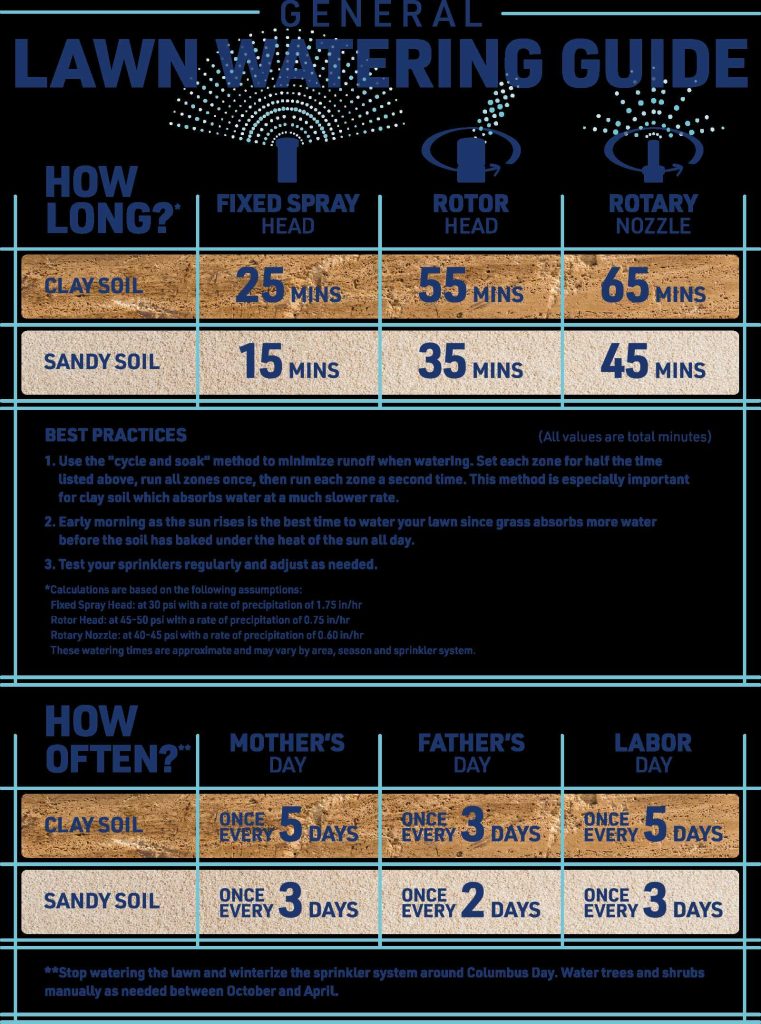
The best time to water your lawn is early in the morning, ideally between 6 AM and 10 AM. Watering during these hours allows the grass to absorb moisture before the heat of the day causes evaporation. Plus, it ensures that your lawn has enough hydration to withstand the heat as temperatures rise. Midday watering can result in significant water loss, while evening watering increases the risk of fungal diseases. By choosing the right time, you can promote healthy growth and minimize water waste. So, if you’re looking for the key to a lush, vibrant lawn, set your alarm a little earlier and let your grass soak in the goodness during those prime morning hours.

The Best Time Of The Day To Water Your Lawn
Watering your lawn is more than just turning on the hose and letting the water flow. To keep your grass healthy and green, it’s essential to understand the best time to water. Choosing the right time can make a significant difference in how much water your lawn absorbs and how healthy it stays.
Why Timing Matters
Watering at the wrong time can lead to issues like evaporation and disease. When the sun is shining bright, much of the water quickly evaporates before it reaches the soil. This means your lawn might not get the hydration it needs. Alternatively, watering at night can create a moist environment that encourages the growth of fungi and diseases.
The Early Morning Advantage
The best time to water your lawn is early in the morning, around 6 to 10 AM. This is when temperatures are cooler, and the sun hasn’t fully risen. Here are some benefits of watering in the morning:
- Less evaporation due to cooler temperatures
- Grass blades dry quickly, which helps prevent disease
- Allows roots to absorb moisture throughout the day
With the sun still low, your lawn can absorb the water effectively. This early watering ensures that your lawn starts the day hydrated and ready to face the heat.
Midday Watering: A Double-Edged Sword
While watering during midday may seem convenient, it’s not the most effective time. Here’s why:
- Higher temperatures lead to increased evaporation rates
- Watering during the hottest part of the day can lead to heat stress
- Grass may not have enough time to absorb the moisture
If you must water in the middle of the day, consider doing it lightly to help cool the grass. However, this should not be your go-to method for maintaining a healthy lawn.
Evening Watering: Pros and Cons
Watering in the evening can have its perks, but it also comes with risks. Here’s a closer look at the two sides:
**Pros:**
- Convenient for those with busy mornings
- Watering allows the grass to soak overnight
**Cons:**
- Increased risk of fungal diseases due to prolonged moisture
- Grass stays wet for too long, encouraging pests
If you choose to water in the evening, aim for around 5 to 8 PM. This will give the grass time to dry before nightfall.
How Much Water Does Your Lawn Need?
Understanding how much water to give your lawn is just as important as when to water. Most lawns need about 1 to 1.5 inches of water per week, including rain.
Tools to Measure Water Needs
You can easily measure how much water your lawn is receiving. Here are a few simple methods:
- Use a rain gauge to track rainfall and watering
- Set out empty tuna cans to measure how long it takes to fill to an inch
By monitoring your lawn’s water intake, you can better adjust your watering schedule.
Factors That Influence Watering Needs
Several factors can affect how much and how often you should water your lawn. Consider these elements:
- Grass type: Cool-season grasses like Kentucky bluegrass may need more water than warm-season grasses.
- Soil type: Sandy soils drain quickly, while clay holds water longer.
- Weather conditions: Hot, dry weather requires more frequent watering.
- Shade: Shaded areas need less water than sunny spots.
Understanding these aspects will help you fine-tune your lawn care routine.
Signs Your Lawn Needs Water
It’s essential to know the signs that indicate your lawn needs water. Watch for these clues:
- Grass blades start to wilt or turn a grayish color.
- Footprints remain visible on the lawn after walking.
- Soil feels dry when you dig a small hole.
By observing these signs, you can ensure your lawn stays vibrant and healthy.
Watering Techniques for Best Results
It’s not just about when to water; how you water also matters. Here are some effective methods:
Using a Sprinkler System
Sprinkler systems are great for evenly distributing water across your lawn. Here are some tips:
- Choose a sprinkler that matches your lawn size.
- Set timers to water during early morning hours.
Maintaining the sprinkler system is crucial to ensure it’s functioning correctly.
Hand Watering
Hand watering can be more labor-intensive but gives you control. Here’s how to do it efficiently:
- Use a hose with a nozzle for easy operation.
- Water the base of the grass instead of soaking the leaves.
Always ensure you water deeply rather than frequently to encourage root growth.
Seasonal Considerations
Different seasons require different watering strategies.
Spring Watering Tips
During spring, grass grows quickly due to warming temperatures. Here’s what to remember:
- Check soil moisture often to prevent overwatering.
- Maintain a consistent watering schedule.
This is vital for establishing a lush lawn.
Summer Watering Tips
In summer, temperatures rise, affecting water needs. Keep in mind:
- Increase your watering frequency during hot spells.
- Consider watering more in the early morning to combat heat.
A healthy routine during these months can keep your lawn vibrant.
Fall Watering Tips
As temperatures cool, you can decrease watering frequency. Here’s what to look for:
- Monitor rainfall and adjust your schedule accordingly.
- Water less frequently as grass growth slows.
This time is also perfect for preparing your lawn for winter.
Common Mistakes to Avoid
To maintain a healthy lawn, steer clear of these common watering errors:
- Overwatering: Too much water can drown roots and encourage disease.
- Watering at the wrong times: Avoid mid-day and late-night watering.
Being aware of these pitfalls ensures better lawn health.
When it comes to watering your lawn, timing truly is everything. By understanding when and how to water, you can create an environment where your grass thrives. Keep your lawn lush and green by following these strategies regularly. Remember, a little bit of attention goes a long way in lawn care. Happy watering!
When Is The Best Time To Water Your Lawn?
Frequently Asked Questions
What factors influence the best time to water my lawn?
The best time to water your lawn depends on several factors, including climate, temperature, humidity, and wind conditions. Warmer temperatures can increase evaporation rates, making early morning or late afternoon the ideal times to water. If you live in a hot, dry climate, watering in the early morning helps the grass absorb moisture before the heat of the day. Additionally, high humidity or windy conditions can affect how much water reaches the soil, so consider local weather patterns when planning your watering schedule.
How can I tell if my lawn needs watering?
To determine if your lawn needs watering, check for signs of moisture stress. Look for grass blades that appear wilted, have a bluish tint, or leave footprints when walked on. You can also perform a simple test by pushing a screwdriver or similar tool into the soil; if it penetrates easily, the soil has enough moisture. If it struggles to go in, your lawn likely needs water.
Does watering frequency vary by season?
Yes, watering frequency varies by season. During the warmer months, lawns typically require more water due to increased evaporation and grass growth rates. In contrast, during cooler months or rainy seasons, you may need to water less frequently. Adjusting your watering schedule according to seasonal changes helps maintain a healthy lawn while conserving water.
Is it beneficial to use a sprinkler system for lawn watering?
A sprinkler system can be beneficial for lawn watering as it provides even coverage and allows you to automate your watering schedule. Many modern systems come with timers and moisture sensors that adjust watering based on rainfall or soil moisture levels. This helps prevent overwatering and ensures your lawn receives the right amount of hydration consistently.
Can I water my lawn in the evening?
Watering your lawn in the evening is possible but may not be the best choice. While it prevents evaporation during the hotter parts of the day, watering too late can lead to prolonged moisture on grass blades overnight, increasing the risk of fungal diseases. If evening watering is your only option, try to do so early enough to allow the grass to dry before nightfall.
Final Thoughts
Watering your lawn at the right time is crucial for maintaining its health and beauty. The best time of the day to water your lawn is early in the morning, ideally between 6 a.m. and 10 a.m. This timing allows the grass to absorb moisture before the heat of the day, reducing evaporation and promoting deep root growth.
Watering in the evening can lead to fungal diseases due to prolonged moisture, while midday watering often results in significant water loss. By knowing the best time of the day to water your lawn, you can ensure your grass remains lush and vibrant throughout the growing season.