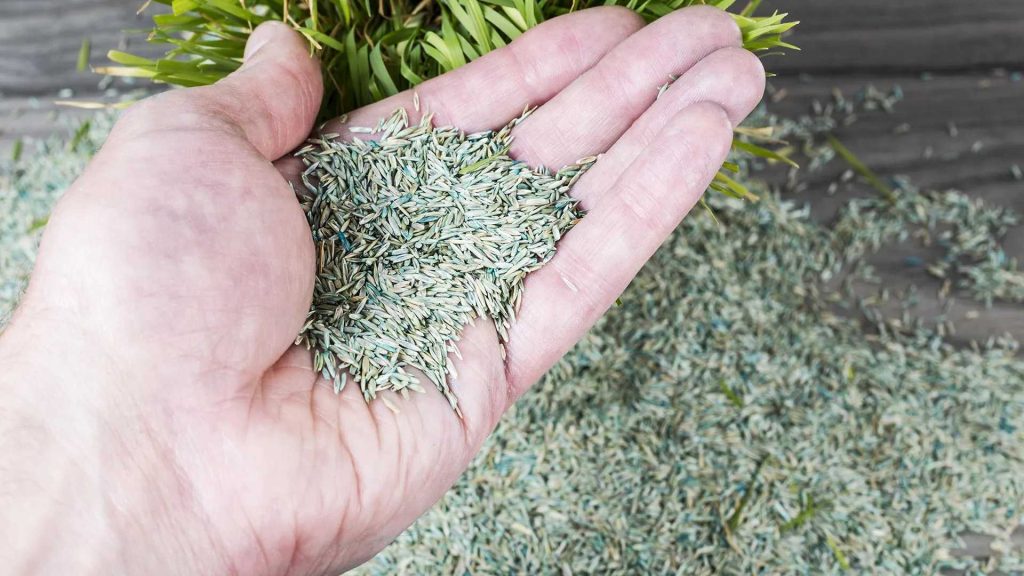
Yes, overseeding is indeed good for both the appearance and health of your lawn. If you want a vibrant and lush lawn, overseeding plays a crucial role in achieving that. It involves spreading additional grass seed over existing turf, which helps fill in bare patches, improve thickness, and enhance overall density.
Over time, lawns can become thin, weak, or develop bare spots due to factors like heavy foot traffic, diseases, or adverse weather conditions. By overseeding, you can revive and rejuvenate your lawn, making it more resilient against future damage.
Apart from the aesthetic benefits, overseeding also improves the health of your lawn. The new grass seedlings will have stronger and deeper root systems, which can better access nutrients and water in the soil. This results in a healthier and more drought-tolerant lawn. Additionally, the increased density of the grass helps prevent weed growth as the competition for resources becomes more intense.
In this blog article, we will explore the various advantages of overseeding your lawn, the best time to do it, as well as some helpful tips for successful overseeding. So, let’s dive in and discover how overseeding can transform your lawn into a vibrant, healthy, and envy-worthy green space!

Overseeding Is Good For Both The Appearance & The Health Of Your Lawn
Introduction
Having a lush, green lawn is the dream of every homeowner. A beautiful lawn not only enhances the curb appeal of your property but also provides a peaceful and inviting outdoor space for you and your family to enjoy. However, achieving and maintaining a healthy lawn can be a challenge. One effective technique that can help you achieve a vibrant and thriving lawn is overseeding. In this article, we will explore the benefits of overseeding and how it can improve both the appearance and health of your lawn.
The Basics of Overseeding
Overseeding refers to the process of spreading additional grass seed over your existing lawn. It involves planting new seeds directly into the soil, filling in bare patches, thickening the turf, and promoting new growth. This technique is particularly beneficial for lawns that have thinning grass, bare spots, or areas damaged by pests, diseases, or foot traffic.
Thickens and Improves the Appearance of Your Lawn
One of the main reasons to consider overseeding your lawn is to improve its appearance. Over time, lawns can become thin and patchy due to various factors, such as drought, disease, or old age. By overseeding, you introduce new and healthy grass seeds, which help fill in the gaps and create a denser turf. The result is a thicker, more uniform lawn with improved visual appeal.
Enhances Lawn Health and Resilience
Aside from its aesthetic benefits, overseeding also significantly contributes to the overall health and resilience of your lawn. Here’s how:
- Fights Weed Growth: A dense lawn created through overseeding leaves little room for weeds to take root and thrive. The new grasses will compete with weed seeds and prevent them from germinating, thus reducing the need for herbicides.
- Improves Disease Resistance: Overseeding helps to introduce disease-resistant grass varieties into your lawn. By diversifying the grass types, you reduce the risk of widespread damage caused by specific diseases or pests that target a particular grass species.
- Enhances Drought Tolerance: New grass seedlings from overseeding have more extensive root systems, enabling them to access water from deeper soil layers. This improved root structure enhances the overall drought tolerance of your lawn, making it less susceptible to water stress during dry periods.
- Repairs Damage: Overseeding can effectively repair areas of your lawn that have been damaged by heavy foot traffic, pests, or diseases. The new grass seedlings will fill in these damaged spots and promote healthy regrowth.
When and How to Overseed
Timing is crucial when it comes to overseeding. The best time to overseed your lawn depends on the type of grass you have and your regional climate. In general, it is recommended to overseed during the cooler months of early fall or spring, when the soil temperatures are still warm, and there is ample moisture for seed germination.
To properly overseed your lawn, follow these steps:
- Prepare the Lawn: Start by mowing your existing grass shorter than usual and remove any debris. This will expose the soil and create a favorable environment for seed-to-soil contact.
- Choose the Right Seed: Select grass seed varieties that are well-suited for your climate and match the existing grass type in your lawn. Take into account factors such as shade tolerance, drought resistance, and maintenance requirements.
- Spread the Seed: Use a seed spreader or broadcast the seed evenly across your lawn. To ensure proper seed-to-soil contact, lightly rake the area or use a lawn roller to press the seeds into the soil.
- Water and Maintain: Keep the newly overseeded area consistently moist until the grass seedlings have germinated and established. Follow proper watering and maintenance practices to support their growth.
- Regular Maintenance: Once the new grass has grown to a reasonable height, resume regular lawn maintenance practices, such as mowing, fertilizing, and watering, to promote a healthy and thriving lawn.
Tips for Successful Overseeding
To maximize the benefits of overseeding, consider the following tips:
- Test your soil pH before overseeding to identify any necessary amendments or adjustments.
- Choose a high-quality grass seed blend that matches your lawn’s existing grass type and meets your specific needs.
- Ensure proper soil preparation by removing weeds, thatch, and compacted soil before overseeding.
- Water the newly overseeded area frequently but avoid overwatering, as it can lead to disease or shallow root development.
- Consider applying a starter fertilizer to provide essential nutrients for seed germination and early growth.
- Monitor the weather conditions and adjust your watering schedule accordingly to promote optimal seed germination and establishment.
Overseeding is a simple yet powerful technique that can transform the appearance and health of your lawn. By introducing new grass seeds into your existing turf, you can thicken the grass, fill in bare spots, improve resilience, and enhance your lawn’s resistance to weeds and diseases. Remember to choose the right time to overseed and follow proper lawn care practices to ensure successful germination and establishment. With a little effort and the right approach, you can enjoy a greener, more vibrant lawn for years to come.
How to Make Your Lawn Thicker and Healthier
Frequently Asked Questions
What are the benefits of overseeding for the appearance of my lawn?
Overseeding improves the appearance of your lawn by filling in bare spots, thickening the grass, and creating a lush, green carpet-like look. It helps to restore the uniformity and density of your lawn, making it more visually appealing.
How does overseeding contribute to the health of my lawn?
Overseeding enhances the health of your lawn by introducing new grass varieties that are more resistant to diseases, pests, and environmental stressors. This process improves the overall resilience of your lawn, ensuring it can withstand challenging conditions and promoting a healthier growth environment.
Will overseeding help to control weeds in my lawn?
Yes, overseeding can help control weeds in your lawn. When new grass seeds are introduced through overseeding, they compete with weeds for sunlight, water, and nutrients. This competition restricts weed growth and reduces their ability to establish and spread in your lawn.
How often should I overseed my lawn?
The frequency of overseeding depends on various factors such as the grass type, climate, and the condition of your lawn. However, it is generally recommended to overseed cool-season grasses every 2-3 years and warm-season grasses every 3-4 years to maintain a healthy and vibrant lawn.
Can I overseed my lawn at any time of the year?
The best time to overseed your lawn is during the optimal growing season for your grass type. For cool-season grasses, early fall or spring when temperatures are mild but not too hot is ideal. Warm-season grasses should be overseeded in late spring or early summer when the soil is warm and temperatures are consistently above 60°F (15°C).
Do I need to prepare my lawn before overseeding?
Yes, preparing your lawn before overseeding is essential for successful results. It involves mowing the grass to a shorter height, removing any debris, and loosening the soil to create a favorable seedbed. This preparation allows the new grass seeds to make better contact with the soil and promotes better germination and establishment.
Final Thoughts
Overseeding is an essential practice that can greatly benefit both the appearance and health of your lawn. By introducing new grass seeds into your existing lawn, you can fill in bare spots, improve overall density, and create a lush, green lawn. This process helps to improve the appearance of your lawn by creating a uniform and full look. Additionally, overseeding helps to enhance the health of your lawn by promoting stronger roots, increasing drought and disease resistance, and reducing weed growth. Overall, overseeding is a valuable technique that can enhance the beauty and vitality of your lawn.