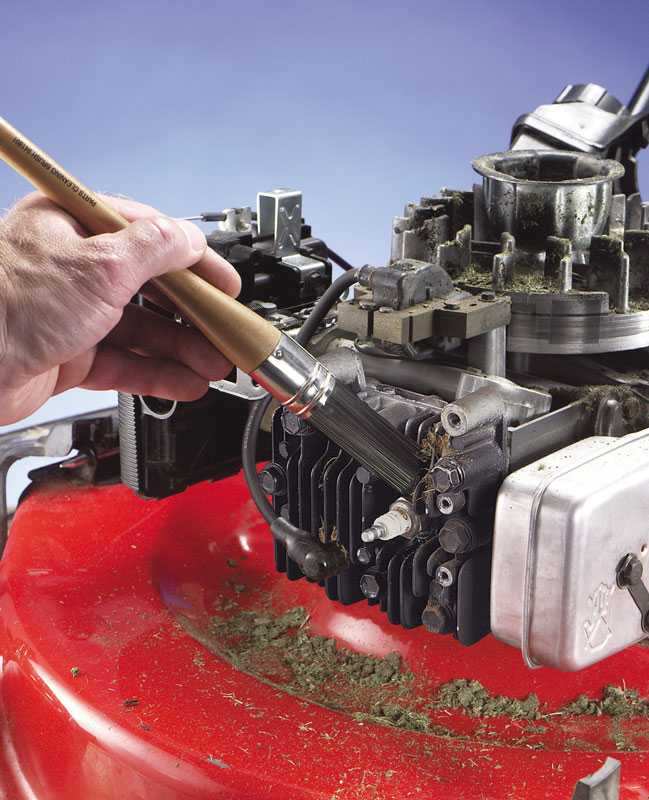
To clean a lawn mower engine effectively, start by disconnecting the spark plug, then use a brush and compressed air to remove debris, followed by wiping down with a damp cloth. Apply engine degreaser if necessary, and ensure all parts are dry before reassembling. Regular cleaning keeps your mower running smoothly and extends its lifespan.
Cleaning your lawn mower engine is easier than you think and can significantly boost its performance. A quick wipe-down and removal of built-up grime prevent overheating and mechanical issues, especially during heavy mowing seasons. With minimal effort, you can keep your mower in top shape and avoid costly repairs down the line. Now, let’s walk through simple steps to give your lawn mower engine a thorough cleaning, helping you maintain a healthy, efficient yard tool throughout the year.

How to Clean Lawn Mower Engine
Understanding Why Cleaning Your Lawn Mower Engine Matters
Regularly cleaning your lawn mower engine is essential for maintaining its performance and longevity. Dirt, grass clippings, and debris can accumulate on various parts, causing the engine to work harder and possibly overheat. Keeping the engine clean helps prevent breakdowns and ensures your mower runs smoothly year after year.
Gathering the Right Tools and Supplies
Before starting, gather all necessary tools to make the cleaning process easier and safer. You will need:
- Protective gloves
- Safety goggles
- Screwdrivers (flat and Phillips)
- Wrench set
- Brush or wire scrubber
- Compressed air or a blower
- Garden hose with spray nozzle
- Engine degreaser or biodegradable cleaning solution
- Rags or microfiber cloths
- Oil for lubrication (if recommended)
Having these tools ready will make the cleaning process safer and more efficient.
Preparing Your Lawn Mower for Cleaning
Start by turning off the mower and disconnecting the spark plug wire to prevent accidental starting. Let the engine cool down completely if it was recently used. Next, remove any grass clippings or debris from the mower deck and around the engine using a brush or a blower. This step helps prevent clogging and makes the actual cleaning more effective.
Cleaning the Exterior of the Engine
Use compressed air or a blower to remove loose dirt and grass from the engine surface carefully. Avoid using high-pressure water directly on the engine to prevent water from entering sensitive parts. Apply a degreaser or cleaning spray to areas with built-up grease or grime, then use a brush to scrub gently. Wipe the engine clean with a damp cloth afterward.
Cleaning the Cooling Fins and Vents
Cooling fins and air vents are critical for engine cooling. Use compressed air or a small brush to clean out these areas thoroughly. Remove any accumulated dirt or debris that could block airflow, which might cause the engine to overheat. Regular cleaning here helps maintain optimal engine temperature during operation.
Cleaning the Carburetor and Air Filter
A clean carburetor ensures proper fuel flow and engine performance. Remove the air filter and check it for dirt or damage. Wash or replace the filter as needed. Spray carburetor cleaner into the carburetor’s throat and jets, then reassemble once dry. Keeping these parts clean ensures smooth engine operation and reduces fuel consumption.
Cleaning the Spark Plug
Remove the spark plug using a wrench and inspect its condition. Clean any carbon deposits with a wire brush. Check the electrode gap and adjust if necessary according to the manufacturer’s specifications. A clean, properly gapped spark plug improves spark efficiency and fuel combustion.
Checking Fuel System and Drainage
Inspect the fuel lines and tank for signs of leaks or debris. If you notice old or contaminated fuel, drain the tank and replace the fuel with fresh gasoline. Clean the fuel filter if accessible. Ensuring a clean fuel system prevents engine misfires and poor performance.
Lubricating Moving Parts
Lubricate components such as pivot points, wheels, and blades according to your mower’s manual. Use the recommended oil or lubricant for these parts. Proper lubrication reduces wear and helps parts move smoothly, reducing engine strain.
Final Inspection and Testing
Once the cleaning is complete, reassemble all parts securely. Reconnect the spark plug wire and start the mower to test its performance. Listen for any unusual sounds and watch for overheating indicators. Regularly testing ensures your engine operates effectively after cleaning.
Additional Tips for Maintenance and Longevity
– Clean your mower after each use to prevent buildup.
– Schedule thorough engine cleaning every season or after extensive use.
– Store your mower in a dry, sheltered place to protect it from weather damage.
– Follow the manufacturer’s instructions for specific cleaning and maintenance procedures.
– Consider scheduling professional servicing for complex issues or deep cleaning.
Related Topics to Consider
- How often should you perform lawn mower maintenance?
- Signs that your lawn mower engine needs professional repair
- Tips for winterizing your lawn mower
- Choosing the right fuel and oil for your mower
Squeaky Clean Lawn Mower Engine // How-to make your mower engine sparkle and shine!
Frequently Asked Questions
What are the initial steps to prepare for cleaning a lawn mower engine?
Before cleaning your lawn mower engine, ensure the mower is turned off and cooled down to prevent burns or injuries. Disconnect the spark plug wire to avoid accidental starting. Remove any debris, grass clippings, or dirt from the exterior of the engine with a brush or cloth. If your model allows, drain or loosen the oil to prevent contamination during cleaning. Gather cleaning supplies like degreaser, a soft brush, and water to facilitate the cleaning process.
How can I safely remove built-up grease and grime from the engine?
Spray a degreasing solution onto the engine surfaces, focusing on areas with heavy grime. Let the degreaser sit for a few minutes to loosen dirt and grease. Use a soft brush or cloth to scrub the engine gently, paying attention to corners and hard-to-reach spots. Avoid spraying water directly into sensitive components like the carburetor or air filter. Rinse the engine carefully with a low-pressure water stream or damp cloth to remove residual debris. Dry the engine thoroughly with a clean cloth to prevent rust.
What maintenance should I perform after cleaning the engine?
Once the engine dries, check the oil level and quality, topping it up if necessary. Inspect the air filter; replace or clean it if it appears dirty or clogged. Reattach the spark plug wire securely. Consider applying a light coat of engine oil or protectant to metal parts to prevent rust. Finally, restart the mower to ensure it runs smoothly and listen for any unusual noises that might indicate a problem. Regular checks and maintenance keep your engine running efficiently.
Final Thoughts
To clean lawn mower engine effectively, start by disconnecting the spark plug for safety. Remove debris and grass clippings from the cooling fins and around the engine. Use a brush and compressed air to clean hard-to-reach areas. Finally, check oil levels and replace if necessary to ensure proper engine function.
Knowing how to clean lawn mower engine helps prolong its lifespan and improves performance. Regular cleaning prevents build-up that can cause overheating and damage. Follow these simple steps to maintain a clean, efficient engine.