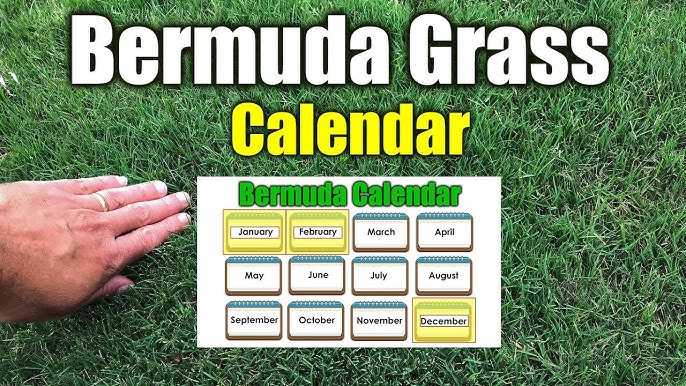
For lush, vibrant Bermuda grass, the right fertilizer is essential. The best approach is to use a balanced fertilizer with nitrogen that promotes healthy growth and vibrant green color, applied at the right times during the growing season. Proper fertilization not only enhances the appearance of your lawn but also boosts its resilience against drought and pests.
In short, a nitrogen-rich fertilizer applied in spring and summer will give your Bermuda grass the boost it needs. Timing and proper application are key to maintaining a thick, green lawn throughout the season.
If you’re wondering how to keep your Bermuda grass healthy and thriving, choosing the right fertilizer is a game changer. Many homeowners struggle with dull or patchy grass because they don’t provide enough nutrients or apply fertilizer improperly. The secret to a beautiful Bermuda lawn lies in understanding its nutrient needs—especially nitrogen—and applying it correctly. This article will guide you through selecting the best fertilizer for Bermuda grass, when to apply it, and tips for achieving that picture-perfect lawn you’ve always wanted.

Fertilizer for Bermuda Grass: A Complete Guide to Healthy, Green Lawns
Understanding Bermuda Grass and Its Fertilizer Needs
Bermuda grass is a popular warm-season turfgrass that thrives in hot climates. It is known for its durability, dense growth, and bright green color. To keep Bermuda grass lush and healthy, proper fertilization is essential. Fertilizer supplies the necessary nutrients that promote vigorous growth and vibrant turf.
Bermuda grass requires a specific nutrient balance to flourish. Without adequate fertilization, it can become thin, patchy, or prone to pests and diseases. The right fertilizer encourages strong roots, dense coverage, and a lush color. This means understanding which nutrients are vital and how to apply them correctly.
Nutrient Requirements of Bermuda Grass
Every healthy Bermuda lawn benefits from three primary nutrients: nitrogen, phosphorus, and potassium.
- Nitrogen: Promotes rapid leaf growth and a rich green color.
- Phosphorus: Supports root development and overall plant health.
- Potassium: Improves drought tolerance, disease resistance, and strengthens the plant.
While all three are important, Bermuda grass has a high demand for nitrogen during the active growing season. Understanding the right ratios and timing of fertilizer application helps in maintaining the best turf quality.
Choosing the Right Fertilizer for Bermuda Grass
Selecting the appropriate fertilizer depends on several factors, including soil type, current grass health, and local climate conditions. Fertilizers come in different forms such as granular, liquid, organic, and synthetic.
Types of Fertilizers
- Granular Fertilizer: Offers slow release of nutrients, ideal for steady growth.
- Liquid Fertilizer: Provides quick nutrients boost, perfect for quick recovery and greening.
- Organic Fertilizer: Made from natural ingredients, improves soil health over time.
- Synthetic Fertilizer: Contains precise nutrient ratios, provides rapid results.
Opt for fertilizers with a nitrogen-phosphorus-potassium ratio suitable for Bermuda grass, such as a 3-1-2 or 4-1-2 ratio, depending on your lawn’s needs.
Soil Testing and Fertilizer Application
Before applying fertilizer, a soil test is highly recommended. It reveals important information about pH levels and nutrient deficiencies. Most Bermuda grasses prefer a soil pH between 6.0 and 7.0.
Based on soil test results, select a fertilizer that balances the existing nutrients. For example, if the soil lacks nitrogen, choose a fertilizer with a higher nitrogen content. Regular testing helps prevent over-fertilization or nutrient imbalances.
How to Apply Fertilizer Properly
Proper application ensures nutrients are absorbed efficiently.
- Spread granular fertilizer evenly using a fertilizer spreader for uniform coverage.
- Apply liquid fertilizers with a sprayer, targeting the entire lawn during active growth.
- Water the lawn immediately after fertilizing to help nutrients penetrate the soil.
- Avoid fertilizing in extreme heat or drought conditions to prevent stress on the grass.
Timing is also crucial. Apply fertilizer during the active growing months of Bermuda grass, typically from late spring through summer and early fall.
Best Time to Fertilize Bermuda Grass
Fertilization timing impacts how well Bermuda grass responds.
Spring
Start fertilizing as soon as the grass begins greening up. This encourages strong growth for the upcoming season.
Summer
Apply fertilizer every 6 to 8 weeks during the peak growing months. Use a balanced or high-nitrogen fertilizer for vibrant green color and dense growth.
Fall
Reduce fertilizer application as growth slows. A light feeding can help the grass recover from summer stress and prepare for dormancy.
Frequency and Amount of Fertilizer
Applying the right amount of fertilizer at appropriate intervals helps maintain healthy Bermuda grass.
| Season | Frequency | Recommended Amount |
|---|---|---|
| Spring | Every 6 to 8 weeks | 1 to 1.5 pounds of nitrogen per 1000 square feet |
| Summer | Every 6 to 8 weeks | Same as spring, with attention to avoiding overfeeding |
| Fall | Once or twice | Lower amount, around 0.5 pounds of nitrogen per 1000 square feet |
Avoid over-fertilizing, which can cause thatch buildup, pest issues, and excessive growth that weakens the turf.
Organic vs. Synthetic Fertilizers for Bermuda Grass
Both types have advantages and disadvantages.
Organic Fertilizers
Organic options such as composted manure, seaweed extract, and bone meal improve soil health naturally. They release nutrients slowly, reducing the risk of over-fertilization.
Synthetic Fertilizers
Synthetic fertilizers deliver precise nutrient ratios, offering quick results and ideal for quick recovery from damage. However, they can lead to soil depletion if overused.
Common Fertilizer Myths and Facts
Many homeowners have misconceptions about fertilizing Bermuda grass.
- Myth: More fertilizer makes the grass greener faster.
- Fact: Excess fertilizer can harm the grass, cause pests, and pollute the environment.
- Myth: Fertilizer is only needed if the grass looks pale.
- Fact: Regular fertilization helps maintain health and prevents deficiencies.
Understanding these facts helps in making smarter fertilization choices.
Additional Tips for Fertilizing Bermuda Grass
Proper care extends beyond just applying fertilizer.
- Moisten the soil before fertilizing to improve nutrient absorption.
- Follow manufacturer instructions for application rates.
- Wear protective gear when handling chemical fertilizers for safety.
- Maintain consistent mowing and watering routines to complement fertilization efforts.
Monitoring lawn health regularly ensures you adjust fertilization practices as needed.
Related Topics
Adding to fertilizer knowledge, consider the following topics:
Irrigation Techniques for Bermuda Grass
Proper watering enhances fertilizer effectiveness. Bermuda grass prefers deep, infrequent watering to encourage deep roots.
Pest and Disease Management
A well-fertilized lawn is more resistant to pests and diseases. Keep an eye out for common issues like chinch bugs or dollar spot.
Overseeding and Lawn Renovation
Fertilizer plays a role in renovating and overseeding Bermuda lawns, helping establish new grass quickly.
Soil Amendments for Better Fertilization
Amending soil with lime or sulfur can adjust pH levels, optimizing fertilizer efficiency.
Ensuring your Bermuda grass receives the proper fertilizer at the right times, in the correct amounts, and with suitable methods can transform a patchy lawn into a vibrant, inviting yard. Regular soil testing, thoughtful selection of fertilizer types, and a consistent maintenance routine lead to a healthy, lush Bermuda grass lawn you’ll enjoy all season long.
Bermuda Lawn Care – 5 Basics – For A Nice Green Lawn – Beginners Start Here!
Frequently Asked Questions
How often should I apply fertilizer to my Bermuda grass?
Applying fertilizer every 6 to 8 weeks during the growing season provides Bermuda grass with essential nutrients. In warmer months, a monthly application can promote healthy growth, while reducing frequency in cooler periods helps prevent over-fertilization. Always tailor your schedule based on local climate conditions and soil health to achieve the best results.
What type of fertilizer is best for Bermuda grass?
A nitrogen-rich fertilizer works best for Bermuda grass, encouraging dense and green turf. Look for formulations with a balanced ratio such as 3:1:2 (nitrogen-phosphorus-potassium). Slow-release fertilizers can provide steady nourishment over time, reducing the risk of runoff and overfeeding, which helps maintain a lush, healthy lawn.
When is the ideal time to fertilize Bermuda grass?
Fertilize Bermuda grass in late spring when the grass begins to actively grow and again in mid-summer for sustained growth. Avoid fertilizing during dormancy or cold weather periods, as the grass’s growth slows down and excessive fertilizer can cause damage. Timing your applications correctly ensures optimal nutrient uptake and turf health.
How can I prevent over-fertilization of my Bermuda grass?
Use a soil test kit to determine existing nutrient levels and follow application guidelines tailored to Bermuda grass. Avoid applying large amounts of fertilizer at once; instead, split doses into smaller applications throughout the season. Proper watering after fertilizing helps nutrients penetrate the soil and reduces the chance of runoff or burning the grass.
Are organic fertilizers effective for Bermuda grass?
Yes, organic fertilizers like composted manure, fish emulsion, and seaweed extracts provide essential nutrients in a natural form and improve soil health over time. They release nutrients gradually, which minimizes the risk of over-fertilization. Organic options also enhance soil microbial activity, promoting a healthy root system for Bermuda grass.
Final Thoughts
Fertilizer for bermuda grass enhances lushness and density, making your lawn thrive. Applying the right type and amount at the correct times supports healthy growth. Regular fertilization reduces weeds and improves resilience against stress.
Choosing a balanced fertilizer ensures your bermuda grass gets essential nutrients. Proper application techniques maximize results and maintain a vibrant, green lawn.
In conclusion, understanding how to use fertilizer for bermuda grass correctly leads to a beautiful, healthy yard. Consistent care keeps your grass strong and attractive all season long.