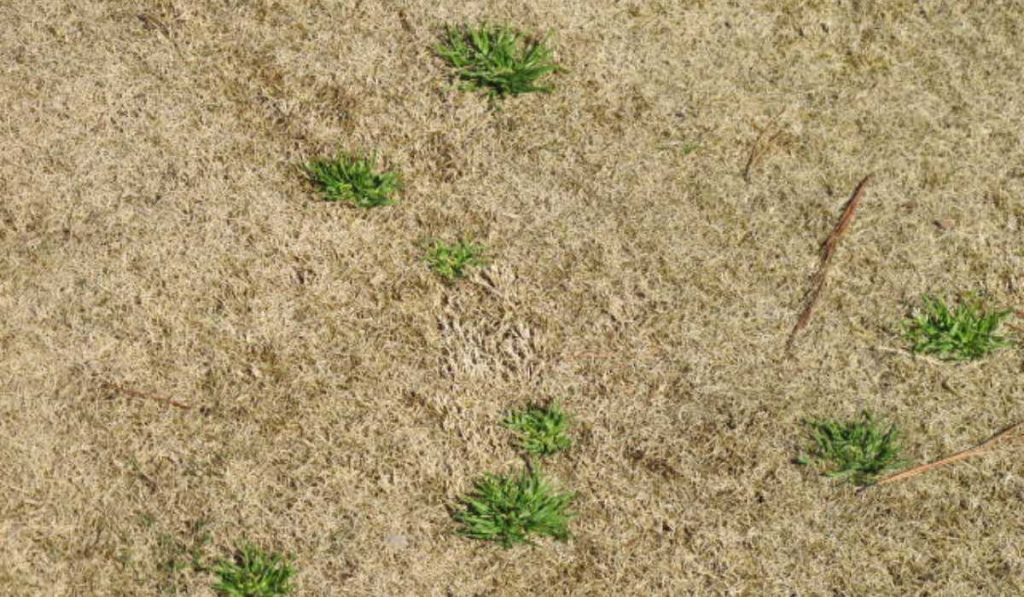
Poa annua can be a real headache for Bermuda grass enthusiasts, turning a lush, uniform lawn into a patchy, uneven surface. The key to managing this weed is early detection and targeted treatment, combined with proper lawn care practices to prevent its spread. Addressing poa annua effectively involves a mix of mechanical removal, selective herbicides, and maintaining healthy Bermuda grass to outcompete the weed.
In brief, controlling poa annua in Bermuda grass requires a proactive approach with proper cultural practices and timely herbicide application. Regular mowing, fertilization, and aeration help strengthen Bermuda grass, making it harder for poa annua to establish. When necessary, selective herbicides can be used carefully to eliminate poa annua without damaging the Bermuda grass.
Dealing with poa annua in Bermuda grass can be frustrating, but with the right strategies, you can restore your lawn’s beauty and health. This weed tends to thrive in cool, moist conditions, often appearing in low-traffic or shaded areas, which makes it a persistent challenge. By understanding its growth habits and employing a combination of cultural and chemical controls, you can keep this unwanted visitor at bay. Consistency in lawn maintenance, such as proper mowing height and watering practices, is vital, along with timely herbicide treatments, to ensure your Bermuda grass remains dense and resilient.

Poa Annua in Bermuda Grass: Understanding the Common Weed and Its Impact
Poa annua, also known as annual bluegrass, is a small, fast-growing weed that frequently appears in Bermuda grass lawns and sports fields. Its presence can be frustrating for homeowners and groundskeepers because it competes with Bermuda grass for nutrients and space. Recognizing how poa annua behaves in Bermuda grass can help you manage and control its spread effectively.
What Is Poa Annua and Why Does It Grow in Bermuda Grass?
Poa annua is a cool-season grass that thrives in various climates and soil types. It tends to flourish during the cooler months, often growing alongside Bermuda grass, which is a warm-season grass. This coexistence happens because both grasses share similar soil and light requirements, making it easy for poa annua to invade Bermuda lawns.
Although Bermuda grass is resistant to many weeds, poa annua can still find ways to establish itself. It usually enters lawns through seed dispersal, soil contamination, or equipment containing weed seeds. Its rapid seed production makes it easy for poa annua to spread quickly across Bermuda grass fields.
Characteristics of Poa Annua in Bermuda Grass
Visual Appearance and Growth Habit
- Color: Light green to bluish-green when young, turning darker with maturity.
- Leaf Structure: Fine-textured, with a flag-like leaf tip that bends back.
- Growth: Forms dense patches or carpets, especially in shaded, moist areas.
Growth Cycle
Poa annua is an annual grass, completing its life cycle within one year. It germinates in cooler months, flowers in late winter or early spring, and produces seed late in its cycle. These seeds then spread to new areas, ensuring its continued presence.
Impact of Poa Annua on Bermuda Grass Lawns and Fields
Competition for Resources
Poa annua often outcompetes Bermuda grass because it germinates faster in cooler weather and establishes quickly. It absorbs nutrients and water that Bermuda grass needs, leading to weaker turf overall.
Aesthetic Concerns
The presence of poa annua can create patchy, uneven lawns, disrupting the uniform appearance of Bermuda grass. Its lighter color and different texture stand out against the darker, coarser Bermuda.
Maintenance Challenges
When poa annua becomes established, it can complicate mowing, fertilizing, and irrigation routines. Its seed heads can interfere with a smooth, professional-looking mowing line.
How to Identify Poa Annua in Bermuda Grass
Key Identification Tips
- Seed Heads: Poa annua produces distinctive seed heads that look like tiny umbrellas, rising above the grass blades.
- Leaf Tips: The leaf blade has a pointed tip that bends backward, giving a characteristic “bent” look.
- Color Variance: Look for lighter patches that contrast with the darker Bermuda turf.
Common Confusions
Sometimes, poa annua looks similar to Bermuda grass seedheads or other weeds. However, its seed head shape and growth habit are unique clues that help confirm its identity.
Control Methods for Poa Annua in Bermuda Grass
Prevention Strategies
- Proper Lawn Care: Mowing at the correct height (about 1.5 to 2 inches for Bermuda) reduces poa annua germination.
- Soil Management: Ensure good drainage and proper fertilization to promote healthy Bermuda grass growth, making it less inviting for weeds.
- Seed Selection: Use Bermuda grass varieties that establish quickly and outcompete poa annua.
Effective Chemical Control
Herbicides containing mesotrione or ethofumesate are often recommended for poa annua control. Always follow label instructions for application timing and dosage to maximize effectiveness and protect Bermuda grass.
Mechanical Control Techniques
Manual removal, especially in small patches, can help reduce poa annua presence. Use hand tools to carefully lift weeds without damaging Bermuda grass roots.
Best Practices for Managing Poa Annua During Different Seasons
Winter and Spring
Poaceae tends to germinate and grow rapidly in cooler months. Focus on improving Bermuda grass health and applying pre-emergent herbicides to prevent seed germination.
Summer and Fall
As temperatures rise, poa annua’s growth slows down. During this period, focus on cultural practices like aerating and overseeding to strengthen Bermuda grass and reduce weeds.
Additional Tips for Maintaining a Healthy Bermuda Grass Lawn
- Regular Mowing: Maintain optimal height for Bermuda to shade soil and inhibit poa annua seedling development.
- Consistent Watering: Water deeply but infrequently to encourage deep Bermuda root growth and discourage weed invasion.
- Proper Fertilization: Use balanced fertilizers to promote dense Bermuda turf that resists weeds.
Related Topics: Managing Other Lawn Weeds and Common Lawn Problems
Identifying and Controlling Other Intrusive Weeds
- Crabgrass
- Dallisgrass
- Ryegrass
Addressing Soil Issues and Turf Disease
Maintaining soil health plays a key role in weed management and overall lawn quality. Regular soil testing and appropriate amendments can improve Bermuda grass resilience.
Summary of Key Data and Management Tips
| Aspect | Details |
|---|---|
| Best Mowing Height | 1.5 to 2 inches |
| Ideal Watering Schedule | Deep watering twice a week |
| Fertilizer Application | Balanced nitrogen-phosphorus-potassium (NPK) as per soil test results |
| Herbicide Options | Mesotrione, Ethofumesate, or pre-emergent herbicides |
| Seasonal Focus | Prevent seed germination in winter, strengthen turf in summer |
Managing poa annua in Bermuda grass takes consistent effort and good cultural practices. By understanding its growth habits and applying proper control methods, you can keep your lawn healthy and weed-free throughout the year.
Poa Annua in Bermuda Lawn
Frequently Asked Questions
What are the common signs that poa annua is taking over Bermuda grass?
Poa annua often appears as patches of fine, lighter green grass that contrasts with the darker, coarser Bermuda grass. It tends to grow quickly and can form dense clusters, especially in areas with frequent irrigation or shade. You may notice a change in the grass texture, with poa annua feeling softer and more delicate. It also produces seed heads prematurely, which can be a clear sign of its presence.
Which cultural practices can help control poa annua in Bermuda grass lawns?
Maintaining a healthy Bermuda grass lawn involves proper mowing, fertilization, and irrigation. Mow at the recommended height to promote deep root growth and reduce poa annua’s ability to establish. Fertilize appropriately to strengthen Bermuda grass, making it more competitive against poa annua. Avoid overwatering, as excessive moisture favors poa annua growth. Additionally, aerate the soil periodically to improve its structure and prevent poa annua from taking hold in compacted areas.
Are there effective herbicides to manage poa annua in Bermuda grass without harming the turf?
Yes, specific herbicides target poa annua while remaining safe for Bermuda grass when applied correctly. Post-emergent herbicides containing active ingredients like fenoxaprop or fluazifop can selectively control poa annua. Always follow the product label instructions and apply during the appropriate growth stages. It is best to apply herbicides when poa annua is actively growing but before seed head production becomes extensive. Combining herbicide use with cultural practices enhances overall control efforts.
Final Thoughts
Poa annua in bermuda grass poses a common challenge for lawn care enthusiasts. Its presence can disrupt the uniformity and health of your turf. Proper identification and timely treatment help maintain a healthy, dense lawn. Regular monitoring and appropriate herbicides are essential for control.
Addressing poa annua in bermuda grass requires consistent effort and informed decisions. Staying vigilant ensures your lawn remains lush and weed-free. Through targeted strategies, you can effectively manage this weed and preserve the beauty of your turf.