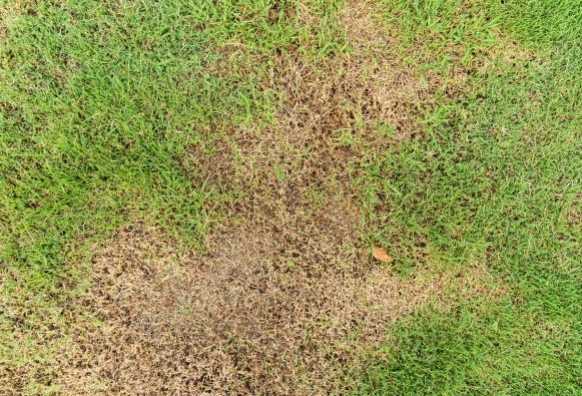
If your Bermuda grass is turning brown, don’t panic—it’s often a sign of stress rather than permanent damage. The quick fix involves identifying the underlying cause—whether it’s watering issues, pests, or soil problems—and addressing it promptly to revive your lawn. Regular watering, proper fertilization, and pest control can restore its lush green appearance in no time.
Bermuda grass turning brown can be caused by drought, overwatering, thatch buildup, pests, or disease. To restore its vibrant color, you need to diagnose the root problem and apply targeted solutions such as adjusting watering habits, aerating the soil, or treating pests. With proper care and attention, your lawn can bounce back healthier than ever.
Bermuda grass is a popular choice for lawns thanks to its durability and heat tolerance, but it can sometimes turn brown unexpectedly. This can happen during drought periods, when the grass is stressed from lack of water, or due to overwatering, which leads to root rot. Other culprits include pest infestations or fungal diseases that attack the grass. Recognizing the specific cause is crucial to reversing the browning and maintaining a lush, green lawn. With proper watering techniques, fertilization, aeration, and pest management, you can bring your Bermuda grass back to life and enjoy a beautiful, vibrant yard all season long.

Bermuda Grass Brown: Causes, Solutions, and Prevention
Understanding Why Bermuda Grass Turns Brown
Bermuda grass is a popular choice for lawns because of its durability and lush appearance. However, it often turns brown, which can frustrate homeowners and gardeners. The first step is understanding the common reasons behind this change in color.
Many factors contribute to Bermuda grass turning brown, including environmental stress, pests, disease, and improper care. Recognizing these causes helps in identifying the right solutions quickly. Brown patches can appear suddenly or develop gradually, and diagnosing the cause correctly is essential for effective treatment.
Environmental Causes of Bermuda Grass Brown
Environmental conditions play a significant role in Bermuda grass health. Extreme heat, cold, drought, or waterlogging can stress the grass, making it turn brown. During hot summer months, a lack of water can dry out the grass blades, leading to brown patches.
Similarly, cold weather can cause dormancy, making the grass turn brown temporarily. Excessive rain or poor drainage can lead to waterlogged soil, depriving roots of oxygen and causing browning. It’s vital to monitor weather conditions and adjust care routines accordingly.
Heat Stress and Drought
Bermuda grass thrives in warm climates but can suffer from extreme heat. During drought periods, the grass conserves water by going dormant, which appears as brown patches. Regular watering can prevent this, keeping the grass vibrant.
Deep watering once or twice a week encourages strong root growth and helps the grass withstand heat. Avoid frequent shallow watering, which encourages weak roots and makes the grass more susceptible to browning.
Cold Temperatures and Dormancy
In cooler months, Bermuda grass naturally goes into dormancy to survive winter. During this time, it turns brown or straw-colored but remains healthy underground. Once warm weather returns, the grass will green up again.
To protect Bermuda grass during cold spells, avoid heavy foot traffic on dormant grass and consider protective covers if frost is expected. Proper winter care ensures the grass recovers quickly in spring.
Common Pests and Diseases Causing Brown Patches
Pests and diseases are often hidden culprits behind brown Bermuda grass. Identifying these problems quickly can prevent further damage and restore your lawn’s health.
Some pests like grubs, armyworms, and chinch bugs feed on grass roots or blades, leading to brown patches. Diseases such as dollar spot, brown patch, or leaf spot also cause discoloration and deterioration.
Identifying Pest Infestation
Look for signs such as wilting, yellowing, or irregular brown patches. Inspect the soil and blades closely for pests or their larvae. Use appropriate insecticides or natural remedies to control infestations promptly.
Regular lawn checks help catch pest problems early. Applying beneficial nematodes or organic pest controls can reduce pest populations without harming the environment.
Managing Fungal Diseases
Fungal diseases thrive in damp, humid conditions. To prevent or treat diseases like brown patch, improve air circulation and avoid overwatering. Using fungicides specifically formulated for lawn diseases can help control outbreaks.
Practicing proper mowing height and removing thatch buildup also reduces disease risk. Always water early in the day to allow excess moisture to evaporate.
Soil and Nutritional Deficiencies
Healthy Bermuda grass needs proper nutrients and balanced soil. Nutritional deficiencies can weaken the grass, making it more prone to turning brown.
A soil test can reveal any imbalances in pH or nutrient levels. Common deficiencies include nitrogen, potassium, and iron, which are vital for vigorous growth and color.
Fertilization Tips
Applying a balanced fertilizer tailored for Bermuda grass promotes healthy growth. Focus on nitrogen-rich fertilizers during the active growing season to encourage lush, green turf.
Follow recommended application rates and timing to avoid over-fertilization, which can lead to thatch buildup or disease.
Improving Soil Health
Aeration helps improve soil drainage and root access to nutrients. Organic matter like compost can enhance soil structure and fertility. Regular soil testing guides precise amendments, leading to a healthier lawn.
Proper Lawn Maintenance for a Green Bermuda Grass
Consistent care is essential for preventing and reversing browning of Bermuda grass. Proper mowing, watering, fertilizing, and aerating create an environment where grass can thrive.
Mow at a height of around 1.5 to 2 inches to promote strong root systems and shade out weeds. Water deeply but infrequently to encourage deep root growth.
Use a lawn rake or dethatcher to remove excess thatch, allowing nutrients and water to reach the roots. Regularly overseed thin patches to maintain uniformity and prevent brown spots.
Restoring Brown Bermuda Grass
Once you identify the cause, take specific steps to recover your lawn. Adjust watering schedules, apply appropriate fertilizers, and treat pests or diseases as needed.
Overseeding bare or brown patches with Bermuda grass seed can speed up recovery. Keep the soil moist until the new grass establishes firmly.
Severely damaged areas may require patching or sod replacement. Patience and consistent care will gradually bring back a lush, green lawn.
Preventative Measures to Keep Bermuda Grass Green
Prevention is better than cure. Implementing good lawn care practices reduces the chances of brown patches appearing unexpectedly.
Establish a regular schedule for fertilization, watering, and mowing. Maintaining proper drainage and soil health also prevent environmental stresses.
Additionally, avoid excessive foot traffic, which can compact soil and damage roots. Using organic lawn products minimizes chemical buildup and supports long-term grass health.
Related Topics: Tips for Healthy Bermuda Grass
- Choosing the right fertilizer for Bermuda grass
- Best mowing practices for a dense lawn
- Watering techniques to prevent brown patches
- Seasonal lawn care calendar for Bermuda grass
- Natural pest control methods for turf protection
Maintaining Bermuda grass requires attentive care and understanding of its needs. By addressing the causes of browning and applying proper practices, you can keep your lawn looking green and healthy all year round.
Why your Bermuda Grass turns brown after you cut it // Browning Lawn after mowing
Frequently Asked Questions
What causes Bermuda grass to turn brown during the summer?
Several factors can cause Bermuda grass to turn brown in the summer. High temperatures increase evaporation, leading to drought stress if the grass doesn’t receive enough water. Excessive direct sunlight can scorch the grass, especially if it isn’t accustomed to intense sun exposure. Poor soil drainage may lead to root rot or other issues that hinder grass health. Additionally, nutrient deficiencies, such as lack of nitrogen, can cause browning, as well as damage from pests or diseases that weaken the turf.
How can I revive brown Bermuda grass caused by drought?
To revive Bermuda grass affected by drought, start by thoroughly watering the lawn to ensure deep moisture reaches the roots. Water early in the morning or late in the evening to minimize evaporation. Avoid overwatering, which can lead to other problems like fungal growth. Improve soil health by aerating and adding organic matter if necessary. Consider applying a balanced fertilizer to promote healthy growth, and monitor for pests or diseases that may worsen stress. Regular watering and proper nutrition help Bermuda grass recover and regain its green color.
What are effective methods to prevent Bermuda grass from turning brown in the first place?
Preventative measures include establishing a consistent watering schedule that keeps the soil evenly moist but not waterlogged. Maintain proper mowing height to reduce stress on the grass and encourage deep root growth. Fertilize appropriately based on soil tests to provide essential nutrients, especially nitrogen. Aerate the soil periodically to improve airflow and water penetration. Additionally, managing pests and disease effectively and planting Bermuda grass varieties adapted to your climate can help reduce the risk of browning and keep your lawn healthy.
Final Thoughts
Bermuda grass brown is a common issue that signals underlying problems like drought, poor soil, or disease. Addressing these causes quickly can restore your lawn’s health. Proper watering, fertilization, and pest control are essential steps to revive the grass.
In summary, understanding the root cause of ‘bermuda grass brown’ helps in applying effective solutions. Taking prompt action ensures a lush, green lawn. Keep these tips in mind to maintain a vibrant Bermuda grass throughout the season.