Composting grass clippings at home is a simple and eco-friendly way to enrich your garden soil while reducing waste. Just turn your grass cuttings into nutrient-rich compost that can boost plant growth and help you maintain a greener yard. The key is to balance moisture, aeration, and nitrogen levels for efficient decomposition.
To quickly compost grass clippings, chop them into smaller pieces, mix them with dry leaves or straw, and keep the pile moist but not soaked. Regularly turn the pile to add oxygen and speed up the process. With these straightforward tips, you’ll turn your lawn waste into black gold for your garden in no time!
Starting to compost grass clippings can be an easy and rewarding way to make use of yard waste while supporting healthy plant growth. Grass clippings are rich in nitrogen, a vital component for composting, but they can mat together if left too thick, leading to slow decomposition and unpleasant odors. To make the most of your grass waste, it’s important to chop the clippings into smaller pieces, mix them with brown materials like dry leaves or shredded paper, and keep the pile well-aerated and moist. Regular turning helps oxygen circulate, speeding up the composting process. By following these tips, you’ll create a nutrient-packed compost that benefits your garden and reduces waste.

Tips to Compost Grass Clippings at Home
Understanding the Benefits of Composting Grass Clippings
Composting grass clippings is a simple way to turn yard waste into valuable compost for your garden. Grass clippings are rich in nitrogen, which helps plants grow strong and healthy. When properly composted, they reduce waste and create nutrient-rich soil that improves plant health.
How to Start Composting Grass Clippings
To begin, gather your grass clippings from mowing your lawn. Make sure the clippings are free of chemicals or weed seeds to prevent contamination of your compost. Start with a balanced mix of green materials like grass and brown materials such as leaves or straw to maintain healthy composting.
Creating the Perfect Compost Bin or Pile
Choose a compost bin that allows for good airflow or build a simple compost heap in your yard. The bin should be accessible, well-drained, and positioned in a partly shaded area to prevent excessive drying or overheating. Use a combination of green and brown materials for optimal decomposition.
Proper Layering and Mixing Techniques
Layer grass clippings with other compost materials to promote even breakdown. Place a layer of brown materials like leaves or shredded paper beneath or between green grass layers. Turn the pile every few weeks to aerate and mix the materials, which encourages faster composting and prevents odors.
How to Layer for Successful Composting
Start with a layer of coarse brown materials, then add a layer of grass clippings. Repeat this process, maintaining a ratio of approximately three parts brown to one part green materials. This balance helps maintain the right moisture and nutrient levels for compost.
Ensuring Proper Aeration
Aeration is vital for compost health. Use a pitchfork or compost turner to mix the pile regularly, at least once every two to three weeks. Proper aeration provides oxygen to microorganisms that break down organic matter, speeding up composting and reducing odors.
Managing Moisture Levels
Keep your compost moist but not soaked. If the pile feels dry, add water while turning to ensure the materials stay damp. Covering the compost with a tarp can help retain moisture during dry periods without making the pile waterlogged.
Controlling Odors and Pests
A well-maintained compost pile shouldn’t smell bad. If you notice odors, mix the pile more often or add brown materials to balance excess green. Avoid adding meat, dairy, or oily substances that attract pests and create odors.
Monitoring and Timing
Regularly check the temperature of your compost to ensure it stays between 135°F and 160°F. High heat speeds up decomposition and kills weed seeds and pathogens. Composting typically takes around three to six months, depending on the materials and conditions.
Using Grass Clippings Effectively in Your Compost
Chop or mow grass into smaller pieces before adding them to your compost. Smaller pieces decompose more quickly and evenly. Spread grass clippings in thin layers to prevent matting and promote airflow.
Incorporating Other Green and Brown Materials
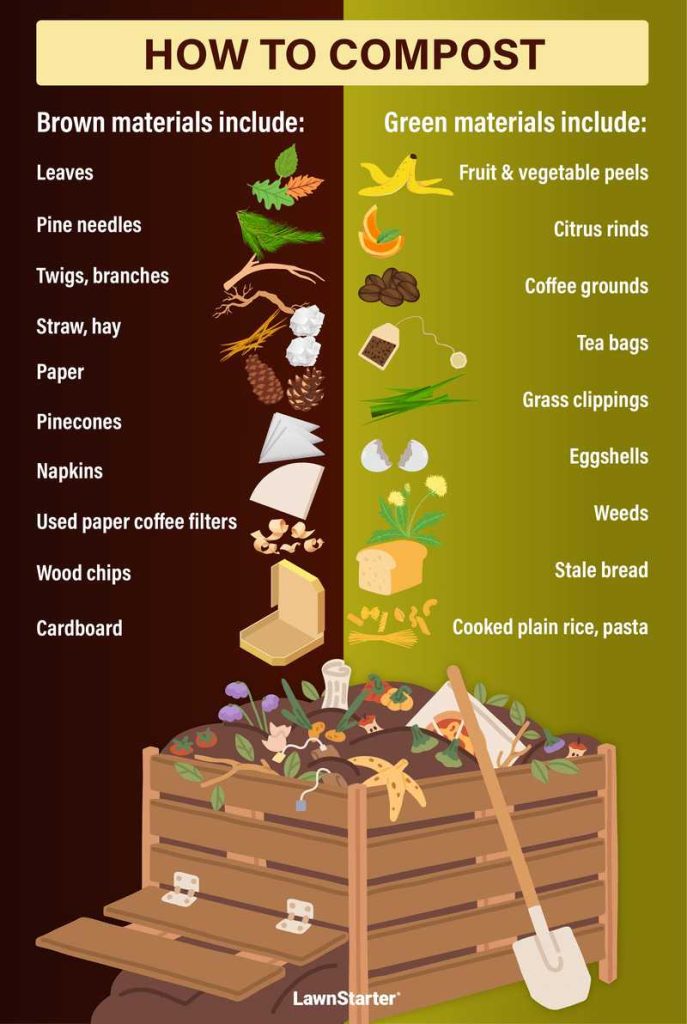
Balance your compost by adding various green materials like vegetable scraps or coffee grounds, along with brown materials such as straw or shredded cardboard. This diversity enhances microbial activity and speeds up composting.
Common Materials to Add and Avoid
- Adding: Leaves, straw, shredded paper, vegetable scraps, coffee grounds
- Avoiding: Meat, dairy, oily foods, pet waste, invasive weed seeds
Using Finished Compost in Your Garden
When compost is dark and crumbly with an earthy smell, it’s ready. Mix it into your garden beds or topdress lawns to improve soil structure and provide essential nutrients. Well-made compost enhances water retention and encourages healthy root growth.
troubleshooting Common Composting Issues
If your compost isn’t heating up, it might need more green materials or moisture. If it smells bad, turn it more frequently and add brown materials. Adjust the moisture and aeration until the compost conditions improve.
Additional Tips for Successful Grass Clipping Composting
- Chop grass into smaller pieces to speed up decay
- Maintain a ratio of three parts brown to one part green materials
- Aim for a moisture level similar to a damp sponge
- Turn the compost pile regularly to aerate and mix materials
- Place your compost in a shaded spot to prevent drying out or overheating
Related Topics
Composting Other Yard Waste
Adding leaves, twigs, and vegetable scraps can diversify your compost and boost its nutrient content. Layering these materials correctly promotes faster decomposition and healthier soil.
Creating a Compost Tea
Steeping finished compost in water creates a liquid fertilizer known as compost tea. It provides plants with nutrients and beneficial microbes directly to their roots.
Compost Bins vs. Compost Piles
Choosing between a compost bin and a pile depends on space and aesthetic preferences. Bins help contain materials and keep pests away, while piles are easier to build and manage for larger quantities.
Composting grass clippings at home is a rewarding activity that transforms yard waste into soil nourishment. With proper layering, moisture control, and regular turning, you can create rich compost that benefits your garden and reduces waste. Following these tips ensures your composting process is efficient, odor-free, and successful.
How to make Compost – The Simplest Easy Method To Compost Piles!
Frequently Asked Questions
How can I ensure proper airflow when composting grass clippings?
To promote proper airflow, chop grass clippings into smaller pieces before adding them to your compost pile. Avoid piling grass too thickly, and turn or aerate the pile regularly to prevent compaction. Using a compost bin with ventilation or creating a hole system can also help maintain good oxygen levels, which speeds up decomposition and reduces odors.
What is the ideal moisture level for composting grass clippings?
Maintain the compost’s moisture level similar to a damp sponge. If the pile feels too dry, add water to keep it moist; if it’s too wet, turn the pile and add dry materials like leaves or straw to absorb excess moisture. Proper moisture encourages microbial activity, ensuring healthy and quick composting processes.
Can I mix grass clippings with other compost materials, and what are good options?
Yes, mixing grass clippings with other materials improves compost quality. Add carbon-rich materials such as dried leaves, straw, or shredded paper to balance the nitrogen in grass clippings. This combination prevents the compost from becoming too wet or smelly and fosters a healthy decomposition environment.
How often should I turn my compost pile containing grass clippings?
Turn your compost pile every 1 to 2 weeks to introduce oxygen, which accelerates decomposition and prevents unpleasant odors. Regular turning evenly distributes moisture and microbes throughout the pile, ensuring the grass clippings break down efficiently.
Are there any tips to minimize odor when composting fresh grass clippings?
To reduce odors, balance green materials like grass clippings with brown materials such as dry leaves or shredded paper. Avoid piling too much fresh grass at once, and turn the pile frequently to aerate it. Proper moisture levels and good airflow also help maintain a pleasant composting environment.
Final Thoughts
Tips to compost grass clippings at home are straightforward. Keep grass clippings in thin layers to promote air circulation. Mix them regularly with other organic waste to balance nitrogen and carbon. Maintain moisture and turn the pile to prevent odor and encourage decomposition. Following these simple steps ensures effective composting and enriches your garden soil naturally.