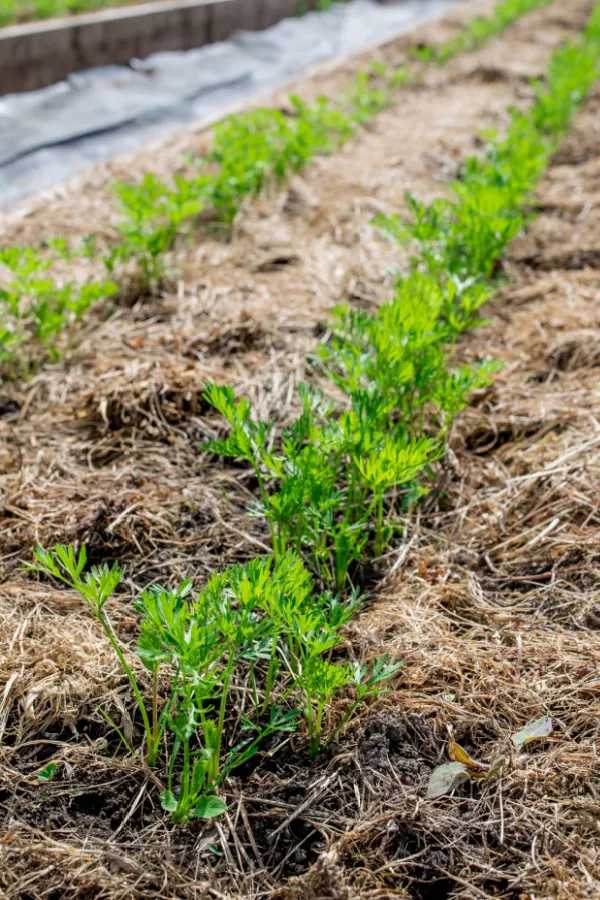
To turn your lawn clippings into an effective natural mulch, simply spread them evenly over your garden beds and let them break down naturally. This helps retain moisture, suppress weeds, and enrich your soil with organic matter—all without spending extra money on commercial mulches. The trick is to use fresh clippings in thin layers or dried ones that are shredded to prevent matting, ensuring they decompose quickly and don’t cause issues like mold or odors. Using lawn clippings as mulch is an eco-friendly way to recycle yard waste and boost your garden’s health.
Recycling your lawn clippings as mulch is an easy, cost-effective way to improve your garden. You can use fresh or dried grass, spread in thin layers around plants, to help conserve water, reduce weeds, and add nutrients back into the soil. Proper application ensures your garden stays healthy and vibrant while reducing waste. It’s a simple, natural solution that benefits both your plants and the environment.

How to use lawn clippings as natural mulch
Lawn clippings are often seen as waste, but they can be a valuable resource for your garden. Using them as natural mulch helps retain soil moisture, suppress weeds, and improve soil health. It’s an eco-friendly and cost-effective way to care for your plants and garden beds.
Understanding the Benefits of Lawn Clippings as Mulch
Lawn clippings are rich in nitrogen, a key nutrient for plant growth. When used properly, they break down quickly and add organic matter to your soil. This improves soil fertility and encourages healthy root development.
Additionally, lawn clippings as mulch provide excellent weed control. They form a barrier that prevents sunlight from reaching weed seeds, reducing their growth. Mulching with grass clippings also helps conserve water by reducing evaporation from the soil surface.
Preparing Lawn Clippings for Mulching
Step 1: Mow Your Lawn Properly
To prepare lawn clippings for mulch, mow your lawn regularly and set your mower to cut grass to about 2-3 inches in height. Shorter clippings dry faster and reduce the risk of matting.
Step 2: Dry the Clippings
Spread the freshly cut grass in a thin layer on a flat surface to dry for a few hours or overnight. Moisture can cause clippings to clump together and develop an unpleasant smell.
Step 3: Avoid Using Lawn Clippings from Treated Lawns
If your lawn has been treated with herbicides, pesticides, or fertilizers, avoid using these clippings as mulch. Chemical residues can harm your garden plants and soil microbes.
Proper Application of Lawn Clippings as Mulch
Layer Thickness and Coverage
Apply a layer of lawn clippings that is about 1 to 2 inches thick. Too thick a layer can prevent water from penetrating and may cause the clippings to decompose unevenly.
Ensure even coverage over the soil, leaving a small space around plant stems or tree trunks to prevent rot and pests.
Timing Your Mulching
Ideal times to add lawn clippings are in early spring or late summer when soil moisture is adequate. Avoid mulching during wet or rainy periods to prevent compaction and mold growth.
Maintaining Your Mulch
Check your mulch regularly and add more lawn clippings when needed. Turn the mulch occasionally to aerate it and speed up decomposition.
Long-term Benefits and Soil Improvement
Over time, lawn clippings decompose and add nutrients back into the soil, reducing the need for synthetic fertilizers. They enhance soil structure, making it more fertile and better at retaining moisture.
This organic matter also attracts beneficial microorganisms and earthworms, further enriching your garden’s ecosystem.
Potential Challenges and How to Avoid Them
Dealing with Smell and Mold
Moisture is a common problem with lawn clippings. To prevent bad odors, always dry the clippings and do not pile them too thickly. Turn or fluff the mulch regularly to promote airflow.
Preventing Grass Clippings from Matting
Chopped or shredded clippings are less likely to mat and decompose evenly. Use a mulching mower or manually shred the clippings into smaller pieces for better mulching performance.
Controlling Pests and Diseases
Ensure your lawn is free from weeds or diseased grass before collecting clippings. Clean your mower blades regularly to avoid spreading pests or diseases in your garden.
Integrating Lawn Clippings with Other Mulch Materials
For better mulch performance, combine lawn clippings with other organic materials such as straw, shredded leaves, or wood chips. This mix improves drainage and reduces compaction.
Layering different mulch types also provides a more diverse environment for soil organisms and beneficial insects.
Environmental Benefits of Using Lawn Clippings as Mulch
Using grass clippings reduces yard waste sent to landfills, decreasing greenhouse gas emissions from decomposition. It also minimizes the need for commercial mulch products, saving resources and money.
This practice enhances your garden’s sustainability and supports eco-friendly gardening habits.
Tips for Successful Mulching with Lawn Clippings
- Always dry the clippings before applying them as mulch.
- Avoid placing mulched clippings directly on plant stems or tree trunks.
- Monitor the mulch regularly for excessive moisture or mold.
- Combine lawn clippings with other organic mulches for best results.
- Use lawn clippings from untreated grass to avoid chemical residues.
Summary
Using lawn clippings as natural mulch is an excellent way to recycle yard waste and benefit your garden. Proper preparation, application, and maintenance ensure that the clippings enrich the soil, suppress weeds, and retain moisture. With a little effort, you can turn what might seem like waste into a powerful gardening tool that supports a healthy, sustainable garden environment.
The Simple Right Way to Use Grass Clipping as a Garden Mulch – Conserve Water!: Two Minute TRG Tips
Frequently Asked Questions
How should I prepare lawn clippings before using them as mulch?
To prepare your lawn clippings for mulch, let them dry out for a day or two to reduce moisture content. Avoid using freshly cut grass, as it can mat together and create a slimy layer that hampers airflow and promotes mold growth. Once dried, spread the clippings evenly in a layer about 2 to 3 inches thick around plants, keeping a small gap around stems to prevent rot.
Can I mix lawn clippings with other organic mulches?
Yes, mixing lawn clippings with other organic materials like shredded leaves, straw, or wood chips creates a balanced mulch that improves soil health. Combine the clippings with these materials in a ratio of about 1:1 to help maintain moisture, reduce compaction, and provide a variety of nutrients to the soil. This mixture also encourages beneficial microbial activity.
How often should I replace or add fresh lawn clippings as mulch?
Replace or top up the mulch layer with fresh lawn clippings every 2 to 3 weeks during the growing season. Regular additions keep the mulch layer active in conserving moisture and suppressing weeds. Be sure to monitor the mulch for excessive matting or decomposition, and remove or turn the layers if they become too compacted or start to smell.
Are there any plants that do not tolerate lawn clippings as mulch?
Certain plants, such as those sensitive to excess nitrogen or prone to fungal infections, might not thrive with lawn clippings. Avoid using grass clippings around acid-loving plants like blueberries or azaleas, as fresh clippings can temporarily raise soil pH. Always check your plant’s specific needs before applying lawn clippings as mulch.
What are the benefits of using lawn clippings as natural mulch?
Using lawn clippings as mulch helps retain soil moisture, suppress weeds, and add nutrients as they decompose. It also promotes healthy soil structure and encourages beneficial organisms. Additionally, recycling your lawn waste reduces waste sent to landfills, supporting eco-friendly gardening practices.
Final Thoughts
Using lawn clippings as natural mulch offers an eco-friendly way to nourish your garden. Spread a thin layer around plants, ensuring it doesn’t compact tightly to allow airflow. This helps retain moisture and suppress weeds naturally.
Regularly replenish the mulch to maintain its effectiveness and prevent it from becoming soggy. Lawn clippings are a cost-effective, sustainable option that enriches soil over time.
In conclusion, how to use lawn clippings as natural mulch provides an easy, beneficial method to enhance garden health while reducing waste.