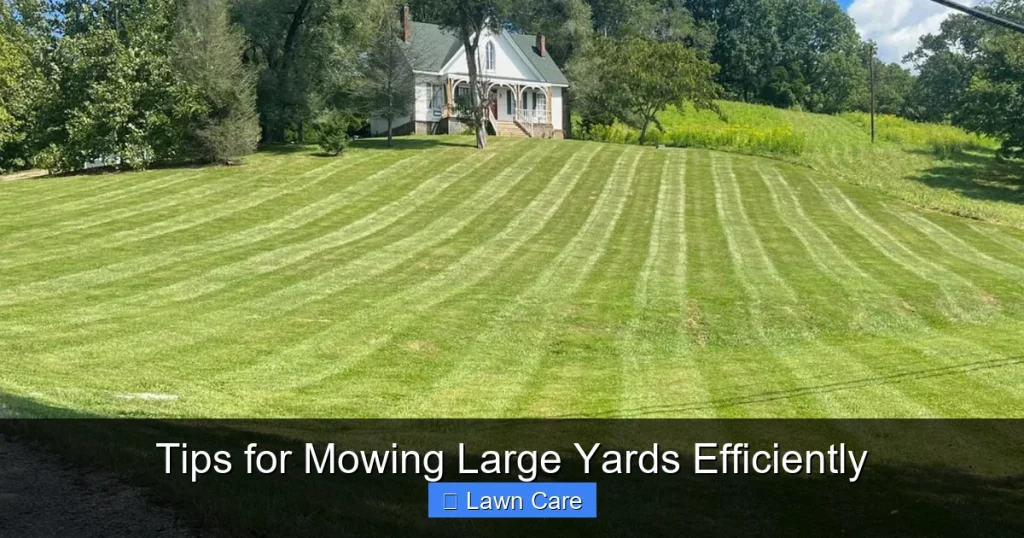
Mowing a large yard doesn’t have to feel like a full-time job. With the right tools, smart techniques, and a solid routine, you can keep your lawn looking great while saving time and energy. Start with a clear plan, use the right equipment, and stick to a consistent schedule to make every mow count.
Mowing a large yard can feel overwhelming—especially when you’re staring at acres of grass and wondering how you’ll ever get it done. But here’s the good news: with a few smart strategies, you can turn lawn care from a chore into a manageable, even enjoyable, routine. The secret isn’t just working harder—it’s working smarter. Whether you’re dealing with a sprawling suburban lot or a rural property, mastering the art of efficient mowing makes all the difference.
The first step toward success is mindset. Instead of viewing mowing as a one-and-done task, think of it as part of a larger lawn care system. A well-maintained yard starts with consistent practices—like proper watering, aeration, and mowing height—all working together. When you combine these habits, you’ll not only save time but also grow a healthier, more resilient lawn that requires less effort over time. Let’s dive into the practical tips that make mowing large yards efficient and stress-free.
Key Takeaways
- Choose the Right Mower: For large yards, self-propelled or riding mowers offer better control and reduce physical strain compared to push mowers.
- Stick to a Mowing Schedule: Mow every 5–7 days during peak growing season to maintain healthy grass without over-stressing it.
- Adjust Mowing Height: Keep grass at 3–4 inches tall to shade roots, retain moisture, and reduce weeds.
- Use Efficient Patterns: Alternate mowing directions each time to prevent soil compaction and promote even growth.
- Clear Debris First: Remove sticks, toys, and debris before mowing to protect your mower and ensure a clean cut.
- Sharpen Blades Regularly: Dull blades tear grass, leading to brown tips and increased disease risk. Aim to sharpen every 20–30 mows.
- Time It Right: Mow early morning or late afternoon to avoid heat stress and allow grass to dry before nightfall.
Quick Answers to Common Questions
How often should I mow my large yard?
During peak growing seasons (spring and summer), mow every 5 to 7 days. This keeps grass short enough to look neat but tall enough to stay healthy.
What’s the best mower for a large, flat yard?
A self-propelled mower with a wide cutting deck (42 inches or more) is ideal. It reduces effort and covers more ground quickly.
Should I mow in the same direction every time?
No. Alternate mowing directions to prevent soil compaction, promote upright growth, and give your lawn a more natural look.
Can I mow when the grass is wet?
It’s not recommended. Wet grass clogs the mower and leads to uneven cuts. If you must mow, raise the cutting height and mow slowly.
How high should I cut my grass?
Aim for 3 to 4 inches for most grass types. This height supports deep roots, shades the soil, and reduces weeds.
📑 Table of Contents
- 1. Choose the Right Mower for Your Yard Size
- 2. Develop a Smart Mowing Schedule
- 3. Set the Right Mowing Height
- 4. Use Efficient Mowing Patterns
- 5. Maintain Your Mower Like a Pro
- 6. Time Your Mowing for Maximum Efficiency
- 7. Prep Your Yard Before Mowing
- 8. Mulching vs. Bagging: Know When to Use Each
- 9. Use Technology to Save Time
- 10. Combine Mowing with Other Lawn Care Tasks
- Conclusion: Build an Efficient Mowing Routine
1. Choose the Right Mower for Your Yard Size
When it comes to mowing large yards efficiently, your mower is your most important tool. The wrong machine can turn a two-hour job into an all-day slog. For expansive lawns, consider investing in a self-propelled or riding mower. These models do most of the work for you, reducing strain and saving time.
Self-propelled mowers are ideal for flat to gently sloped yards. They automatically push forward, letting you focus on guiding rather than powering. Riding mowers, on the other hand, are perfect for very large properties—especially if you have uneven terrain or need to cover ground quickly. Look for models with wide cutting decks (42 inches or more) to reduce passes and increase efficiency.
Pro Tip: If your yard has tight spaces or obstacles, a zero-turn mower offers unmatched maneuverability. Just be sure to choose one with good stability, especially on slopes. For more guidance on handling challenging terrain, check out our guide on best mower brands for steep and hilly yards.
2. Develop a Smart Mowing Schedule
Visual guide about Tips for Mowing Large Yards Efficiently
Image source: keithstractormowing.com
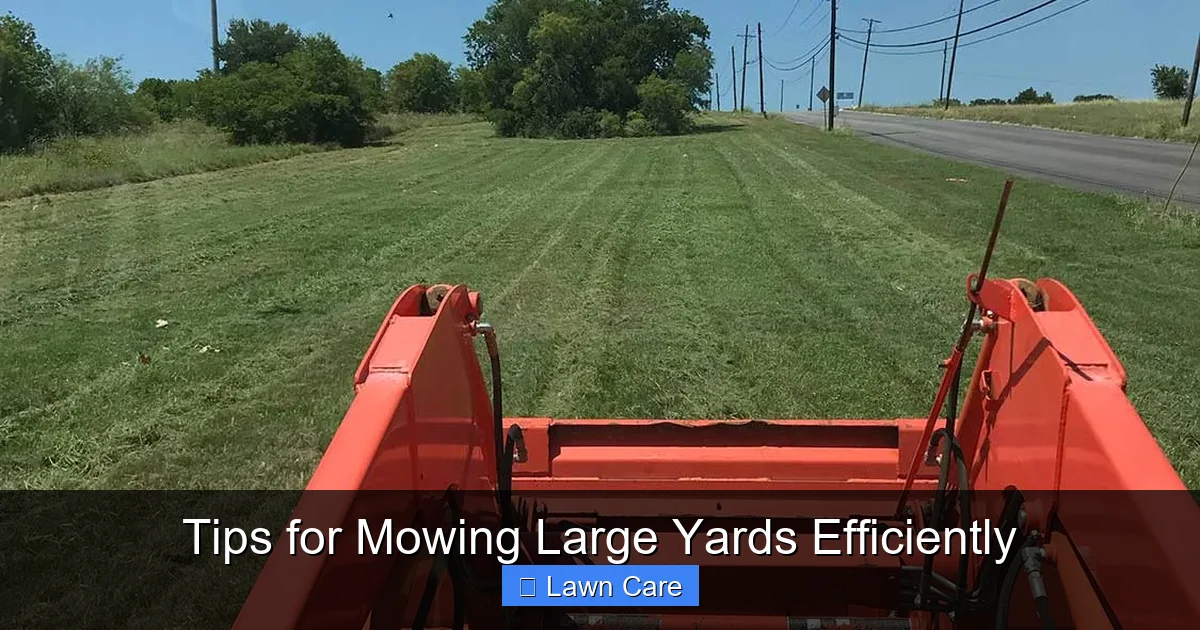
Consistency is key when mowing large yards efficiently. Grass grows at different rates depending on the season, so your schedule should adapt accordingly. During spring and summer—the peak growing seasons—aim to mow every 5 to 7 days. This prevents the grass from becoming too long and reduces stress on the lawn.
Why not mow less often? While it might seem like skipping a mow saves time, letting grass grow too tall can lead to scalping, increased weed pressure, and thatch buildup. On the flip side, mowing too frequently stresses the grass and weakens root systems. The sweet spot is short, frequent cuts that keep your lawn healthy and manageable.
Use a calendar or app to track your mowing schedule. This helps you stay on track and ensures you don’t forget a week—especially during busy times. For seasonal insights, refer to our article on what is the best mowing schedule for summer.
3. Set the Right Mowing Height
Visual guide about Tips for Mowing Large Yards Efficiently
Image source: jurassiclawncare.com
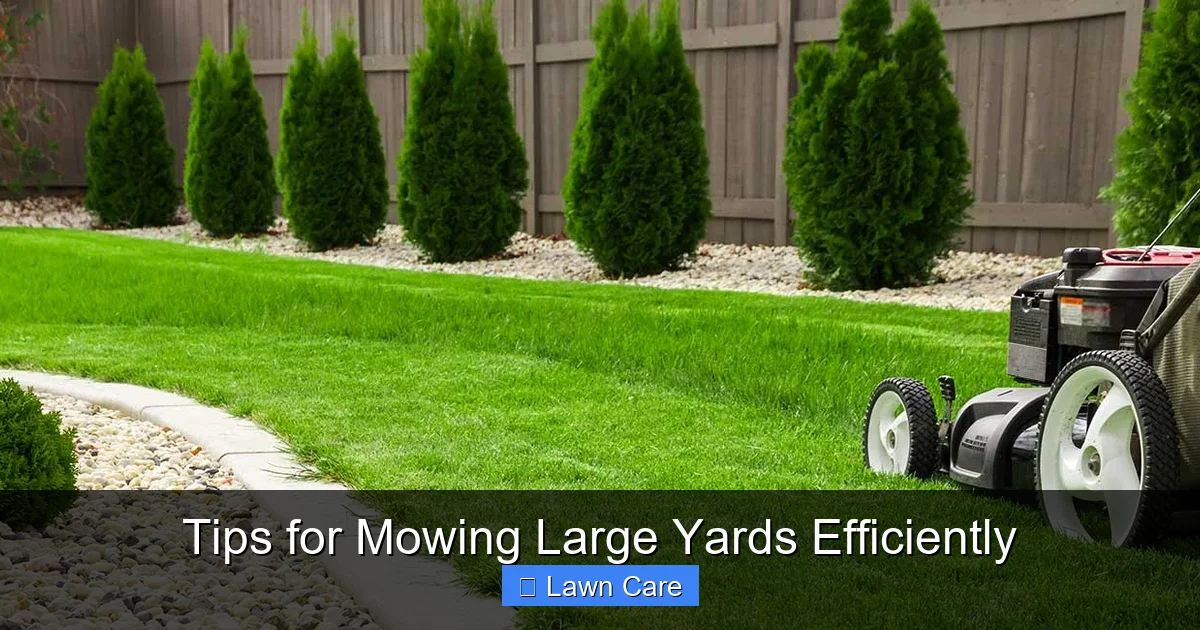
Many homeowners make the mistake of cutting grass too short—especially in summer. But shorter grass means weaker roots, less shade for soil, and more weeds. For most grass types, aim to keep your lawn between 3 and 4 inches tall. This height promotes deeper root growth and helps the grass survive drought and heat.
Grass height varies by type:
– Kentucky Bluegrass: 2.5–3.5 inches
– Bermuda Grass: 1–2 inches
– Fescue: 2.5–4 inches
– Zoysia: 1–2 inches
Check out our detailed guide on what is the best mowing height for different grass types to fine-tune your approach based on your lawn’s specific needs.
Benefits of a Higher Cut
A taller grass blade acts like a natural sunscreen for the soil, reducing evaporation and preventing weeds. It also gives your mower less work—meaning fewer passes and less fuel or battery use. Plus, longer grass recovers faster from foot traffic and wear.
4. Use Efficient Mowing Patterns
Visual guide about Tips for Mowing Large Yards Efficiently
Image source: plantforsuccess.com
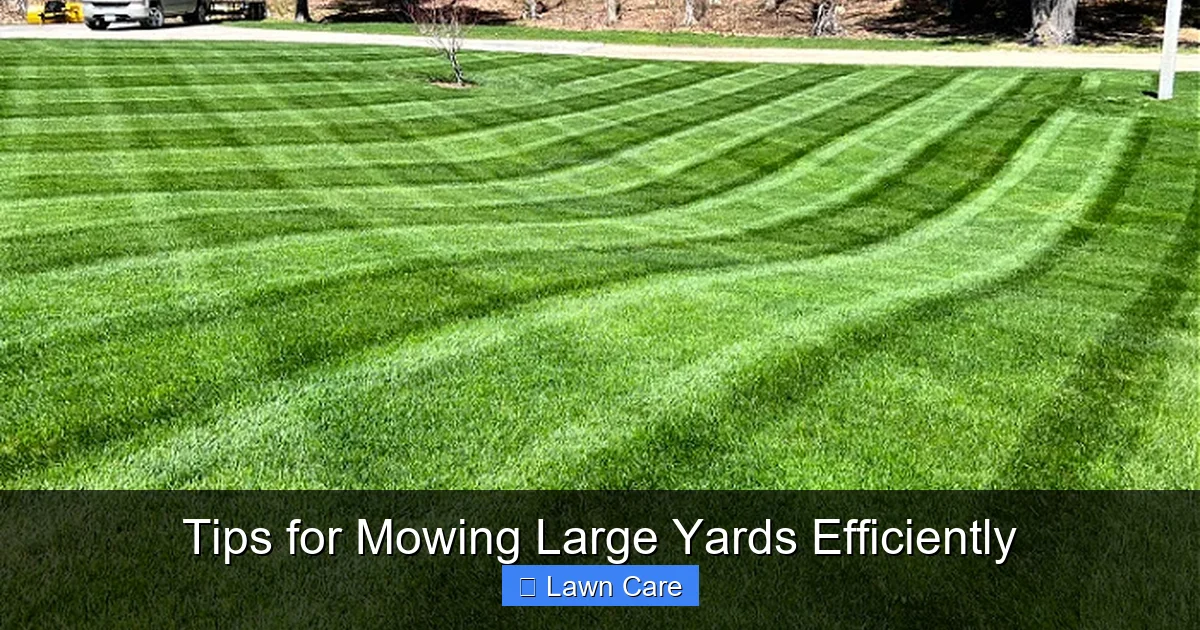
How you mow matters as much as how often. Instead of always mowing in the same direction, switch it up every few times. This technique, known as alternate mowing, prevents soil compaction and encourages upright growth.
Here’s how it works:
– First mow: Go north to south
– Second mow: Go east to west
– Third mow: Go diagonally
This variation helps the grass stand tall and reduces the risk of rutting or damage from repeated passes in one direction. It also gives your lawn a more natural, professional appearance.
For advanced patterns that enhance both efficiency and aesthetics, explore our guide on the best lawn mowing patterns for a professional look.
5. Maintain Your Mower Like a Pro
A well-maintained mower is an efficient mower. Dull blades tear grass instead of cutting it cleanly, leading to brown tips, disease, and uneven growth. Aim to sharpen your mower blades every 20 to 30 mows or once per season.
Maintenance checklist:
– Inspect blades for damage before each use
– Clean under the mower deck weekly to remove grass clippings and buildup
– Change or replace the air filter monthly during mowing season
– Check oil levels and spark plugs as needed
– Keep tires properly inflated for better traction
Proper maintenance also extends the life of your mower, saving you money in the long run. For more on keeping your equipment in top shape, read our tips on essential lawn mowing tips for a healthier yard.
6. Time Your Mowing for Maximum Efficiency
Timing isn’t just about comfort—it affects your lawn’s health and your mower’s performance. Mow during the cooler parts of the day: early morning before the sun heats up or late afternoon when temperatures drop. Avoid midday mowing, especially in summer, as the grass is stressed and wetter.
Why timing matters:
– Morning mows allow dew to dry, reducing the risk of fungal diseases
– Late afternoon mows prevent heat stress and give grass time to recover
– Consistent timing helps you build a routine and avoid last-minute rushes
Also, try to mow when the grass is dry. Wet grass clogs the mower and leads to uneven cuts. If you must mow when it’s damp, raise your cutting height slightly to prevent scalping.
7. Prep Your Yard Before Mowing
A clean lawn mows better. Before you start, walk your yard and remove any debris—sticks, toys, rocks, or pet waste. Not only does this protect your mower, but it also ensures a clean, even cut.
Quick prep steps:
– Sweep paved areas and sidewalks
– Pick up garden tools or toys left outside
– Trim overgrown edges near fences or trees
– Clear low-hanging branches that could snag the mower
For yards with slopes or uneven terrain, consider leveling first. Uneven spots make mowing harder and can damage your mower. Learn how to fix these issues in our guide on how to level uneven spots on hilly lawns for better mowing.
8. Mulching vs. Bagging: Know When to Use Each
Deciding whether to bag clippings or mulch them depends on your lawn’s condition. Mulching returns nutrients to the soil and reduces waste, making it ideal for healthy lawns. Bagging is better when you have a lot of clippings or are dealing with weeds or disease.
When to mulch:
– Grass is growing actively and healthy
– Yard is free of weeds or pests
– You want to recycle nutrients naturally
When to bag:
– Grass is long and clumping
– You’re fertilizing and want to remove excess clippings
– Disease or pests are present
Most modern mowers offer both options—just switch the discharge chute as needed. For more on maintaining a healthy lawn through mowing, see our article on best mowing techniques for a healthy lawn.
9. Use Technology to Save Time
Modern mowers come with features that make mowing large yards efficient. GPS-enabled mowers can map your yard and mow autonomously, while robotic mowers work around the clock with minimal supervision.
Top tech features to consider:
– GPS navigation for accurate mowing
– Rain sensors to pause during wet weather
– App integration for scheduling and monitoring
– Extended battery life or dual-battery systems
While these tools cost more upfront, they save time and reduce physical effort—especially on very large properties. If you’re considering automation, explore our reviews on robotic mowers and smart lawn systems.
10. Combine Mowing with Other Lawn Care Tasks
Don’t just mow and leave. Use your mowing time to multitask. While the mower runs, you can:
– Edge walkways and driveways
– Trim around trees and fences
– Spot-spray weeds
– Inspect irrigation lines
This approach maximizes your time and keeps your entire yard looking sharp. For example, after mowing, grab your trimmer and clean up the borders. It’s a small effort that makes a big difference in curb appeal.
Conclusion: Build an Efficient Mowing Routine
Mowing large yards efficiently isn’t about doing more—it’s about doing the right things at the right time. From choosing the right mower to maintaining a consistent schedule and using smart techniques, every step adds up. The goal is a healthy, beautiful lawn that requires less work over time.
Remember, consistency beats intensity. A short, regular mow is far better than a long, stressful one every few weeks. And when you pair mowing with other lawn care practices—like proper watering, aeration, and fertilization—you create a system that supports long-term success.
With the tips above, you’ll be well on your way to mastering your large yard. Stick with it, stay flexible, and soon, mowing won’t feel like a burden—it’ll feel like a breeze.
Frequently Asked Questions
What type of mower is best for large yards with hills?
For hilly yards, choose a mower with low center of gravity and good traction. Self-propelled or riding mowers with wide tires work best. Avoid lightweight push mowers on slopes.
How do I prevent my mower from scalping the lawn?
Never cut more than one-third of the grass blade at once. Raise the cutting height during hot or dry weather, and avoid mowing when the grass is wet or overly long.
Can mulching clippings harm my lawn?
No, when done correctly. Mulching returns nutrients and moisture to the soil. Only bag clippings if there’s disease, weeds, or excessive buildup.
Should I water my lawn before mowing?
It’s not necessary. In fact, mowing wet grass can damage the blades and lead to clumping. Wait until the grass is dry for the best cut.
How do I store my mower for the off-season?
Clean the deck, change the oil, replace the air filter, and store it in a dry place. For electric mowers, remove the battery and store it indoors.
What’s the best time of day to mow a large yard?
Mow in the early morning or late afternoon. This avoids heat stress, allows dew to dry, and gives grass time to recover before nightfall.