To level uneven spots on hilly lawns, use a combination of topdressing and soil leveling techniques. Fill low areas with a mixture of soil and compost to create a smoother surface.
Maintaining a hilly lawn can be challenging, especially when it comes to mowing. Uneven spots can lead to scalping, an uneven cut, and potential damage to your mower. Leveling these areas not only improves the aesthetics of your lawn but also enhances its health and drainage.
Homeowners can achieve a more uniform surface by using simple tools and techniques. Regular maintenance and a proactive approach can help create a more enjoyable mowing experience. This guide will provide effective strategies to tackle those pesky uneven spots, ensuring a lush and well-manicured lawn all season long.
Introduction To Lawn Leveling
Maintaining a level lawn is essential for proper mowing. It ensures an even cut and improves the lawn’s overall health. Uneven spots can lead to poor drainage and soil erosion. This is especially true in hilly areas. Hilly terrain presents unique challenges for homeowners.
Mowing becomes difficult on slopes. Uneven ground can cause mower damage and accidents. Grass may also grow inconsistently, leading to patches. Leveling your lawn helps create a safer and more attractive yard.
Taking the time to address these issues can lead to a healthier lawn. A well-leveled lawn allows for better water distribution and nutrient uptake. This results in a lush and vibrant landscape.
Assessing Your Lawn’s Topography
Start by walking around your lawn. Look for high and low spots. Notice where water pools after rain. These areas often need leveling.
Use simple tools to measure the slope. A level or a line level works well. Place a board across two points. Measure the gap underneath the board to find uneven areas.
Another option is to use a laser level. This tool helps you see the exact height differences. Mark all uneven spots for easy reference.
Taking these steps makes it easier to plan your lawn improvements. Fixing these areas will lead to better mowing results.
Materials Needed For Leveling
To level uneven spots on hilly lawns, choose the right soil. Topsoil is essential for this task. It provides nutrients and promotes grass growth. Sand improves drainage and helps prevent compaction. A mix of sand and topsoil works best for hilly areas.
Compost adds organic matter to the soil. It enriches the soil and boosts its ability to retain moisture. When leveling, use a blend of one part sand, two parts topsoil, and one part compost. This combination ensures stability and supports healthy grass.
Preparation Steps
Before starting the leveling process, mow the lawn. This helps to clear the grass and gives a better view of the uneven spots. Set the mower blades to a higher level to avoid damaging the grass.
Watering the lawn is also important. Ensure the ground is moist but not soggy. This makes the soil easier to work with. Water the area a day before leveling. This helps in achieving a smoother finish.
Keep an eye on the weather. Avoid leveling right before rain. Wet soil can become compacted and hard to work with.
Leveling Techniques
Using a lawn roller is a great way to level uneven spots. Start by marking the areas that need attention. Water the lawn lightly to soften the soil. Then, roll the lawn roller over the uneven spots. This helps to pack down the soil.
For best results, make multiple passes. Go in different directions for even coverage. After rolling, check the surface again. You may need to add more soil to certain areas. Finally, allow the lawn to rest and recover.
Dealing With Severe Slopes
Severe slopes can make mowing difficult. Terracing is a great way to handle this issue. It creates flat areas on the hill. This allows for easier mowing and better water drainage.
Installing retaining walls supports the terraced areas. These walls prevent soil erosion on steep slopes. They can be made from stone, wood, or concrete. Choose materials that fit your landscape style.
Each retaining wall needs proper drainage. This helps avoid water buildup behind the wall. Plants can be added to the terraced areas for beauty and stability. Choose plants that thrive in your climate.
Maintenance After Leveling
After leveling, fertilization and watering are crucial for a healthy lawn. Apply a balanced fertilizer to promote growth. This helps new grass roots establish well.
Watering should be done regularly. Keep the soil moist but not soggy. This encourages strong growth and prevents weeds.
Reseeding should happen after leveling. Wait for a few weeks to allow the soil to settle. This gives grass seeds a better chance to grow.
Choose a seed mix that matches your region. Follow the instructions on the package for the best results. Regular maintenance will ensure a lush, green lawn.

Credit: slinkystudio.info
Mowing Tips For Hilly Lawns
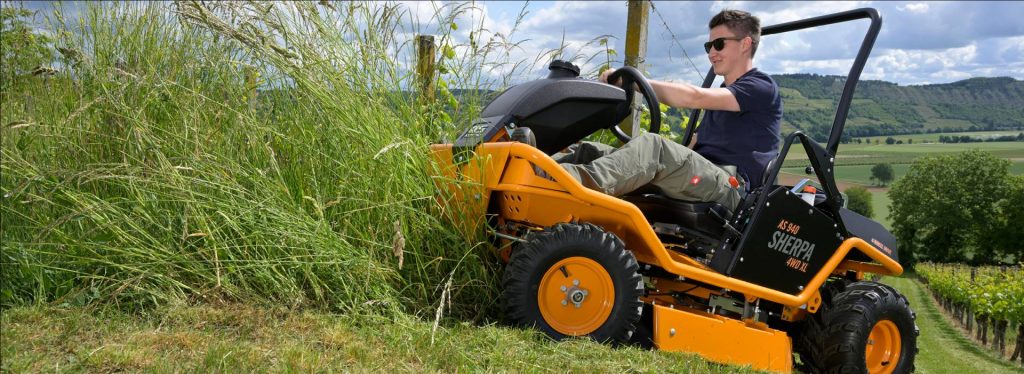
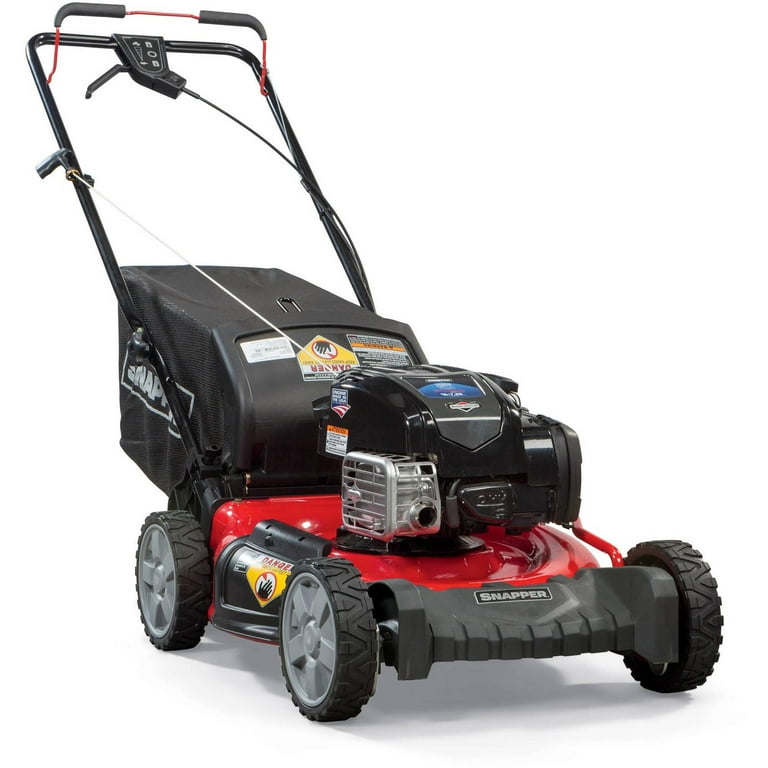
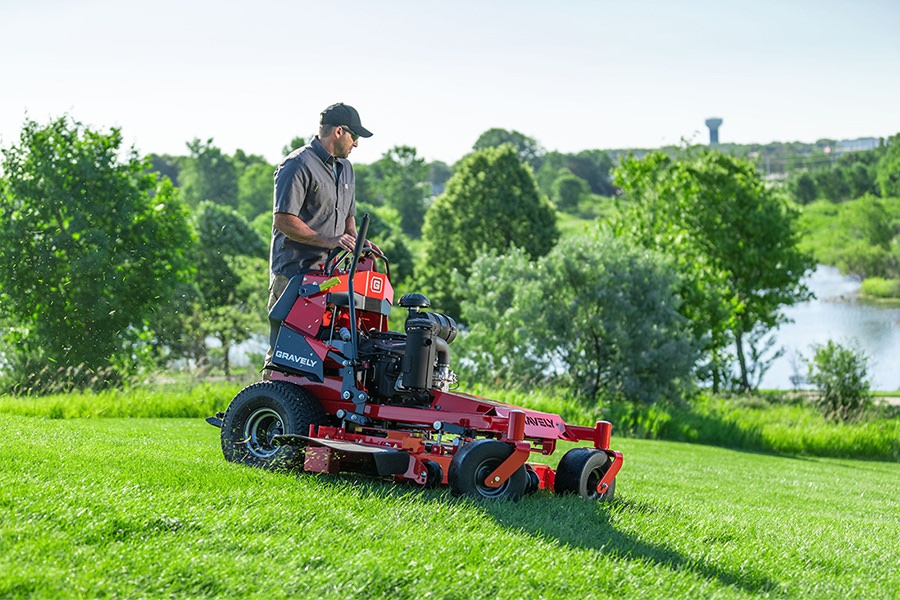
Choosing the right mower is key for hilly lawns. A self-propelled mower helps you cut grass easily. For steep areas, consider a riding mower or a zero-turn mower. They offer better control and stability.
Mowing patterns for slopes matter a lot. Mow across the slope instead of up and down. This reduces the risk of slipping. Change your mowing direction each time. It helps prevent uneven wear on your lawn.
Always mow when the grass is dry. Wet grass can lead to clumping. Check for hidden rocks or roots before mowing. This keeps both you and the mower safe.
Common Mistakes To Avoid
One common mistake is over-leveling the ground. This can create new problems. Too much leveling can cause water to pool in unwanted areas.
Ignoring drainage is another issue. Proper drainage prevents water damage. Always ensure that water flows away from the lawn.
Evaluate your lawn before making changes. Look for areas that need leveling. Avoid making the ground too flat, as this can harm the grass.
Check for low spots and high spots. Fixing them helps improve mowing. A well-leveled lawn is easier to maintain and looks better.
Credit: www.walmart.com
Case Studies And Success Stories
Discover effective techniques for leveling uneven spots on hilly lawns, ensuring a smoother mowing experience. Explore practical case studies and success stories that illustrate the transformation of challenging terrains into manageable landscapes. Achieve a healthier, more beautiful lawn with these proven strategies.
Before And After Scenarios
Homeowners often face challenges with uneven lawns. Before leveling, mowing can be difficult. Uneven spots can lead to scalping or missed areas. After leveling, lawns become much easier to maintain. Grass grows evenly, creating a beautiful appearance.
Homeowner Testimonials
Many homeowners share their experiences. One homeowner stated, “My lawn looks so much better now!” Another said, “Mowing is a breeze after leveling.” These stories highlight the importance of addressing uneven spots. Happy homeowners enjoy their well-maintained lawns and improved curb appeal.
Credit: www.gravely.com
Frequently Asked Questions
How Can I Level My Hilly Lawn Easily?
To level a hilly lawn, assess the uneven areas first. Use soil or compost to fill low spots. For larger areas, consider grading with a landscape rake. Regular mowing will help maintain an even surface. Always ensure proper drainage to prevent future issues.
What Tools Do I Need For Lawn Leveling?
Essential tools for lawn leveling include a shovel, rake, and tamper. A wheelbarrow can help transport soil. For larger projects, consider using a landscaping machine. A level can help ensure accuracy. Having the right tools makes the process efficient and effective.
When Is The Best Time To Level My Lawn?
The best time to level your lawn is during spring or early fall. The weather is mild, promoting grass growth. Avoid leveling during extreme heat or cold. This ensures the grass has enough time to recover and establish.
How Much Soil Do I Need For Leveling?
The amount of soil needed depends on the size of uneven spots. Generally, aim for a depth of 1-2 inches. For larger areas, calculate the total square footage and multiply by the desired depth. Always check the existing soil quality before adding more.
Conclusion
Achieving a level hilly lawn enhances mowing efficiency and aesthetics. By following the tips outlined in this guide, you can create a smoother surface. Regular maintenance and attention to drainage will keep your lawn in top shape. Enjoy the benefits of a well-manicured yard that’s easier to mow and looks great year-round.