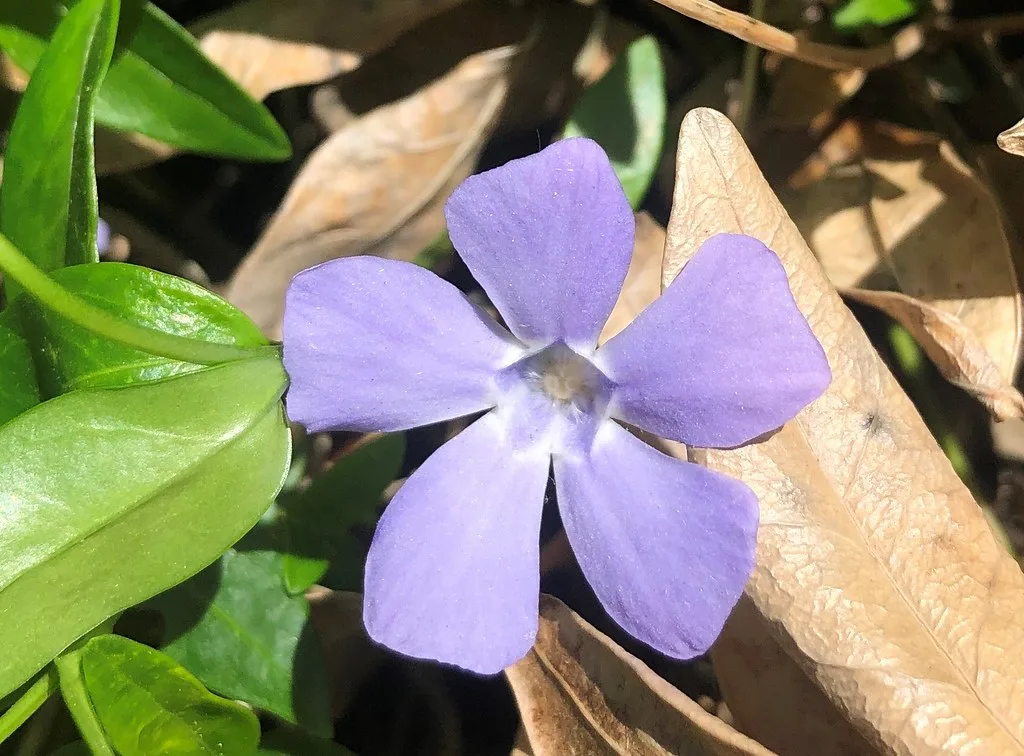
Image source: Openverse / Aaron Volkening
If you've got a patch of vinca thriving in your garden, you already have everything you need to make more of it. Learning how to propagate vinca is one of the simplest ways to fill out shaded beds, cover slopes, or stock up on summer annuals without spending a dime at the nursery. The process is straightforward, but the right approach depends on which type of vinca you're working with and what time of year it is.
Vinca propagation falls into three main methods: stem cuttings, root division, and seed. Vinca minor, the perennial groundcover, responds well to both cuttings and division and can be propagated in spring or fall. Catharanthus roseus, the annual vinca you see in summer containers, is most reliably started from seed indoors 10 to 12 weeks before your last frost date.
Once you know which type you have, the rest is just a matter of timing and technique.
Quick Answer
Vinca propagates through stem cuttings, root division, or seed. For Vinca minor, take 4 to 6 inch stem cuttings in spring or divide mature clumps in early fall. For annual vinca (Catharanthus roseus), sow seeds indoors at 70 to 75°F, 10 to 12 weeks before your last frost.
Keep cuttings in a humid, bright environment with well-draining mix. Roots typically form within 2 to 4 weeks.
Understanding the Two Main Types of Vinca
Before you pick up a pair of shears, you need to know which vinca you're dealing with. The propagation method, timing, and tools change based on the species.
Vinca minor (creeping vinca or periwinkle) is a perennial groundcover hardy in USDA zones 4 through 9. It spreads by sending out trailing stems that root at the nodes wherever they touch soil. This makes it incredibly easy to propagate from cuttings or by dividing established clumps.
It thrives in shade and covers large areas under trees.
Vinca major (bigleaf periwinkle) is a close relative with larger leaves and a more aggressive spreading habit. It's hardy in zones 7 through 9 and propagates the same way as Vinca minor.
Catharanthus roseus (annual vinca or Madagascar periwinkle) is a completely different plant despite sharing the common name. It's grown as an annual in most climates and doesn't spread by runners. It loves full sun and heat, and it's almost always propagated from seed.
In zones 10 and 11, it can survive as a perennial.
Mixing these up is the number one mistake gardeners make. If you try to divide an annual vinca plant, you'll find it doesn't form the clumping root system that Vinca minor does. And if you sow Vinca minor seeds, you'll wait weeks longer for germination than you would with Catharanthus roseus.
Propagation Methods: Cuttings, Division, and Seeds
Each method has its strengths. Your choice depends on the species, how many plants you need, and how quickly you want results.
Stem cuttings work for all three types of vinca. You snip a healthy stem, strip the lower leaves, and place it in a moist rooting medium. Roots develop from the buried nodes within 2 to 6 weeks.
This is the best method when you want clones of a specific plant, especially a particular flower color or leaf variegation.
Root division is exclusive to Vinca minor and Vinca major. You dig up an established clump, separate it into sections (each with roots and shoots), and replant. Division gives you instant mature plants that establish quickly.
It's ideal when you need to fill a large area fast or when you're renovating an overgrown bed.
Seed propagation is the primary method for Catharanthus roseus. Annual vinca seeds need warmth and light to germinate. They're typically started indoors under controlled conditions because the growing season isn't long enough in most climates for direct outdoor sowing.
| Method | Best For | Time to Root/Establish | Skill Level |
|---|---|---|---|
| Stem cuttings | All vinca types | 2 to 6 weeks | Beginner |
| Root division | Vinca minor, Vinca major | Immediate | Beginner |
| Seed | Catharanthus roseus | 10 to 21 days germination | Intermediate |
When to Propagate Vinca
Timing is everything. Propagate at the wrong time and you'll fight heat stress, frost damage, or slow root development.
For stem cuttings of Vinca minor or Vinca major: Late spring through early summer is ideal. The plant is actively growing, and warm soil temperatures (65 to 75°F) encourage fast rooting. In zones 7 to 9, you can also take cuttings in early fall if you give them enough time to establish before winter.
For root division: Early spring, just as new growth emerges, is the best window. The plant has the full season to recover and spread. Early fall works too in zones 6 to 9, as long as you divide at least 6 weeks before your first expected frost.
For annual vinca seed: Start seeds indoors 10 to 12 weeks before your last frost date. In zone 5, that means sowing in mid-February to early March. In zone 8, you can start in late January.
Catharanthus roseus seeds need consistent temperatures of 70 to 75°F to germinate reliably, so a heat mat is almost essential.
If you're propagating outdoors in summer, avoid the hottest weeks. Cuttings desiccate quickly in high heat and bright sun, even with a humidity dome.
How to Propagate Vinca from Stem Cuttings
Stem cuttings are the most versatile method and work for every type of vinca. Here's the step-by-step process.
Step 1: Select and cut your stems. Choose healthy, disease-free growth from the current season. Cut 3 to 6 inch sections, making each cut just below a leaf node at a 45 degree angle. Morning is the best time to take cuttings because the stems are fully hydrated.
Step 2: Prepare the cuttings. Remove the leaves from the bottom 2 to 3 nodes. This is where roots will form, and buried leaves will just rot. Leave at least 2 to 3 leaf pairs at the top for photosynthesis.
If the remaining leaves are large, cut them in half to reduce water loss.
Step 3: Apply rooting hormone (optional but recommended). Dip the cut end into a powder or gel containing IBA (indole-3-butyric acid). Tap off the excess. Rooting hormone isn't strictly necessary for vinca, which roots readily on its own, but it can speed up the process by a week or more.
Step 4: Insert into your rooting medium. Use a mix of equal parts perlite and peat moss, or a commercial seed-starting mix. Pre-moisten it so it's damp but not waterlogged. Poke a hole with a pencil, insert the cutting so the bare nodes are buried, and gently firm the medium around it.
Step 5: Create humidity. Cover the tray with a humidity dome or place it inside a loosely sealed plastic bag. This keeps the cuttings from drying out before they have roots to take up water. Place the tray in bright, indirect light.
Direct sun will cook cuttings under a dome.
Step 6: Monitor and wait. Check every few days. The medium should stay lightly moist, not soggy. If you see condensation on the dome, crack it open for an hour to let air circulate and prevent fungal issues.
After 2 weeks, give a gentle tug. If you feel resistance, roots have formed.
Step 7: Transplant. Once roots are 1 to 2 inches long, move the cuttings into individual pots with regular potting soil. Harden them off over a week before planting outdoors.

Image source: Pixabay / 089photoshootings (Pixabay Content License)
Don't use garden soil in your propagation tray. It compacts too tightly and can harbor pathogens that cause stem rot. And don't skip the humidity dome, especially if you're propagating in a dry climate or during heated indoor months.
Cuttings without roots can't replace lost moisture, and even a few hours of wilting can set them back significantly.
How to Propagate Vinca minor by Root Division
Division is the fastest way to get new Vinca minor plants, and it's almost foolproof. You're essentially splitting one plant into several, each with its own root system and growth points.
Step 1: Choose the right time. Early spring is best, just as you see new green growth pushing through. Early fall works in milder climates, at least 6 weeks before frost.
Step 2: Dig up the clump. Use a garden fork to loosen the soil around the plant. Vinca minor has shallow, fibrous roots, so you don't need to dig deep. Lift the entire clump out and shake off excess soil so you can see the root structure.
Step 3: Separate the sections. Pull the clump apart by hand or cut through with a sharp knife or spade. Each division should have a healthy chunk of roots and several growing stems or rooted nodes. Discard any woody, dead, or diseased sections from the center of the clump.
Step 4: Replant immediately. Don't let the divisions dry out. Plant them at the same depth they were growing before, spacing them 6 to 12 inches apart for groundcover coverage. Water them in well.
Step 5: Keep moist for the first few weeks. Divisions have roots already, so they establish faster than cuttings. But they still need consistent moisture while they settle in. A light layer of mulch helps retain soil moisture and keeps weeds down.
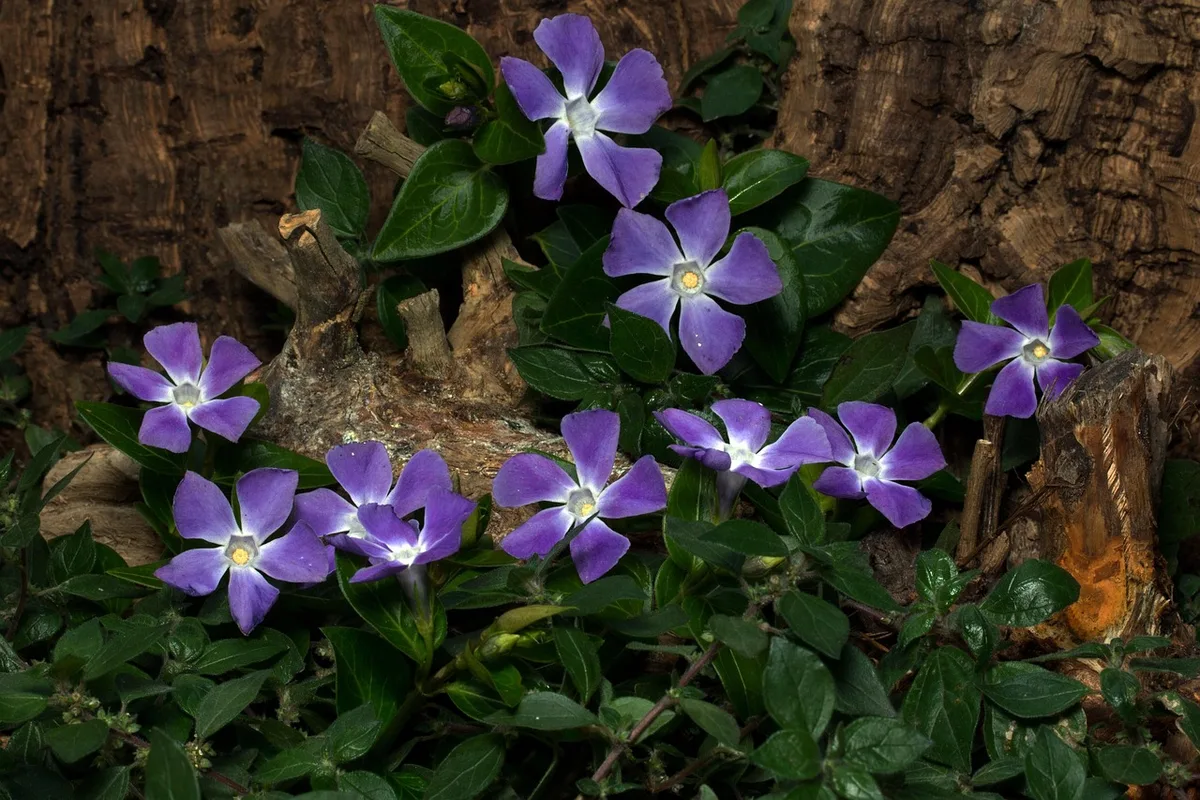
Image source: Pixabay / domeckopol (Pixabay Content License)
If your Vinca minor has gotten leggy or sparse in the center, that's a sign it's overdue for division. Older clumps often thin out in the middle while the outer edges keep spreading. Dividing rejuvenates the plant and gives you material to fill in bare spots.
How to Grow Annual Vinca (Catharanthus roseus) from Seed
Annual vinca doesn't root well from cuttings for most home gardeners, and it doesn't form divisible clumps. Seed is the way to go. The process requires a bit more patience and equipment, but it's the most cost-effective way to grow large numbers of plants.
Step 1: Gather your supplies. You'll need a seed tray or small pots, a fine seed-starting mix, a humidity dome, and a heat mat. Catharanthus roseus seeds are small and need consistent warmth to germinate.
Step 2: Sow the seeds. Fill your tray with moistened seed-starting mix. Press the seeds lightly onto the surface. Don't bury them.
These seeds need light to germinate, so just press them into the surface or dust them with the thinnest possible layer of vermiculite.
Step 3: Cover and heat. Place the humidity dome on the tray and set it on a heat mat tuned to 70 to 75°F. Keep the medium moist by misting or bottom watering. Never pour water directly onto the seeds.
They're small enough to wash away.
Step 4: Wait for germination. Seeds typically sprout in 10 to 21 days. Once you see green, remove the dome and move the tray to a bright location or under grow lights. Seedlings need 12 to 16 hours of light per day to stay compact and strong.
Step 5: Thin and transplant. When seedlings have 2 sets of true leaves, thin them or transplant into individual cells. Handle them by the leaves, not the stems. Damaged stems mean dead seedlings.
Step 6: Harden off before planting out. About a week before your last frost date, start exposing seedlings to outdoor conditions gradually. An hour the first day, two the next, and so on. Plant them in the garden after all danger of frost has passed and nighttime temperatures stay above 50°F.
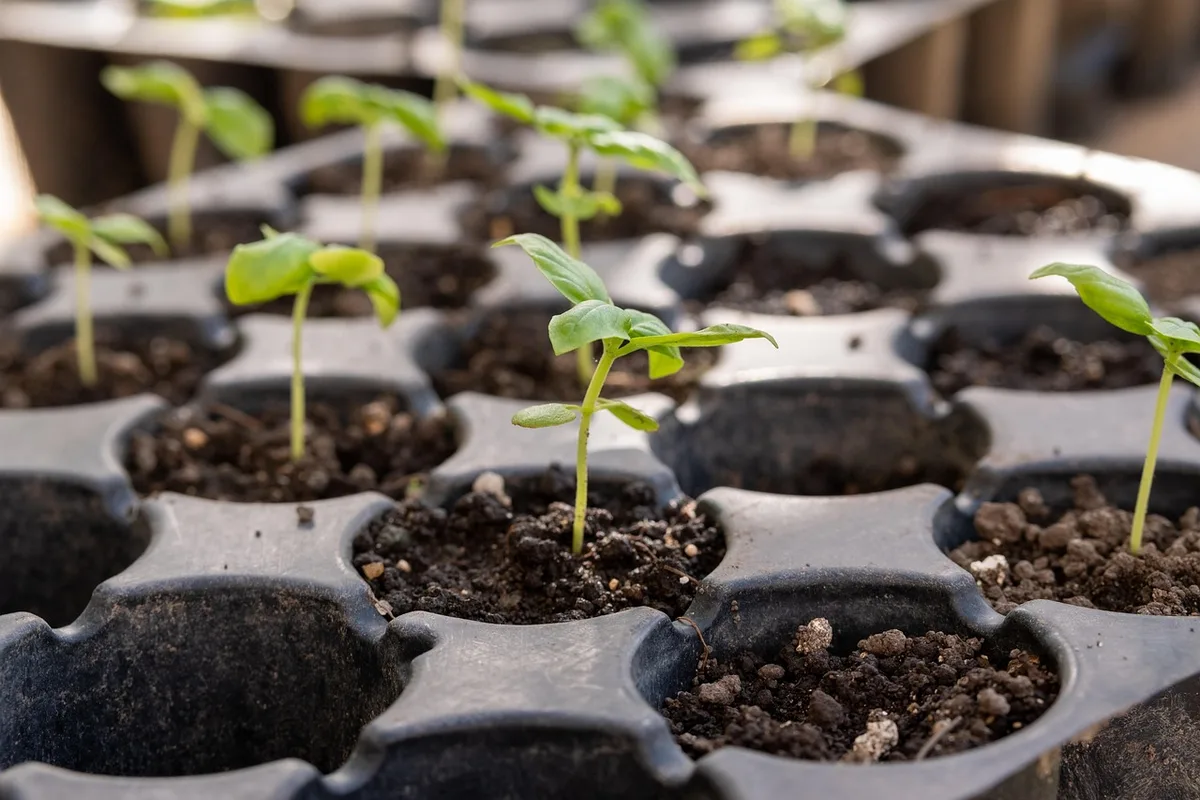
Image source: Pixabay / hat3m (Pixabay Content License)
Annual vinca is slow to start from seed but takes off once summer heat arrives. Don't panic if seedlings seem to sit still for the first few weeks. They're building root systems underground.
Once temperatures consistently hit 70°F above and below soil, growth accelerates dramatically.
Choosing the Right Propagation Medium and Tools
The medium you root into matters more than most people think. The wrong mix will either stay too wet and rot your cuttings or dry out too fast and stress them.
Best rooting media for cuttings:
- 50/50 perlite and peat moss (the gold standard)
- Coarse verliculite alone
- Commercial seed-starting mix (light and sterile)
Avoid regular potting soil or garden soil. Both are too dense and can introduce fungal pathogens. Perlite provides drainage and air space.
Peat moss holds moisture without compacting.
Essential tools:
- Sharp, clean pruning shears or a razor blade
- Rooting hormone (IBA-based powder or gel)
- Propagation tray with humidity dome
- Heat mat (especially for seed starting)
- Spray bottle for misting
- Pencil or dibber for making planting holes
Sterilize your cutting tools with rubbing alcohol before you start. It takes five seconds and prevents you from transferring disease from one plant to another. This is especially important if you're taking cuttings from multiple parent plants.
Common Mistakes That Kill Vinca Cuttings and Divisions
Even though vinca is easy to propagate, a few recurring mistakes trip people up.
Overwatering. This is the number one killer of cuttings. The medium should be moist, not waterlogged. If you can squeeze water out of it with your hand, it's too wet.
Soggy conditions cause stem rot before roots ever form.
Using old, woody stems. Cuttings taken from the hard, brown interior of a Vinca minor clump root much slower than those from newer, green-to-semi-ripe growth. Look for stems that snap cleanly rather than bending.
Skipping the humidity dome. Cuttings have no roots to replace lost water. Without high humidity around the leaves, they wilt and die within hours in dry indoor air.
Dividing at the wrong time. Splitting Vinca minor in midsummer heat stresses the plant and the divisions. Early spring or early fall gives the best survival rates.
Planting seeds too deep. Catharanthus roseus seeds need light. Burying them even a quarter inch can cut germination rates dramatically. Surface sow only.
Ignoring air circulation. A sealed dome with no airflow invites mold and damping off. Crack the vents or remove the dome for 30 minutes every couple of days.
Troubleshooting: Why Your Vinca Propagation Is Not Working
If your cuttings are failing or your seeds won't sprout, here's a quick diagnostic guide.
Cuttings wilt within days. Humidity is too low. Add a dome or mist more frequently. Also check that they're not in direct sun.
Cuttings turn mushy at the base. Overwatering or contaminated medium. Remove affected cuttings, let the medium dry slightly, and improve drainage. Use sterile mix next time.
Seeds haven't germinated after 3 weeks. Temperature is likely too low. Catharanthus roseus needs 70 to 75°F consistently. A heat mat usually solves this.
Also check that seeds weren't buried too deep.
Seedlings are leggy and falling over. Not enough light. Move them closer to a window or add grow lights. Leggy seedlings rarely recover.
Divisions aren't spreading after replanting. They may have dried out during the process, or the soil is too compact. Water consistently for the first month and loosen the planting area with compost.
Expert Tips for Higher Success Rates
These small adjustments can make a noticeable difference in your propagation results.
- Take more cuttings than you need. Even under good conditions, expect 10 to 20 percent failure. If you want 20 plants, start with 25 cuttings.
- Use bottom heat for cuttings too, not just seeds. A heat mat set to 70°F speeds root development in Vinca minor cuttings by several days.
- Water with room temperature water. Cold water shocks tender cuttings and slows root growth.
- Label everything. If you're propagating multiple varieties, a simple masking tape label saves confusion later.
- Don't fertilize cuttings until they have roots. Fertilizer on unrooted stems can burn tissue and feed mold instead.
- For large-scale groundcover projects, try "trench propagation." Lay Vinca minor stems in shallow trenches, cover the nodes with soil, and let them root in place. It's low-effort and surprisingly effective.
Safety and Environmental Warnings
Vinca minor is classified as invasive in several U.S. states and regions. It spreads aggressively into natural woodland areas, displacing native groundcover species.
Before planting or propagating Vinca minor, check with your state's invasive species council or university extension service. In some areas, it's discouraged or restricted near natural areas, parks, and forest edges. The University of Florida IFAS Extension and various state departments of natural resources maintain current lists of invasive species by region.
If you're looking for a non-invasive alternative groundcover, consider native options like Asarum canadense (wild ginger) or Mitchella repens (partridgeberry), depending on your region.
Frequently Asked Questions
Can you root vinca cuttings in water?
You can, but soil rooting produces stronger roots. Water-rooted cuttings often struggle when transplanted because the roots adapted to water don't transition well to soil. If you do use water, transplant as soon as roots are half an inch long.
How long does it take for vinca cuttings to root?
Softwood cuttings of Vinca minor typically root in 2 to 4 weeks under warm, humid conditions. Semi-hardwood cuttings may take 4 to 6 weeks. Annual vinca cuttings root in a similar timeframe but are less commonly used than seed propagation.
When is the best time to divide vinca?
Early spring, just as new growth appears, is ideal. Early fall works in zones 6 through 9, as long as divisions have at least 6 weeks to establish before the first frost.
Does vinca need rooting hormone?
It's not required. Vinca minor and Vinca major root readily without it. However, using an IBA-based rooting hormone can speed up the process by a week and increase success rates, especially in less-than-ideal conditions.
Can you propagate vinca in the fall?
Yes, for Vinca minor. Take cuttings or divide clumps in early fall, at least 6 weeks before your first expected frost. The cuttings need enough time to develop roots before winter dormancy.
Is vinca minor invasive where I live?
It depends on your state and region. Vinca minor is listed as invasive in parts of the Pacific Northwest, the Mid-Atlantic, and several other areas. Check your state's invasive species database or contact your local cooperative extension for current guidance as of 2026.
Final Recommendation: Best Method for Your Situation
If you're working with Vinca minor or Vinca major and want fast results, root division in early spring is your best bet. You get mature plants immediately, and they establish within weeks. It demands the least equipment and the least patience.
If you need many plants and don't want to dig up existing ones, stem cuttings in late spring give you a high success rate with minimal supplies. A tray, some perlite, and a humidity dome are all you really need.
For Catharanthus roseus, seed starting indoors is the only practical method for most gardeners. Budget for a heat mat and grow lights if you don't already have them. The upfront cost pays off when you're growing 50 or 100 plants for summer beds instead of buying flats at the garden center.
Whichever method you choose, take more material than you think you need. A 10 to 20 percent failure rate is normal even in good conditions. Better to have extras than to come up short and wait another month for a second round.