Dethatching Bermuda grass can improve lawn health by removing thick thatch layers. This guide explains when and how to dethatch, helping you achieve a vibrant, healthy lawn with easy, practical steps.
Key Takeaways
- Identify thatch buildup: Thatch thicker than 0.5 inches can hinder water, air, and nutrient movement.
- Timing matters: The best time to dethatch Bermuda grass is during its active growing season, typically late spring or early summer.
- Choose the right method: Use a dethatching rake for small areas or a power dethatcher for larger lawns for efficient removal.
- Prepare your lawn: Mow your Bermuda grass short and water well before dethatching for easier removal and better results.
- Post-dethatching care: Reseed or fertilize after dethatching to promote quick recovery and lush growth.
- Watch for signs: Excessive thatch, poor drainage, and moss growth are indicators that dethatching is needed.
Introduction
If you have Bermuda grass, you might wonder whether you should dethatch it. Thatch is a layer of dead grass, roots, and debris that can build up between the soil and green grass blades. While a little thatch is normal, too much can cause problems. In this guide, you’ll learn how to identify when dethatching is necessary, the best methods to do it, and tips to keep your Bermuda lawn healthy and vibrant.
What Is Thatch and Why Does It Matter?
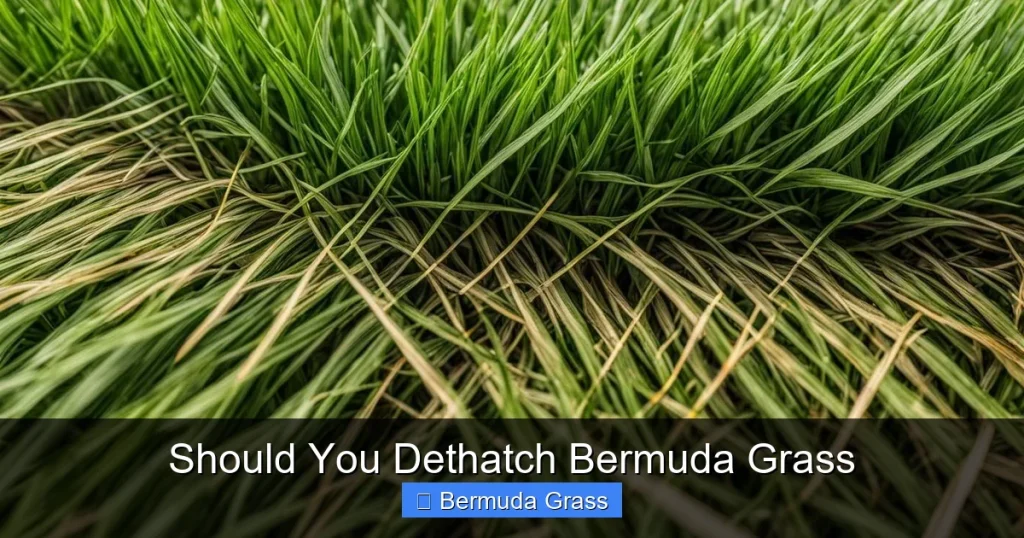
Thatch is a dense mat of organic material that accumulates between the soil surface and the green grass blades. A healthy layer of thatch can protect the roots and insulate the soil. However, when it becomes too thick—more than 0.5 inches—it can prevent water, nutrients, and air from reaching the roots.
This leads to a weak, dull lawn that is more prone to disease, pests, and drought stress. Dethatching helps break up this layer, promoting better growth and overall lawn health.
Signs That You Should Dethatch Bermuda Grass
1. Excessive Thatch Layer
If you insert a screwdriver or garden trowel into the soil and hit a thick layer of organic matter, it’s time to dethatch. Typically, if the thatch is over 0.5 inches thick, it hampers healthy root development.

Visual guide about Should You Dethatch Bermuda Grass
Image source: youryardexpert.com
2. Poor Drainage
Standing water or soggy patches after rain indicate that thatch is preventing proper drainage. This often leads to fungal diseases and moss growth.
3. Dull or Yellowing Grass
If your Bermuda grass looks dull, yellow, or thin despite watering and fertilizing, thick thatch might be blocking nutrients and air from reaching the roots.
4. Moss or Algae Presence
The presence of moss or algae on your lawn suggests that the thatch layer is disrupting the natural balance of moisture and light.
5. Slow Recovery After Mowing
If your lawn takes a long time to recover after mowing, or if the grass seems to be patchy, dethatching could improve growth conditions.
When is the Best Time to Dethatch Bermuda Grass?
The ideal time for dethatching Bermuda grass is during its active growing season—late spring through early summer. During this period, the grass can recover quickly from any stress caused by dethatching. Avoid dethatching during the dormant winter months, as the grass won’t recover efficiently.
Visual guide about Should You Dethatch Bermuda Grass
Image source: youryardexpert.com
Preparing Your Lawn for Dethatching
1. Mow Your Lawn
Set your mower to cut at a lower height—about 1 to 1.5 inches. Shorter grass makes dethatching easier and more effective.
2. Water Thoroughly
Ensure your lawn is well-watered a day before dethatching. Moist soil is easier to work with and helps the thatch come up more readily.
3. Remove Debris
Clear away any leaves, sticks, or other debris to prevent obstruction during the dethatching process.
Choosing the Right Dethatching Method
1. Hand Dethatching Rake
This tool is suitable for small lawns or minor thatch buildup. It has sharp tines that pull up thatch when you manually rake back and forth.
- Tip: Be patient and rake in multiple directions for thorough removal.
2. Power Dethatcher (Lawn Raker or Vertical Cutter)
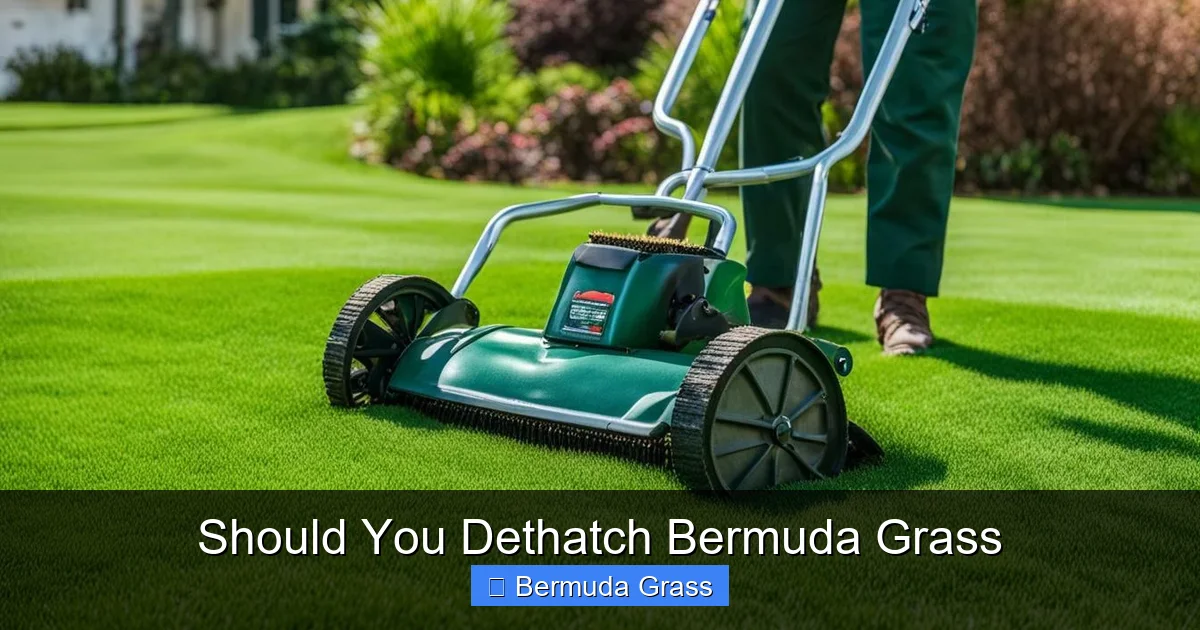
For larger areas or severe thatch buildup, a powered dethatcher is more efficient. It has rotating blades that cut through the thatch layer, pulling it up for easy removal.
- Tip: Rent or buy a dethatcher machine if you have a big lawn.
3. Raking and Collection
After dethatching, use a leaf rake or thatch rake to gather the debris. Compost or dispose of the thatch properly.
Step-by-Step Dethatching Process
Step 1: Mark the Area
Identify areas with thick thatch or signs of poor drainage. Focus your efforts there.
Step 2: Mow Short and Water
Follow the preparation steps mentioned earlier.
Step 3: Dethatch
Using a Hand Rake:
Work the rake through the grass, pulling up thatch. Rake in multiple directions to loosen all debris.
Using a Power Dethatcher:
Pass the machine over the lawn in overlapping passes, following the manufacturer’s instructions. Be gentle to avoid damaging the grass.
Step 4: Remove the Debris
Gather the thatch and debris with a rake. Dispose of or compost it as needed.
Step 5: Reseed and Fertilize
Apply a light layer of grass seed and fertilizer to promote quick recovery. Water the lawn thoroughly after reseeding.
Post-Dethatching Lawn Care Tips
- Water regularly: Keep the soil moist but not soaked to help grass recover.
- Fertilize lightly: Use a balanced fertilizer to encourage healthy growth.
- Aerate if needed: Aeration can further improve soil health and root development.
- Monitor for pests and diseases: Keep an eye out for problems that can arise after disturbance.
Troubleshooting Common Issues
1. Lawn Looks Worse After Dethatching
This can happen if the thatch was too thick or if the grass was damaged. Give your lawn time to recover with proper watering and fertilizing.
2. Grass Doesn’t Recover Quickly
Ensure you’re watering enough and applying nutrients. Consider overseeding to fill in bare patches.
3. Dethatching Causes Excessive Stress
Always dethatch during the grass’s active growing season and avoid aggressive dethatching if the lawn is already stressed.
Conclusion
Deciding whether to dethatch Bermuda grass depends on how thick the thatch layer is and the signs your lawn shows. Proper timing, preparation, and the right tools make the process effective and safe for your grass. Regular lawn maintenance, including dethatching when necessary, can keep your Bermuda grass lush, healthy, and vibrant for years to come.
Final Thoughts
Remember, dethatching is just one part of lawn care. Combine it with proper watering, fertilizing, and aeration for the best results. With a little effort, your Bermuda grass can look stunning and thrive all season long.