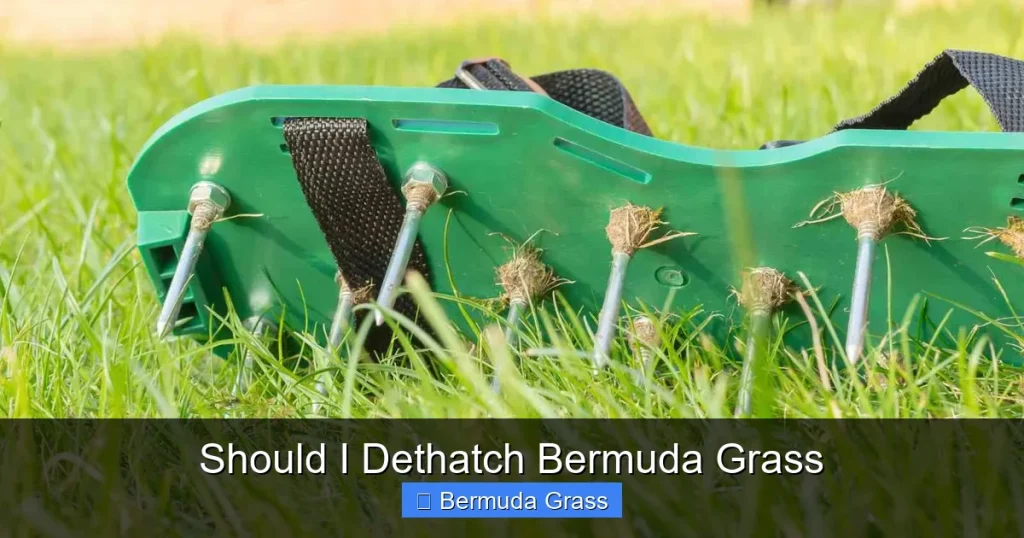
Dethatching Bermuda grass can improve lawn health, but it’s not always necessary. This guide explains how to identify excess thatch, when to dethatch, and the best methods to do it effectively for a vibrant, healthy lawn.
Should I Dethatch Bermuda Grass? A Complete How-To Guide
If you’re a Bermuda grass homeowner, you’ve probably wondered whether dethatching is necessary for your lawn. Thatch buildup can hinder water, air, and nutrients from reaching the roots, leading to a dull, unhealthy lawn. But not every lawn needs dethatching. In this guide, you’ll learn how to identify thatch, when to dethatch, and the best methods to keep your Bermuda grass healthy and vibrant.
Key Takeaways
- Understanding thatch: Thatch is a layer of dead grass and roots that accumulates between the grass and soil. A thin layer is normal, but thick thatch can harm your lawn.
- Signs of excessive thatch: Slow drainage, moss growth, or a spongy feel underfoot indicate thick thatch buildup.
- When to dethatch: Usually when thatch exceeds ½ inch in thickness, especially during active growing seasons like late spring or early summer.
- Choosing the right time: The best time to dethatch Bermuda grass is during its peak growing period to minimize stress and promote quick recovery.
- Methods of dethatching: Use a dethatching rake for small areas or a power dethatcher/machine for larger lawns.
- After dethatching: Reseed, fertilize, and water your lawn properly to help it recover and thrive.
What Is Thatch and Why Does It Matter?
Thatch is a layer of dead grass, roots, and other organic matter that accumulates between the grass blades and the soil surface. A thin layer—about ½ inch or less—is normal and can even protect the lawn. However, when this layer becomes thick (more than ½ inch), it can prevent water, air, and nutrients from reaching the roots, causing the grass to weaken and become more vulnerable to pests and diseases.
How to Identify Thatch Buildup in Bermuda Grass
Check the Thatch Thickness
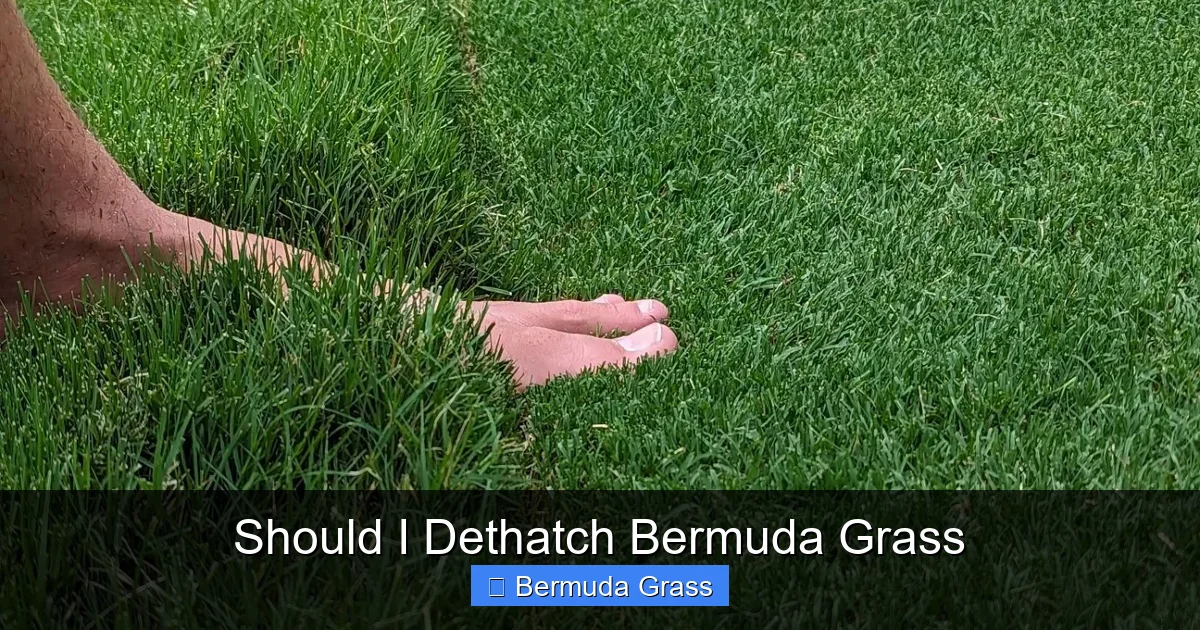
Use a simple thatch test: insert a garden trowel or screwdriver into the lawn to a depth of about 2-3 inches. Remove the soil and thatch layer and measure it. If the thatch layer exceeds ½ inch, it’s time to consider dethatching.
Visual guide about Should I Dethatch Bermuda Grass
Image source: plantscraze.com
Look for Signs of Excessive Thatch
- Spongy feel: Your lawn feels soft and spongy underfoot.
- Poor drainage: Water pools on the surface or takes longer to soak in.
- Weed and moss growth: These often thrive in thick thatch layers.
- Slow recovery after mowing: Grass struggles to bounce back quickly after cutting.
When Is the Best Time to Dethatch Bermuda Grass?
The ideal time to dethatch Bermuda grass is during its active growing season, which is late spring to early summer. Dethatching during this period allows the grass to recover quickly. Avoid dethatching during the dormant winter months or when the lawn is stressed from drought or extreme heat.
Visual guide about Should I Dethatch Bermuda Grass
Image source: positivebloom.com
Preparing for Dethatching
- Water your lawn: A day or two before dethatching, water your Bermuda grass thoroughly. Moist soil makes dethatching easier and reduces stress on the grass.
- Mow your lawn: Cut your grass shorter than usual, about 1-1.5 inches. This exposes the thatch layer better and makes dethatching more effective.
- Clear debris: Remove leaves, sticks, and other debris to ensure a smooth dethatching process.
How to Dethatch Bermuda Grass Step-by-Step
Step 1: Choose Your Dethatching Method
- Manual dethatching rake: Suitable for small lawns or light thatch buildup.
- Power dethatcher or vertical mower: Ideal for larger lawns or thick thatch layers.
Step 2: Dethatch with a Rake or Machine
If using a manual rake:
- Work in sections, pulling the rake vigorously through the grass in a back-and-forth motion.
- Gather debris as you go and dispose of it properly.
If using a power dethatcher:
- Adjust the machine to the appropriate depth, usually about ¼ to ½ inch.
- Run the dethatcher over the lawn in overlapping passes to ensure even coverage.
- Collect and remove the thatch debris from the lawn.
Step 3: Reseed and Fertilize
After dethatching, your soil will be more exposed. This is a good time to overseed thin areas and fertilize to promote quick recovery and lush growth.
Step 4: Water and Care for Your Lawn
- Water thoroughly: Keep the soil moist but not waterlogged to help new grass establish.
- Limit traffic: Avoid heavy foot traffic until the lawn recovers.
- Monitor growth: Apply additional fertilization if needed based on grass health.
Tips for Successful Dethatching
- Don’t dethatch during extreme heat or drought conditions.
- Adjust your dethatcher’s blade height carefully to avoid damaging roots.
- If your lawn has a thick thatch layer, consider dethatching annually or every other year.
- Combine dethatching with aeration for even better results.
Common Troubleshooting and FAQs
My lawn looks worse after dethatching. What should I do?
This can happen if the dethatching process was too aggressive or done at the wrong time. Give your lawn time to recover, keep it well-watered, and consider overseeding if necessary.
Can I dethatch during the winter?
No, Bermuda grass is dormant during winter. Dethatching then can cause unnecessary stress and damage. Wait until the active growing season.
How often should I dethatch Bermuda grass?
Typically, once every 1-2 years is sufficient, depending on the buildup. Regular lawn maintenance can prevent excessive thatch accumulation.
Is dethatching the same as aerating?
No, dethatching removes the thatch layer, while aeration creates holes in the soil to improve air and water penetration. Combining both can greatly improve lawn health.
Can I dethatch a heavily thatched lawn?
Yes, but it may require more aggressive tools and multiple passes. Follow up with proper fertilization and watering to help the lawn recover.
What tools are best for dethatching Bermuda grass?
A dethatching rake or a power dethatcher/machine works best. For small areas, manual rakes are effective; for larger lawns, consider renting or using a power dethatcher.
Conclusion
Deciding whether to dethatch Bermuda grass depends on the thickness of thatch buildup and the lawn’s overall health. Regular inspections and maintenance can keep your lawn lush, healthy, and free from harmful thatch layers. Remember to dethatch at the right time, use proper tools, and care for your lawn afterward. With these tips, your Bermuda grass will stay beautiful and resilient for years to come.