Wondering if you should rake your lawn after aeration? The answer is usually yes, but it depends on your aeration method and goals. Raking can help distribute the soil cores and incorporate amendments. Learn the best practices for post-aeration raking to ensure your lawn thrives.
## Should Lawn Be Raked After Aeration? Your Guide to a Greener Lawn
You’ve just spent time and effort aerating your lawn, those little plugs of soil pulled up to the surface. It might look a bit chaotic right now, but this is a crucial step towards a healthier, more vibrant lawn. Now, the big question arises: should you rake your lawn after aeration? It’s a common question, and the answer isn’t always a simple yes or no. It really depends on what kind of aeration you did and what you want to achieve. Let’s dive in and figure out the best approach for your lawn care routine.
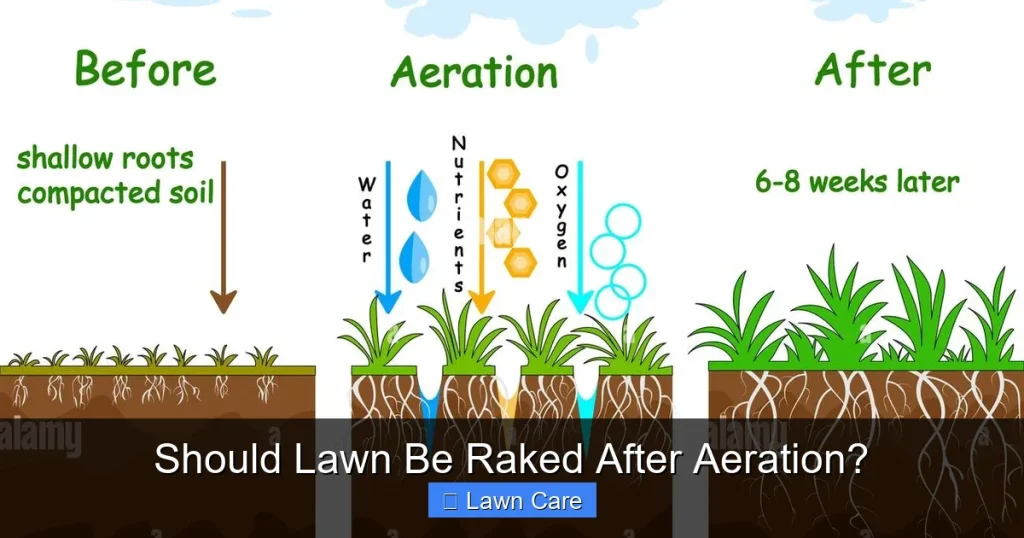
Aeration is a game-changer for compacted soil. It allows air, water, and nutrients to penetrate down to the grass roots. But what happens to those soil plugs left behind? That’s where raking comes into play. Understanding its role will help you make the right decision to maximize the benefits of your aeration efforts and get your lawn looking its best.
## Understanding Aeration and Its Aftermath
Before we talk about raking, let’s quickly recap what aeration does and why those soil plugs appear. Aeration involves removing small cores of soil from your lawn. This is typically done with a core aerator, which pulls up plugs of soil, or a spike aerator, which punches holes into the ground. Core aeration is generally more effective because it loosens the soil more deeply.
The plugs you see on the surface are essentially your lawn’s compacted soil, mixed with thatch and organic matter. They look a bit messy, but they’re not the enemy. In fact, these plugs can break down naturally over time, returning nutrients to the soil. However, leaving them untouched can sometimes lead to other issues, and that’s where the decision to rake or not to rake becomes important.
### Core Aeration vs. Spike Aeration: What’s the Difference for Raking?
The type of aeration you perform significantly influences whether you should rake.
* Core Aeration: This method pulls up distinct plugs of soil. These plugs are about half an inch to three-quarters of an inch in diameter and can be a few inches long. They are a clear indicator that compaction has been addressed effectively. After core aeration, raking is often recommended.
* Spike Aeration: This method involves punching holes into the soil using tines. It doesn’t remove soil plugs. While it can help with surface compaction and allow some air and water penetration, it’s generally less disruptive than core aeration and leaves little to no debris on the surface that requires raking.
So, if you used a core aerator, you’ll have those plugs to consider. If you used a spike aerator, the need for raking is far less, if at all.
## The Case for Raking After Aeration
Why would you want to rake your lawn after aeration? It might seem counterintuitive to disturb the soil again, but there are several good reasons. The primary goal is to break down those soil cores and help them integrate back into the lawn ecosystem.
### Breaking Down Soil Plugs
The soil plugs that core aeration brings to the surface are rich in organic matter. Ideally, they should break down and be reabsorbed into the soil. However, if left in large clumps, they can dry out and become hard, creating small, elevated patches on your lawn. This can hinder new grass growth if you’re overseeding.
A light raking helps to break these plugs apart. You can use a leaf rake or even a stiff broom. The idea is not to dig into the soil but to gently crumble the plugs. This exposes them to more surface area, allowing them to decompose faster and return valuable nutrients to your soil. This process also helps to smooth out the lawn’s surface.
### Incorporating Amendments and Seed
If you’re planning to overseed your lawn or apply any soil amendments like compost or fertilizer after aeration, raking becomes almost essential. Raking helps to work these materials into the soil and amongst the loosened soil cores. This ensures that the new grass seed has good contact with the soil for germination, and any applied nutrients are readily available to the grass roots.
For example, if you’re overseeding, raking the broken-down soil plugs over the new seed provides a light, beneficial top-dressing. This helps retain moisture around the seed, giving it a better chance to sprout. It also protects the seed from birds and drying winds. So, if your goal is to improve your lawn’s density or fill in bare patches, raking is a key step in that process.
### Managing Thatch
While core aeration is excellent for reducing thatch, large, unreaked soil plugs can, over time, contribute to a new layer of thatch if they don’t break down properly. By raking and breaking down these plugs, you’re actively preventing this from happening. It’s all about ensuring the aeration process leads to a truly healthier lawn, free from excessive thatch buildup.
## When You Might Not Need to Rake (or Rake Lightly)
While raking is often beneficial, there are situations where it might be optional or even discouraged. The key is to assess your lawn’s condition and your aeration results.
### Very Fine Soil Plugs
Sometimes, the soil in your lawn is very fine and sandy. When you aerate, these soil plugs might break down very easily on their own. If the plugs are already crumbling into dust without any intervention, you might not need to rake. A light raking could still be helpful, but aggressive raking is unnecessary.
### Minimal Surface Disturbance
If you’ve performed a very light aeration or if your soil is already quite loose, the plugs might be small and easily managed by natural processes. In such cases, a gentle pass with a rake might suffice, or you might even skip raking altogether. The goal is always to help the lawn, not to harm it.
### Specific Lawn Types or Conditions
Some lawn experts might advise against raking in very specific situations, such as when dealing with extremely delicate new grass seedlings or in certain environmental conditions where soil disturbance could be detrimental. However, for most established lawns undergoing standard core aeration, some form of raking is usually recommended.
## How to Properly Rake Your Lawn After Aeration
If you decide to rake, remember that gentleness is key. You don’t want to undo the good work of aeration by tearing up the loosened soil or damaging new growth.
### Choose the Right Tool
* Leaf Rake: A standard leaf rake with flexible tines is usually the best choice. The flexibility allows it to move over the lawn without digging too deeply.
* Stiff Broom: For very light crumbling of plugs, a stiff-bristled broom can also be effective.
* Power Rake (with caution): A power rake, or scarifier, is generally too aggressive for post-aeration use unless set to its highest setting and used with extreme care. It’s best to avoid this tool unless you have experience and understand its impact.
### The Raking Technique
1. Wait for the soil plugs to dry slightly. This makes them easier to crumble. However, don’t wait too long, or they might become rock hard.
2. Start with a light touch. Gently pull the rake over the surface. The aim is to break up the larger plugs and spread them out.
3. Work in multiple directions. This helps to ensure that all the plugs are broken down and distributed evenly.
4. Focus on smoothing. The goal is to create a more uniform surface, allowing for better seed-to-soil contact if you’re overseeding.
5. Avoid digging. You’re not trying to dethrow the lawn. The tines of your rake should glide over the surface, breaking up the plugs.
If you are applying seed or top-dressing, raking helps to incorporate those materials. You can lightly rake the seed into the loose soil and then cover it with some of the crumbled soil plugs or a thin layer of compost.
## What to Do After Raking
Once you’ve raked (or decided not to), your lawn still needs attention. Proper aftercare is vital for recovery and growth.
### Watering is Crucial
After aeration, your lawn needs adequate moisture. If you raked, you might have exposed more soil, which can dry out quickly. It’s important to water your lawn after aeration and raking. The exact watering schedule will depend on your climate and soil type, but aim to keep the soil consistently moist. You can learn more about whether you should water your lawn right after aeration to ensure it recovers well.
### Fertilizing for Growth
Aeration makes your soil more receptive to nutrients. Applying a good quality fertilizer specifically designed for post-aeration use can significantly boost recovery and growth. Look for fertilizers that are easily absorbed by the soil. For guidance on the best options, check out our article on the best lawn fertilizer after aeration.
### Mowing Considerations
You’ll need to be patient before mowing again. The exact timing depends on the type of aeration and whether you overseeded. Generally, it’s best to wait a few days after aeration and raking before mowing. If you’ve overseeded, you’ll need to wait even longer, until the new grass has reached a decent height. Read our guide on how long to wait to mow lawn after aerating for specific recommendations.
### Observing Your Lawn’s Progress
Keep an eye on your lawn in the weeks following aeration and raking. You should start to see improved growth, better water and nutrient uptake, and a generally healthier appearance. If your lawn looks worse than before, it might be helpful to understand why. Our article on why does my lawn look bad after aeration can offer some insights and solutions. Remember, maintaining your lawn after aeration is key to long-term health.
## Conclusion: Rake Smart for a Better Lawn
So, should your lawn be raked after aeration? In most cases, the answer is a resounding yes, especially after core aeration. Raking helps to break down those soil plugs, integrate amendments and seed, and prevent thatch buildup. However, the key is to rake gently, using the right tools and techniques.
By understanding the purpose of aeration and the role of post-aeration raking, you can make informed decisions that will lead to a lusher, healthier, and more resilient lawn. Don’t be afraid of those soil plugs – with a little raking, they can become your lawn’s best friends, contributing to its overall vitality. Proper aftercare, including watering and strategic fertilizing, will ensure your efforts pay off with a beautiful green carpet you can be proud of.
- Core Aeration vs. Spike Aeration: Raking is generally more beneficial after core aeration, where soil plugs are pulled up.
- Distributing Soil Plugs: Light raking can break down and spread the soil cores back into the lawn, acting as a natural top-dressing.
- Incorporating Amendments: Raking is essential if you’re applying top-dressing, seed, or fertilizer after aeration.
- Addressing Thatch Buildup: Over time, unreaked soil cores can contribute to thatch, so breaking them down is important.
- When Not to Rake: If you have very fine soil cores or are aiming for minimal disturbance, raking might be optional.
- Gentle Approach is Key: Avoid aggressive raking that could damage new grass seedlings or disturb the soil too much.
- Follow-up Care: Proper watering and mowing are crucial after aeration, regardless of whether you rake.
Quick Answers to Common Questions
Should I rake my lawn after spike aeration?
Generally, no. Spike aeration doesn’t pull up soil cores, so there’s usually no significant debris to rake. The primary benefit of spike aeration is soil compaction relief, and raking is typically unnecessary.
How long should I wait to rake after core aeration?
It’s best to wait for the soil plugs to dry slightly, making them easier to break down. This might be a few hours to a day, depending on the weather. However, don’t wait too long, or they can become very hard.
Can I use a power rake after aeration?
It’s generally not recommended to use a power rake immediately after aeration. Power rakes can be too aggressive and damage the newly loosened soil or any new grass seed. A standard leaf rake is usually sufficient and safer.
What happens if I don’t rake my lawn after core aeration?
If you don’t rake, the soil plugs may dry out and form hard clumps, potentially hindering new grass growth if you’ve overseeded. They might also contribute to thatch buildup over time if they don’t decompose naturally and quickly.
Is raking necessary if I’m not overseeding after aeration?
Even if you’re not overseeding, raking is beneficial to break down the soil plugs. This helps them decompose faster, return nutrients to the soil, and create a smoother lawn surface, preventing potential thatch issues later on.
Frequently Asked Questions
What is the main benefit of raking after aeration?
The primary benefit of raking after core aeration is to break down the lifted soil plugs. This accelerates their decomposition, returning nutrients to the soil and preventing them from forming hard clumps that can hinder future grass growth.
Can raking damage my lawn after aeration?
Raking can potentially damage your lawn if done too aggressively. Using a flexible leaf rake and a gentle motion helps to break down soil cores without digging into the underlying soil or harming new grass seedlings if you’ve overseeded.
Should I rake if my soil plugs are very small?
If your soil plugs are very small and already crumbling easily, you may not need to rake aggressively. A very light pass with a rake might still be beneficial to ensure even distribution, but heavy raking is likely unnecessary.
How does raking help with overseeding after aeration?
Raking after aeration helps to create better seed-to-soil contact, which is crucial for germination. It also allows the crumbled soil plugs to act as a light top-dressing, covering the seed and helping to retain moisture.
Will raking help my lawn recover faster after aeration?
Yes, raking can help your lawn recover faster by promoting the breakdown and reincorporation of the soil cores, which enriches the soil. It also ensures a smoother surface for improved air and water penetration to the root zone.
Are there any specific types of soil where raking after aeration is not recommended?
While generally beneficial, in extremely sandy soils where plugs disintegrate very quickly, extensive raking might be less critical. However, for most soil types, gentle raking is advisable to ensure proper soil core breakdown and distribution.