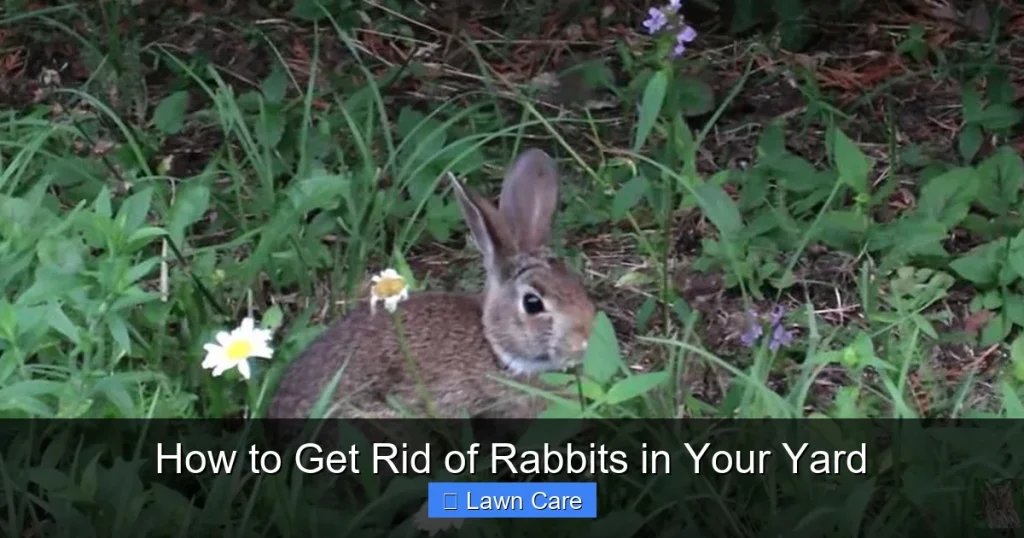
Learn how to get rid of rabbits in your yard using humane, practical methods that protect your lawn and garden. From fencing to natural repellents, this guide covers proven strategies to keep rabbits away for good.
Key Takeaways
- Identify rabbit activity early: Look for small round droppings, chewed plants, and shallow burrows to confirm rabbit presence.
- Install rabbit-proof fencing: Use 2-foot-tall chicken wire buried 6 inches deep to prevent digging and jumping.
- Use natural repellents: Spray garlic, hot pepper, or vinegar solutions on plants to deter rabbits without chemicals.
- Remove food and shelter sources: Keep grass short, clear brush piles, and store pet food securely to make your yard less inviting.
- Encourage natural predators: Install owl boxes or allow safe habitat for hawks to help control rabbit populations naturally.
- Try motion-activated deterrents: Sprinklers or lights can scare rabbits away without harming them or your lawn.
- Maintain consistency: Rabbits adapt quickly, so combine multiple methods and reapply repellents after rain.
How to Get Rid of Rabbits in Your Yard
If you’ve noticed chewed leaves, nibbled carrots, or tiny round droppings scattered across your lawn, you might have a rabbit problem. While rabbits may seem cute, they can quickly turn your beautiful garden into a buffet—especially in spring and summer when food is plentiful. The good news? You don’t need harsh chemicals or traps to solve this issue. In this guide, you’ll learn how to get rid of rabbits in your yard using safe, humane, and effective methods that protect both your plants and the environment.
Whether you’re dealing with a few occasional visitors or a full-blown rabbit family, these step-by-step strategies will help you reclaim your yard. We’ll cover everything from physical barriers to natural deterrents, so you can choose the best approach for your space.
Step 1: Confirm Rabbit Activity
Before taking action, make sure rabbits are actually the culprits. Other pests like voles, squirrels, or deer can cause similar damage.
Look for signs of rabbits:
- Chewed plants: Rabbits leave clean, angled cuts on stems and leaves—unlike the ragged tears caused by deer.
- Droppings: Small, round, brown pellets often found near feeding areas or burrows.
- Tracks: Rabbit footprints show four toes on the front feet and five on the back, with a distinctive hopping pattern.
- Burrows: Shallow holes (2–3 inches wide) near dense shrubs or under decks.
If you spot these signs, it’s time to act. Early detection prevents larger infestations and protects your lawn and garden.
Step 2: Install Rabbit-Proof Fencing
One of the most effective ways to keep rabbits out is with a physical barrier. A well-built fence can stop 90% of rabbit intrusions.
Choose the right materials:
- Use chicken wire or hardware cloth with 1-inch or smaller mesh.
- Avoid plastic netting—rabbits can chew through it.
Build the fence correctly:
- Height: Make the fence at least 2 feet tall. Rabbits can jump, but rarely higher than 18 inches.
- Depth: Bury the bottom 6 inches underground to prevent digging. Bend the buried portion outward in an L-shape for extra protection.
- Gates: Use tight-fitting gates and close them at night when rabbits are most active.
For gardens, consider a raised bed with a fenced perimeter. This keeps rabbits out while making planting and weeding easier. If you’re also dealing with other burrowing pests, check out our guide on how to get rid of moles and gophers without harming your lawn for dual protection tips.
Step 3: Use Natural Repellents
Visual guide about How to Get Rid of Rabbits in Your Yard
Image source: blog.hollyhammersmith.com
Rabbits have sensitive noses and strong taste preferences. Natural repellents can make your plants unappealing without harming the animals.
Homemade spray recipes:
- Hot pepper spray: Blend 1–2 hot peppers (like cayenne or jalapeño), 1 clove garlic, and 1 quart of water. Strain and spray on plants. Reapply after rain.
- Garlic and soap mix: Crush 3 garlic cloves, mix with 1 teaspoon liquid soap and 1 quart water. Spray on foliage.
- Vinegar solution: Mix equal parts water and white vinegar. Spray around garden borders (avoid direct contact with plants, as vinegar can damage leaves).
Commercial repellents:
Look for products containing putrescent egg solids or capsaicin. These are safe for pets and plants when used as directed. Always test on a small area first to avoid leaf burn.
Tip:
Rotate repellents every few weeks. Rabbits can get used to the same smell or taste, reducing effectiveness over time.
Step 4: Remove Food and Shelter Sources
Rabbits are drawn to yards that offer food, water, and hiding spots. Make your property less inviting by eliminating these attractions.
Keep your lawn tidy:
- Mow regularly: Short grass offers less cover and makes rabbits feel exposed.
- Clear brush and debris: Remove piles of leaves, wood, or stones where rabbits might hide.
- Trim shrubs and bushes: Keep them elevated off the ground to reduce shelter options.
Protect your garden:
- Use row covers: Lightweight fabric covers protect seedlings and low-growing plants.
- Plant rabbit-resistant varieties: Lavender, marigolds, salvia, and rosemary are less appealing to rabbits.
- Store pet food securely: Outdoor pet food or birdseed can attract rabbits and other wildlife.
If you’re also battling weeds that rabbits love, such as clover or dandelions, consider reading our article on how to get rid of clover in grass to keep your lawn healthy and less attractive to pests.
Step 5: Use Motion-Activated Deterrents
Rabbits are cautious animals. Sudden movements or sounds can scare them away without harm.
Motion-activated sprinklers:
These devices detect movement and release a burst of water. Place them near garden beds or along fence lines. The surprise spray startles rabbits and conditions them to avoid the area.
Solar-powered lights:
Install motion-sensor lights in dark corners of your yard. Rabbits prefer dim, quiet spaces, so bright flashes can deter them at night.
Ultrasonic repellents:
These emit high-frequency sounds undetectable to humans but irritating to small animals. Place them around the perimeter of your yard. Note: Effectiveness varies, so combine with other methods.
Tip:
Move deterrents every few days. Rabbits may return if they realize the device isn’t a real threat.
Step 6: Encourage Natural Predators
Nature has its own pest control system. Attracting predators can help keep rabbit populations in check.
Install owl boxes:
Owls are excellent rabbit hunters. Mount a nesting box in a tall tree or on a pole away from busy areas. Make sure it’s safe from cats and other disturbances.
Welcome hawks:
Avoid using rodenticides, which can poison hawks that eat contaminated rabbits. Keep your yard open with clear sightlines so hawks can spot prey.
Plant native shrubs:
Native plants attract birds of prey and provide habitat for beneficial insects. A balanced ecosystem naturally reduces pest problems.
Step 7: Monitor and Maintain
Getting rid of rabbits isn’t a one-time fix. It requires ongoing effort and observation.
Check fences regularly:
Look for gaps, holes, or signs of digging. Repair any damage immediately.
Reapply repellents:
Rain, wind, and sunlight break down natural sprays. Reapply every 7–10 days or after heavy weather.
Inspect plants weekly:
Catch new damage early and adjust your strategy if needed.
Keep a journal:
Note when rabbits appear, what methods work, and which areas are most vulnerable. This helps you stay ahead of future problems.
Troubleshooting Common Issues
Rabbits keep returning?
They may have found a new entry point or food source. Double-check your fence, remove hidden shelters, and switch repellents.
Repellents not working?
Try stronger concentrations or combine sprays with physical barriers. Rabbits in areas with high populations may be bolder.
Damage continues despite efforts?
You might have a larger infestation or neighboring yards with abundant food. Coordinate with neighbors or consider professional wildlife control.
Conclusion
Rabbits may be adorable, but they can wreak havoc on your lawn and garden if left unchecked. The key to success is using a combination of prevention, deterrence, and maintenance. Start by confirming rabbit activity, then install sturdy fencing, apply natural repellents, and remove attractants. Add motion-activated devices and encourage natural predators for long-term control.
Remember, consistency is crucial. Rabbits are smart and adaptable, so stay vigilant and adjust your methods as needed. With these strategies, you can enjoy a lush, rabbit-free yard all season long.
For more lawn care tips, explore our guide on how to get rid of weeds in your lawn naturally to keep your entire yard healthy and pest-resistant.