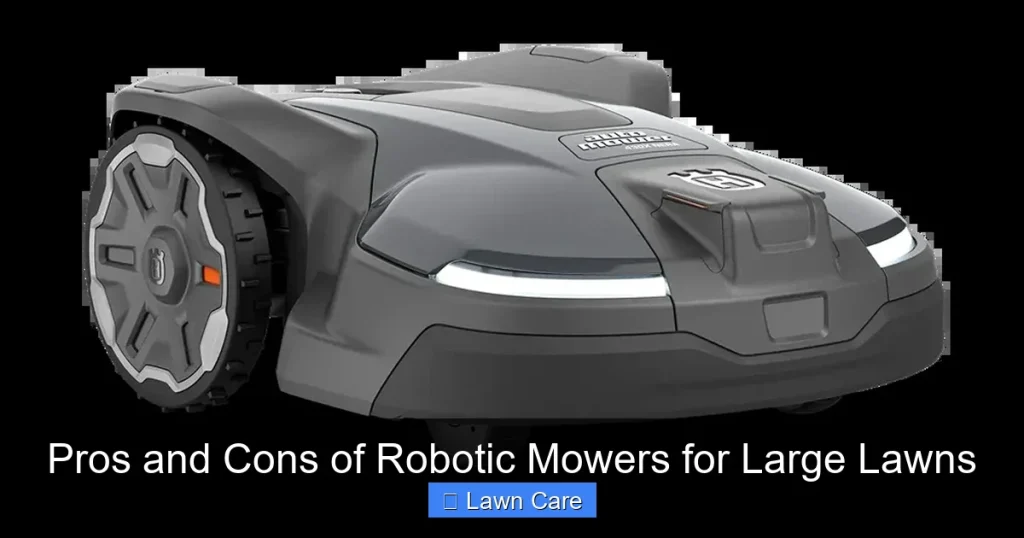
Robotic mowers offer a hands-free solution for maintaining large lawns, but they come with trade-offs. While they save time and reduce noise, upfront costs and complex setup may deter some homeowners. This guide breaks down everything you need to know.
Key Takeaways
- Automated Efficiency: Robotic mowers handle daily mowing with minimal human intervention, ideal for busy homeowners.
- Lower Noise Levels: Operate quietly compared to gas mowers, making them perfect for early morning or late evening use.
- Higher Initial Investment: Typically cost 2–3 times more than traditional mowers, though long-term savings may offset this.
- Complex Installation: Require perimeter wiring and boundary setup, which can be challenging on uneven or large terrain.
- Weather Limitations: Most models stop working in heavy rain, hail, or extreme temperatures, requiring supplemental care.
- Maintenance Needs: Still require occasional blade sharpening, battery checks, and software updates.
- Eco-Friendly Operation: Run on electricity, producing zero direct emissions and reducing your carbon footprint.
Quick Answers to Common Questions
Do robotic mowers work on large lawns?
Yes, many robotic mowers are specifically designed for large lawns. Models with extended battery life, wider cutting decks, and multiple units can efficiently cover acres of grass with minimal human intervention.
How much does a robotic mower cost?
Robotic mowers typically range from $1,000 to $3,000 or more. Entry-level models start around $1,000, while high-end models with advanced navigation and weather resistance can cost up to $4,000. Installation and additional units can increase the total cost.
Can robotic mowers handle hills and slopes?
Many modern robotic mowers are equipped with anti-theft systems and hill-climbing capabilities. Look for models rated for slopes up to 20–30 degrees. However, extremely steep or rocky terrain may still pose challenges during installation and operation.
Do robotic mowers need to be charged every day?
Yes, robotic mowers rely on battery power and must return to their charging dock when the battery runs low. Most models charge fully in 2–4 hours and can run for 60–120 minutes on a single charge, depending on lawn size and mower speed.
Are robotic mowers safe around pets and kids?
Yes, most robotic mowers are designed with safety in mind. They stop immediately upon impact, have protective bumpers, and often include PIN codes to prevent unauthorized use. Just keep small objects off the lawn to avoid sensor confusion.
📑 Table of Contents
- Introduction: The Rise of the Robotic Lawn Mower
- What Are Robotic Mowers and How Do They Work?
- Pros of Robotic Mowers for Large Lawns
- Cons of Robotic Mowers for Large Lawns
- Are Robotic Mowers Worth It for Large Lawns?
- Tips for Getting the Most Out of Your Robotic Mower
- Conclusion: A Smart Investment for the Right Homeowner
Introduction: The Rise of the Robotic Lawn Mower
Imagine never having to push a mower again. No more tangled cords, loud engines, or sore shoulders—just perfectly trimmed grass every day. For homeowners with large lawns, this dream is becoming a reality thanks to robotic mowers. These autonomous lawn care devices have evolved from novelty gadgets into serious contenders in modern yard maintenance.
Robotic mowers use GPS, sensors, and smart programming to navigate your yard and cut grass without human input. They’re especially popular among busy families, retirees, and eco-conscious homeowners who want a beautiful lawn without the hassle. But before you invest hundreds or even thousands of dollars, it’s important to weigh the pros and cons of robotic mowers for large lawns.
In this article, we’ll break down everything you need to know—from installation challenges to long-term savings—so you can decide if a robotic mower is the right fit for your property.
What Are Robotic Mowers and How Do They Work?
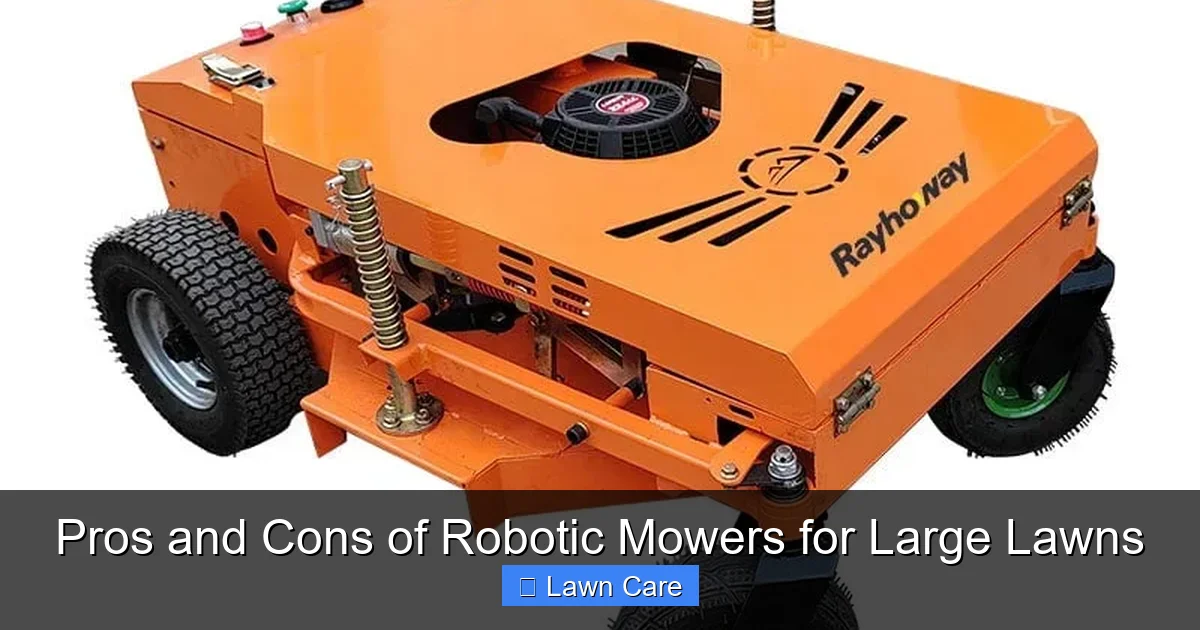
Visual guide about Pros and Cons of Robotic Mowers for Large Lawns
Image source: rayhotec.com
Robotic mowers are compact, self-propelled lawn mowers that operate autonomously. They’re powered by electricity—usually via a dock that charges the battery—and use a combination of wires, sensors, and sometimes cameras to map and navigate your lawn.
Most models start with a small perimeter wire buried around the edges of your yard. This wire tells the mower where the lawn ends and the driveway or garden begins. Inside the yard, the mower uses bump sensors, gyroscopes, and sometimes even satellite navigation to avoid obstacles like trees, flower beds, or pet waste.
Some advanced models can even learn your lawn’s layout over time and adjust their mowing patterns accordingly. They return to their charging station when the battery runs low or when it’s time for a scheduled break.
Unlike traditional mowers, robotic mowers don’t require you to push them—they do all the work themselves. That’s why they’re so appealing for large lawns where manual mowing would take hours.
Pros of Robotic Mowers for Large Lawns

Visual guide about Pros and Cons of Robotic Mowers for Large Lawns
Image source: i1.wp.com
1. Time-Saving and Convenient
One of the biggest advantages of robotic mowers is how much time they save. Instead of spending your weekends pushing a heavy mower across acres of grass, the robot does it all day while you relax.
For large lawns, this convenience is a game-changer. A robotic mower can mow daily in small passes, keeping your grass short without needing a single push. That means your lawn looks great year-round with zero effort from you.
Plus, since they run on electricity, there’s no need to refill gas or deal with fumes. Just set it up once, and it handles the rest.
2. Quiet Operation
Gas-powered mowers are notoriously loud—often exceeding 90 decibels, which is louder than a motorcycle. Robotic mowers, by contrast, operate at around 50–60 decibels—about as loud as a normal conversation.
That means you can run your mower early in the morning or late in the evening without disturbing neighbors. It’s especially useful in suburban areas with strict noise ordinances.
3. Consistent Mowing Schedule
Robotic mowers are designed to mow daily, which promotes healthier grass. Frequent, short mows encourage dense turf and prevent weeds from taking root.
On large lawns, this consistency is hard to achieve manually. Even the most dedicated homeowner can’t mow every day, especially during summer heatwaves or rainy weeks. With a robotic mower, your lawn stays uniform and well-maintained.
4. Eco-Friendly and Energy Efficient
Since robotic mowers run on electricity, they produce no direct emissions. That makes them a greener alternative to gas mowers, especially important in eco-conscious communities.
They’re also energy efficient. Most models use less power than a standard light bulb, and many come with smart features that optimize mowing during off-peak hours to save even more energy.
5. Reduced Physical Strain
Mowing a large lawn manually can be tough on your back, arms, and wrists. Robotic mowers eliminate that strain—no pushing, no pulling, no heavy lifting.
This makes them ideal for older homeowners or anyone with mobility issues. You still get a beautiful lawn, but without the physical toll.
Cons of Robotic Mowers for Large Lawns

Visual guide about Pros and Cons of Robotic Mowers for Large Lawns
Image source: lawnchick.com
1. High Upfront Cost
Robotic mowers are expensive. Entry-level models start around $1,000, while high-end models with advanced features can cost $3,000 or more.
For large lawns, you might need multiple units or a model with extended battery life—further increasing the price. Compare that to a gas mower that costs $200–$500, and the investment seems steep.
However, many homeowners find that the long-term savings on fuel, oil, and time justify the cost. Still, it’s important to budget carefully.
2. Complex Installation
Setting up a robotic mower isn’t as simple as plugging it in. Most require a perimeter wire to be buried around your lawn—a process that can take hours, especially on large or irregularly shaped yards.
If your yard has slopes, rocks, or underground utilities, installation becomes even trickier. Some homeowners hire professionals, adding $200–$500 to the total cost.
3. Limited Performance in Bad Weather
Most robotic mowers stop working in heavy rain, snow, or extreme heat. That means if your lawn gets muddy or wet, the mower won’t operate—leaving your grass uneven.
On large lawns, this can be a real problem during spring storms or summer downpours. You’ll still need to use a traditional mower for wet conditions, at least until the robot can handle them.
4. Maintenance Still Required
Despite their automation, robotic mowers aren’t maintenance-free. You’ll need to:
– Clean the blades and sensors regularly
– Replace the blade every 1–2 years
– Check the battery and charging dock
– Update firmware as needed
For large lawns, blade wear can be faster due to increased mowing time. Neglecting maintenance can reduce efficiency and shorten the mower’s lifespan.
5. Limited Cutting Width on Some Models
Not all robotic mowers are created equal. Some have narrow cutting decks (6–8 inches), which means they take many passes to cover a large area.
On a big lawn, this can extend mowing time significantly. Faster models with wider decks (10+ inches) are better for large yards, but they’re also more expensive.
Are Robotic Mowers Worth It for Large Lawns?
So, should you buy a robotic mower for your large lawn? The answer depends on your priorities.
If you value time, convenience, and quiet operation, and you’re willing to invest upfront, a robotic mower can be a great choice. They’re ideal for homeowners who want a consistently green lawn without the weekly chore.
However, if you’re on a tight budget, have a very irregular yard, or frequently deal with heavy rain, a robotic mower might not be worth it. In those cases, a traditional electric or gas mower may be more practical.
Many experts recommend starting with a mid-range model and testing it over a season. Some brands even offer rental or trial programs to help you decide.
Tips for Getting the Most Out of Your Robotic Mower
1. Start with a Clear Lawn
Before the mower starts, remove toys, garden tools, or pet waste. Robotic mowers rely on sensors to detect obstacles—small items can confuse them or get caught in the blades.
2. Use Mulching Blades
Mulching blades cut grass into tiny pieces and spread them back onto the lawn. This returns nutrients and reduces the need for fertilizer. For large lawns, this can save time and money.
3. Schedule Mowing During Cooler Hours
To reduce battery drain and extend mower life, set the robot to mow early morning or late afternoon. Avoid midday heat, especially in summer.
4. Monitor Battery Life
On large lawns, a single charge might not be enough. Consider upgrading to a model with longer battery life or adding a second unit for overlapping coverage.
5. Regularly Clean the Sensors
Dirt, grass clippings, or spiderwebs on the sensors can affect navigation. Wipe them clean every few weeks to keep your mower running smoothly.
Conclusion: A Smart Investment for the Right Homeowner
Robotic mowers are revolutionizing lawn care—especially for large lawns where manual mowing is time-consuming and physically demanding. With their quiet operation, consistent performance, and eco-friendly design, they offer a compelling alternative to traditional mowers.
But they’re not perfect. The high cost, complex setup, and weather limitations mean they’re not for everyone. If you’re willing to invest time and money upfront, and you have a manageable yard, a robotic mower could be one of the best purchases you make for your home.
Just remember: no mower is truly hands-free. You’ll still need to maintain it, troubleshoot issues, and occasionally step in during bad weather. But for most large lawns, the benefits far outweigh the drawbacks.
Before you decide, compare models, read reviews, and consider renting one first. And if you’re curious about other lawn care options, check out our article on The Pros And Cons Of Electric Vs Gas Lawn Mowers to see how robotic mowers stack up against traditional choices.
With the right model and a little care, your robotic mower can keep your lawn looking pristine—without lifting a finger.
Frequently Asked Questions
Are robotic mowers better than gas mowers for large lawns?
Robotic mowers offer greater convenience and lower long-term operating costs for large lawns, but gas mowers are more affordable upfront and perform better in wet or extreme conditions. The best choice depends on your budget and lawn care preferences.
How often should a robotic mower mow?
Most robotic mowers are programmed to mow daily in short passes. This frequent mowing promotes healthy, dense grass and prevents weeds. Some models allow you to adjust frequency based on grass growth and seasonal changes.
Can robotic mowers work in the rain?
Most robotic mowers are weather-resistant and can operate in light rain, but they typically stop working in heavy rain, snow, or extreme temperatures. Always check your model’s IP rating for water and dust resistance.
Do I need to maintain a robotic mower?
Yes, regular maintenance is required. This includes cleaning the blades and sensors, replacing the blade every 1–2 years, checking the battery, and updating software. Neglecting maintenance can reduce performance and lifespan.
Can I use a robotic mower on a lawn with trees and obstacles?
Yes, most robotic mowers use sensors and mapping technology to navigate around trees, flower beds, and other obstacles. However, dense foliage or small objects on the lawn can confuse the sensors, so keep the area clear for best results.
How long does it take to install a robotic mower?
Installation typically takes 2–6 hours, depending on lawn size and complexity. It involves burying a perimeter wire around the edges of your yard. Some homeowners hire professionals, which adds $200–$500 to the total cost.