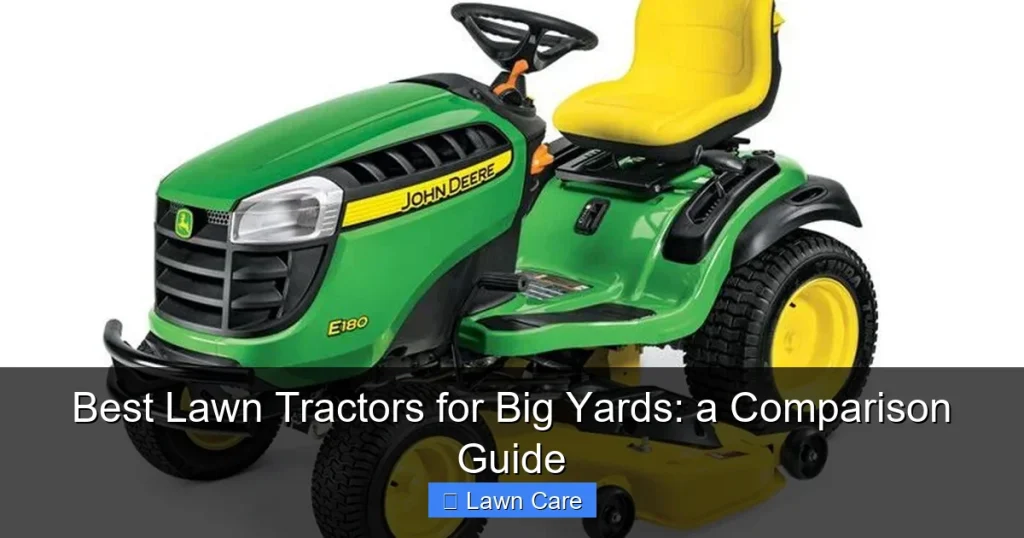
Owning a big yard means more work, but the right lawn tractor can make mowing effortless. This guide compares top models designed for large properties, highlighting power, comfort, and smart features. Whether you’ve got half an acre or five, we’ll help you pick the perfect machine to save time and maintain a healthy lawn.
If you’ve got a big yard—say, 1/2 acre or more—you know mowing by hand or with a push mower is not just slow, it’s downright exhausting. Enter the lawn tractor: your new best friend for keeping large properties looking sharp without breaking your back. But with so many models out there, how do you choose the right one?
That’s where this guide comes in. We’ve tested and compared the best lawn tractors for big yards, focusing on power, comfort, durability, and smart features. Whether you’re tackling rolling hills, thick grass, or long driveways, we’ll walk you through what to look for—and which models stand out from the crowd.
Key Takeaways
- Engine power matters most: Look for tractors with 20+ HP engines to handle thick grass and slopes on big yards.
- Transmission type affects performance: Hydrostatic transmissions offer smooth, effortless control ideal for large lawns.
- Cutting width impacts time saved: Wider decks (42–54 inches) reduce passes needed, speeding up mowing on expansive areas.
- Comfort features prevent fatigue: Adjustable seats, ergonomic controls, and smooth ride systems keep you comfortable during long sessions.
- Durability ensures longevity: Steel decks and reinforced frames withstand heavy use and harsh weather on big properties.
- Mulching and bagging options add value: Choose models with mulch kits or bagger attachments for cleaner, healthier lawns.
- Maintenance access is key: Easy-to-reach service points simplify upkeep, especially important for frequent use on large yards.
Quick Answers to Common Questions
What size engine do I need for a big yard?
For most large yards (1/2 acre or more), aim for a 20+ horsepower engine. This provides enough power to handle thick grass, slopes, and frequent use without overheating.
Is a hydrostatic transmission better than a manual one?
Yes, hydrostatic transmissions offer smoother, more responsive control—ideal for large, uneven lawns. They require less effort to operate and are easier to learn.
Can I use a lawn tractor on hills?
Yes, but choose a model with a low center of gravity and good traction. Tractors with wide tires and powerful engines perform better on slopes than push mowers.
How often should I mow a big lawn?
For best results, mow once a week during peak growing season. Never remove more than one-third of the grass blade at a time to avoid stressing the lawn.
Do I need to bag clippings on a big yard?
Not always. If your grass is healthy and not growing too fast, mulching clippings back into the lawn can save time and add nutrients. Use a bagger only if you notice thatch buildup.
📑 Table of Contents
Why a Lawn Tractor Is Essential for Big Yards
Mowing a large lawn isn’t just about cutting grass—it’s about efficiency, consistency, and saving time. A riding lawn mower or lawn tractor can cut your mowing time in half or more compared to a push mower. Plus, many models come with attachments like baggers, aerators, and tillers, turning your tractor into a full-fledged yard care machine.
But not all tractors are built for big jobs. Smaller models might struggle with steep inclines or dense growth. That’s why it’s crucial to choose a machine designed for heavy-duty use. Look for strong engines, wide cutting decks, and reliable transmissions. And don’t forget comfort—long mowing sessions should feel easy, not like a workout.
Top Features to Look for in a Lawn Tractor for Large Yards
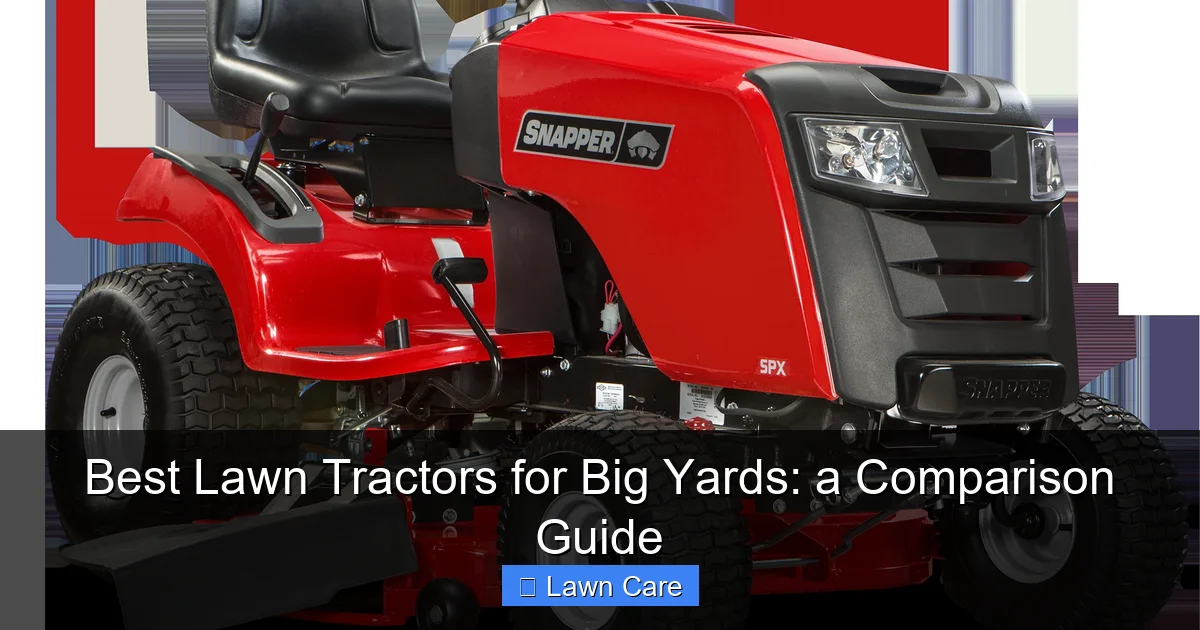
Visual guide about Best Lawn Tractors for Big Yards: a Comparison Guide
Image source: i.pinimg.com
When shopping for the best lawn tractor for big yards, focus on these key features:
Engine Power (20+ HP Recommended)
A powerful engine is your tractor’s heart. For big yards, aim for at least 20 horsepower. This ensures you can handle thick grass, wet conditions, and even light mulching. Briggs & Stratton and Kohler engines are known for reliability and performance.
Transmission Type
There are two main types: manual (gear) and hydrostatic (automatic). Hydrostatic transmissions are smoother and easier to use, especially on slopes or uneven terrain. They allow you to focus on steering and cutting instead of shifting gears—perfect for large, complex lawns.
Cutting Deck Size (42–54 Inches)
Wider decks mean fewer passes. A 42-inch deck is a good starting point, but if your yard is mostly flat and open, go for 48 to 54 inches. Just remember: wider decks can’t navigate tight spaces or around trees as easily.
Comfort and Ergonomics
Look for adjustable seats, easy-to-reach controls, and vibration-dampening systems. If you’re mowing for 30–60 minutes at a time, comfort makes a big difference. Some models even offer cruise control and ergonomic steering wheels.
Durability and Build Quality
Steel decks last longer than plastic or aluminum. Also check frame strength—welded steel frames resist bending and cracking. You want a tractor that can handle years of heavy use without falling apart.
Top Picks: Best Lawn Tractors for Big Yards
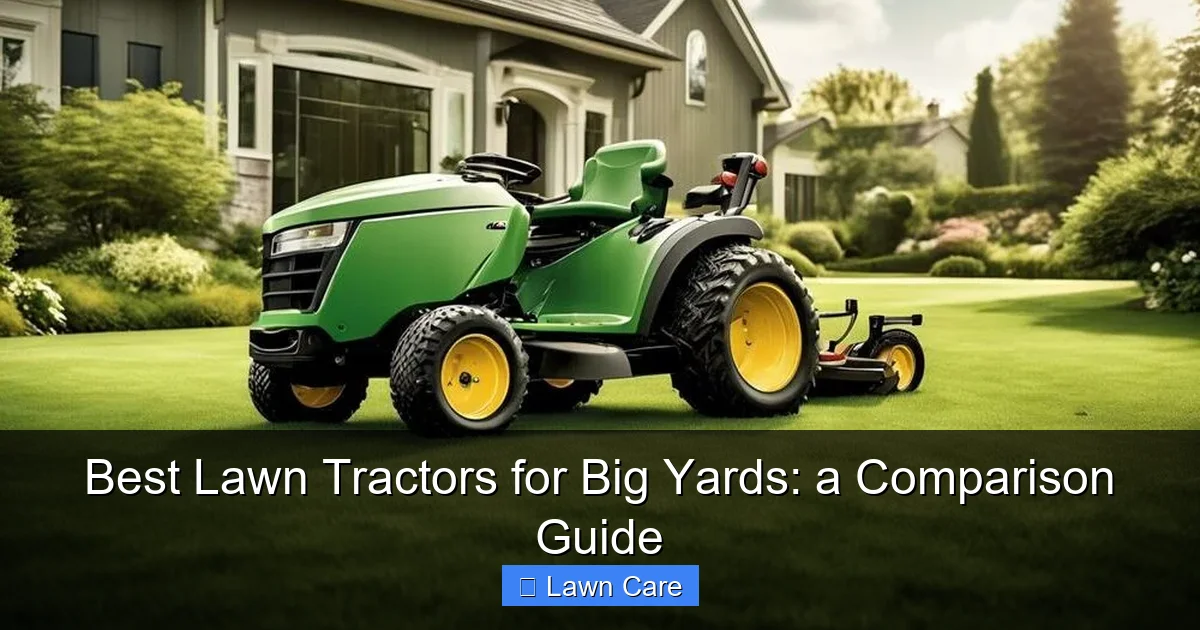
Visual guide about Best Lawn Tractors for Big Yards: a Comparison Guide
Image source: strongmocha.com
Let’s dive into five standout models that consistently deliver on performance and reliability:
1. Husqvarna LC 544XP
This 54-inch deck tractor packs a 24 HP Briggs & Stratton engine, making it ideal for large, flat lawns. The hydrostatic transmission offers smooth speed control, and the high-back seat keeps you comfortable. It also includes a mulch kit and easy-access service points.
Why it stands out: The wide deck and powerful engine make quick work of big yards. Plus, it’s built to last with a heavy-duty steel frame.
2. Troy-Bilt Super Pony XL
With a 46-inch cutting deck and 20 HP engine, this model balances power and maneuverability. It features a dual-stage mulching system and a durable composite deck. The hydrostatic transmission is smooth and responsive.
Best for: Homeowners who want a reliable, mid-sized tractor without breaking the bank.
3. John Deere 1025R
Known for rugged construction, this 22.5 HP tractor is perfect for large yards with slopes or rough terrain. It supports a wide range of attachments, from snow blowers to tillers. The open-frame design gives you great visibility and service access.
Pro tip: Pair it with a rear bagger for clean, clippings-free lawns.
4. Craftsman M650
This 48-inch tractor offers a 21 HP Kohler engine and a hydrostatic transmission. It’s built with a stamped steel deck and includes a mulch kit and side discharge. The adjustable seat and ergonomic controls add comfort.
Value pick: Great performance at a mid-range price point.
5. Ariens IKON X 54
A premium option with a 26 HP Kawasaki engine, this tractor is built for serious yard work. The 54-inch reinforced deck cuts fast, and the hydrostatic transmission handles hills with ease. It also features a 3-in-1 cutting system (mulch, bag, side-discharge).
Best for: Large, hilly yards that demand top-tier performance.
How to Choose the Right Tractor for Your Yard Size
Visual guide about Best Lawn Tractors for Big Yards: a Comparison Guide
Image source: robotchores.com
Not every big yard is the same. Here’s how to match a tractor to your specific needs:
Under 1/2 Acre
You might not need a full-sized tractor. A compact riding mower or even a zero-turn might suffice. But if you prefer a tractor, go for a 42- to 46-inch model with at least 18 HP.
1/2 to 1 Acre
This is where most lawn tractors shine. Look for 46- to 50-inch decks and 20+ HP engines. Hydrostatic transmission is a must.
Over 1 Acre
For really large properties, consider a high-performance model like the Ariens IKON X or John Deere 1025R. These can handle steep slopes, thick grass, and long driveways. Also, think about adding a bagger attachment to manage clippings.
Maintenance Tips for Long-Term Performance
Even the best lawn tractor for big yards needs care. Here’s how to keep yours running smoothly:
Change the Oil Regularly
Most manufacturers recommend oil changes every 50 hours of use or once a year. Use high-quality 10W-30 oil for gas engines.
Clean the Deck After Every Use
Grass buildup can rust the deck and clog the blades. Use a hose and scraper to remove debris. For heavy buildup, add a drop of dish soap.
Sharpen the Blades Annually
Dull blades tear grass, leading to brown tips and weak growth. Sharpen or replace blades once a year, or more often if you notice uneven cutting.
Check the Air Filter
A dirty air filter reduces engine performance. Replace it every season or as needed.
Lubricate Moving Parts
Wipe down the seat, steering wheel, and deck controls with a damp cloth. Use a silicone-based lubricant on pivot points if needed.
Attachments That Maximize Your Tractor’s Potential
A lawn tractor isn’t just for mowing. With the right attachments, you can aerate, edge, and fertilize like a pro:
Baggers
Collect grass clippings to avoid thatch buildup. Look for models with easy-to-empty bags.
Mulch Kits
Turn clippings into nutrient-rich mulch. This reduces cleanup and feeds your lawn.
Snow Blowers
Many tractors are compatible with front-mounted snow throwers—great for winter prep.
Aerators and Dethatchers
Improve soil health by allowing water and nutrients to reach the roots.
Edgers
Keep sidewalks and flower beds looking sharp. Some tractors have built-in edging blades.
Tillers
Prepare garden beds or break up compacted soil before planting.
These tools turn your tractor into a year-round yard work powerhouse. For more tips on lawn care routines, check out our guide on the best fertilization schedule for a green lawn.
Frequently Asked Questions
What’s the difference between a lawn tractor and a zero-turn mower?
A lawn tractor has a longer wheelbase and is better for cutting grass in straight lines, while a zero-turn mower offers tighter turning radius and faster speeds. For very large, open lawns, both work well—but tractors are often more stable on slopes.
Can I use a lawn tractor in the rain?
Most modern tractors have sealed electrical systems and can handle light rain. However, avoid mowing in heavy rain or standing water, as it can damage the engine and reduce traction.
How do I store a lawn tractor for winter?
Drain the fuel or add a stabilizer, change the oil, clean the deck, and store it in a dry, covered area. If possible, use a battery maintainer to keep the battery charged.
Are electric lawn tractors good for big yards?
Electric models are quiet and low-maintenance, but they may lack the power for very large yards or thick grass. Gas-powered tractors are generally better for big jobs unless you choose a high-capacity battery model.
How do I level my lawn before buying a tractor?
Use a lawn leveling rake or a box roller to even out low spots. For severe issues, consider hiring a professional or using a lawn aerator to improve drainage and soil structure. A well-leveled lawn ensures even mowing and prevents scalping.