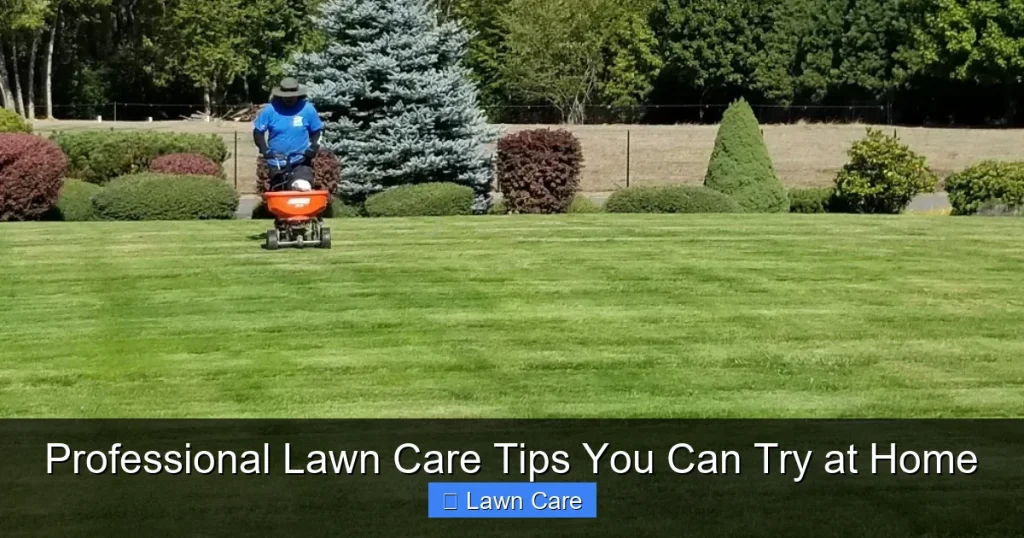
Achieve a professional-looking lawn with these accessible home-based tips! Learn the secrets to proper mowing, effective watering techniques, and intelligent fertilizing to transform your yard. We cover everything from pest prevention to soil health, empowering you to create your dream lawn without the professional price tag.
Are you tired of looking at your lawn and wishing it had that picture-perfect, lush green appeal you see in magazines or from professional services? Many homeowners believe achieving a truly magnificent lawn requires expensive equipment and specialized knowledge. But guess what? The truth is, many professional lawn care techniques are surprisingly simple and can be implemented right in your own backyard. You don’t need to hire an expensive service to get those enviable results. With a little know-how and some consistent effort, you can transform your lawn into a vibrant, healthy oasis.
This article is your guide to unlocking those professional lawn care secrets. We’ll break down the essential practices that landscapers use and show you how to apply them yourself. From the perfect mowing height to intelligent watering strategies, and from smart fertilization to natural pest control, we’ve got you covered. Get ready to impress your neighbors and enjoy a lawn you’ll be proud of all season long!
Key Takeaways
- Master Mowing Heights: Adjust your mower to the correct height for your grass type to promote healthier growth and reduce weed invasion.
- Water Wisely: Water deeply and infrequently, ideally in the early morning, to encourage strong root systems and prevent disease.
- Feed Your Lawn Smartly: Use the right fertilizer at the right time, based on soil needs and seasonal changes, for optimal growth.
- Improve Soil Health: Aerating and overseeding can significantly improve soil structure, drainage, and grass density.
- Natural Pest and Weed Control: Implement preventative measures and eco-friendly solutions to manage common lawn issues.
- Observe and Adapt: Regularly inspect your lawn for signs of stress, disease, or pests and adjust your care routine accordingly.
Quick Answers to Common Questions
How often should I water my lawn?
Water your lawn deeply and infrequently, aiming for about 1 inch of water per week. This can be achieved in one or two watering sessions, depending on your climate and soil type.
What is the best time of day to water my lawn?
The best time to water is in the early morning, between 4 a.m. and 10 a.m. This allows the water to soak into the soil before evaporation occurs and helps prevent fungal diseases.
Why is it important to sharpen lawn mower blades?
Sharp blades cut grass cleanly, promoting healthier growth and preventing stress and disease. Dull blades tear the grass, leaving ragged edges that can make your lawn look brown and unhealthy.
What do the numbers on fertilizer bags mean?
The three numbers on a fertilizer bag (e.g., 10-10-10) represent the percentage of nitrogen (N), phosphorus (P), and potassium (K) by weight. These nutrients are essential for grass growth and health.
How can I improve my soil health?
Improve soil health by aerating your lawn to reduce compaction, overseeding to thicken grass, and amending the soil with compost or topsoil to enhance its structure and fertility.
📑 Table of Contents
The Foundation: Mowing for a Healthier Lawn
Mowing might seem straightforward, but there’s a science to it that professionals understand and utilize. It’s not just about cutting the grass; it’s about cutting it in a way that promotes vigorous growth, disease resistance, and a beautiful appearance. Getting this right is the first, and perhaps most crucial, step in professional lawn care.
Mow Higher, Not Lower
A common mistake beginners make is cutting their grass too short. Professionals know that a longer grass blade is a stronger grass blade. Taller grass shades the soil, which helps retain moisture and prevents weed seeds from germinating. Different grass types have different optimal mowing heights, but generally, aim for about 2.5 to 3.5 inches for most cool-season grasses and 1 to 2 inches for warm-season grasses. If you’re unsure about your grass type, a quick online search or a visit to your local garden center can help. Remember the “one-third rule”: never cut more than one-third of the grass blade’s length at any single mowing.
Keep Those Blades Sharp!
Dull mower blades tear the grass, leaving ragged edges that are susceptible to disease and look unsightly. A dull blade will make your lawn appear brown and stressed, even if everything else is perfect. Professionals make it a habit to sharpen their mower blades regularly. This is an easy DIY task that makes a huge difference. You can often sharpen them yourself with a file or grinder, or take them to a local shop for professional sharpening. Consider doing this at least once or twice a season, especially if you have a lot of tough grass or often encounter small twigs. Learning how to sharpen your lawn mower blade at home can save you money and keep your lawn looking its best.
Vary Your Mowing Pattern
Mowing in the same direction every time can create ruts and compact the soil. Professionals often switch up their mowing pattern – going north-south one week, east-west the next, and perhaps even diagonally the week after. This helps to prevent the grass from growing in a particular direction and promotes a more upright, even growth. It also helps reduce soil compaction.
The Art of Watering: Deeper is Better

Visual guide about Professional Lawn Care Tips You Can Try at Home
Image source: powerequipmentct.com
Water is essential for life, and that includes your lawn. However, how and when you water can make or break your lawn’s health. Professionals understand that infrequent, deep watering is far more beneficial than frequent, shallow watering.
Watering Deeply and Infrequently
The goal is to encourage deep root growth. When you water shallowly, grass roots stay near the surface, making them more vulnerable to drought and heat. By watering deeply, you’re encouraging the roots to grow down into the soil in search of moisture. This results in a more resilient and drought-tolerant lawn. How deep? Aim for about 1 inch of water per week, delivered in one or two watering sessions. You can check how much water you’re applying by placing a few shallow containers (like tuna cans) around your lawn while the sprinklers are running.
The Best Time to Water
Timing is critical. The best time to water your lawn is in the early morning, typically between 4 a.m. and 10 a.m. This allows the water to soak into the soil before the heat of the day causes excessive evaporation. Watering in the morning also helps prevent fungal diseases that thrive in moist conditions overnight. Avoid watering in the heat of the day, as much of the water will evaporate before it reaches the roots. Can you water lawn at night? While it might seem counterintuitive, watering at night is generally discouraged because the grass stays wet for too long, increasing the risk of fungal diseases.
Understand Your Lawn’s Needs
Different grass types have different watering requirements, and environmental factors play a huge role. During hot, dry spells, your lawn will need more water. Conversely, during cooler, rainy periods, you might be able to skip watering altogether. Pay attention to the signs your lawn is giving you: if it starts to look dull or your footprints remain visible for a while after walking on it, it’s likely thirsty.
Feeding Your Lawn: The Right Nutrients at the Right Time
Fertilizing is one of the most effective ways to give your lawn a boost, but it’s also one of the easiest to get wrong. Professionals use a strategic approach to fertilization, focusing on providing the necessary nutrients when the grass needs them most.
Understanding Fertilizer Numbers (N-P-K)
Fertilizer bags have three numbers, like 10-10-10 or 20-5-10. These represent the percentages of nitrogen (N), phosphorus (P), and potassium (K) by weight. Nitrogen promotes leafy green growth, phosphorus helps with root development, and potassium strengthens the plant’s overall health and disease resistance. Most established lawns benefit most from nitrogen, but a soil test can tell you exactly what your lawn needs.
Seasonal Fertilization Strategy
The best time to fertilize depends on your grass type and climate. For cool-season grasses (like fescue, bluegrass, and ryegrass), fall is the most critical feeding time, followed by spring. In fall, the grass is storing energy for winter and preparing for spring growth. In spring, a light feeding can help it recover from winter and green up. For warm-season grasses (like Bermuda, Zoysia, and St. Augustine), spring and summer are the primary feeding times. Avoid fertilizing during extreme heat or drought, as this can stress the grass. It’s also important to know can you fertilize lawn during a heatwave – generally, it’s not recommended.
How to Apply Fertilizer
Always follow the instructions on the fertilizer packaging. Use a spreader for even application to avoid “burning” your lawn with concentrated patches of fertilizer. After applying, water your lawn lightly to help the fertilizer dissolve and move into the soil. This also helps prevent the fertilizer from blowing away or being washed off by rain. If you’ve recently mowed, you might wonder can you mow after fertilizing the lawn? It’s generally best to wait a day or two after fertilizing before mowing to allow the grass to absorb the nutrients.
Soil Health: The Unseen Hero of a Great Lawn
A beautiful lawn doesn’t just happen on the surface; it starts with healthy soil underneath. Professionals often focus on soil health as a long-term strategy for a resilient and vibrant lawn.
Aeration: Letting Your Lawn Breathe
Over time, foot traffic, mowers, and heavy rainfall can compact your soil. Compacted soil restricts air, water, and nutrient penetration to the grass roots. Aeration involves creating small holes in the soil to alleviate this compaction. You can rent a core aerator from a local home improvement store, or for smaller lawns, a garden fork can be used to manually aerate. Can you rent an aerator from Home Depot? Yes, these machines are often available for rent. Aerating once a year in the fall (for cool-season grasses) or late spring/early summer (for warm-season grasses) is generally sufficient. Avoid aerating when the grass is stressed or dormant, and don’t overdo it, as can you aerate your lawn too much? Yes, it’s possible to do more harm than good if done too frequently or at the wrong time.
Overseeding for Density and Resilience
Overseeding is the process of sowing grass seed over an existing lawn. This is a fantastic way to fill in thin or bare spots, introduce improved grass varieties, and increase the overall density of your lawn. The best time to overseed is after aeration, when the seeds have good contact with the soil. For cool-season grasses, fall is ideal. You can purchase grass seed mixes that are tailored for your region and the specific conditions of your lawn (e.g., shade-tolerant, drought-resistant).
The Power of Compost and Topsoil
Amending your soil with compost or topsoil is another excellent way to improve its structure and fertility. Compost adds organic matter, which improves drainage in clay soils and water retention in sandy soils. It also introduces beneficial microbes. Topsoil can help fill in low spots and provide a better medium for grass growth. Professionals often use these amendments as part of their overall lawn health strategy. Indeed, can you repair lawn using compost and topsoil? Absolutely, it’s one of the most effective ways to improve turf quality.
Keeping Pests and Weeds at Bay: Prevention is Key
No one wants a lawn riddled with weeds or damaged by pests. While professionals have access to a range of treatments, many preventative measures and eco-friendly solutions can be implemented at home.
Healthy Turf is the Best Defense
A thick, healthy lawn is your first line of defense against weeds and pests. When grass is growing vigorously, it crowds out weeds and makes it harder for pests to establish themselves. Following the mowing, watering, and feeding tips above will naturally lead to a healthier lawn that is more resistant to problems.
Identify Before You Treat
Before you reach for any product, take the time to identify the specific weed or pest you’re dealing with. Many broadleaf weeds can be hand-pulled when the soil is moist. For persistent weeds, consider targeted herbicides. If you have insect problems, identifying the insect will help you choose the most effective and least harmful treatment. For example, grubs can weaken grass, making it susceptible to drought and pest damage.
Natural and Eco-Friendly Solutions
There are many natural ways to manage lawn issues. For weed control, consider using corn gluten meal as a pre-emergent weed suppressant. For pest control, introducing beneficial insects like ladybugs can help control aphids. Dethatching can also help improve air circulation and reduce the habitat for some pests. Can you dethatch lawn without a machine? Yes, with some effort, manual dethatching is possible for smaller areas.
Observe and Adapt: Your Lawn is a Living Ecosystem
Perhaps the most professional approach you can take is to become a keen observer of your own lawn. It’s a dynamic, living ecosystem that changes throughout the year and responds to its environment. Regularly inspecting your lawn will help you catch problems early and adjust your care routine as needed.
Regular Inspections
Walk your lawn regularly, at least once a week. Look for changes in color, texture, and growth patterns. Check for signs of insect damage (chewing, wilting), fungal diseases (spots, patches), or weed infestations. Early detection is key to effective treatment and prevents minor issues from becoming major problems.
Seasonal Adjustments
Your lawn care routine should adapt to the seasons. Spring might require dethatching and aerating, while summer demands careful watering to combat heat. Fall is the time for aeration, overseeding, and preparing the lawn for winter. Understanding these seasonal needs will help you proactively manage your lawn’s health. For instance, learning about spring lawn care tips specific to your region can be incredibly beneficial.
When to Seek Professional Help
While this guide empowers you to do much of the work yourself, there are times when professional expertise is invaluable. For complex pest or disease issues, or if you’re dealing with a large property with specific challenges, a professional lawn care service can offer specialized solutions and treatments. However, by applying these home-friendly professional tips, you’ll significantly reduce the need for such interventions.
In conclusion, achieving a professional-quality lawn is well within your reach. By focusing on the fundamentals of proper mowing, strategic watering, intelligent fertilization, robust soil health, and proactive pest management, you can cultivate a lawn that is not only beautiful but also healthy and resilient. It takes consistency and a willingness to learn, but the rewards of a stunning lawn are well worth the effort. So, roll up your sleeves, grab your tools, and get ready to transform your lawn into the envy of the neighborhood! This approach to lawn care is also a great way to start your own lawn care journey. For beginners, understanding the basics of how to start lawn care at home is essential for long-term success.
Frequently Asked Questions
What is the ideal mowing height for my grass?
The ideal mowing height varies by grass type. Generally, aim for 2.5 to 3.5 inches for cool-season grasses and 1 to 2 inches for warm-season grasses. Always avoid cutting more than one-third of the grass blade at a time.
How can I tell if my lawn is getting enough water?
Your lawn is likely thirsty if it starts to look dull or if your footprints remain visible for a while after walking on it. You can also use a simple tuna can test with your sprinklers to measure water application.
What are some signs of lawn pests or diseases?
Signs include wilting grass, brown or discolored patches, visible insects like grubs or chinch bugs, and chewed or damaged grass blades. Early detection is key to effective treatment.
Is it okay to leave grass clippings on the lawn?
Yes, leaving grass clippings on the lawn, a practice called “grasscycling,” can be beneficial. The clippings decompose and return valuable nutrients to the soil. Ensure they are short and not clumping.
When is the best time to aerate my lawn?
For cool-season grasses, fall is generally the best time for aeration. For warm-season grasses, late spring or early summer is usually optimal. Avoid aerating when the grass is stressed or dormant.
How can I deal with weeds without using harsh chemicals?
You can tackle weeds through manual pulling, improving lawn health to outcompete them, or using natural pre-emergent treatments like corn gluten meal. For persistent weeds, targeted spot treatments with eco-friendly herbicides might be an option.