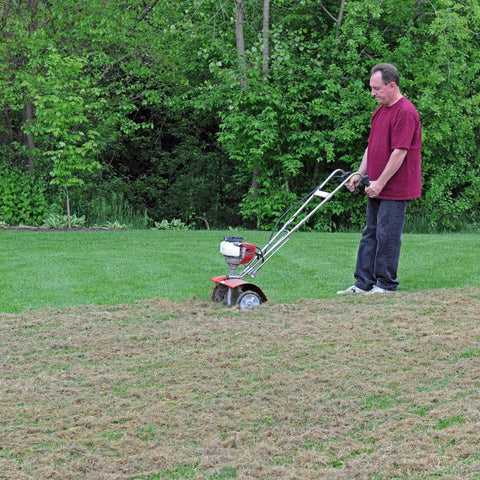
Yes, you can dethatch your lawn without using a machine, and it’s quite possible to do effectively with some simple tools and elbow grease. The key is to physically remove the thatch layer using manual methods, which can be just as successful as renting or buying a dethatching machine if done properly.
In short, dethatching without a machine involves using manual tools like a dethatching rake, a garden fork, or even a simple rake to pull out the thatch layer. While it takes more effort and time, this approach is budget-friendly and suitable for small to medium lawns. With patience and the right technique, you can restore your lawn’s health without needing heavy equipment.
Dethatching is an essential part of lawn care that helps improve air, water, and nutrient penetration, making your grass healthier and more vibrant. Many homeowners shy away from renting or buying a dethatching machine because of the cost or storage issues, but you don’t have to rely on one. Manual dethatching is a practical alternative that allows you to tackle the problem directly with common garden tools. Whether you’re dealing with a patchy, thatchy yard or just want to give your lawn a fresh start, knowing how to dethatch without a machine empowers you to maintain a lush, healthy lawn at home with simple methods.

Can you dethatch lawn without a machine?
Understanding the Need for Dethatching
Dethatching is an important lawn care task. It helps remove the thick layer of thatch that builds up between grass blades and the soil. This layer can prevent water, nutrients, and air from reaching the roots properly. If left unchecked, it can cause your lawn to become unhealthy and thin.
Why Dethatch Without a Machine?
Many homeowners wonder if they can dethatch without a machine. Not everyone owns a dethatching machine or wants to rent one. Manual methods can be effective and are often more affordable. Plus, they give you control over the process and allow you to focus on specific areas.
Tools Needed for Manual Dethatching
To dethatch without a machine, you’ll need some essential tools. These include:
- Rake: A sturdy landscape or power rake is ideal. Look for a spring-tined rake for better results.
- Garden fork or cultivator: Useful for loosening compacted soil and removing thatch layers.
- Shovel or spade: Helps lift and remove thatch manually in thicker areas.
- Gloves: Protect your hands during the process.
Step-by-Step Guide to Dethatching by Hand
Dethatching manually requires patience but is very doable. Follow these steps for the best results:
1. Prepare Your Lawn
Start by watering your lawn a day before dethatching. Moist soil makes it easier to loosen and remove thatch. Also, mow your grass to a shorter height to access the thatch layer better.
2. Identify Thatch Batches
Examine your lawn to see where the thatch layer is thickest. Usually, it appears as a spongy or brownish layer just above the soil.
3. Use a Rake to Loosen Thatch
Begin raking in the direction of the grass blades. Use a spring-tined rake for better penetration. Work across your lawn, pulling up the thatch and debris. Be gentle to avoid damaging the grass.
4. Lift and Remove Thatch
Use a shovel or garden fork for thicker sections. Carefully pry up thick patches of thatch, especially where the layer is more than half an inch thick. Collect the debris and discard it.
5. Aerate and Reseed
After dethatching, aerate the soil for better air and water flow. This can be done with a manual aerator or garden fork. Reseed any bare patches to promote healthy grass growth.
Additional Manual Methods for Dethatching
Besides raking, other manual tools can aid in dethatching.
Hula Hoe or Cultivator
These tools help loosen the thatch layer more efficiently. Push them gently through the grass, then rake up the debris.
Power Rakes or Scarifiers
While technically machines, some manual versions are available that are less bulky. They can make dethatching easier without using heavy equipment.
Advantages of Dethatching Without a Machine
Manual dethatching offers several benefits:
- Lower Cost: No need for renting or purchasing expensive machinery.
- Better Control: Focus on problem areas for targeted care.
- Gentler on Your Lawn: Reduced risk of damaging grass with heavy equipment.
- Good Exercise: It’s a great way to stay active while caring for your yard.
Challenges and Tips for Success
While manual dethatching is possible, it requires labor and time. Here are some tips to make it more effective:
- Work when the soil is moist: Soft soil makes pulling up thatch easier.
- Divide the task into sections: Focus on small areas at a time to stay efficient.
- Take breaks: Manual work can be tiring; pace yourself.
- Follow up with fertilizing and watering: Help your lawn recover after dethatching.
When to Dethatch Your Lawn Manually
Timing is essential for effective dethatching. Best times include early spring or fall when grass is actively growing. Avoid dethatching during periods of drought or extreme heat to reduce stress on your lawn.
Alternatives to Dethatching with a Machine
If manual dethatching seems too demanding, consider alternatives:
- Use a power rake or dethatching machine for larger or thicker lawns.
- Hire a professional landscaper for extensive dethatching needs.
- Consider aeration as a less invasive way to improve soil health.
Final Thoughts on Dethatching Without a Machine
Dethatching your lawn without a machine is entirely doable with the right tools and patience. It allows you to maintain a healthy, lush lawn at a lower cost and with greater control. Regular maintenance combined with manual dethatching can dramatically improve your yard’s appearance and health.
Remember, always monitor your lawn’s condition and avoid over-dethatching, which can weaken roots and stress your grass. With proper timing and technique, your lawn will stay vibrant and resilient all season long.
DON’T DETHATCH Your LAWN Before Watching – Your Questions Answered
Frequently Asked Questions
What are effective manual methods to dethatch a lawn without using a machine?
You can use a garden rake with stiff tines to manually remove thatch buildup. Working the rake into the soil and pulling up dead grass and roots helps loosen thatch. Alternatively, you can use a dethatching fork or garden fork to lift and extract thatch by inserting it into the soil and rocking it back and forth. These tools require more effort but are effective for small areas or for homeowners preferring hands-on methods.
Can I use household tools to dethatch my lawn?
Yes, household tools like a sturdy garden rake or a dethatching rake can be used to remove thatch. A rake with stiff, sharp tines effectively pulls away dead material from the soil surface. For thicker thatch layers, combining raking with aeration tools like a fork or even manually using a hoe or garden fork can help loosen compacted debris and promote healthy grass growth.
How does manual dethatching impact the health of my lawn?
Manual dethatching can improve your lawn’s health by allowing better airflow and water penetration to the soil. By removing the buildup of thatch, you enable grass roots to access nutrients more effectively, which encourages stronger growth. Regular manual dethatching also helps prevent diseases caused by excess thatch and promotes a denser, more resilient lawn overall.
What precautions should I take when dethatching manually?
Before manual dethatching, ensure your grass is moist to prevent damaging the roots. Start gently to avoid tearing the grass or soil. Avoid working during the hottest part of the day to minimize stress on your lawn. After dethatching, water your lawn thoroughly and consider overseeding or fertilizing to promote recovery and healthy growth.
Is manual dethatching suitable for all types of lawns?
Manual dethatching suits most lawns, especially smaller areas or lawns with light thatch buildup. However, for lawns with thick thatch layers or extensive areas, manual work can be labor-intensive and less practical. In such cases, using power tools or consulting a lawn care professional might produce more efficient results while still maintaining lawn health.
Final Thoughts
Dethatching your lawn without a machine is possible using simple tools like a rake or a dethatching fork. Manual methods require more effort but are effective for small patches.
Regular dethatching improves air circulation, promotes healthy growth, and enhances overall lawn health.
Can you dethatch lawn without a machine? Yes, with persistence and the right tools, you can maintain a healthy, lush lawn without heavy equipment.