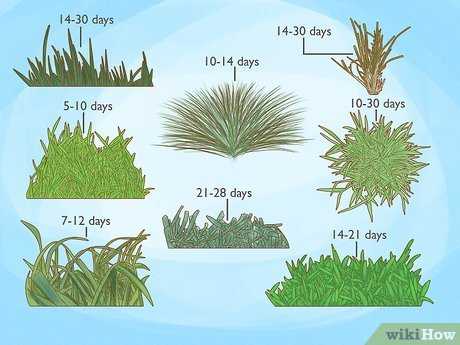
Bermuda grass seeds typically take about 7 to 21 days to sprout, but full establishment can take several weeks to a few months depending on conditions. Want a lush, green lawn? Patience is key!
In just a few weeks, you can expect Bermuda grass seeds to emerge, but for a thick, healthy turf, it usually takes around 60 to 90 days of consistent care. Factors like soil temperature, moisture, and sunlight all influence how quickly your lawn will fill out. Understanding the growth timeline helps you set realistic expectations and provides guidance on proper watering, fertilizing, and maintenance. Whether you’re planting a new lawn or overseeding an existing one, knowing how long Bermuda grass takes to grow can help you plan your landscaping project effectively. With proper attention, you’ll soon be enjoying a vibrant, durable grass that thrives in warm climates.

How Long Does It Take Bermuda Grass Seed to Grow?
Understanding Bermuda Grass Growth Timeline
Bermuda grass is a warm-season grass that is popular for lawns and sports fields because of its durability and dense coverage. When planting Bermuda grass seed, many gardeners ask, “How long does it take for it to grow?” Generally, Bermuda grass seeds begin to sprout within 7 to 14 days after planting. However, several factors can influence the exact time it takes to see full growth.
The initial germination period is just the beginning. After sprouting, it usually takes about 4 to 6 weeks for the grass to establish enough to walk on and maintain a lush look. Full, mature Bermuda grass typically develops in 3 to 4 months, depending on growing conditions.
Factors Affecting Growth Speed of Bermuda Grass
1. Temperature and Climate
Bermuda grass thrives in warm temperatures, ideally between 75°F and 95°F (24°C to 35°C). When planted in such conditions, germination happens faster. Cooler weather can slow down seed sprouting and establishment, sometimes delaying growth by several weeks. Summers with consistent heat promote quicker growth.
2. Soil Quality and Preparation
Healthy, well-drained soil rich in nutrients encourages quicker germination and root development. Before planting, soil should be loosened and fertilized appropriately. Poor soil with inadequate nutrients or drainage issues can extend the time needed for Bermuda grass to fully develop.
3. Watering Practices
Consistent moisture is essential during germination. Light, frequent watering helps keep the soil moist but not waterlogged. Too little water delays sprouting, while overwatering can cause seed rot. Proper watering can reduce germination time by several days.
4. Seed Quality and Freshness
High-quality, fresh Bermuda grass seed guarantees better germination rates. Older or low-quality seeds may take longer to sprout or may not sprout at all. Using quality seed can shorten the time to visible growth.
Germination Phase: When to Expect the First Sign of Growth
After planting Bermuda grass seed, patience is key. Typically, the first shoots appear within 7 to 14 days. During this period, maintaining proper moisture and temperature is critical.
As soon as you notice small green sprigs breaking through the soil, it’s a good sign that germination is progressing well. Keep the soil moist and avoid disturbing the emerging seedlings during this vulnerable stage.
Early Growth and Establishment: Weeks 2 to 6
Initial Root Development
Once the seeds sprout, the plant begins to develop roots. Within the first two weeks, roots grow deeper into the soil, anchoring the grass. A healthy root system is vital for drought resistance and nutrient uptake.
Visible Growth
By around the third week, Bermuda grass starts to grow taller. You may see the grass reach heights of 1 to 2 inches during this stage. Growth may appear uneven initially, especially if conditions are not uniform across the planting area.
Maintenance Tips During Early Growth
Proper watering, fertilizing, and mowing are essential at this stage. Light fertilization with a nitrogen-rich fertilizer helps promote lush, green growth. Avoid heavy traffic on new grass to prevent damage during root establishment.
Mid-Stage Growth: Weeks 6 to 12
Rapid Vegetative Growth
Between 6 and 12 weeks, Bermuda grass enters a phase of rapid growth. During this period, the grass begins to fill in bare spots and develop a dense lawn.
Thatching and Mowing
As the grass grows taller, regular mowing helps encourage healthy, dense turf. Maintain mowing heights around 1 to 2 inches for optimal health. Thatch buildup may start to form if mowing is neglected, so careful thatching might be necessary.
Fertilization Needs
Applying a balanced fertilizer during this period enhances growth. Focus on nitrogen for lushness and potassium for root strength. Follow manufacturer dosage instructions to avoid over-fertilizing.
Full Maturity: 3 to 4 Months After Seeding
Achieving a Thick, Green Lawn
Within three to four months, Bermuda grass should be fully established and forming a dense, green carpet. During this time, it will be ready for light foot traffic and regular maintenance.
Signs of a Mature Lawn
A mature Bermuda grass lawn has uniform color, density, and strong root systems. It can tolerate heat and drought better than newly sprouted grass. Regular fertilization, irrigation, and mowing are key to maintaining its health.
Common Growth Challenges
Slow growth or patchiness can occur due to poor soil, inadequate watering, or low temperatures. Addressing these issues promptly can speed up the process of full establishment.
Additional Tips to Accelerate Bermuda Grass Growth
- Choose the right time to seed: Late spring to early summer is ideal for planting Bermuda grass in warm climates.
- Use quality seed and proper planting techniques: Ensure even distribution and appropriate planting depth.
- Maintain consistent watering: Keep the soil moist until the grass is well-established.
- Fertilize appropriately: A starter fertilizer with phosphorus can promote root growth during early stages.
- Control weeds and pests: Keep the lawn free of competing plants that can hinder Bermuda grass development.
Comparing Bermuda Grass Growth to Other Grasses
| Grass Type | Germination Time | Full Establishment |
|---|---|---|
| Bermuda Grass | 7 to 14 days | 3 to 4 months |
| Bentgrass | 10 to 20 days | 4 to 6 months |
| Kentucky Bluegrass | 14 to 28 days | 4 to 6 months |
| Fescue | 7 to 14 days | 2 to 3 months |
This table highlights how Bermuda grass germinates quickly compared to other popular grasses, making it an excellent choice for those wanting a fast-growing lawn.
Summary of Growth Timeline
To recap:
- Seed germination: 7 to 14 days
- Early growth: 2 to 6 weeks
- Rapid establishment: 6 to 12 weeks
- Full maturity: 3 to 4 months
Keeping these timelines in mind helps plan and manage expectations for your Bermuda grass lawn development. Proper care during each phase ensures you get a beautiful, healthy lawn in the shortest possible time.
How Long Does Bermuda Grass Seed Take To Grow? – The Plant Enthusiast
Frequently Asked Questions
How does soil preparation affect the germination time of Bermuda grass seeds?
Proper soil preparation significantly impacts how quickly Bermuda grass seeds germinate. When you loosen the soil and remove debris, you create a conducive environment for seeds to take root. Adding compost or fertilizers can supply essential nutrients, promoting faster sprouting. Ensuring the soil has good drainage and maintains consistent moisture levels helps seeds settle and begin growth more promptly.
What environmental conditions influence the rate of Bermuda grass seed growth?
Warm temperatures between 75°F and 85°F (24°C – 29°C) encourage faster germination of Bermuda grass seeds. Adequate sunlight is also crucial, as it fuels early growth. Additionally, maintaining consistent moisture without waterlogging supports quick sprouting. Sudden temperature drops or prolonged drought conditions can delay the emergence of new grass.
How can watering practices affect the speed of Bermuda grass seed germination?
Consistent, gentle watering keeps the soil evenly moist, which is essential for Bermuda grass seed germination. Overwatering can drown seeds and cause mold, while underwatering leads to dry soil, slowing down growth. Regular watering, especially during the first two weeks, ensures seeds stay in an optimal environment to sprout quickly.
What is the typical timeline for Bermuda grass seeds to emerge after planting?
Under ideal conditions, Bermuda grass seeds usually emerge within 7 to 14 days. Factors such as soil temperature, moisture levels, and proper care can influence this timeline. If you do not see sprouting within this period, review your watering and soil practices to ensure everything supports healthy germination.
Are there any factors that can extend the growth period of Bermuda grass from seed to maturity?
Yes, factors like cooler temperatures, poor soil quality, inadequate watering, or shaded areas can slow down the growth process. It may take several weeks to months for Bermuda grass to become fully established, especially if environmental conditions are less than optimal. Providing proper care and optimal conditions speeds up development.
Final Thoughts
Bermuda grass seed typically takes about 7 to 21 days to germinate under ideal conditions. Proper soil preparation, watering, and temperature can influence this timeframe. Consistent care ensures healthy growth and quick establishment.
In conclusion, understanding how long it takes Bermuda grass seed to grow helps set realistic expectations. Usually, you can expect germination within a few weeks, but patience is key. With proper maintenance, your lawn will flourish in no time.