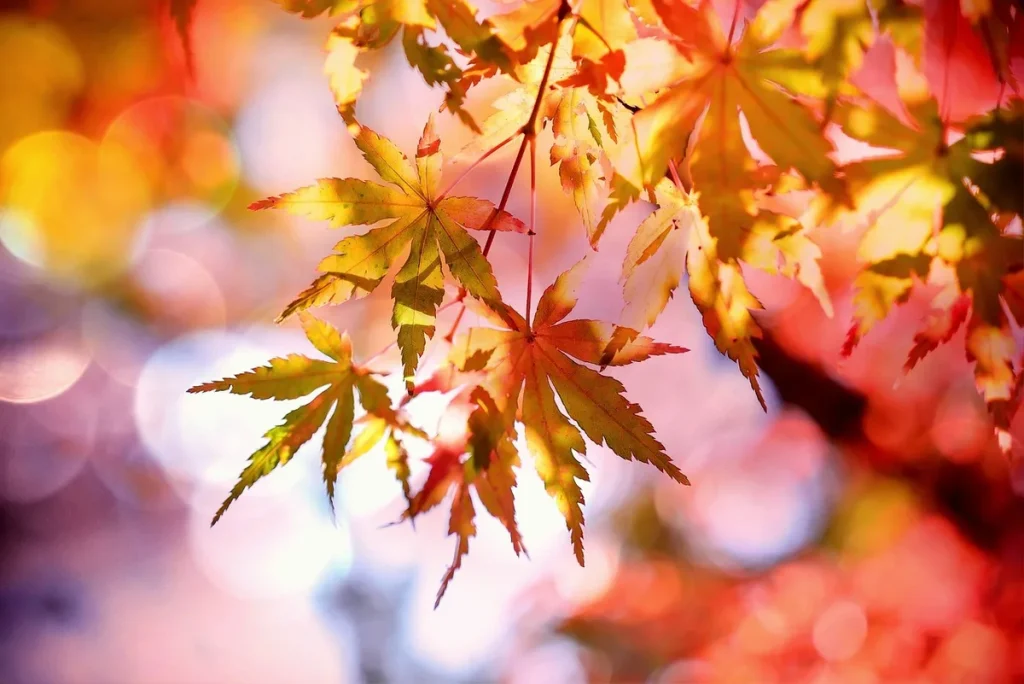
When you're trying to settle the october glory vs autumn blaze debate, you're really choosing between two of the most popular red maple cultivars in North America. One's a straight-up red maple selection with a reputation for jaw-dropping fall color. The other's a fast-growing hybrid that handles tough urban conditions like a champ.
Both are solid picks, but they shine in different situations.
Our research shows the right choice depends on your soil, your climate, how fast you want shade, and how close you're planting to a driveway or foundation. Let's break down exactly what each one brings to the table so you can plant with confidence.
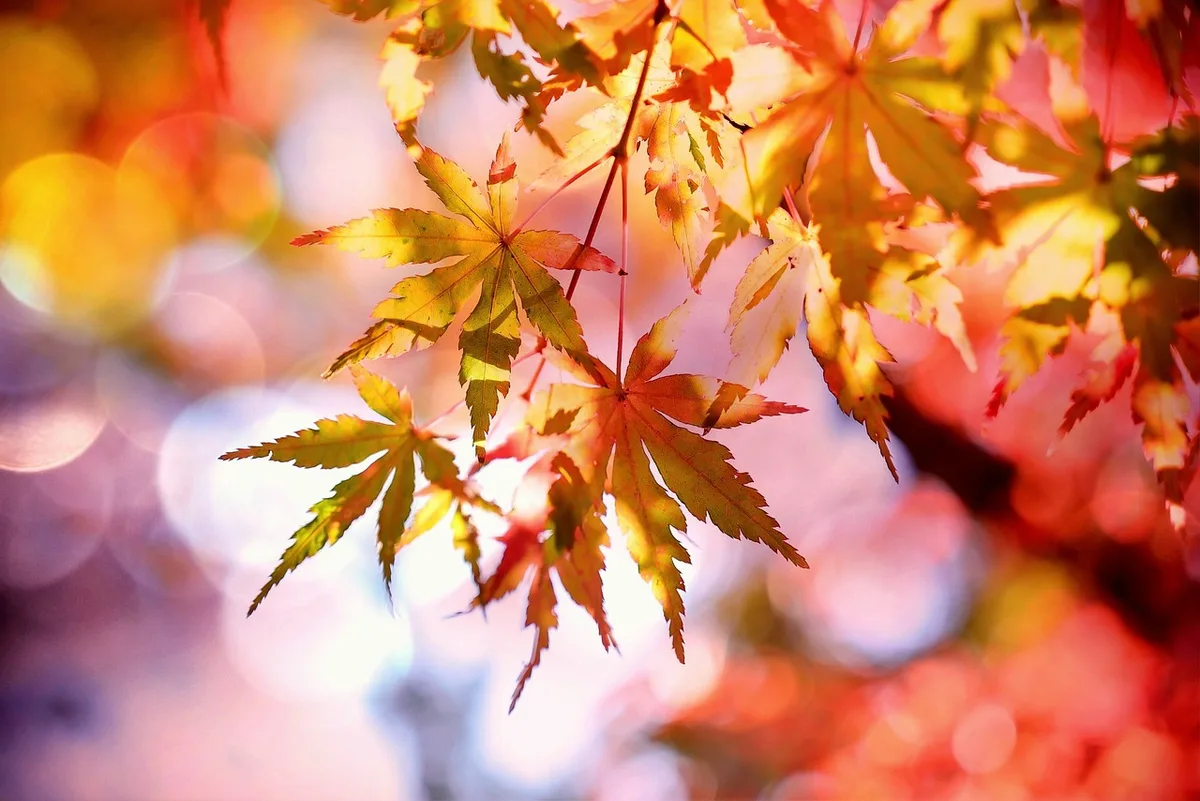
Image source: Pixabay / cocoparisienne (Pixabay Content License)
Quick Answer
October Glory is a pure red maple cultivar known for reliable, deep red fall color in late October and early November. Autumn Blaze is a Freeman maple hybrid that grows faster and tolerates clay soil, pollution, and cold better. Pick October Glory for long-term landscape value and consistent red color.
Pick Autumn Blaze if you need fast shade or have tough site conditions.
Why This Comparison Actually Matters
These two maples get planted side by side in neighborhoods across the Midwest, Northeast, and increasingly the Pacific Northwest. They look similar at a glance in any nursery lot. But ten years in, the differences show up fast.
October Glory (Acer rubrum 'October Glory') is a cultivar of straight red maple. It's been a landscape staple since its introduction, and it's still one of the most recommended red maples by university extension services. Autumn Blaze (Acer x freemanii 'Autumn Blaze') is a hybrid cross between red maple and silver maple.
It inherits the best traits of both parents: the color of a red maple with the toughness and speed of a silver maple.
The reason this comparison matters is that people often pick based on fall color alone. Then they deal with root problems, slow growth, or unexpected color disappointment for the next 30 years. A maple is a long-term investment.
Getting the cultivar right the first time saves you a lot of headaches.
October Glory Maple — What You're Getting
October Glory is a selection of Acer rubrum, the native red maple that dominates eastern North American forests. It was discovered as a superior seedling and has been a go-to ornamental since the mid-20th century. It's known for three things: brilliant red fall color, a tidy oval-to-rounded canopy, and a longer lifespan than most hybrid maples.
Here's what the research and extension data tell us about this cultivar:
- Fall color: Deep, consistent red. Peaks in late October through early November in most of Zones 5, 8. This is one of the last maples to hit peak color, which means it's often still blazing after neighboring trees have gone bare.
- Growth rate: Moderate. Expect 1 to 2 feet per year once established. Not the tree you plant if you need shade by next summer.
- Mature size: 40 to 50 feet tall, 25 to 35 feet wide at maturity. A good medium-to-large shade tree for residential lots.
- Hardiness: USDA Zones 4 through 9. Handles cold well but struggles in the Deep South heat.
- Soil preference: Prefers moist, well-drained, slightly acidic soil (pH 4.5, 6.5). Tolerates clay moderately but performs poorly in alkaline or compacted soils.
- Root system: Less aggressive than Autumn Blaze. Still a maple, so surface roots are possible, but it's less likely to buckle a sidewalk planted 8, 10 feet away.
- Lifespan: Can exceed 100 years with proper care. This is a legacy tree.
- Branch structure: Moderately strong. Prune structurally in the first 5, 7 years to establish good branch angles. More susceptible to ice storm damage than Autumn Blaze.
The biggest selling point of October Glory is fall color reliability. Year after year, in the right climate, it delivers that deep red that makes a street look like a postcard. If that's what you're after and you've got decent soil, it's hard to beat.
Autumn Blaze Maple — What You're Getting
Autumn Blaze is a Freeman maple hybrid (Acer x freemanii), which means it's a deliberate cross between red maple (Acer rubrum) and silver maple (Acer saccharinum). It was developed to combine the best traits of both parents. The result is a tree that grows fast, handles rough conditions, and still puts on a solid fall show.
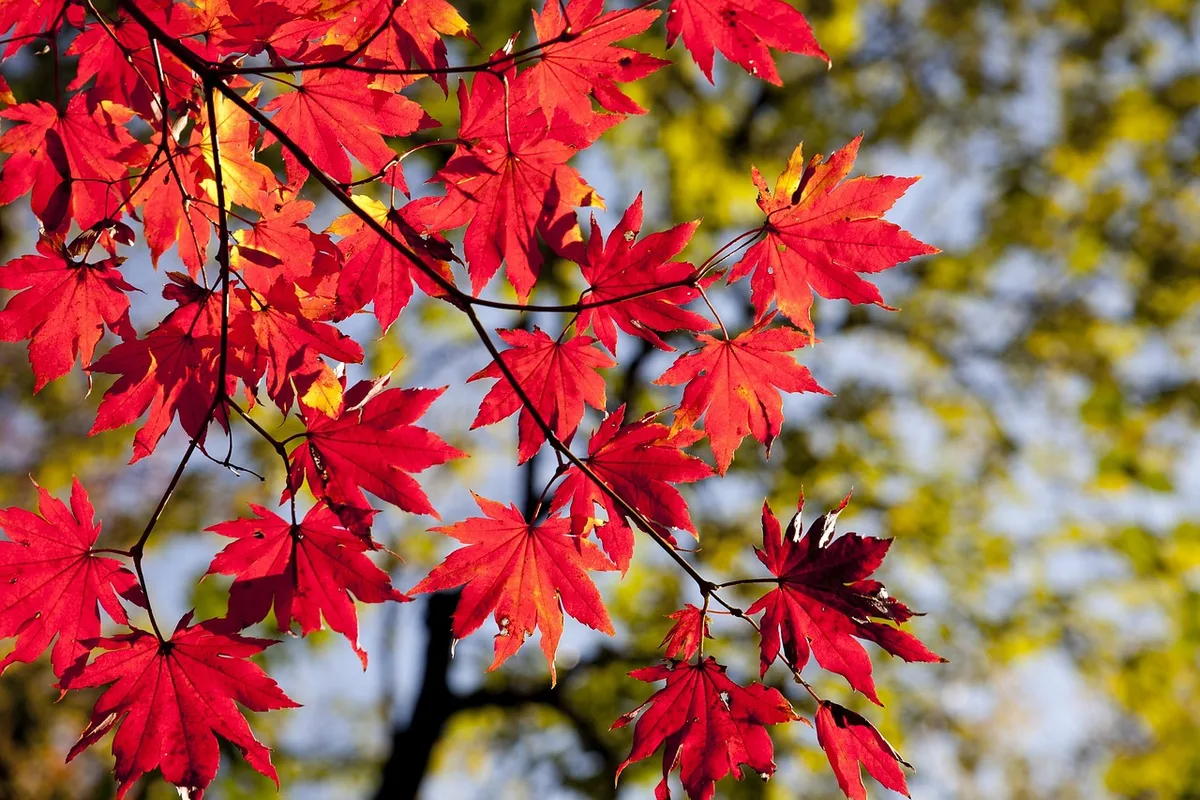
Image source: Pixabay / HeungSoon (Pixabay Content License)
Here's what makes Autumn Blaze stand out:
- Fall color: Orange-red to red, typically peaking in mid-October. Color can vary by climate and soil. In warmer zones, it sometimes leans more orange than red. Still attractive, but not as consistently deep-red as October Glory.
- Growth rate: Fast. 3 to 5 feet per year in ideal conditions. One of the fastest-growing maples available.
- Mature size: 40 to 55 feet tall, 30 to 40 feet wide. Slightly taller and broader than October Glory at maturity.
- Hardiness: USDA Zones 3 through 8. That extra zone of cold hardiness makes it a go-to for northern Midwest and Upper Plains plantings.
- Soil tolerance: Excellent. Handles clay, compacted urban soil, and a wider pH range than October Glory. This is where it really pulls ahead for difficult sites.
- Root system: Aggressive. Surface roots spread widely and can spread well beyond the drip line. Keep it at least 15 feet from sidewalks, driveways, and foundations.
- Lifespan: Estimated 60 to 80 years. Shorter than October Glory but still a solid long-term tree.
- Branch structure: Stronger branch angles inherited from silver maple. More resistant to storm and ice damage. Less pruning needed structurally.
- Urban tolerance: High. Handles pollution, road salt, and compacted soil better than almost any other maple cultivar.
Autumn Blaze is the tree you plant when the site is working against you. Heavy clay, compacted urban lots, road salt exposure, or Zone 4 winters. It handles all of that while still giving you a big shade tree in a fraction of the time October Glory would take.
The tradeoff is that the fall color isn't quite as reliable or as deep, and the root system demands more planning. Plant it in the right spot and it's a fantastic tree. Plant it 6 feet from your front walk and you'll be dealing with lifted concrete within a decade.
Side-by-Side: October Glory vs Autumn Blaze at a Glance
Here's the quick-reference table that lays out the key differences. This is the section you'll want to bookmark before heading to the nursery.
| Attribute | October Glory | Autumn Blaze |
|---|---|---|
| Species / Cultivar | Acer rubrum 'October Glory' | Acer x freemanii 'Autumn Blaze' |
| Fall Color | Deep, consistent red | Orange-red to red |
| Color Peak | Late Oct through early Nov | Mid-October |
| Growth Rate | Moderate (1–2 ft/yr) | Fast (3–5 ft/yr) |
| Mature Height | 40–50 ft | 40–55 ft |
| Mature Spread | 25–35 ft | 30–40 ft |
| USDA Zones | 4–9 | 3–8 |
| Soil Tolerance | Prefers well-drained, acidic | Handles clay and compaction |
| Root Aggressiveness | Moderate | High |
| Lifespan | 100+ years | 60–80 years |
| Urban Tolerance | Moderate | High |
| Branch Strength | Moderate | Strong |
| Best For | Long-term landscapes, reliable color | Fast shade, tough sites, cold zones |
The table tells the story in a nutshell. October Glory wins on color and longevity. Autumn Blaze wins on speed, toughness, and cold hardiness.
Your job is to figure out which set of strengths matches your yard.
Fall Color Showdown — Timing, Reliability, and Wow Factor
This is the section most people care about, and honestly, it's where the comparison gets interesting. Both trees deliver fall color. But the when, how, and how-much are different.
October Glory's Color Profile
October Glory earns its name. Peak color hits in late October and carries into early November across Zones 5 through 8. In a good year, the entire canopy turns a saturated, uniform deep red.
No patchy yellows, no green splotches hanging on. It's the kind of red that shows up in neighborhood photos.
The late timing is a feature, not a bug. Most other maples and deciduous trees have already peaked and dropped by then. That means your October Glory is often the brightest tree on the block during the final week of autumn.
University extension trials consistently rate it among the top red maple cultivars for color reliability.
One caveat: in Zone 9 or unusually warm falls, the color can be less intense and shift toward reddish-orange. It still looks good, but it's not the same show you'd get in Pennsylvania or Ohio.
Autumn Blaze's Color Profile
Autumn Blaze hits peak earlier, typically mid-October. The color leans orange-red rather than pure red. In cooler northern zones, it can develop strong red tones.
In warmer areas, expect more orange with red mixed in.
The color is still beautiful. It's just not as consistent year to year as October Glory. Soil pH, moisture levels, and temperature swings during autumn all influence the final show.
Some years it's stunning. Other years it's good but not spectacular.
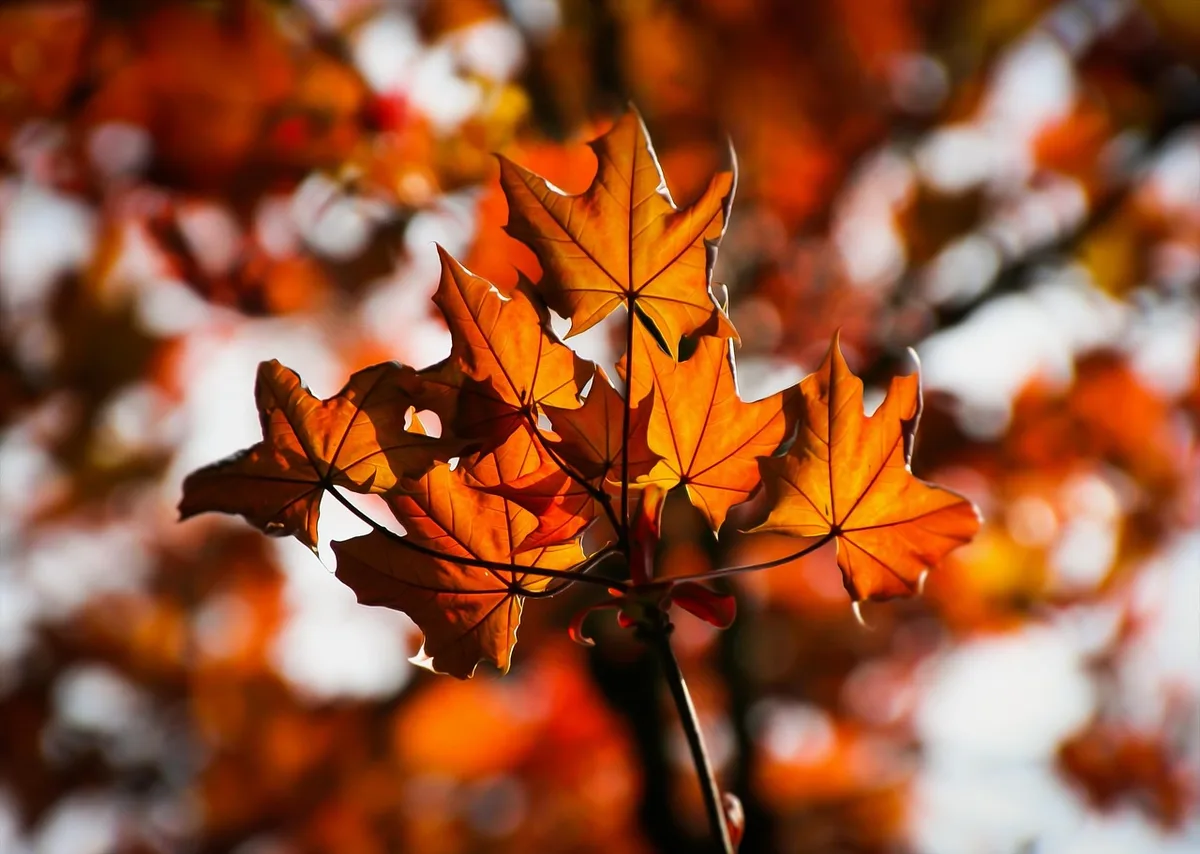
Image source: Pixabay / AndreasAux (Pixabay Content License)
Which One Wins on Color?
If fall color is your top priority and you're in Zones 5 through 8, October Glory takes this category. The red is deeper, more consistent, and arrives later when there's less competition from neighboring trees. Autumn Blaze is a strong second, especially in northern zones where cooler nights intensify the red tones.
Growth Rate and Mature Size — How Fast, How Big
If you're planting a tree for shade, growth rate matters. A lot. Nobody wants to wait 20 years for a canopy to fill in.
October Glory's Growth
October Glory puts on 1 to 2 feet of growth per year once established. That's respectable for a red maple, but it's not going to shock you. You're looking at roughly 10 to 15 years before the tree provides meaningful shade over a patio or deck.
The payoff is that slower growth often means stronger wood. October Glory's branch structure, when properly pruned in the first few years, tends to hold up well over decades. It's building a framework, not just racing skyward.
Autumn Blaze's Growth
Autumn Blaze is a different animal. Three to 5 feet per year in good conditions. That means you can go from a 6-foot sapling to a tree that casts real shade in 5 to 7 years.
For homeowners who want a shade tree without a 15-year wait, this is a major selling point.
The fast growth comes from its silver maple heritage. Silver maples are notorious for rapid growth, and Autumn Blaze inherited that speed. The tradeoff is that fast-growing trees can have weaker branch attachment if not pruned structurally early.
Plan on doing some corrective pruning in years 2 through 5.
Size at Maturity
Both trees end up in a similar height range: 40 to 55 feet. Autumn Blaze can push slightly taller and wider, with a spread of 30 to 40 feet compared to October Glory's 25 to 35 feet. Make sure you're accounting for that mature spread when you pick a planting location.
A tree that looks perfectly placed at year 3 can be crowding your house by year 15.
Roots, Hardscaping, and the Problems Nobody Warns You About
This is the section that saves you from expensive mistakes. Both maples have surface roots. But the degree and the damage potential are very different.
October Glory's Root Behavior
October Glory has a moderate root system. Surface roots can develop, especially in compacted or clay soils, but they're less aggressive than Autumn Blaze. Planting it 8 to 10 feet from a sidewalk or driveway is generally manageable.
That said, "less aggressive" doesn't mean "no problems." Any maple planted in tight spaces will eventually develop surface roots. If you're planting near hardscaping, give it as much room as possible. A 12-foot setback from walkways is a safer bet.
Autumn Blaze's Root Behavior
Here's where Autumn Blaze demands your attention. Its root system is aggressive, a trait inherited from silver maple. Surface roots spread widely and can lift sidewalks, crack driveway edges, and invade sewer lines if planted too close.
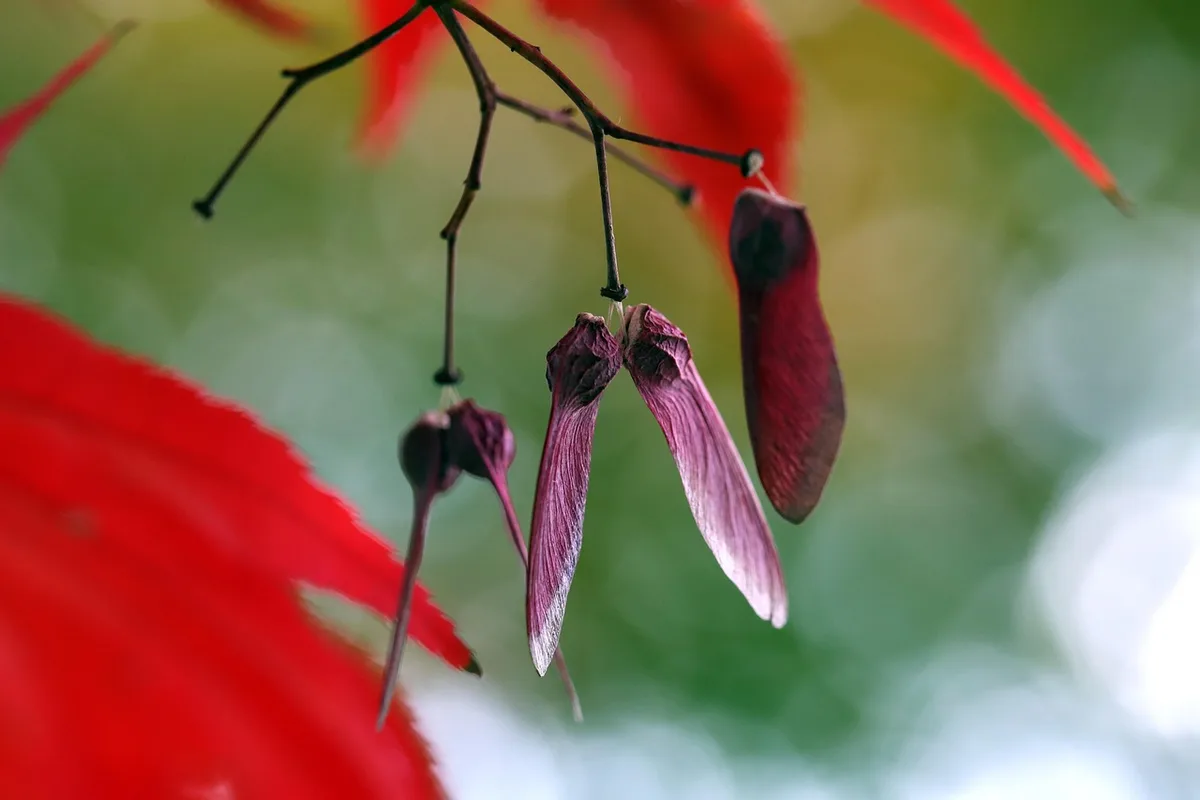
Image source: Pixabay / HeungSoon (Pixabay Content License)
Municipal extension services consistently recommend keeping Autumn Blaze at least 15 to 20 feet from any hardscaping. That includes patios, driveways, sidewalks, and your foundation. If your lot doesn't have that kind of space, this is a real problem.
Root barriers can help. They're not foolproof, but they redirect roots deeper into the soil profile. If you're set on Autumn Blaze and working with a tight site, install a root barrier along the nearest hardscape edge at planting time.
The Bottom Line on Roots
If you're planting near a driveway, sidewalk, or foundation, October Glory is the safer choice. If you have a large open yard with plenty of space, Autumn Blaze's root aggression is much less of a concern. Match the tree to the space, not the other way around.
Soil, Climate, and Where Each One Thrives
Your site conditions should drive this decision as much as aesthetics. A tree that looks great in a catalog will struggle if it's planted in the wrong soil or climate zone.
October Glory's Ideal Conditions
October Glory performs best in moist, well-drained, slightly acidic soils. Think pH between 4.5 and 6.5. It handles clay moderately well but struggles in heavily compacted or alkaline soils.
In high-pH conditions, it's prone to iron chlorosis, which shows up as yellowing leaves with green veins.
It's hardy in Zones 4 through 9. That covers most of the eastern and midwestern US. In Zone 9, particularly the Deep South, heat and humidity can reduce fall color quality and increase disease pressure.
It's not the right pick for Houston or New Orleans.
Autumn Blaze's Ideal Conditions
Autumn Blaze is the more adaptable tree. It tolerates heavy clay, compacted urban soils, and a wider pH range. It's not immune to iron chlorosis, but it handles alkaline conditions better than October Glory.
Its cold hardiness is the real differentiator. Hardy to Zone 3, it can handle winters that would stress October Glory. If you're in the Upper Midwest, northern New England, or the Great Plains, Autumn Blaze gives you a margin of safety that October Glory can't match.
It also handles urban conditions better. Road salt, air pollution, compacted soil from construction activity. Autumn Blaze shrugs off the abuse that would set October Glory back.
Quick Climate Guide
- Zone 3 or cold Zone 4: Autumn Blaze. October Glory may survive but will struggle.
- Zone 5 through 8 with good soil: Either works. October Glory for color, Autumn Blaze for speed.
- Zone 8 warm falls: October Glory holds color better. Autumn Blaze can go more orange.
- Zone 9: Neither is ideal. Look at Southern sugar maple or Chinese pistache instead.
- Heavy clay or compacted soil: Autumn Blaze. No contest.
- Well-drained acidic soil: Either works beautifully.
Best Pick for Your Situation — A Use-Case Breakdown
Here's how we'd break it down based on common planting scenarios. Your specific situation dictates the winner.
You want the best fall color possible and have decent soil: Go with October Glory. Nothing in its class beats the deep red reliability year after year.
You need shade fast: Autumn Blaze. Three to 5 feet per year versus 1 to 2 feet makes a real difference when you're waiting for a canopy to fill in.
You're planting in heavy clay or compacted soil: Autumn Blaze. It handles tough soil conditions that would stunt October Glory.
You're in Zone 3 or a cold Zone 4: Autumn Blaze. That extra cold hardiness matters when January temps drop to negative 30.
You're planting near a sidewalk or driveway: October Glory. Its less aggressive root system reduces the risk of lifted concrete.
You want a legacy tree that outlives you: October Glory. A 100-plus-year lifespan beats 60 to 80 years.
You're in a polluted urban environment or along a salted road: Autumn Blaze. It handles urban stress better than almost any maple.
You're in the Deep South (Zone 9): Neither is ideal. Look at Southern sugar maple or Chinese pistache instead.
Common Mistakes People Make When Choosing Between These Two
The most common mistake is picking based on fall color photos alone. Both trees look spectacular in autumn. But a tree lives in your yard for 365 days a year, not just two weeks in October.
Planting Autumn Blaze too close to hardscaping is the second most common error. Those aggressive roots will find every crack in a sidewalk and exploit it. Give it room or install a root barrier from day one.
Another mistake is ignoring soil pH. If your soil runs alkaline above 7.0, October Glory will struggle with iron chlorosis. A simple soil test before planting saves you years of yellowing leaves and declining health.
Finally, don't skip structural pruning in the first five years. Both trees benefit from early corrective pruning to establish strong branch angles. Autumn Blaze especially needs it because that fast growth can produce weak attachments if left untrained.
Planting and Early Care — Setting Either One Up for Success
Both trees follow the same basic planting protocol. Dig the hole 2 to 3 times wider than the root ball but no deeper than the ball itself. Planting too deep is the number one killer of newly planted trees.
Water deeply once a week during the first growing season. A slow soak for 20 to 30 minutes at the base is better than frequent light watering. Mulch 3 to 4 inches deep around the base, but keep the mulch 3 inches away from the trunk.
Volcano mulching suffocates the root flare.
Fertilize only after a soil test confirms a deficiency. Maples generally don't need heavy feeding. High-nitrogen fertilizers push weak, fast growth that attracts aphids and increases storm damage risk.
Long-Term Maintenance and What to Expect Over the Decades
October Glory needs less structural maintenance over time if you invested in early pruning. Its moderate growth rate means slower, stronger development. Watch for verticillium wilt, a soil-borne fungal disease that causes branch dieback.
There's no cure, so prevention through proper planting and watering is key.
Autumn Blaze needs more vigilant monitoring around hardscaping. Even with adequate spacing, surface roots may eventually appear in the lawn. Don't mound soil or mulch over the root flare to hide them.
That creates decay issues.
Both trees benefit from a 2 to 3 inch layer of organic mulch refreshed annually. This retains moisture, moderates soil temperature, and reduces competition from grass. Refresh it each spring before the canopy leafs out fully.
Frequently Asked Questions
Can I plant October Glory in Zone 3?
It's not recommended. October Glory is rated for Zone 4 and above. Zone 3 winters can cause dieback and reduce longevity.
Choose Autumn Blaze or a Norway maple instead.
Does Autumn Blaze fall color turn red or orange?
It varies by climate. Northern zones see more red. Southern and warm zones lean orange-red.
Soil moisture and temperature swings during autumn also affect the final color.
Which tree is better for a small urban yard?
October Glory, generally. Its less aggressive root system and smaller mature spread make it easier to work with in tight spaces. Just make sure the soil drains well.
How far should I plant Autumn Blaze from my driveway?
At least 15 to 20 feet. Its surface roots spread widely and can lift concrete if planted too close. A root barrier helps but isn't a guarantee.
Do either of these trees attract pests?
Both can attract aphids, scale, and cottony maple scale. Neither is unusually pest-prone compared to other maples. Good cultural care, proper watering, and avoiding over-fertilization keep most pest issues in check.
Can I grow grass under Autumn Blaze?
It's difficult. The dense, aggressive surface roots compete heavily with grass for water and nutrients. A mulch bed under the canopy works better than trying to maintain turf.
The Final Call — Which Maple Wins for Your Yard?
There's no universal winner here. The right tree depends entirely on what your site demands and what you value most.
Pick October Glory if you want the most reliable, deepest red fall color and you're planting in decent soil with adequate space. It's the long-game choice. You're planting a tree your grandkids will enjoy.
Pick Autumn Blaze if you need shade fast, you're dealing with tough soil or a cold climate, or you're planting in an urban environment where pollution and compaction are realities. It's the workhorse that gets the job done on a shorter timeline.
Both are excellent maples backed by decades of landscape performance. The worst choice is planting either one in the wrong spot. Match the tree to your site, give it the space it needs, and invest in good early care.
That's what separates the thriving maples from the struggling ones.