
Image source: Pixabay / paulsteuber (Pixabay Content License)
You've noticed holes in your money tree's leaves and you're wondering what's going on. It's one of the most common concerns Pachira aquatica owners run into, and the good news is it's almost always fixable once you know what you're dealing with. The tricky part is that holes can mean several different things, and treating the wrong cause just wastes time and stress.
In our research, the most frequent culprits are pest infestations, fungal infections, physical damage, and environmental stress. Each one produces a slightly different pattern on the leaf, and learning to read those patterns is the fastest way to get your plant back on track. As of 2026, university extension services like the University of Florida IFAS continue to identify spider mites and leaf spot diseases as the leading causes of perforated foliage in tropical houseplants like the money tree.
Quick Answer: What's Most Likely Causing the Holes
Money tree leaves most often get holes from chewing insects like caterpillars or from fungal leaf spot diseases that cause tissue to die and drop out. If the holes are irregular and scattered, pests are the usual suspect. If you see yellow or brown rings around the holes, a fungal or bacterial infection is more likely.
Less commonly, physical damage from pets, drafts, or rough handling can create tears that look like holes as the leaf grows.
How to Figure Out What's Actually Damaging Your Money Tree
Before you reach for any treatment, you need to play detective. Grab a magnifying glass if you have one and take a close look at both sides of the affected leaves. The pattern, color, and location of the damage will tell you almost everything you need to know.
Start with the basics. Check the soil moisture, look at where the plant sits in your room, and think about any recent changes. Did you move the plant, repot it, or bring a new plant home recently?
Context matters more than most people realize.
Check for Pests First — It's the Most Common Culprit
Pests cause the majority of hole-related damage on money trees. The usual suspects are spider mites, thrips, caterpillars, and occasionally slugs if the plant spends time outdoors.
Here's what to look for:
- Tiny dots or specks moving on the undersides of leaves
- Fine webbing between stems and leaf joints (a classic spider mite sign)
- Sticky residue on leaves or the surface below the plant (honeydew from sap-feeding insects)
- Small black or brown droppings on the foliage
- Irregularly shaped holes, often starting from the leaf edges or between veins
Spider mites are less than 1mm in size, so they're easy to miss. Thrips leave silvery streaks before they create holes. Caterpillars make the largest, most ragged holes and are usually visible if you look closely at night with a flashlight.
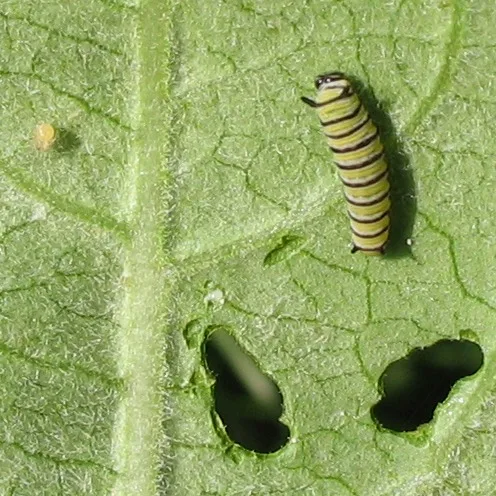
Image source: Wikimedia Commons / John Owens (talk) (CC BY)
If you find pests, isolate the plant immediately. One infested plant can spread to every other plant in the room within a couple of weeks.
Look for Signs of Fungal or Bacterial Disease
Fungal and bacterial infections create holes differently than pests do. The tissue around the hole usually shows discoloration first, a yellow halo, a brown ring, or a water-soaked appearance before the center dies and falls out.
Common patterns that point to disease:
- Circular spots with dark borders and lighter centers
- Holes that start as small dots and expand outward
- A yellow or brown halo surrounding each hole
- Lesions that appear wet or mushy to the touch
- Damage that appears on lower, older leaves first and works upward
Fungal leaf spot thrives in conditions with poor air circulation and consistently wet foliage. Overhead watering and crowded plant groupings make it worse. Bacterial infections often enter through wounds or natural openings and spread rapidly in warm, humid environments.
Image source: Pixabay / adege (Pixabay Content License)
If the damage looks more like disease than pests, skip the insecticide. It won't help and could stress the plant further.
Rule Out Physical Damage and Environmental Stress
Not every hole is caused by a living organism. Physical damage from pets, children, or even a clumsy bump during cleaning can puncture or tear leaves. As the leaf expands, small tears can look like holes.
Environmental stress can also cause tissue damage that resembles holes:
- Cold drafts from windows or AC vents cause brown, papery patches
- Direct sun through a window can scorch small holes in thin leaves
- Low humidity causes leaf edges to crisp and crack, sometimes creating hole-like gaps
- Over-fertilization burns leaf tissue from the tips inward
Physical and environmental damage won't spread the way pests or disease do. If the holes appeared after a specific event and no new ones are forming, you've likely found your answer.
What Each Cause Looks Like Up Close
Now that you know the main categories, let's break down the visual differences. Being able to tell these apart at a glance saves you a lot of guesswork.
Pest Damage: Holes With a Pattern
Pest damage tends to follow the feeding habits of the insect involved. Spider mites create tiny pinprick holes that multiply across the leaf surface. Thrips leave narrow, elongated scars that can merge into larger gaps.
Caterpillars and larger chewing insects make the most obvious damage, big irregular chunks missing from the leaf.
Key identifiers:
- Holes appear randomly across multiple leaves
- You may see the pest itself, its droppings, or webbing
- Damage progresses quickly if untreated
- New leaves may emerge with damage already present
Disease Damage: Holes With Discoloration
Disease-related holes almost always come with a visible "zone of damage" around them. The tissue doesn't just vanish. It changes color, softens, and then the center drops out.
Key identifiers:
- Each hole is surrounded by a ring of discoloration
- Spots may start small and merge into larger holes
- Lower leaves are affected first
- Damage may have a faint musty smell in advanced cases
Environmental Damage: Holes That Don't Spread
Environmental damage is the easiest to diagnose because it doesn't progress. Whatever happened, happened once. The existing holes won't get bigger, and new leaves should come in clean.
Key identifiers:
- Damage is limited to one area of the plant
- Holes have dry, crispy edges rather than soft or discolored ones
- No signs of pests or fungal growth
- Timeline matches a specific event like a cold snap or move
What to Do Based on What You Find
Once you've identified the cause, the treatment path is straightforward. The key is matching the solution to the problem rather than throwing every remedy at the plant and hoping something works.
Treating Pests on Your Money Tree
If pests are the issue, act fast. Start with the least aggressive treatment and escalate only if needed.
Step one is isolation. Move the plant away from all others. Then prune the most heavily damaged leaves with sterilized scissors.
This reduces the pest population immediately and gives the plant a head start.
For spider mites and thrips:
- Spray the entire plant with a strong stream of water to dislodge mites and eggs
- Apply neem oil solution (mixed per label directions) to all leaf surfaces, top and bottom
- Repeat every 7 to 10 days for at least three applications
- Increase humidity around the plant, since spider mites thrive in dry conditions
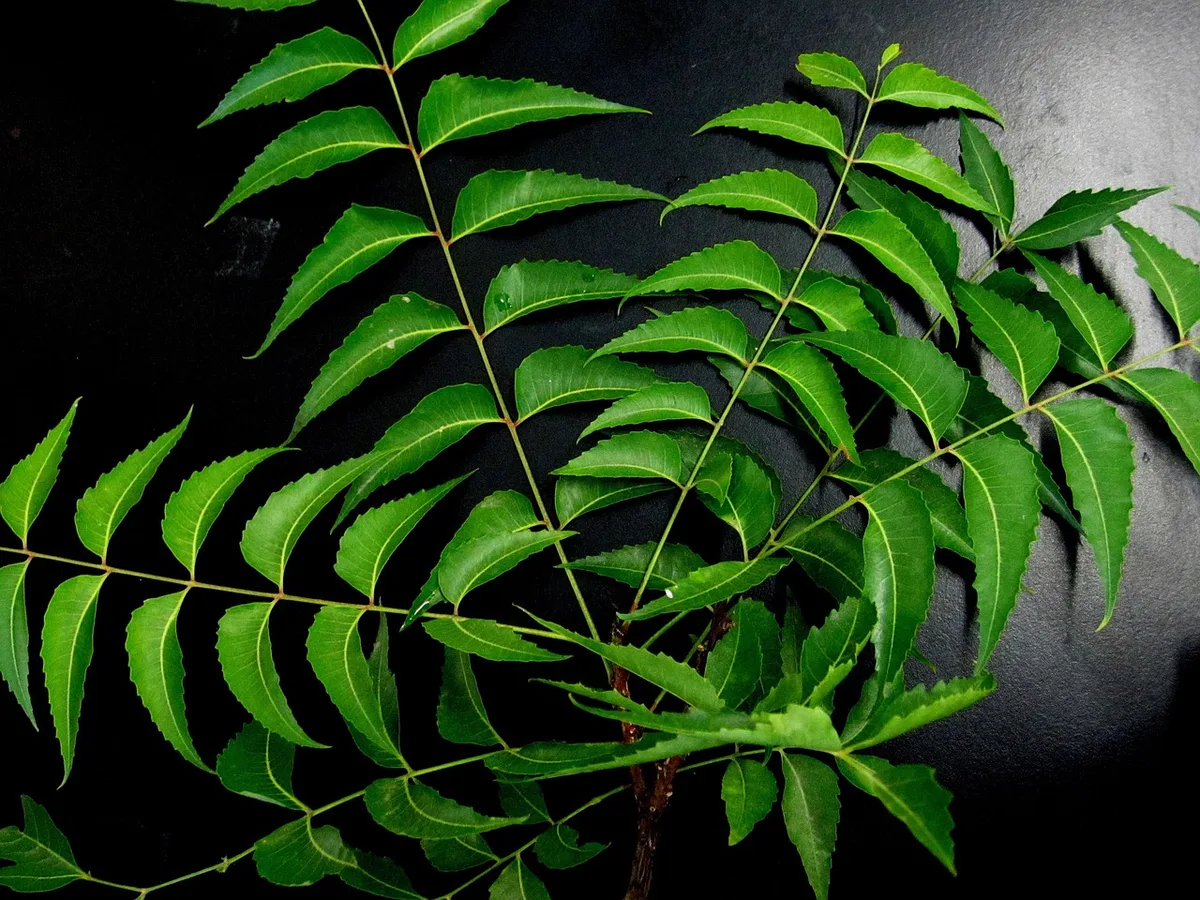
Image source: Pixabay / punnamjai (Pixabay Content License)
For caterpillars or larger insects:
- Hand-pick any visible pests, especially at night when they're most active
- Apply Bacillus thuringiensis (Bt) for caterpillar-specific control
- Check nearby plants for eggs or larvae
Insecticidal soap is another effective option for soft-bodied pests. It works on contact and has low toxicity, making it a good choice for indoor use. Always follow the product label and test on a small area first to make sure your plant tolerates it.
Treating Fungal or Bacterial Leaf Problems
Disease treatment starts with changing the environment that allowed the infection to take hold.
- Remove all affected leaves and dispose of them in the trash, not the compost
- Stop overhead watering. Water at the soil level only
- Improve air circulation by spacing plants apart or adding a small fan
- Apply a copper-based fungicide for bacterial issues or a broad-spectrum fungicide for fungal problems
- Reduce humidity slightly if it's consistently above 60%
Repotting may be necessary if the soil has become a reservoir for fungal spores. Use a fresh, well-draining mix and a clean pot. The Royal Horticultural Society recommends a mix with perlite or orchid bark for tropical plants like Pachira aquatica to prevent waterlogged conditions.
Fixing Environmental Causes of Leaf Holes
Environmental fixes are usually the simplest. Move the plant away from cold drafts, direct sun, or heating vents. If low humidity is the issue, group plants together, use a pebble tray, or run a humidifier nearby.
For fertilizer burn, flush the soil thoroughly with plain water and hold off on feeding for at least a month. Money trees are light feeders. A balanced liquid fertilizer at half strength, applied once a month during the growing season, is all they need.
Trim any cosmetically damaged leaves if they bother you, but leave partially damaged leaves in place if they're still mostly green. They're still photosynthesizing and helping the plant recover.
Mistakes That Make Leaf Holes Worse
The biggest mistake is treating before you diagnose. Grab a pesticide, spray everything, hope for the best. That approach often stresses the plant more than the original problem.
Overwatering is another common error. When leaves start looking rough, many people assume the plant needs more water. In reality, soggy soil creates the perfect environment for root rot and fungal growth, both of which can cause or worsen leaf damage.
Always check the soil before reaching for the watering can.
Using the wrong concentration of treatment products causes chemical burn. Neem oil mixed too strong, fungicide applied too frequently, or household soap used instead of proper insecticidal soap can all damage leaf tissue. Follow label directions exactly.
More is not better.
Ignoring isolation is a fast way to lose an entire plant collection. One infested money tree can spread spider mites to every plant in the room within two weeks. Quarantine first, treat second.
Finally, don't remove every damaged leaf at once. If more than 30% of the foliage is affected, prune in stages over a few weeks. Stripping too much at once puts the plant into shock and slows recovery.
How to Prevent Holes From Coming Back
Prevention is simpler than treatment once you know what to watch for. Most money tree problems come down to environment and routine.
Keep humidity between 40% and 60%. Spider mites struggle in humid conditions, and the plant itself thrives in that range. A small humidifier nearby makes a big difference, especially during winter when indoor heating dries the air out.
Water only when the top 1 to 2 inches of soil are dry. Stick your finger in the soil. If it feels damp, wait.
Consistent overwatering is the single most common cause of money tree decline, and it opens the door to fungal issues that cause leaf spot and holes.
Inspect your plants weekly. Flip a few leaves over, check the stems, look at the soil surface. Catching a pest problem early means a quick spray with neem oil instead of weeks of escalating treatment.
Give the plant bright, indirect light. A north or east-facing window is ideal. Direct afternoon sun scorches leaves, and too little light weakens the plant's natural defenses against disease.
Wipe the leaves with a damp cloth every few weeks. Dust blocks light absorption and creates a surface where fungal spores can settle. Clean leaves are healthier leaves.
When to Worry — and When It's Not a Big Deal
A few holes in older leaves is normal. Money trees shed lower leaves as they grow, and minor damage on those leaves isn't a crisis. If new growth is coming in clean and the plant looks otherwise healthy, you can relax.
You should worry if:
- New leaves are emerging with holes or spots
- Multiple leaves are affected simultaneously
- You see visible pests, webbing, or fungal growth
- The plant is dropping leaves rapidly
- Stems feel soft or mushy near the base
Rapid leaf loss combined with soft stems suggests root rot, which is a more serious issue than surface-level leaf damage. In that case, unpot the plant, trim away any black or mushy roots, and repot in fresh, dry mix. Let the plant recover for a week before watering again.
If the damage is limited to one or two older leaves with no spreading pattern, it's likely physical or environmental. Fix the environment and let the plant do its thing.
FAQs About Money Tree Leaves and Holes
Can a money tree recover from holes in its leaves?
Yes. Money trees are resilient and bounce back well once the underlying cause is addressed. New growth should appear healthy within 3 to 6 weeks of proper treatment.
Existing holes won't heal, but the plant will produce new, undamaged foliage.
Should I cut off leaves with holes?
If a leaf is more than 50% damaged, go ahead and remove it. The plant is wasting energy trying to maintain a leaf that can't photosynthesize effectively. Use clean, sharp scissors and cut at the base of the leaf stem.
Are money tree leaves toxic to pets?
Pachira aquatica is generally considered non-toxic to cats and dogs according to the ASPCA. However, if you've applied any pesticide or fungicide treatment, keep pets away from the plant until the product has fully dried and the recommended waiting period has passed.
How do I know if the holes are from bugs or disease?
Bug holes are usually irregular in shape and scattered randomly, often with visible insects, webbing, or droppings nearby. Disease holes typically have a ring of discoloration around them and start as small spots that expand before the center drops out.
What is the best natural remedy for pests on a money tree?
Neem oil is the most widely recommended natural treatment. It disrupts pest feeding and reproduction without harsh chemicals. Apply a diluted solution to all leaf surfaces every 7 to 10 days for at least three rounds to break the pest life cycle.
Can low humidity cause holes in money tree leaves?
Low humidity doesn't directly cause holes, but it creates conditions where spider mites thrive. Those mites then cause the pinprick damage that leads to holes. Keeping humidity above 40% is one of the best preventive measures you can take.
Final Verdict: Your Action Plan Based on What You're Seeing
Here's the simple decision framework. If you see irregular holes with visible bugs or webbing, treat for pests with neem oil and isolate the plant. If you see circular spots with yellow or brown halos around the holes, treat for fungal infection by removing affected leaves, improving airflow, and applying a fungicide.
If the damage is limited to a few older leaves with no spreading pattern, it's likely physical or environmental. Fix the environment and let the plant do its thing.
The most important step is always the same: look closely before you act. A few minutes of inspection saves weeks of wrong treatment. Money trees are tough, and once you remove whatever's causing the damage, they'll put out healthy new growth and look great again.