You walk out to your garden one morning and half your impatiens are gone. Stems snapped, leaves chewed, maybe just bare stalks left behind. It's frustrating, and the first question that comes to mind is simple: what animal eats impatiens?
The answer isn't just one creature. Depending on where you live, the time of year, and what the damage looks like, the culprit could be deer, rabbits, slugs, voles, or even insects. Figuring out which one is the key to actually stopping it.
Impatiens (Impatiens walleriana) are one of the most popular shade-grown annuals in North America, and they're also one of the most frequently browsed. According to deer preference studies conducted by university extension programs across the Northeast and Midwest, impatiens consistently rank in the top tier of plants deer seek out. That means if you're growing them, you're essentially running a buffet.
Let's walk through how to identify exactly what's eating your plants and what to do about it.
Image source: Pixabay / experimentMR (Pixabay Content License)
Quick Answer
Several animals commonly eat impatiens. White-tailed deer are the most frequent culprit in suburban and rural areas. Rabbits, voles, and groundhogs also browse impatiens heavily.
Slugs and snails feed on leaves at night, leaving irregular holes and slime trails. Japanese beetles, aphids, and spider mites cause damage that can look like animal browsing but is actually insect feeding. Identifying the specific pest depends on the damage pattern, your location, and the time of year.
The Usual Suspects: Animals That Commonly Eat Impatiens
Not every garden pest is equally likely everywhere. But some animals show up on the impatiens menu so consistently that they're worth knowing by name.
White-tailed deer are the number one offender across most of the US. They love impatiens. If you're in a suburban-rural transition zone, especially in the Northeast, Midwest, or Pacific Northwest, deer should be your first suspect.
They can strip a bed of impatiens overnight.
Eastern cottontail rabbits are the next most common. They tend to nibble lower on the plant and leave cleaner cuts than deer. If your damage is concentrated below two or three feet, rabbits are likely the problem.
Voles work at ground level. They chew through stems at or just below the soil line, which can make plants look like they've been cleanly snipped. People often miss vole damage because it happens where you're not looking.
Groundhogs (woodchucks) will eat impatiens too, along with almost anything green in your garden. They're less common in dense suburban neighborhoods but can be a real problem on larger properties.
Slugs and snails are the stealth culprits. They feed at night, so you rarely catch them in the act. What you will find is irregular holes in leaves and a telltale slime trail on the foliage or surrounding soil.
On the insect side, Japanese beetles skeletonize leaves by eating the tissue between veins. Aphids cluster on new growth and cause curling and distortion. Spider mites stipple leaves with tiny yellow dots, which can be mistaken for early browsing damage if you're not looking closely.
How to Identify the Culprit by the Damage Pattern
The fastest way to figure out what's eating your impatiens is to look at the damage itself. Each pest leaves a signature.
Deer damage is easy to spot once you know what to look for. Deer don't have upper front teeth, so they tear rather than cut. That means ragged, shredded edges on leaves and stems.
You'll also notice damage higher up on the plant, often above two or three feet. Deer can browse up to about six feet tall.
Rabbit damage looks cleaner. Their sharp incisors make neat, angled cuts, almost like someone used scissors. The damage is usually concentrated at the base and lower stems.
Look for small, round droppings nearby, that's a dead giveaway.
Vole damage happens at the soil line. Stems get chewed through cleanly, and the plant topples over. You might also see shallow tunnels or runways in the mulch or grass around your beds.
Slug and snail damage shows up as irregular holes punched through the leaf surface. The holes are often large and random, not along the edges. Check the undersides of leaves and the soil surface at dusk or early morning.
Slime trails are the confirmation.
Japanese beetle damage is distinctive. They eat the soft tissue between leaf veins, leaving a lacy, skeletonized pattern. You'll often see the beetles themselves on the plants during the day in summer.
Aphid and spider mite damage doesn't look like chewing at all. Aphids cause leaves to curl, yellow, and become sticky (honeydew). Spider mites produce fine webbing and a stippled, faded appearance on the leaf surface.
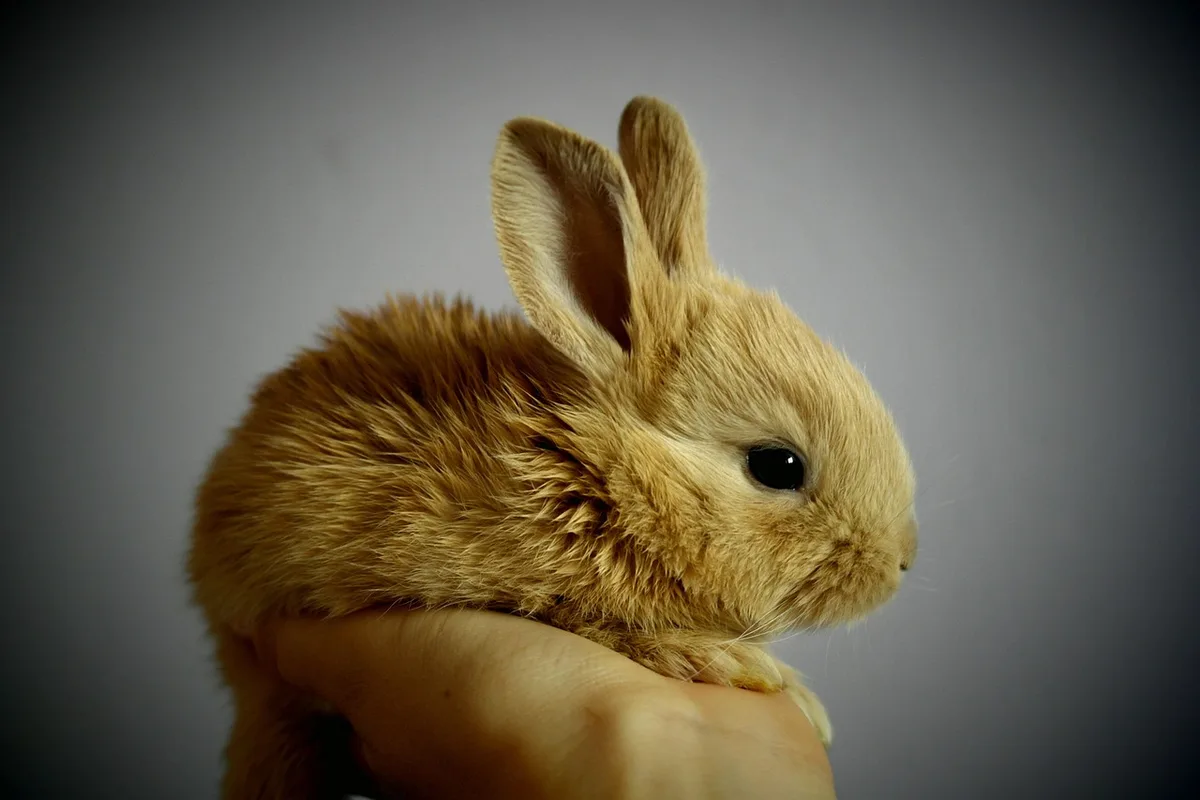
Image source: Pixabay / SimonaR (Pixabay Content License)
Deer vs. Rabbits vs. Slugs: A Side-by-Side Damage Comparison
Image source: Wikimedia Commons / Ramon FVelasquez (CC BY-SA)
When you're standing in front of a damaged impatiens bed, this comparison is what you need. Here's how the three most common culprits stack up.
| Feature | Deer | Rabbits | Slugs/Snails |
|---|---|---|---|
| Damage appearance | Ragged, torn edges | Clean, angled cuts | Irregular holes through leaf |
| Height of damage | Up to 6 feet | Ground level to 2-3 feet | Any leaf surface |
| Time of feeding | Dawn, dusk, night | Dawn, dusk | Night, cloudy days |
| Other signs | Tracks, droppings, hoof prints | Small round droppings, burrows | Slime trails on leaves/soil |
| Seasonal peak | Spring, fall, winter | Year-round, worst in spring | Spring, fall (cool and moist) |
| Plant parts eaten | Leaves, stems, flowers | Leaves, tender stems, bark | Leaves, tender new growth |
If the damage is high and ragged, think deer. If it's low and clean-cut, think rabbits. If you see holes through the middle of leaves with a shiny trail nearby, slugs or snails are your problem.
Where You Live Matters: Regional Pest Pressure on Impatiens
Your geography narrows the list fast. Not every pest is a threat everywhere.
In the Northeastern US and Midwest, deer pressure is intense. White-tailed deer populations have exploded in suburban areas over the past two decades, and impatiens are one of their preferred foods. If you're in Pennsylvania, New York, Ohio, or Michigan, deer should be your default assumption until proven otherwise.
In the Southeast, deer are still a factor, but fire ants, Japanese beetles, and humidity-driven slug activity add to the mix. Voles are less common here but can still be an issue in mulched beds.
In the Pacific Northwest, deer and slugs are the twin threats. The cool, moist climate is ideal for slugs, and black-tailed deer are abundant in suburban areas from Oregon to British Columbia.
In the UK and Northern Europe, rabbits and slugs are the primary concerns. Deer exist but are less of a suburban garden pest than in the US. The Royal Horticultural Society lists both rabbits and slugs among the most common threats to bedding plants like impatiens.
In urban gardens everywhere, squirrels and chipmunks are more likely than deer. They dig up newly planted impatiens and occasionally nibble foliage, though they're less systematic about it than rabbits or deer.
Seasonal Timing: When Each Pest Is Most Likely to Strike
Time of year is another clue. Different pests peak at different times.
Spring is the highest-risk season across the board. Deer are hungry after winter and new plant growth is tender and appealing. Rabbits are breeding and feeding heavily.
Slugs emerge as soil temperatures rise and moisture is abundant. Voles are active as snow cover recedes.
Summer brings Japanese beetles, typically from June through August in temperate regions. Aphid populations also spike in warm weather. Deer pressure may ease slightly if other food sources are available, but impatiens remain a target.
Fall is when deer browsing ramps up again. They're building fat reserves for winter, and impatiens are still blooming in many zones. Slugs return with cooler, wetter weather.
Winter damage is almost exclusively deer. In areas with heavy snow cover, deer will browse anything accessible, including impatiens in milder microclimates or in protected beds near structures.
If your impatiens are getting hit hard in early spring and you're in a deer-heavy area, the odds are strongly in favor of deer. If it's midsummer and you see skeletonized leaves, think Japanese beetles. If it's a cool, damp fall morning and the leaves have holes with slime trails, slugs are the answer.
Step-by-Step: Diagnosing What's Eating Your Impatiens Right Now
Grab a flashlight and head out to your garden. Here's a systematic way to figure out which pest is responsible.
Step 1: Look at the damage type. Ragged tears point to deer. Clean cuts at a 45-degree angle suggest rabbits. Holes punched through the middle of leaves mean slugs or insects.
Stems chewed at ground level are voles.
Step 2: Check the height. Anything damaged above three feet is almost certainly deer. Rabbits and voles stay low. Slugs and insects can be anywhere on the plant.
Step 3: Search for secondary evidence. Look for droppings, tracks, slime trails, burrows, or tunnels. Deer leave hoof prints and pellet droppings. Rabbit droppings are small, round, and scattered.
Slug trails are shiny and unmistakable.
Step 4: Note the time of day you see the damage appear. If plants look fine in the evening and are chewed by morning, deer or slugs are the likely culprits. If damage appears during daylight hours, rabbits or groundhogs are more probable.
Step 5: Consider your region and season. Cross-reference what you're seeing with the regional and seasonal patterns covered earlier. A deer problem in Ohio in April looks the same as a deer problem in Oregon in November.
Step 6: Set up a simple test. If you're still unsure, sprinkle a ring of flour around the base of the affected plants before bedtime. In the morning, you'll see tracks. Slug trails, rabbit paw prints, or even vole runways will show up clearly.
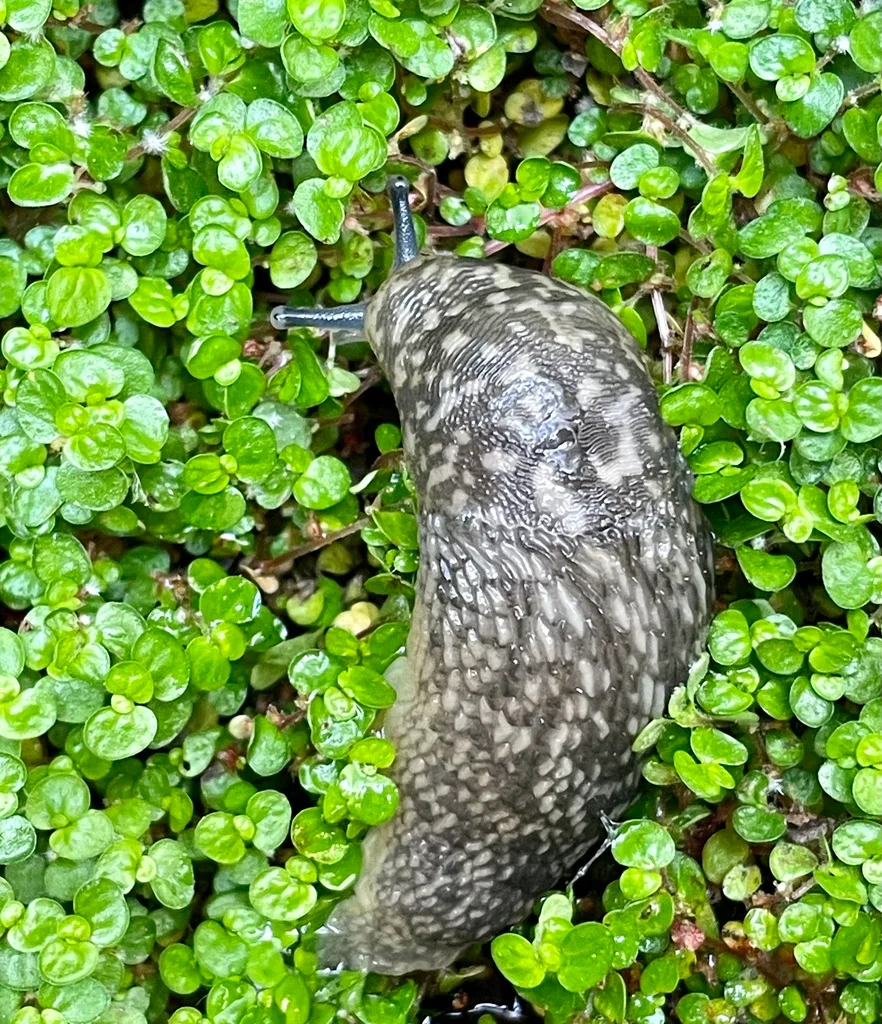
Image source: iNaturalist / Irene
Targeted Fixes: How to Protect Impatiens from Each Specific Pest
Once you know what you're dealing with, the right solution becomes obvious. Here's what actually works for each pest.
Deer
Deer fencing is the most reliable option. It needs to be at least eight feet tall, since deer can clear six feet easily. If a full fence isn't practical, try double fencing: two shorter fences spaced about four feet apart.
Deer won't jump into a space they can't see the landing for.
Scent-based repellents can help as a supplement. Products containing putrified egg solids or predator urine need reapplication after rain. Rotate between two or three different active ingredients so deer don't get accustomed to one smell.
Motion-activated sprinklers work well in smaller beds. They startle deer and condition them to avoid the area. Place them where deer approach from, not where they're already feeding.
Rabbits
Chicken wire fencing buried two to three inches into the soil and standing two to three feet tall will exclude rabbits. Make sure the mesh is one inch or smaller. They can squeeze through surprisingly tight gaps.
For individual plants, wire cloches or hardware cloth cylinders work well. They're cheap, reusable, and effective.
Taste-based repellents containing capsaicin (hot pepper) can deter rabbits, but they need frequent reapplication, especially after watering or rain.
Slugs and Snails
Iron phosphate slug bait is the safest option around pets and wildlife. Scatter it around the base of plants in the evening. Slugs consume it and stop feeding within days.
Beer traps work too. Bury a shallow container so the rim is at soil level, fill it with beer, and slugs crawl in and drown. It's low-tech but effective for small plantings.
Reduce mulch thickness around impatiens. Slugs hide in moist, thick mulch during the day. A thinner layer or switching to a coarser material like gravel makes the area less hospitable.
Voles
Hardware cloth buried six inches deep around garden beds blocks vole tunnels. You can also line the bottom of raised beds with quarter-inch mesh before filling with soil.
Keep mulch pulled back a few inches from plant stems. Voles hate crossing open ground where they're exposed to predators.
Japanese Beetles
Hand-picking into a bucket of soapy water is surprisingly effective for small infestations. Do it in the morning when beetles are sluggish.
Neem oil sprays can reduce feeding damage. They don't kill beetles outright but make the plants less appetizing.
Avoid Japanese beetle traps. Research from the University of Kentucky Extension shows these traps attract more beetles to your yard than they catch, making the problem worse.
Common Mistakes Gardeners Make When Dealing with Impatiens Pests
Even experienced gardeners get tripped up. Here are the errors that cost the most plants.
Assuming it's deer when it's actually rabbits. The fix for deer (a tall fence) does nothing for rabbits, and vice versa. Misidentification means wasted money and continued damage. Always confirm with the damage pattern and secondary signs before investing in a solution.
Applying repellents once and expecting permanent results. Repellents degrade with sunlight, rain, and time. Most need reapplication every seven to fourteen days, and after every significant rainfall. Set a calendar reminder so you don't forget.
Ignoring nocturnal feeders. If you only inspect your garden during the day, you'll miss slugs, snails, and deer entirely. A quick evening walk with a flashlight reveals what daytime checks don't.
Planting impatiens in a deer-heavy area with no protection. Impatiens are essentially a deer magnet. If you're in a high-deer-pressure zone and you're not willing to fence or repel, you're better off choosing a different plant. Replacing eaten impatiens every few weeks gets expensive fast.
Using the wrong slug bait. Metaldehyde-based products are toxic to dogs, cats, and wildlife. Iron phosphate is just as effective and far safer. Always check the active ingredient before putting any bait in the garden.
Not checking for voles because the damage looks like cutworms or disease. Vole damage at the soil line is frequently misdiagnosed. If plants are toppling over and the stems look chewed rather than wilted, dig around the base and look for tunnels.
When It's Not an Animal: Diseases and Insects That Mimic Browsing Damage
Sometimes the damage looks like an animal got to your impatiens, but the real culprit is a disease or a small insect you haven't noticed yet.
Impatiens downy mildew has been a major problem since around 2011, particularly with Impatiens walleriana. It causes leaves to yellow, curl, and drop, which can look like heavy browsing from a distance. Check the undersides of leaves for a white, fuzzy growth.
That's the definitive sign.
Aphids cluster on new growth and cause leaves to pucker and distort. Heavy infestations can stunt plants significantly. Look for tiny green, black, or pink insects on the undersides of leaves and at stem tips.
Spider mites are nearly invisible to the naked eye but cause a stippled, faded look on leaves. In severe cases, you'll see fine webbing. They thrive in hot, dry conditions, so they're more of a midsummer problem.
Thrips scrape cells from leaf surfaces, leaving silvery streaks and speckling. They're tiny and fast, so you'll need a hand lens to spot them. Shake a leaf over a white piece of paper and look for moving specks.
Bacterial wilt causes sudden wilting that can be mistaken for stem damage from voles or cutworms. If the stem looks intact but the plant collapses, cut the stem near the base and look for brown discoloration inside.
The key distinction is this: animal damage removes plant tissue. Disease and mite damage changes the appearance of tissue that's still there. If the leaf is still attached but looks wrong, think insects or disease.
If pieces are missing, think animals.
Impatiens Alternatives That Deer and Rabbits Tend to Leave Alone
If you're tired of fighting pests, switching plants is a perfectly reasonable strategy. These shade-tolerant alternatives are far less appealing to deer and rabbits.
Begonias (both wax and tuberous types) are rarely browsed. They come in a huge range of colors and thrive in the same shade conditions impatiens prefer.
Coleus is another strong option. Its bold foliage adds color to shade beds, and deer and rabbits generally avoid it. Newer cultivars handle sun well too.
Ferns are essentially pest-proof. No mammal browses them, and they're well-suited to the moist, shady spots where impatiens grow.
Lungwort (Pulmonaria) has attractive spotted foliage and early spring flowers. It's rarely touched by deer and does well in partial to full shade.
Hellebores are deer-resistant, shade-tolerant, and bloom in late winter when little else is flowering. They're a great way to extend your garden's interest.
New Guinea impatiens are somewhat less palatable to deer than common impatiens, though not fully resistant. If you love the impatiens look, they're worth trying as a compromise.
For a quick reference, here's how these alternatives compare.
| Plant | Shade Tolerance | Deer Resistance | Rabbit Resistance | Notes |
|---|---|---|---|---|
| Wax begonia | Full to partial | High | High | Easy, colorful, low maintenance |
| Coleus | Partial to full | High | High | Grown for foliage; huge color range |
| Ferns | Full shade | Very high | Very high | No blooms, but bulletproof foliage |
| Lungwort | Partial to full | High | High | Early spring flowers, spotted leaves |
| Hellebore | Partial shade | Very high | Very high | Late winter bloom, long-lived |
| New Guinea impatiens | Partial shade | Moderate | Moderate | Closest substitute for common impatiens |
If deer pressure is extreme in your area, combining a physical barrier with less-palatable plants is the most reliable long-term approach. No single solution is perfect, but layering strategies gets you close.
Expert Tips for Keeping Impatiens Safe All Season Long
A few proactive habits make a big difference in protecting your impatiens from animal damage.
Plant in containers near the house. Deer are less likely to approach structures. Hanging baskets and window boxes on a porch or deck are naturally safer than beds in open yard space.
Use companion planting as a buffer. Surround impatiens with strongly scented herbs like lavender, rosemary, or sage. These don't guarantee protection, but they can confuse scent-driven browsers and make your bed less of a target.
Water in the morning, not the evening. Wet foliage overnight attracts slugs. Letting leaves dry before dusk reduces the moist conditions slugs need to feed comfortably.
Inspect plants weekly, not just when damage appears. Early detection means you can intervene before a pest establishes a feeding pattern. Once deer or rabbits learn your garden is a food source, they'll keep coming back.
Rotate repellent types every few weeks. Deer and rabbits habituate to a single scent. Switching between egg-based, pepper-based, and garlic-based products keeps them guessing.
Keep the area around beds tidy. Tall grass, brush piles, and thick mulch near plantings give rabbits and voles cover. Open ground around your impatiens makes them feel exposed and less likely to linger.
Frequently Asked Questions
Will impatiens grow back after being eaten by deer?
Yes, if the roots and at least a portion of the stem survived. Impatiens can regrow from remaining nodes if the damage wasn't below the soil line. Trim back damaged stems, water consistently, and you should see new growth within two to three weeks.
What is eating my impatiens at night?
Deer and slugs are the two most common nighttime feeders. Deer leave ragged damage higher on the plant. Slugs leave irregular holes and slime trails on lower leaves and surrounding surfaces.
Do rabbits eat impatiens in winter?
They can, especially in mild winters when other food is scarce. Rabbits will browse green growth whenever it's available. In colder climates, deer are the more likely winter culprit since they'll eat almost any accessible vegetation.
Are New Guinea impatiens more resistant to deer than regular impatiens?
Somewhat. New Guinea impatiens have thicker, tougher leaves that deer find less appealing than the soft foliage of common impatiens. They're not deer-proof, but they're browsed less frequently.
How do I keep slugs off my impatiens naturally?
Iron phosphate bait, beer traps, and reducing mulch thickness are the most effective natural methods. Copper tape around containers also deters slugs, they get a mild electric charge from contact with copper that discourages crossing.
Can I spray something on impatiens to stop deer from eating them?
Scent-based sprays containing egg solids, garlic, or capsaicin can reduce deer browsing. They need reapplication every one to two weeks and after rain. No spray is a substitute for fencing in high-pressure areas, but they work well as part of a layered approach.