If your miniature rose leaves are turning yellow, you're probably staring at the plant wondering what went wrong. It's a common frustration. That little potted rose you brought home from the garden center or received as a gift is trying to tell you something.
The trick is figuring out which message it's sending.
According to the Royal Horticultural Society, roughly 80 percent of yellowing in container-grown roses comes down to water management. The rest is usually tied to nutrients, light, or pests. Getting the diagnosis right saves you time and keeps your plant alive.
Let's walk through the process step by step.
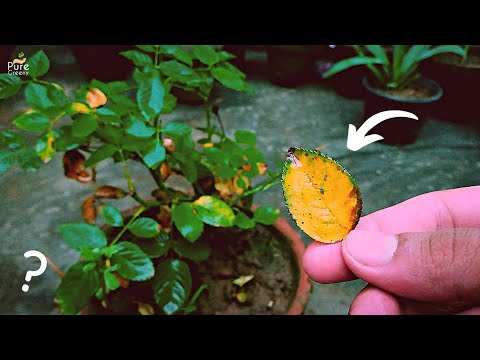
Image source: YouTube / Pure Greeny (YouTube thumbnail (fair-use with source credit))
The Problem: Yellow Leaves on a Miniature Rose
Yellow leaves are your rose's way of waving a white flag. It's stressed. The question is what kind of stress, and that's where most people get tripped up.
The frustrating part is that almost every problem with miniature roses starts with the same symptom. Yellow leaves can mean too much water, not enough water, a nutrient shortage, a pest invasion, or a fungal infection. It's like a fever in humans.
The symptom is obvious, but the cause takes a little detective work.
Miniature roses are not actually a separate species. They're just smaller versions of full-size roses bred to stay compact. That means they share the same basic needs.
They need well-draining soil, consistent moisture, plenty of light, and regular feeding. The difference is that their small pots make them more vulnerable to swings in conditions. A few inches of soil dry out fast.
They also heat up quickly in direct sun. And they have less room for root growth, which means nutrient reserves run out sooner.
So when you see yellow leaves, don't panic. It's fixable. You just need to narrow down the cause.
The Quick Answer: What You're Probably Doing Wrong
Miniature rose leaves turning yellow usually means a watering problem.
Check the soil moisture before anything else.
Overwatering is the most common cause.
Underwatering and nutrient issues are next.
Inspect leaves closely for pests and disease.
Nine times out of ten, you'll find the answer in the first two steps. The soil is either too wet or too dry. If it's neither, you move to the leaves themselves for clues.
The order matters. Don't jump to fertilizer or pest treatment before you rule out watering. You can fix a watering mistake in a day.
A nutrient deficiency or pest problem takes longer to reverse.
Step 1: Check the Soil Moisture
This is where you start. Every single time. Ignore everything else until you know exactly what's happening below the surface.
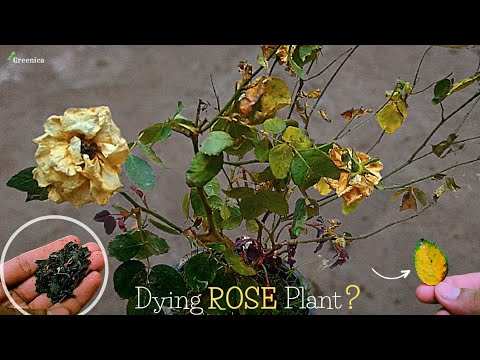
Image source: YouTube / Pure Greeny (YouTube thumbnail (fair-use with source credit))
Stick your finger about an inch into the soil. If it feels wet or damp, you're dealing with overwatering. If it feels bone dry, your rose is thirsty.
Simple as that.
Your Soil Is Too Wet (Overwatering)
Overwatering is the number one killer of miniature roses. People see yellow leaves and assume the plant needs more water. So they water it.
And the problem gets worse.
When the soil stays wet, the roots can't get oxygen. They start to rot. Rotting roots can't absorb nutrients, even if the nutrients are right there in the soil.
So the leaves turn yellow and eventually drop off.
Here's what to look for:
- Soil that feels soggy or heavy
- A musty smell coming from the pot
- Yellow leaves that are soft and droopy, not crispy
- Leaves that fall off easily when you touch them
If this sounds like your plant, stop watering immediately. Let the soil dry out completely before giving it another drink. If the pot doesn't have drainage holes, repot it into one that does.
That's non-negotiable.
Your Soil Is Too Dry (Underwatering)
Underwatering looks similar, but it feels different. The soil will be dry and pulling away from the sides of the pot. The leaves might look yellow and crispy, especially at the edges.
The whole plant might look wilted.
Miniature roses in small pots dry out fast. If you're watering on a fixed schedule, you might be missing the plant's actual needs. Check the soil every few days, not by the calendar.
When the top inch feels dry, water deeply until water runs out the bottom of the pot. Then let it drain completely.
Step 2: Look at Where the Yellow Leaves Are
Where the yellowing shows up tells you a lot about what's wrong. It's like reading a map. The location is the clue.
Image source: Openverse / mikkeldybdal.md (PDM 1.0)
Lower Leaves Turning Yellow First
If the oldest leaves near the bottom of the plant are turning yellow, you're likely looking at one of two things. Nitrogen deficiency or natural aging.
A few yellow leaves at the very bottom is normal. Roses shed old leaves to make room for new growth. But if the yellowing is moving up the stem, that's a nitrogen shortage.
The plant is pulling nitrogen from its older leaves to feed the new growth. That's a sign it needs fertilizer.
New Growth (Top Leaves) Turning Yellow
Yellowing at the top of the plant or on new leaves points to a different problem. It's often iron deficiency. This happens when the soil pH is too high, which locks up iron so the roots can't absorb it.
It's also a sign of root damage from overwatering.
The key difference is in the veins. Iron deficiency causes yellow leaves with green veins, a pattern called interveinal chlorosis. Nitrogen deficiency causes a uniform yellowing across the whole leaf.
Random Yellowing Across the Whole Plant
If you see yellow leaves scattered everywhere, not concentrated at the top or bottom, think about environmental stress. Sudden temperature changes, cold drafts, too much direct sun, or even a recent move to a new spot can cause this. Miniature roses are sensitive to change.
They'll drop leaves in protest.
Step 3: Inspect the Leaves Up Close
Now you need to look at the leaves themselves. The patterns and markings tell you the rest of the story.
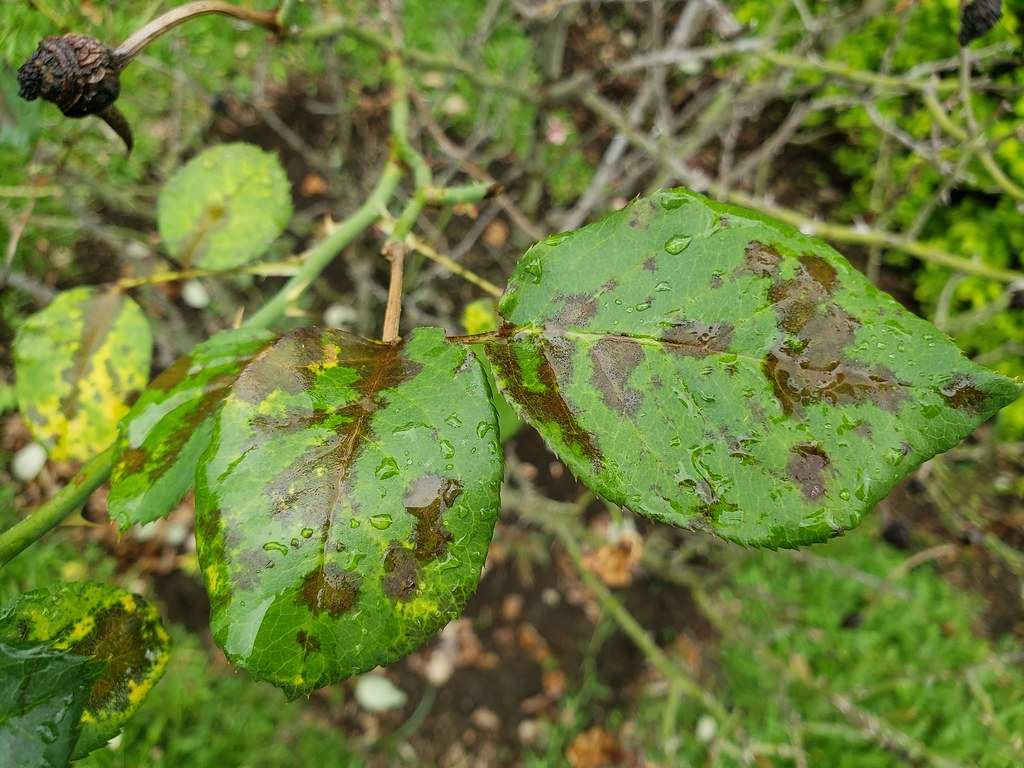
Image source: Openverse / Plant pests and diseases
Yellow with Black Spots
Black spot is a fungal disease that loves miniature roses. It starts as small black circles on the leaves, surrounded by yellow patches. The yellow spreads until the whole leaf drops off.
This is common in humid conditions or when water sits on the leaves. If you water from above and the leaves stay wet overnight, you're inviting black spot. Remove all affected leaves.
Prune for better airflow. And water at the soil level, not on the foliage.
Yellow with Fine Webbing or Stippling
If you see tiny yellow speckles or a fine web across the leaves, you have spider mites. These are tiny pests that suck the sap out of the leaves. They thrive in dry indoor air, especially during winter heating.
Look closely at the undersides of the leaves. You might see tiny moving dots. A magnifying glass helps.
Spider mites are small but they can kill a plant fast. Isolate the rose from other plants immediately. Spray the leaves with a strong stream of water to knock them off.
Repeat every few days.
Yellow with Green Veins (Iron Deficiency)
This is the classic sign of iron deficiency. The leaf turns yellow, but the veins stay bright green. It usually affects new growth first.
The fix is not always more iron. The problem is often that the soil pH is too high, making iron unavailable. A soil pH of 6.0 to 6.5 is ideal for miniature roses.
Above that, iron gets locked up. You can lower the pH with sulfur or use a chelated iron supplement that moves more easily into the plant.
Uniform Pale Yellow (Nitrogen Deficiency)
When the whole leaf turns a pale, washed-out yellow, that's nitrogen. The plant is running on empty. It needs a balanced fertilizer like a 10-10-10 or 5-5-5.
Miniature roses in pots use up nutrients fast because they're watered frequently and the soil volume is small. Regular feeding during the growing season prevents this.
Step 4: Treat the Cause Based on Your Diagnosis
You've identified the problem. Now it's time to act. Each cause needs a different fix, so stick with what you found in the first three steps.
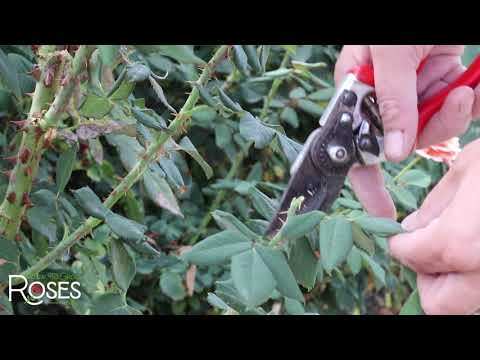
Image source: YouTube / Danny Klittich (YouTube thumbnail (fair-use with source credit))
Fixing Overwatering and Root Rot
Stop watering immediately. Let the soil dry out completely. This can take a week or more depending on pot size and air temperature.
If the soil smells bad or you see mold on top, repot the plant. Remove it from the pot. Gently shake off the old soil.
Trim any brown or mushy roots with clean scissors. Repot into fresh, well-draining potting mix. Use a pot with drainage holes.
Wait three to four days before watering again.
Fixing Underwatering
Water deeply until water runs out the bottom. Then let the pot drain. Don't let it sit in a saucer of water.
Check the soil again in two days. If the top inch is still dry, water again. Keep checking until the soil holds moisture evenly.
Your rose will perk up within a few days. New growth should come in green.
Correcting Nutrient Deficiencies
For nitrogen deficiency, use a balanced fertilizer like 10-10-10. Follow the label instructions. Don't overdo it.
More fertilizer is not better.
For iron deficiency, check your soil pH first. A pH test kit from a garden center works fine. If the pH is above 6.5, lower it with sulfur or use a chelated iron supplement.
Apply the supplement at the soil level. The new growth should green up in about two weeks.
Treating Pests (Spider Mites, Aphids, Thrips)
Isolate the plant from other houseplants. Spray the leaves with a strong stream of water. Focus on the undersides.
Repeat every two to three days.
For stubborn infestations, use insecticidal soap or neem oil. Apply in the evening to avoid leaf burn. Cover all leaf surfaces.
Reapply once a week until the pests are gone. University extension services recommend this approach for container roses.
Treating Fungal Diseases (Black Spot, Powdery Mildew)
Remove all affected leaves. Do not compost them. Throw them in the trash.
Clean up any fallen leaves from the soil surface.
Improve air circulation around the plant. Move it away from other plants. Water at the soil level, not on the leaves.
Apply a fungicide labeled for roses if the problem persists. Follow the label instructions exactly.
Mistakes to Avoid When Treating Yellow Leaves
A few common mistakes can make things worse. Here's what to skip.
- Adding fertilizer to wet soil. This burns the roots. Always water first, then fertilize.
- Pruning too many leaves at once. The plant needs leaves to photosynthesize. Remove only the yellow ones that are clearly dead or diseased.
- Moving the plant too often. Miniature roses hate sudden changes. Pick a spot and leave it there.
- Using too much neem oil or insecticidal soap. This can damage the leaves. Follow the label ratios.
- Ignoring the pot size. A pot that's too small dries out fast. A pot that's too large holds too much moisture. Aim for a pot that's about 6 to 8 inches in diameter for a single miniature rose.
- Watering on a fixed schedule. Water when the soil needs it, not when the calendar says so.
When to Give Up (and When to Keep Going)
Not every miniature rose makes it. It's tough to hear, but it's true.
Keep going if the plant still has some green leaves. Even a few healthy leaves mean the plant can recover. Give it two to four weeks after you make a change.
If you see new growth, you're on the right track.
Give up if the stem is brown and mushy all the way to the base. That's root rot that has spread too far. If the plant has no green leaves at all and the stems are shriveled, it's likely gone.
Toss the soil and start fresh with a new plant.
Most miniature roses sold as gifts are grown in greenhouses under ideal conditions. They're not used to living rooms. The survival rate is lower than you'd think.
Don't feel bad if yours doesn't make it. Consider it a learning experience.
Pro Tips for Keeping Your Miniature Rose Healthy Long-Term
Once you've solved the yellow leaf problem, keep it from coming back. A few simple habits make all the difference.
- Water consistently. Check the soil every two to three days. Water when the top inch is dry. Never let the pot sit in water.
- Feed regularly. Use a balanced fertilizer every two to four weeks during the growing season (spring through fall). Cut back in winter when growth slows.
- Give it enough light. Miniature roses need at least six hours of direct sun per day. A south-facing window is ideal indoors. Supplement with a grow light if needed.
- Prune for airflow. Remove dead leaves and old blooms. Thin out crowded stems. Good air circulation prevents fungal diseases.
- Keep humidity up. Dry indoor air stresses roses. Set the pot on a tray of pebbles and water. Or use a humidifier nearby. Grouping plants together also helps.
- Repot every one to two years. Fresh soil replenishes nutrients. Move up one pot size when the roots fill the current pot.
The Decision Guide: A Quick Visual Flowchart
Here's a simple decision tree to follow anytime you see yellow leaves.
| Condition | What to Check | Likely Cause | Action |
|---|---|---|---|
| Soil feels wet | Overwatering | Root rot | Stop watering. Let soil dry. Repot if needed. |
| Soil feels dry | Underwatering | Thirst | Water deeply. Check again in 2 days. |
| Lower leaves yellow, uniform | Nitrogen deficiency | Needs fertilizer | Apply balanced fertilizer. |
| New leaves yellow, green veins | Iron deficiency | High soil pH | Test pH. Lower pH or use chelated iron. |
| Black spots on yellow leaves | Fungal disease | Black spot | Remove leaves. Improve airflow. |
| Stippling or webbing | Spider mites | Pests | Spray with water. Use insecticidal soap. |
| Random yellowing, no pattern | Environmental stress | Draft, heat, light change | Move to stable spot. Wait and watch. |
Keep this table handy. It covers the most common scenarios. If you're still stuck after running through all the steps, reach out to your local extension office.
They can test your soil and give specific advice for your region.
Frequently Asked Questions
Should I cut off yellow leaves on my miniature rose?
Yes. Remove yellow leaves that are fully dead or diseased. Use clean scissors.
Don't pull them off by hand. The plant recovers faster when you remove the dying foliage.
Can a miniature rose come back from yellow leaves?
Yes, if the stems are still firm and green. Give it the right care and two to four weeks of patience. New growth will come in green if the underlying problem is fixed.
How often should I water a miniature rose indoors?
Check the soil every two to three days. Water when the top inch feels dry. Indoor conditions vary a lot.
Never water on a fixed schedule. Always check first.
What's the best fertilizer for miniature roses?
A balanced fertilizer like 10-10-10 works well. Apply it every two to four weeks during the growing season, from spring to early fall. Stop feeding in winter.
Why are my miniature rose leaves turning yellow after repotting?
That's transplant shock. The roots are adjusting to new soil. Keep the soil consistently moist but not soggy.
Give it bright indirect light for a week. The yellowing should stop as the plant settles in.
Can spider mites cause yellow leaves on miniature roses?
Yes. Spider mites are a common cause. Look for tiny yellow speckles and fine webbing on the undersides of leaves.
Treat with a strong water spray or insecticidal soap.