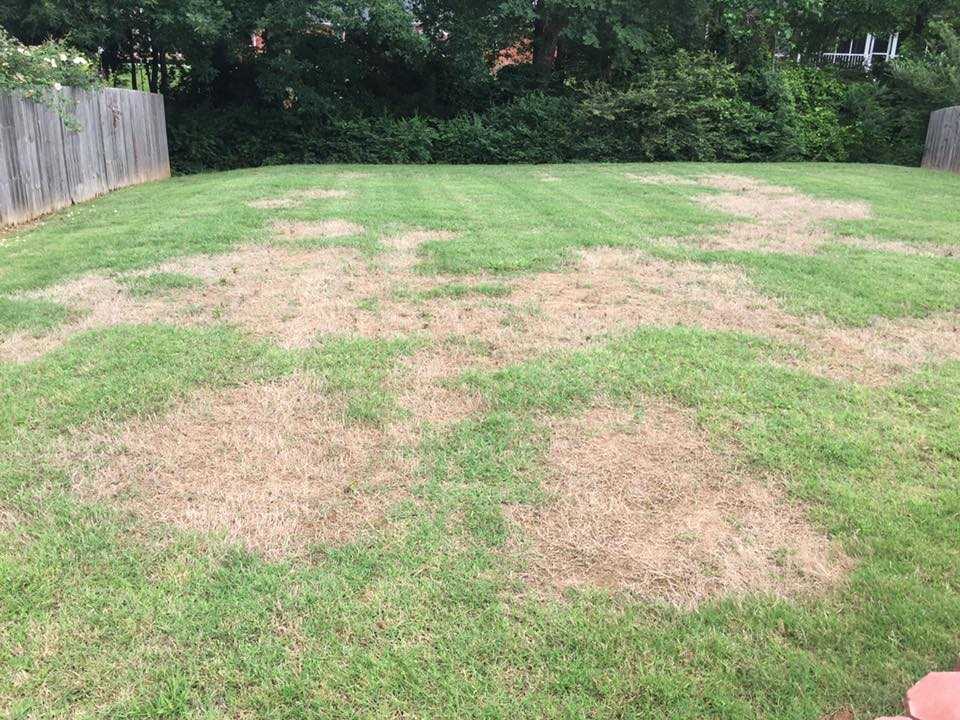
If you’re noticing brown patches in your St. Augustinegrass, don’t worry—this is a common issue many homeowners face, and there are simple solutions to restore your lawn’s vibrant green color. Brown patches can result from various factors such as improper watering, lawn diseases, or pest infestations. The good news is that identifying the cause is the first step to reviving your grass. By adjusting your watering schedule, ensuring proper nutrients, and keeping an eye out for pests, you can tackle the problem effectively. In this article, we’ll explore the common reasons behind those unsightly brown patches and provide practical tips to help you get your St. Augustinegrass back to its lush, healthy state.

Landscaping: Why Does St Augustinegrass Get Brown Patches?
St. Augustinegrass is a popular choice for lawns, especially in warmer regions. It provides a lush, green appearance that many homeowners crave. However, brown patches can disrupt this beauty and cause frustration. Understanding why these patches occur is essential for maintaining a healthy lawn.
Common Causes of Brown Patches in St Augustinegrass
Several factors can lead to unsightly brown patches in your St. Augustinegrass. Identifying the cause is the first step toward restoring your lawn’s health.
1. Lawn Diseases
Diseases are one of the leading causes of brown patches. St. Augustinegrass is susceptible to various fungi, such as:
- Brown Patch: This disease appears as circular brown areas, often accompanied by a yellow halo.
- Dollar Spot: Characterized by small, round, tan spots, this disease can quickly spread.
Understanding how to identify these diseases can help you take action promptly.
2. Overwatering
Too much water can suffocate the roots of St. Augustinegrass, leading to brown patches. Symptoms of overwatering include:
- Yellowing of the grass blades.
- Soft, mushy soil underfoot.
Checking your irrigation habits and adjusting them can prevent overwatering issues.
3. Underwatering
Conversely, underwatering can also cause brown patches. St. Augustinegrass requires regular moisture. Signs of underwatering include:
- Grass that feels dry to the touch.
- Wilting or curling blades.
Maintaining an appropriate watering schedule is crucial for a healthy lawn.
4. Soil Compaction
Heavy foot traffic or improper lawn maintenance can compact the soil. Compacted soil prevents oxygen and nutrients from reaching the roots. You can identify soil compaction through:
- Puddles forming on the surface.
- Difficulty pushing a garden spade into the ground.
Aerating the lawn can relieve compaction issues and promote healthier grass growth.
Environmental Factors Contributing to Brown Patches
In addition to disease and maintenance issues, environmental factors can also play a role.
1. Extreme Temperatures
St. Augustinegrass thrives in warm weather. However, extreme heat or cold can cause stress, leading to brown patches. Protect your lawn by:
- Applying mulch in the summer.
- Covering the grass during frost events.
Being proactive can help your grass withstand temperature extremes.
2. Poor Sunlight Exposure
St. Augustinegrass requires full sun to thrive. Areas that receive too much shade can cause the grass to thin out and become brown. To improve sunlight exposure:
- Trim overhanging branches.
- Consider replacing shaded areas with shade-tolerant grass types.
Enhancing light conditions can improve lawn health.
Improper Lawn Care Practices
Lawn care practices significantly affect the health of St. Augustinegrass. Poor practices can lead to brown patches.
1. Incorrect Mowing Height
Mowing too low can stress St. Augustinegrass, making it susceptible to disease and pests. Aim for a mowing height of 2.5 to 4 inches. Benefits of proper mowing include:
- Stronger root systems.
- Reduced weed competition.
Pay attention to mower settings to maintain the right height.
2. Fertilization Issues
Applying too much or too little fertilizer can alter the health of your lawn. Signs of fertilization problems include:
- Yellowing grass from excess nitrogen.
- Poor growth and thin patches from nutrient deficiency.
Conducting a soil test can help determine the right nutrient balance for your lawn.
Pest Infestation and Its Effects
Pests can wreak havoc on your St. Augustinegrass, leading to brown patches.
1. Grub Worms
Grub worms feed on the roots of grasses, causing brown spots. They can be identified by:
- Soft, spongy areas in the lawn.
- Presence of beetles in the surrounding area.
Implementing appropriate pest control methods can help manage this issue.
2. Chinch Bugs
Chinch bugs are notorious for their destructive nature. They suck the juice from grass blades, leading to:
- Yellowing and browning of grass.
- Irregular patches throughout the lawn.
Regularly inspecting your lawn can help catch chinch bugs early.
Effective Solutions for Brown Patches
Once you’ve identified the causes of brown patches, addressing them becomes crucial. Here are some practical solutions.
1. Lawn Disease Management
If you suspect disease is causing brown patches, consider:
- Applying a fungicide specifically designed for St. Augustinegrass.
- Improving air circulation through regular mowing and aeration.
Proper management will help your lawn recover effectively.
2. Adjusting Watering Practices
Monitoring your watering schedule is key. You should:
- Water deeply but infrequently, encouraging deep rooting.
- Use a rain gauge to track rainfall and adjust irrigation accordingly.
Smart watering can eliminate both over and underwatering problems.
3. Aeration and Soil Improvement
Consider aerating your lawn once a year to relieve compaction. Additionally, you may:
- Top-dress with compost to improve soil health.
- Incorporate organic matter to enhance nutrient availability.
Healthy soil leads to healthier grass.
Preventive Measures to Keep St Augustinegrass Healthy
Preventing brown patches is always better than treating them after they appear. Here are some steps you can take.
1. Regular Mowing
Consistent mowing can improve the overall health of your grass. Be sure to:
- Change mowing patterns to prevent soil compaction.
- Keep mower blades sharp for clean cuts.
Regular mowing creates a more resilient lawn.
2. Fertilization Schedule
Developing a fertilization schedule can help ensure your lawn receives the necessary nutrients. Consider:
- Applying a slow-release fertilizer in the spring.
- Conducting soil tests to adjust nutrient application accordingly.
A well-fed lawn is a happy lawn.
3. Pest Monitoring
Keep an eye out for pests throughout the growing season. This includes:
- Regularly checking for signs of infestation.
- Using organic pest control methods when possible.
Early detection will make pest management more effective.
In conclusion, understanding the causes of brown patches in St. Augustinegrass can help you maintain a healthy lawn. By addressing issues related to disease, watering, soil compaction, and pests, you can enjoy the vibrant green lawn you’ve always wanted. Regular maintenance and preventive measures will also ensure your lawn stays lush and beautiful throughout the seasons.
How To Fix Brown Patch & Large Patch In St Augustine, Zoysia and Tall Fescue with The Lawn Care Nut
Frequently Asked Questions
“`html
What are common causes of brown patches in St. Augustinegrass?
Brown patches in St. Augustinegrass often result from a variety of factors including improper watering, nutrient deficiencies, pest infestations, or fungal infections. Overwatering can lead to shallow root systems and increase susceptibility to disease, while underwatering can stress the grass, causing it to turn brown. Additionally, a lack of essential nutrients like nitrogen can prevent healthy growth, manifesting as brown spots.
How can I prevent brown patches from forming in my lawn?
To prevent brown patches in St. Augustinegrass, maintain a consistent watering schedule, ensuring the grass receives about 1 to 1.5 inches of water per week. Fertilize regularly with a balanced fertilizer to provide necessary nutrients. Implement proper mowing techniques, cutting the grass at the recommended height to promote healthy growth and reduce stress. Furthermore, aerate your lawn to improve drainage and air circulation.
Can diseases lead to brown patches in St. Augustinegrass?
Yes, various diseases can cause brown patches in St. Augustinegrass. Common lawn diseases include brown patch disease, which thrives in humid conditions, and larger patch disease, which often occurs during cooler temperatures. Regularly inspect your lawn for any signs of disease, and treat affected areas promptly with appropriate fungicides to mitigate damage.
How does soil quality affect St. Augustinegrass health?
Soil quality significantly impacts the health of St. Augustinegrass. Poor soil conditions, such as compaction or low pH levels, can restrict root development and nutrient absorption. Testing your soil allows you to identify necessary amendments, such as lime or organic matter, to improve soil health and support robust grass growth.
What role do pests play in causing brown patches in my lawn?
Pests can play a significant role in creating brown patches on St. Augustinegrass. Insects like chinch bugs and grubs feed on grass roots, weakening the plant and leading to discoloration. Regularly inspect your lawn for signs of pest infestation, and consider pest control measures if necessary to protect your grass.
“`
Final Thoughts
Brown patches in St Augustinegrass often indicate underlying issues such as pest infestations, improper watering, or lawn diseases. Regular maintenance, including proper irrigation and pest control, can help prevent these problems.
Landscaping Why Does St Augustinegrass Get Brown Patches highlights the importance of addressing these factors early. By staying vigilant and making adjustments as needed, homeowners can maintain a healthy and vibrant lawn. Taking proactive steps ensures that your St Augustinegrass remains lush and green throughout the growing season.