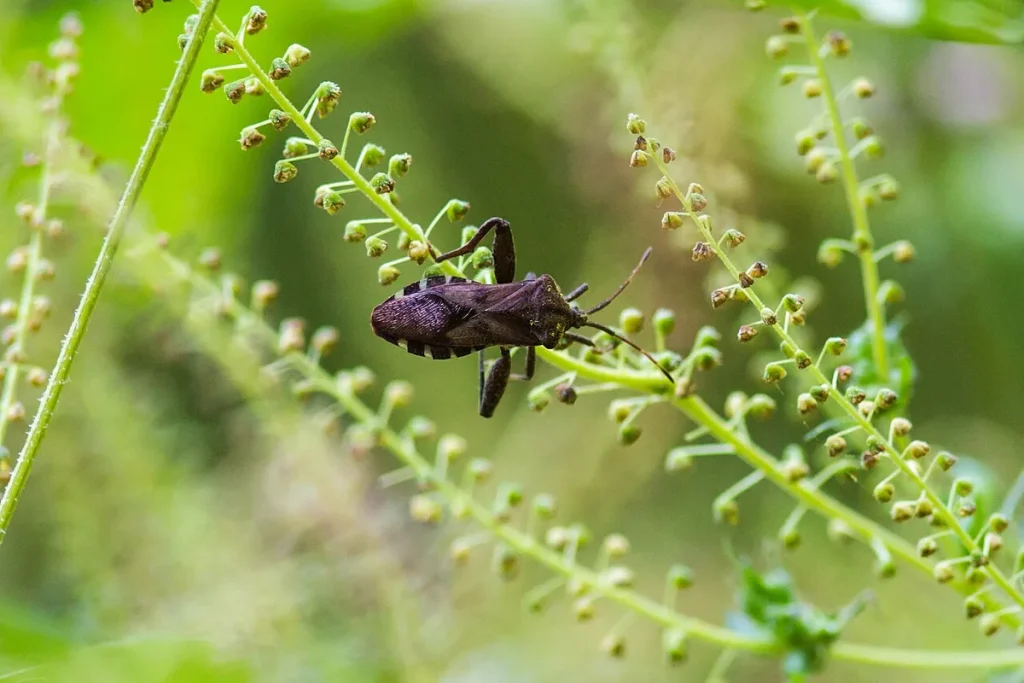
Those squash bugs can absolutely wreck a zucchini harvest fast. If you've spotted them clustering under the leaves, you're probably wondering: will Dawn dish soap kill squash bugs? The short answer is yes, but only under the right conditions and with realistic expectations.
Dawn works as a contact insecticide, meaning it has to hit the bug directly to do its job. It won't prevent future infestations or kill eggs. Per university extension research, soap sprays are most effective on nymphs and must be reapplied every 5-7 days during active season.
Let's break down exactly when Dawn makes sense and when you'll need something more.
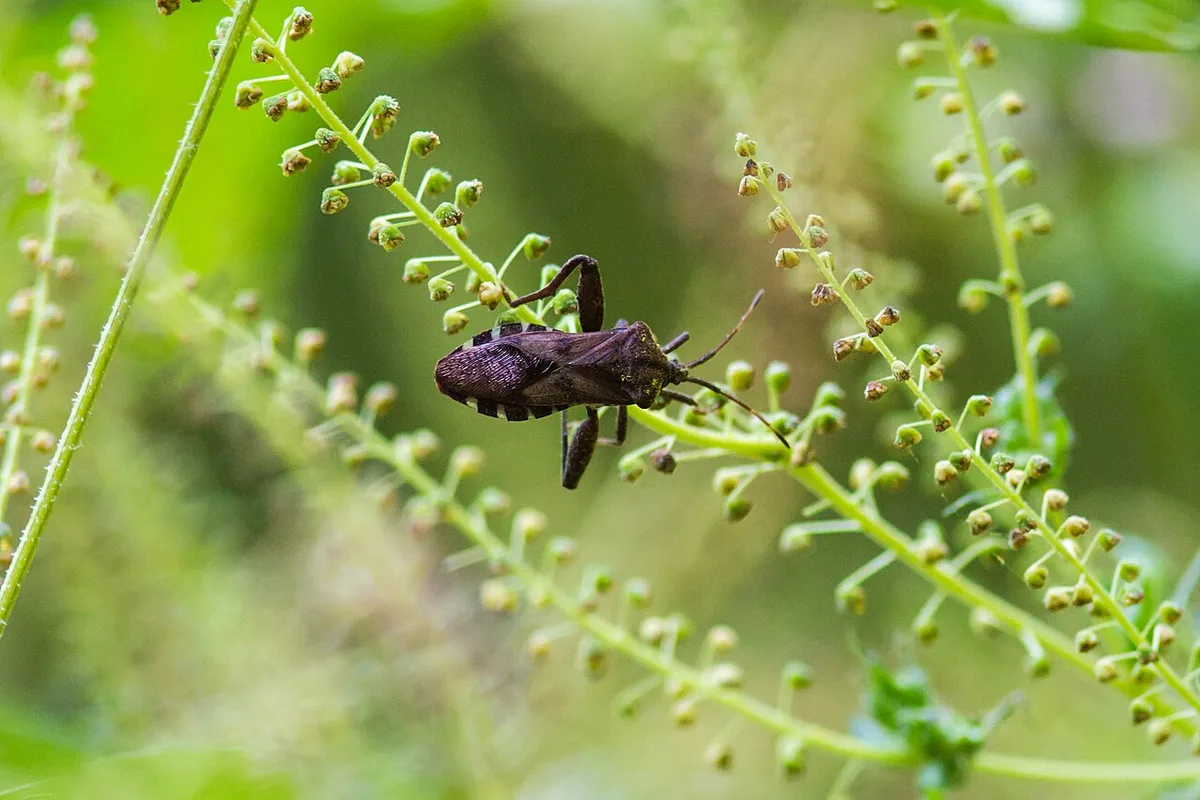
Image source: Wikimedia Commons / Melissa McMasters from Memphis, TN, United States (CC BY)
Quick Answer
Yes, Dawn dish soap kills squash bugs on contact. It works by breaking down the waxy coating on their exoskeletons. It does not kill eggs or provide lasting protection.
You must spray it directly on the bugs. It works best on young nymphs, not adults.
How Dawn Actually Works on Squash Bugs
Dawn dish soap contains surfactants. These are compounds that reduce surface tension. When sprayed on a squash bug, the soap dissolves the protective waxy layer on its exoskeleton.
Once that barrier is gone, the bug loses moisture rapidly and dies from dehydration.
This is called a contact insecticide. It has to physically touch the bug. There's no residual effect.
Once the spray dries, it stops working. That's a key limitation a lot of gardeners miss.
The Surfactant Effect on Bug Exoskeletons
Squash bugs, like most insects, have a thin waxy cuticle covering their bodies. This layer prevents water loss. Dawn's surfactants strip that layer away.
The bug essentially dehydrates.
Research from university extension programs confirms this mechanism. It's not a poison in the traditional sense. It's a physical mode of action.
That's why thorough coverage matters so much.
Why Direct Contact Is Non-Negotiable
You can't just spray the plant and call it done. The soap solution has to hit the bug. Squash bugs tend to hide on the undersides of leaves, along stem joints, and near the base of the plant.
If your spray doesn't reach those spots, the bugs survive.
This is where a lot of people get frustrated. They spray once, see bugs still alive, and assume it doesn't work. The issue is usually coverage, not the soap itself.
What Dawn Can't Do (Eggs, Residual Protection)
Squash bug eggs are laid in clusters on the undersides of leaves. They're small, bronze-colored, and often arranged in neat triangular patterns. Dawn spray does nothing to eggs.
They'll hatch on schedule regardless.
Adult squash bugs are also harder to kill than nymphs. Their exoskeletons are tougher. You'll need more thorough coverage and possibly a slightly stronger concentration for adults.
Even then, results vary.
When Dawn Spray Makes Sense for Your Garden
Dawn spray isn't a silver bullet. But it does have a place in your pest management toolkit. The key is knowing when it's the right tool and when you should reach for something else.
Early-Stage Infestations
If you catch squash bugs early, before they've established a large population, Dawn spray can keep numbers manageable. This is especially true for nymphs, which are more vulnerable than adults. A consistent spray schedule combined with hand-picking adults can make a real difference.
Small Home Gardens vs. Larger Plots
Dawn spray works best in small to medium-sized gardens where you can give each plant individual attention. If you're managing a large plot with dozens of plants, the labor involved in thorough spraying becomes impractical. In that case, you'd want to consider broader solutions.
When You're Committed to Organic Methods
If you're growing food and want to avoid synthetic chemicals, Dawn is a reasonable starting point. It's safe for edible crops when used correctly. It won't leave harmful residue on your vegetables.
Just rinse your produce before eating, as you should anyway.
The Right Way to Mix and Apply Dawn Spray
Getting the mix right matters. Too little soap and it won't work. Too much and you risk damaging your plants.
Here's what the research and extension guidelines point to.
Dilution Ratio That Works
The commonly recommended ratio is 2 to 3 tablespoons of Dawn per gallon of water. That's roughly 1% to 2% soap concentration. Some gardeners push it to 4 tablespoons for heavy infestations on tough-skinned adults, but start conservative.
Use regular Dawn (the blue original). The ultra-concentrated versions and scented varieties may have different surfactant levels. Stick with what's been tested and recommended.
Best Time of Day to Spray
Spray in the early morning or late evening. Avoid the heat of the day. Soap spray can cause leaf burn when applied in direct sunlight, especially at higher concentrations.
Cooler temperatures also mean the solution stays wet longer on the bug's body, increasing effectiveness.
Where to Aim: Undersides of Leaves and Stem Bases
Squash bugs congregate on the undersides of leaves. They also hide where leaves meet the stem. These are the spots you need to hit.
A standard pump sprayer works fine. Tilt the nozzle upward to reach leaf undersides.
Don't just spray the tops of leaves and walk away. That's the most common mistake. Flip those leaves.
Get into the joints. Thorough coverage is everything.
Reapplication Schedule for Real Results
Plan to reapply every 5 to 7 days during the active season. Squash bugs lay eggs continuously from late spring through summer. New nymphs will hatch between sprayings.
Consistency over several weeks is what brings the population down.
You'll also need to reapply after rain. The soap washes off easily. It doesn't stick to leaves the way synthetic insecticides do.
What Works Better Than Dawn Alone
Dawn spray is one tool, not a complete solution. For serious infestations, you'll want to combine it with other methods. Here's what tends to work better, either alongside or instead of soap spray.
Hand-Picking Adults and Nymphs
It's not glamorous, but hand-picking is one of the most effective squash bug control methods. Drop them into a bucket of soapy water. This is especially useful for adults, which are harder to kill with spray alone.
Check your plants daily during peak season. Early morning is when they're most active and visible.
Neem Oil as a Complement
Neem oil works differently than Dawn. It contains azadirachtin, which disrupts insect feeding and reproduction. It also has some repellent properties.
Many gardeners alternate between neem oil and soap spray for broader coverage.
Neem oil can also affect eggs to some degree, which Dawn cannot do. That's a meaningful advantage.
Row Covers for Prevention
If you're dealing with squash bugs year after year, row covers are your best preventive measure. Place them over young plants before squash bugs become active. Remove them when flowers appear so pollinators can do their job.
This stops the problem before it starts. Prevention is always easier than treatment.
Trap Cropping with Blue Hubbard Squash
Blue Hubbard squash is highly attractive to squash bugs. Plant it as a sacrificial crop away from your main squash plants. The bugs will congregate on the Hubbard squash, where you can target them more easily.
University extension programs have documented this strategy working well in field trials. It's a smart addition to any integrated pest management plan.
Common Mistakes That Make Dawn Spray Fail
Even when the mix is right, people still struggle with Dawn spray. Here are the mistakes that trip up most gardeners.
Spraying in Direct Sunlight
This causes leaf burn fast. The soap solution heats up on the leaf surface and damages plant tissue. Always spray when the sun is low or the plant is in shade.
Using Too Much Soap
More soap doesn't mean more killing power. It means more plant damage. Stick to the recommended ratio.
If you're not seeing results, the issue is likely coverage, not concentration.
Expecting Eggs to Be Affected
Dawn spray does not kill squash bug eggs. If you're only spraying and not removing egg clusters by hand, you'll keep getting new nymphs. Check leaves regularly and crush or remove any egg clusters you find.
Treating It as a One-Time Fix
One spray won't solve a squash bug problem. These bugs reproduce quickly. A single application might kill the bugs you see today, but eggs will hatch and adults will return.
Commit to a multi-week plan or save yourself the effort.
Dawn Spray vs. Other Squash Bug Solutions
Let's put Dawn in context. How does it stack up against other common approaches?
Side-by-Side Comparison Table
| Method | Kills Eggs | Kills Nymphs | Kills Adults | Residual Effect | Cost |
|---|---|---|---|---|---|
| Dawn Soap Spray | No | Yes (on contact) | Partial | None | Low |
| Neem Oil | Partial | Yes | Partial | Low | Moderate |
| Hand-Picking | Yes (if found) | Yes | Yes | None | Free |
| Pyrethrin Spray | No | Yes | Yes | Low to moderate | Moderate |
| Row Covers | N/A (prevention) | N/A | N/A | Season-long | Moderate |
| Diatomaceous Earth | No | Yes (slow) | Yes (slow) | Until wet | Low |
Cost and Availability Breakdown
Dawn is the cheapest option by far. A bottle costs a few dollars and lasts an entire season. Neem oil runs $10 to $15 per bottle.
Pyrethrin sprays are similar in price. Row covers are a one-time investment of $15 to $30 but last multiple seasons.
Effectiveness by Infestation Stage
For light infestations with mostly nymphs, Dawn spray works well. For heavy infestations with mixed ages, you'll need a combination approach. For prevention, row covers outperform everything else.
When to Escalate Beyond Home Remedies
Sometimes Dawn and hand-picking aren't enough. Here's when to step up your game.
Signs Your Infestation Needs Stronger Treatment
If you're spraying consistently for two weeks and still seeing large numbers of bugs, it's time to escalate. Other signs include wilting vines despite adequate water, which can indicate squash vine borer damage alongside the bug problem.
Organic-Certified Options That Outperform Dawn
Spinosad-based products are organic-certified and highly effective against squash bugs. They work on contact and have some residual activity. They're a good next step if Dawn isn't cutting it.
When to Call Your Local Extension Office
If you're unsure what pest you're dealing with or your plants are dying despite treatment, contact your county extension office. They can identify the pest, confirm your approach, and recommend region-specific solutions. This service is usually free.
Seasonal Timing and Prevention Strategy
Squash bugs follow a predictable seasonal pattern. Understanding that pattern helps you stay ahead of them.
When Squash Bugs First Appear
In most regions, adult squash bugs emerge in late spring when squash plants are well-established. They start laying eggs shortly after. That's when your spray program should begin.
Fall Cleanup to Reduce Next Year's Population
Adult squash bugs overwinter in plant debris, woodpiles, and garden structures. Clean up all squash plant material at the end of the season. Don't compost it.
Bag it and dispose of it. This reduces the population that returns next spring.
Building a Multi-Method Defense Plan
The most effective approach combines prevention, monitoring, and treatment. Use row covers early. Monitor plants daily.
Hand-pick adults. Spray nymphs with Dawn or neem oil. Remove egg clusters.
Clean up in fall.
No single method eliminates squash bugs entirely. But a layered approach keeps them at manageable levels.
Frequently Asked Questions
Can I use any dish soap, not just Dawn?
You can use other liquid dish soaps, but Dawn Original is the most studied and recommended. Avoid soaps with added bleach, degreasers, or antibacterial agents. These can harm plants.
How long does it take for Dawn spray to kill squash bugs?
On contact, squash bugs typically die within minutes to a few hours. You'll often see them stop moving shortly after spraying. If bugs are still active hours later, your coverage was likely incomplete.
Will Dawn spray harm beneficial insects?
It can if you spray them directly. Bees, ladybugs, and other beneficials can be harmed by soap spray. Spray targeted areas rather than broadcasting across the entire garden.
Avoid spraying open flowers.
How often should I reapply Dawn spray for squash bugs?
Every 5 to 7 days during active season. Reapply after rain or heavy dew. Consistency is more important than concentration.
Does Dawn kill squash bug eggs on contact?
No. Dawn spray does not kill squash bug eggs. You need to remove egg clusters by hand.
Check the undersides of leaves regularly and crush any clusters you find.
Is Dawn spray safe for edible squash and zucchini?
Yes. Dawn is safe for edible crops when used at the recommended dilution. Rinse your produce before eating as a standard practice.
Frequently Asked Questions
Can I use any dish soap, not just Dawn?
You can use other liquid dish soaps, but Dawn Original is the most studied and recommended. Avoid soaps with added bleach, degreasers, or antibacterial agents. These can harm plants.
How long does it take for Dawn spray to kill squash bugs?
On contact, squash bugs typically die within minutes to a few hours. You'll often see them stop moving shortly after spraying. If bugs are still active hours later, your coverage was likely incomplete.
Will Dawn spray harm beneficial insects?
It can if you spray them directly. Bees, ladybugs, and other beneficials can be harmed by soap spray. Spray targeted areas rather than broadcasting across the entire garden.
Avoid spraying open flowers.
How often should I reapply Dawn spray for squash bugs?
Every 5 to 7 days during active season. Reapply after rain or heavy dew. Consistency is more important than concentration.
Does Dawn kill squash bug eggs on contact?
No. Dawn spray does not kill squash bug eggs. You need to remove egg clusters by hand.
Check the undersides of leaves regularly and crush any clusters you find.
Is Dawn spray safe for edible squash and zucchini?
Yes. Dawn is safe for edible crops when used at the recommended dilution. Rinse your produce before eating as a standard practice.
Final Verdict: Where Dawn Fits in Your Squash Bug Battle Plan
Dawn dish soap is a legitimate first-line defense against squash bugs. It's cheap, accessible, and effective on nymphs when applied correctly. But it's not a standalone solution.
Use Dawn spray as part of an integrated approach. Combine it with hand-picking, egg cluster removal, and preventive measures like row covers. If your infestation is heavy or persistent, step up to neem oil or spinosad-based products.
The gardeners who win the squash bug war aren't the ones who find one magic spray. They're the ones who stay consistent, check their plants daily, and use multiple methods together. Dawn earns a spot in that rotation.
Just don't expect it to do all the work alone.
Frequently Asked Questions
Can I use any dish soap, not just Dawn?
You can use other liquid dish soaps, but Dawn Original is the most studied and recommended. Avoid soaps with added bleach, degreasers, or antibacterial agents. These can harm plants.
How long does it take for Dawn spray to kill squash bugs?
On contact, squash bugs typically die within minutes to a few hours. You'll often see them stop moving shortly after spraying. If bugs are still active hours later, your coverage was likely incomplete.
Will Dawn spray harm beneficial insects?
It can if you spray them directly. Bees, ladybugs, and other beneficials can be harmed by soap spray. Spray targeted areas rather than broadcasting across the entire garden.
Avoid spraying open flowers.
How often should I reapply Dawn spray for squash bugs?
Every 5 to 7 days during active season. Reapply after rain or heavy dew. Consistency is more important than concentration.
Does Dawn kill squash bug eggs on contact?
No. Dawn spray does not kill squash bug eggs. You need to remove egg clusters by hand.
Check the undersides of leaves regularly and crush any clusters you find.
Is Dawn spray safe for edible squash and zucchini?
Yes. Dawn is safe for edible crops when used at the recommended dilution. Rinse your produce before eating as a standard practice.
Final Verdict: Where Dawn Fits in Your Squash Bug Battle Plan
Dawn dish soap is a legitimate first-line defense against squash bugs. It's cheap, accessible, and effective on nymphs when applied correctly. But it's not a standalone solution.
Use Dawn spray as part of an integrated approach. Combine it with hand-picking, egg cluster removal, and preventive measures like row covers. If your infestation is heavy or persistent, step up to neem oil or spinosad-based products.
The gardeners who win the squash bug war aren't the ones who find one magic spray. They're the ones who stay consistent, check their plants daily, and use multiple methods together. Dawn earns a spot in that rotation.
Just don't expect it to do all the work alone.