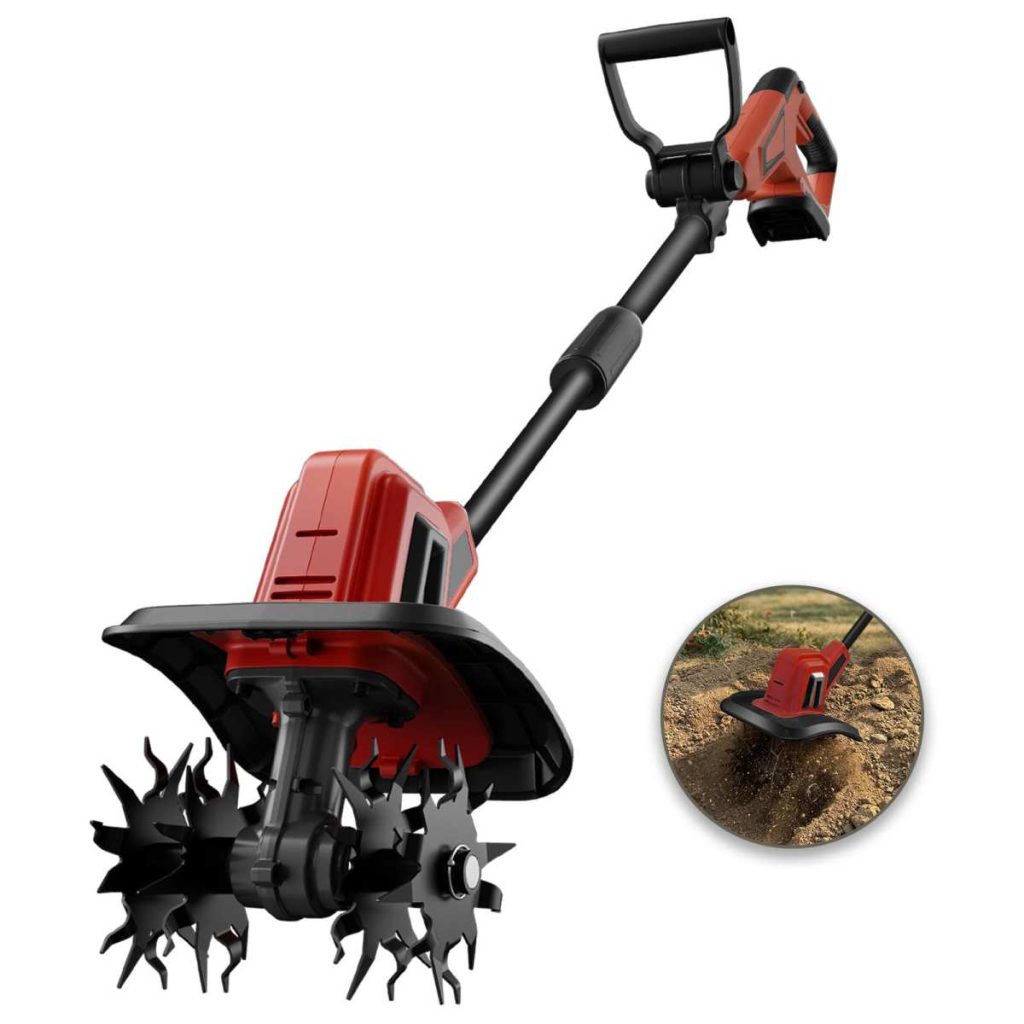
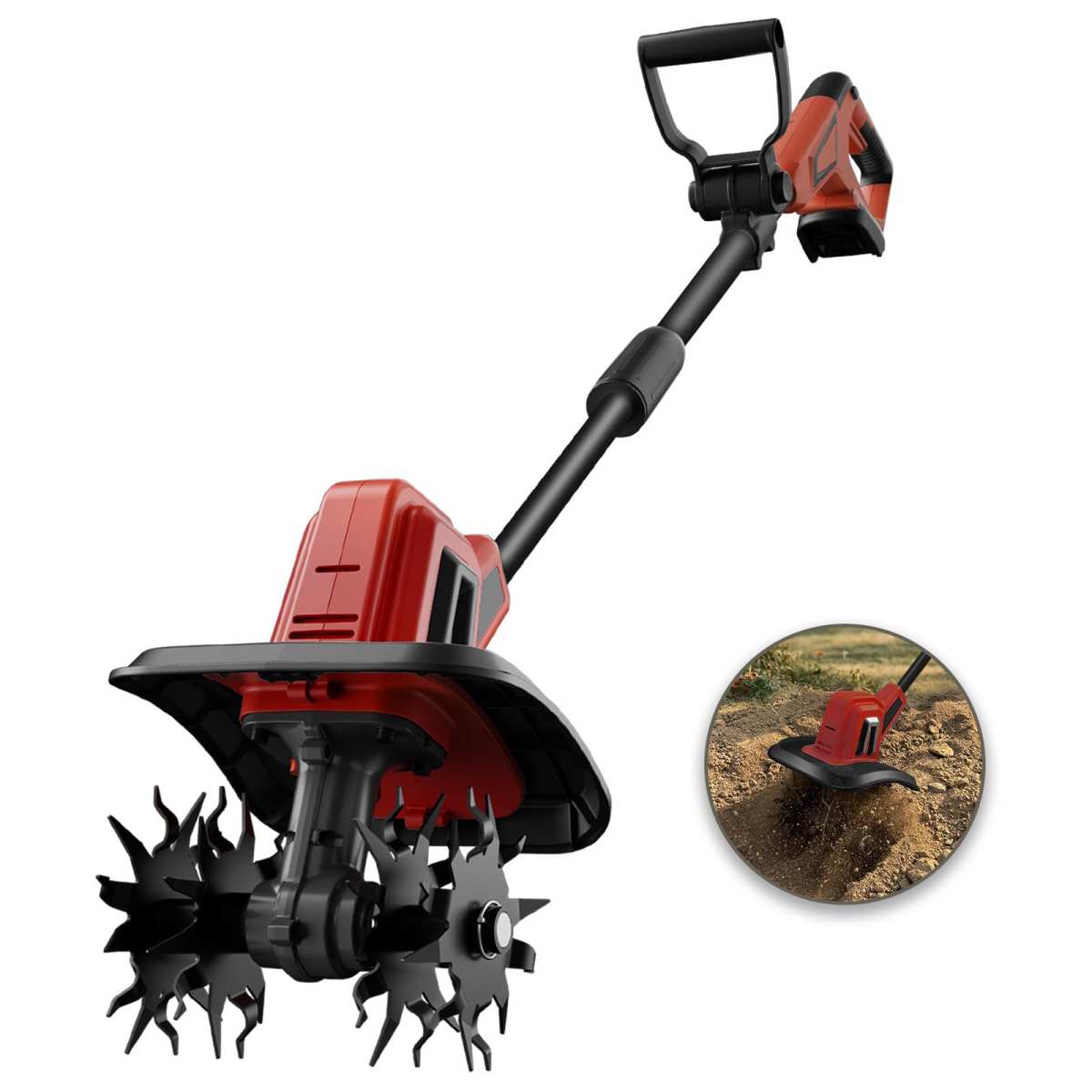
MaxMore Cordless Tiller Cultivator
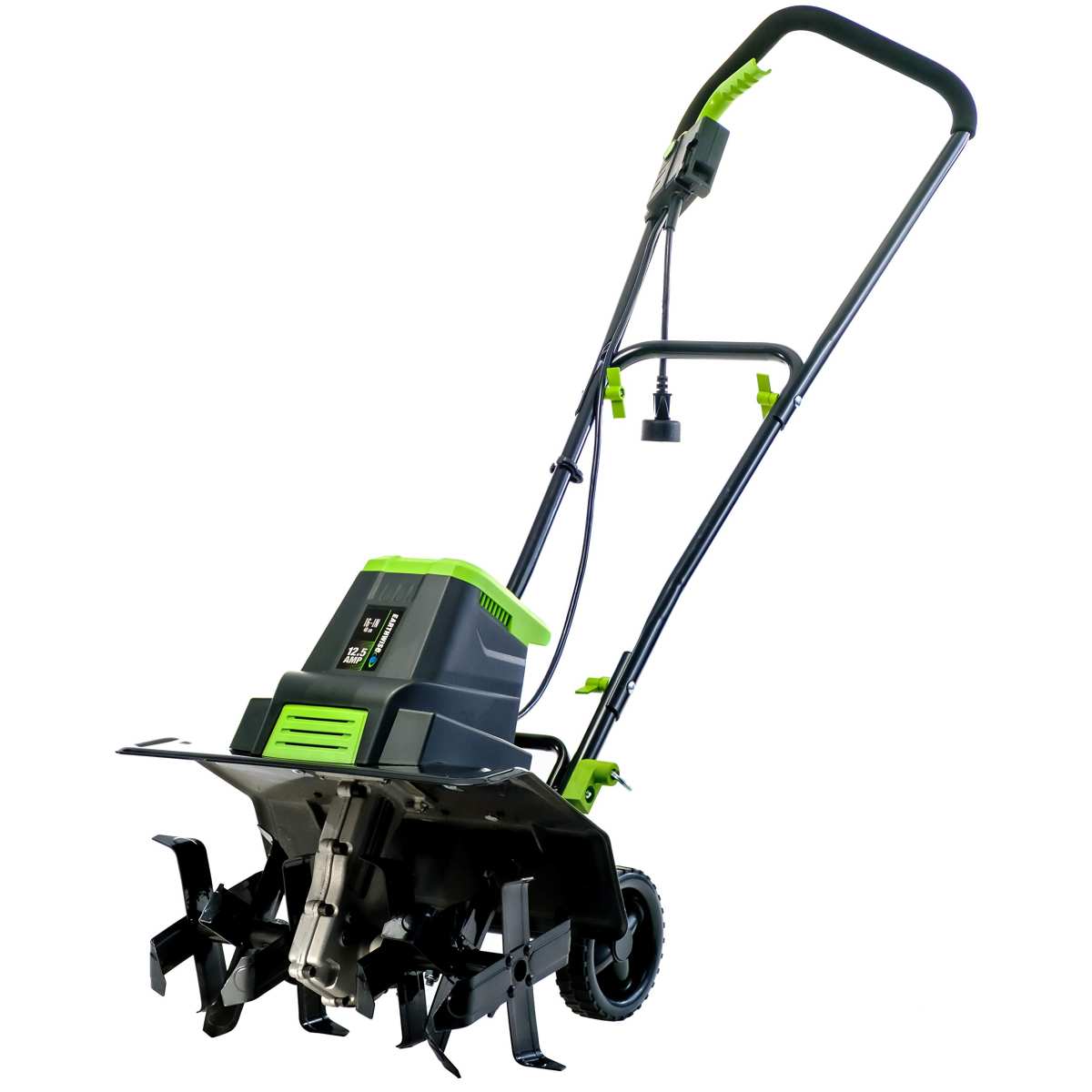
Earthwise Power Tools by
Finding the right tool for your garden can feel like trying to fit a square peg in a round hole—until you find the one that actually fits. Whether you’re prepping soil for new plants, weeding stubborn patches, or just trying to keep your garden beds healthy, the right cultivator makes all the difference. Two popular options currently making waves on Amazon are the MaxMore Cordless Tiller Cultivator and the Earthwise Power Tools by. Both promise to simplify garden prep, but they take very different approaches. One runs on battery power and pairs with Milwaukee tools, while the other plugs into the wall with a powerful 12.5-amp motor.
If you’re deciding between cordless convenience and corded reliability, this comparison will help you cut through the noise. We’ll dive into performance, ease of use, storage needs, and real user experiences—so you can make a choice based on what truly matters to your gardening style. By the end, you’ll know which cultivator fits your space, budget, and workflow best.
Quick Comparison Table
In-Depth Look: MaxMore Cordless Tiller Cultivator
The MaxMore Cordless Tiller Cultivator is a compact, battery-powered garden tool designed for homeowners who want power without the hassle of cords or gas. It’s built to work seamlessly with Milwaukee M18 18V batteries—so if you already own a Milwaukee power tool kit, this tiller becomes an instant addition to your arsenal. The package includes just the tiller, so you’ll need to supply your own compatible battery, but that also means you can use any Milwaukee 18V battery you have on hand.
At the heart of this cultivator is a 300-watt motor spinning at 270 RPM, which is enough to tackle moderately compacted soil, break up clumps, and clear out weeds in small to medium garden beds. It’s not meant for heavy-duty field tilling, but for raised beds, flower gardens, and vegetable plots, it delivers solid performance. The 48 steel tines give it aggressive action, allowing it to dig up to 6.3 inches deep and cover a swath of 8.7 inches per pass—ideal for preparing soil without disturbing the surrounding roots too much.
One standout feature is its portability. Weighing in at around 10 to 12 pounds (tool only), it’s significantly lighter than most corded models. The adjustable auxiliary handle makes it comfortable to maneuver, and the detachable gear assembly means it folds down for compact storage—perfect if you’ve got limited shed space. Plus, the low-voltage protection automatically shuts off the tool when the battery drops below 14.4V, which not only protects the battery but also prevents unexpected shutdowns mid-task.
Pros:
– Lightweight and easy to handle, even for smaller gardeners
– Works with existing Milwaukee 18V batteries
– Detachable parts for compact storage
– 5-year warranty for long-term peace of mind
– Effective at weeding and soil aeration in small plots
Cons:
– Requires separate battery purchase
– Smaller tilling width may require multiple passes
– Weeds can occasionally get tangled in the tines, requiring manual cleanup
Real users love how easy it is to use in raised beds where larger tillers won’t fit. One reviewer, a petite gardener, noted that it was “easy to handle and comfortable to use,” while another praised its battery life—lasting over an hour on a single charge and recharging quickly. The only recurring complaint? Occasionally, weeds wrap around the tines, but users found that removing the battery and pin made clearing them simple.
This cultivator shines for DIY gardeners, urban gardeners with limited space, and anyone already invested in the Milwaukee 18V ecosystem. If you’re maintaining flower beds, small vegetable plots, or need to aerate soil without breaking your back, the MaxMore delivers reliable performance with zero emissions and no cords.
In-Depth Look: Earthwise Power Tools by
The Earthwise Power Tools by is a classic corded electric cultivator designed for small to medium gardens that need a bit more muscle than a manual fork can offer. Powered by a robust 12.5-amp motor, this tiller delivers consistent power straight from the wall outlet—no batteries to worry about, no runtime limits. It’s ideal for gardeners who want immediate power without the cost of batteries or chargers.
With a 16-inch tilling width and 8-inch depth, this model covers more ground than the MaxMore in a single pass. That makes it faster for larger garden areas, though it’s still best suited for smaller yards or intensive use in compact plots. The six fixed steel tines are durable and designed to cut through tough, root-filled soil without clogging—something many users report as a major upgrade over manual tools.
The Earthwise is built for maneuverability despite its size. It features rear flip-down wheels that make it easier to roll across uneven terrain, and the single lever switch allows for one-handed operation. The soft ergonomic grip reduces hand fatigue during extended use, and since it’s electric, it’s quieter and more eco-friendly than gas-powered tillers.
Pros:
– Powerful 12.5-amp motor for heavy-duty soil prep
– Wider 16-inch tilling path reduces passes needed
– Includes wheels for easier transport
– No battery cost or charging time
– Effective at handling thick roots and compacted soil
Cons:
– Cord limits mobility (requires nearby outlet)
– Heavier than cordless models (around 18–20 lbs)
– Bulkier design takes more storage space
– Only 1-year warranty
Customer feedback highlights its reliability and power. One user said it “did an amazing and fast job” turning over a flower garden where hand tools had failed due to root congestion. Another appreciated the customer service after a wheel came loose—they received a replacement unit promptly. However, a few users reported issues with screws loosening over time, requiring DIY fixes.
This tiller is best for gardeners with consistent access to power outlets and larger small-to-medium gardens. If you’re preparing new planting beds, dealing with stubborn roots, or just want a no-fuss, always-ready tool, the Earthwise offers strong performance without the need for batteries or charging schedules.
Head-to-Head Comparison
Performance & Power
When it comes to raw power, the Earthwise has the edge with its 12.5-amp corded motor, which delivers consistent torque ideal for dense or root-filled soil. The MaxMore, while not as powerful, still handles average garden soil well thanks to its 300W motor and high-RPM tines. However, the cordless model may struggle with extremely compacted ground or thick perennial roots. That said, for most residential gardening tasks—especially in raised beds—the MaxMore performs admirably and offers the added benefit of instant startup and variable speed control via battery power.
Convenience & Portability
This is where the MaxMore truly shines. Being cordless, it offers unmatched freedom of movement. You’re not tethered to an outlet, and you can take it anywhere on your property—even to a friend’s backyard for a quick soil refresh. The Earthwise, while equipped with wheels, still requires a nearby power source, which can be a limitation in large yards or during rainy weather when extension cords become messy or unsafe. On the flip side, the Earthwise doesn’t require batteries, so there’s no downtime waiting for charging or worrying about battery life.
Storage & Maintenance
Storage needs differ significantly. The MaxMore’s detachable gears and compact design allow it to fold down neatly into tight spaces—ideal for apartments, small sheds, or garages with limited room. The Earthwise is bulkier and heavier, and while the wheels help, it still takes up more space and is harder to store. Maintenance-wise, both are relatively low-maintenance, but the MaxMore benefits from not having to deal with oil changes or spark plugs (unlike gas models), and the Earthwise avoids battery degradation issues altogether.
Cost & Value
The MaxMore typically costs less upfront than the Earthwise, but remember: you’ll need to factor in the cost of a compatible Milwaukee 18V battery if you don’t already own one. That can add $50–$100 to the total investment. The Earthwise includes everything in the box—no extra purchases needed—but lacks long-term support with only a 1-year warranty compared to the MaxMore’s generous 5-year coverage.
User Experience & Ease of Use
Both tools are user-friendly, but in different ways. The MaxMore is lighter, quieter, and simpler to start—just insert the battery and go. The Earthwise requires plugging in and flipping a switch, but its weight and muscle can feel more substantial during heavy use. Petite gardeners or those with limited strength may prefer the MaxMore’s lighter feel, while others might appreciate the Earthwise’s stability and power feedback.
Environmental Impact
Both are eco-friendly compared to gas-powered tillers—no emissions, no fumes, no fuel mixing. However, the MaxMore has a slight edge in sustainability since lithium-ion batteries are increasingly recyclable, and there’s no risk of oil spills or carbon emissions during operation. The Earthwise avoids battery waste entirely, so your environmental concerns may come down to personal preference.
Frequently Asked Questions
Q: Can the MaxMore Cordless Tiller Cultivator work with other 18V batteries besides Milwaukee?
A: No, it’s specifically designed for Milwaukee M18 18V batteries only. It will not accept other brands or voltages. If you don’t own a Milwaukee battery, you’ll need to purchase one separately. For more on battery compatibility in cordless tools, check out our guide on What Tools Do I Need For Lawn Care.
Q: Is the Earthwise Power Tools by suitable for large vegetable gardens?
A: It’s best for small to medium gardens. With a 16-inch tilling width, it can handle moderate-sized plots, but for larger areas (over 200 sq ft), you might want to consider a riding tiller or tractor-mounted cultivator. For more on choosing the right scale of equipment, see our article on What Tools Are Needed For Lawn Maintenance.
Q: How deep can each tiller go?
A: The MaxMore digs up to 6.3 inches deep, while the Earthwise goes up to 8 inches. That extra depth helps with breaking up compacted subsoil, but neither is meant for deep plowing. Both are ideal for seedbed preparation and weeding without damaging deep-rooted perennials.
Q: Which one is quieter?
A: The MaxMore Cordless Tiller Cultivator is noticeably quieter than the Earthwise. Since it lacks a heavy corded motor and runs on electric power through a brushless design, it produces less vibration and noise pollution—great if you’re working early in the morning or live in a neighborhood with noise restrictions.
Q: Do I need to assemble either tiller?
A: Both require minimal setup. The MaxMore usually comes mostly assembled, and the Earthwise may need handle attachment and wheel deployment—but neither demands complex assembly. You can be up and running in under 10 minutes with either.
Q: Can these tillers handle clay soil?
A: Yes, but with caveats. The Earthwise’s 12.5-amp motor handles clay better due to its higher torque and larger tines. The MaxMore can manage light to moderately compacted clay, but very dense clay may slow it down. For heavily compacted soils, consider pre-soaking or using a broadfork first.
Final Verdict: Which One Should You Choose?
Choosing between the MaxMore Cordless Tiller Cultivator and the Earthwise Power Tools by really comes down to your gardening habits, space, and priorities.
Go with the MaxMore if you value convenience, portability, and battery compatibility. It’s perfect for small gardeners, urban homesteaders, or anyone with raised beds, containers, or limited storage. Its 5-year warranty and lightweight design make it a long-term smart investment, especially if you already own Milwaukee tools. Just be ready to add a battery to your cart.
Choose the Earthwise if you need raw power and don’t mind being tethered to an outlet. It’s faster for larger small gardens, handles tough roots better, and comes ready to use out of the box. Ideal for gardeners who do frequent, intensive soil prep and want reliable performance without battery concerns.
In short: want freedom and flexibility? Pick the MaxMore. Need brute power and wide coverage? Go with the Earthwise.
Both are excellent electric alternatives to gas tillers, and neither produces harmful emissions—so you’re doing your part for the planet while getting the job done.
Still unsure? For more comparisons on electric lawn tools, check out our in-depth review of the Greenworks 60V 17 Brushless Cordless Lawn Mower or explore how corded vs. cordless tools stack up in our guide on The Pros And Cons Of Electric Vs Gas Lawn Mowers.