
Sowing Bermuda grass is a straightforward process that transforms your yard into a lush, green space. This guide covers everything from soil preparation to seeding techniques, ensuring you get the best results. With proper care and patience, you’ll enjoy a vibrant lawn that thrives in warm climates.
Key Takeaways
- Choose the right time: Sow Bermuda grass during late spring or early summer when soil temperatures are warm.
- Prepare soil properly: Clear debris, till the soil, and add nutrients to create ideal seedbed conditions.
- Select quality seed: Use fresh, high-quality Bermuda grass seed for optimal germination.
- Proper seeding technique: Distribute seeds evenly and lightly rake them into the soil for good soil contact.
- Water consistently: Keep the soil moist but not waterlogged to promote germination and healthy growth.
- Maintain your lawn: Mow regularly and fertilize to develop a dense, lush Bermuda grass lawn.
How to Sow Bermuda Grass
If you’re dreaming of a thick, green lawn in warm climates, Bermuda grass is an excellent choice. It’s hardy, drought-tolerant, and recovers quickly from wear. In this comprehensive guide, you’ll learn how to sow Bermuda grass from start to finish, ensuring your lawn gets off to a great start. Whether you’re planting a new lawn or overseeding an existing one, these steps will help you achieve lush, healthy grass.
1. Understanding Bermuda Grass
Bermuda grass (Cynodon dactylon) thrives in hot, sunny conditions. It spreads through both seeds and underground runners called stolons, creating a dense turf. Knowing its growth habits helps you plan your seeding process better. It prefers well-drained soil and full sunlight, making it ideal for lawns in southern or southwestern regions.

Visual guide about How to Sow Bermuda Grass
Image source: images.farmfoodfamily.com
2. When to Sow Bermuda Grass
Timing is Key
The best time to sow Bermuda grass is late spring or early summer when soil temperatures reach around 65-70°F (18-21°C). During this period, the weather is warm enough for seeds to germinate quickly. Avoid sowing in the fall or winter, as cold temperatures hinder germination and growth.
Visual guide about How to Sow Bermuda Grass
Image source: storables.com
Tip: Check local soil temperature forecasts to pick the optimal planting window.
3. Preparing the Soil
Step 1: Clear the Area
Remove any existing grass, weeds, rocks, or debris from the area. Use a rake or garden hoe for smaller patches, or rent a sod cutter for larger spaces. Clearing debris ensures good seed-to-soil contact, which is vital for germination.

Visual guide about How to Sow Bermuda Grass
Image source: storables.com
Step 2: Till and Level the Soil
Loosen the top 4-6 inches of soil using a rototiller or garden fork. Break up compacted soil and remove roots or large clumps. Level the surface with a rake to create an even seedbed. This helps water evenly infiltrate and encourages uniform growth.
Step 3: Amend the Soil
Test your soil’s pH (aim for 6.0-6.8). If needed, add lime to raise pH or sulfur to lower it. Incorporate organic matter like compost to improve soil fertility and drainage. Fertilize based on soil test recommendations to provide essential nutrients for seedling development.
4. Selecting and Preparing Bermuda Grass Seed
Choosing the Right Seed
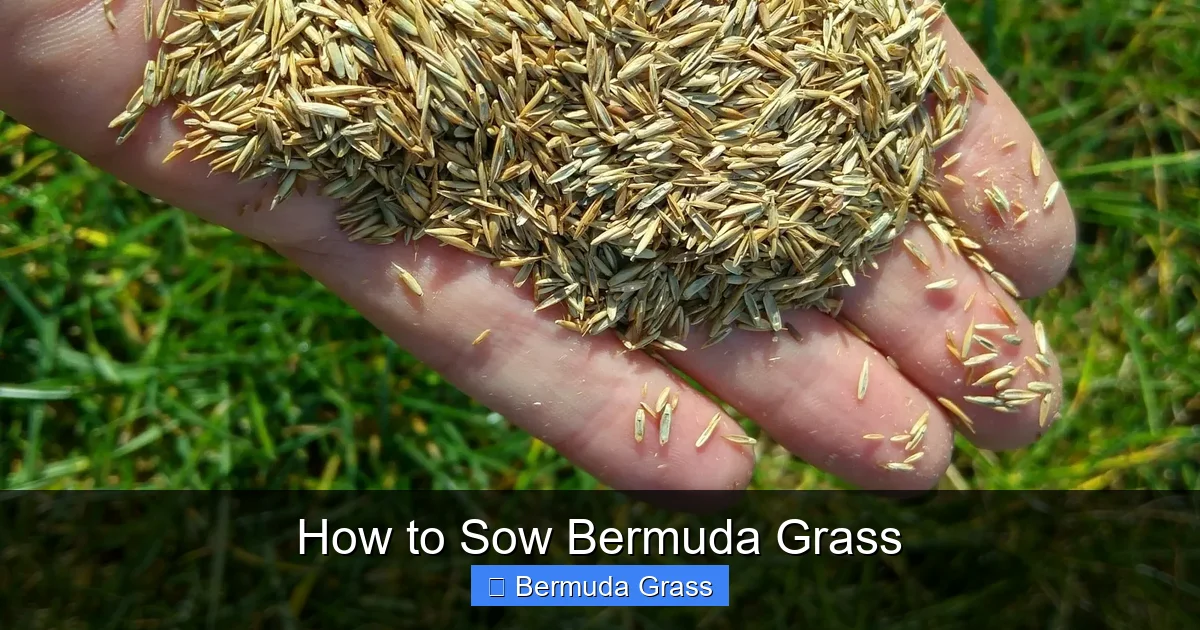
Opt for high-quality Bermuda grass seed from reputable suppliers. Look for seed with high germination rates and purity. Certified seed ensures that you’re planting healthy, disease-free seed.
Tip: Use a seed blend suited for your specific climate and soil conditions for better results.
Pre-treatting the Seed
Some gardeners soak Bermuda grass seed in water for 12-24 hours before planting. This helps kickstart germination. Alternatively, you can mix the seed with a thin layer of sand to aid even distribution.
5. Seeding Bermuda Grass
Method 1: Broadcast Seeding
Spread the seed evenly across the prepared soil using a broadcast spreader or by hand. Aim for about 1 to 2 pounds of seed per 1000 square feet, depending on the seed variety and coverage needed.
Method 2: Overseeding
If you’re overseeding an existing lawn, lightly mow the grass, remove clippings, and spread seed over the existing turf. Reseed any bare patches for a uniform look.
Getting Good Soil Contact
After spreading the seed, lightly rake the soil to incorporate the seeds into the top 1/4 inch of soil. This contact is crucial for germination. Use a drag mat or roller if available to press the seed into the soil for better adherence.
6. Watering and Care after Seeding
Initial Watering
Water the area gently but thoroughly immediately after seeding. Keep the soil consistently moist, watering lightly 2-3 times daily to prevent drying out. This encourages germination, which typically occurs within 7-21 days.
Maintaining Moisture
As seedlings emerge, reduce watering frequency but increase depth to encourage deep root growth. Once the grass is established, switch to watering 2-3 times a week, depending on weather conditions.
7. Establishing and Maintaining Your Bermuda Lawn
Mowing
Begin mowing when the grass reaches about 1-2 inches tall. Keep mower blades sharp and mow at 1-1.5 inches for a healthy, dense turf. Regular mowing promotes thicker growth and prevents weeds.
Fertilization
Apply a balanced fertilizer (like 16-4-8) every 4-6 weeks during the growing season. Follow label instructions and avoid over-fertilizing, which can cause thatch buildup or disease.
Weed Control
Keep weeds at bay with proper fertilization and mowing. Use herbicides only if necessary and ensure they’re safe for Bermuda grass.
8. Troubleshooting Common Issues
- Poor germination: Check soil temperature and moisture levels. Reseed if needed.
- Patchy growth: Ensure seeds are well-covered and soil contact is good. Reseed bare spots.
- Weeds overtaking: Use pre-emergent herbicides carefully, or manually remove weeds.
- Brown patches: Avoid overwatering or drought stress. Apply appropriate fertilizers.
Conclusion
Sowing Bermuda grass is a rewarding process that, with patience and proper care, results in a beautiful, lush lawn. Focus on soil prep, seed selection, and consistent watering, and you’ll enjoy a thriving Bermuda turf in no time. Remember, regular maintenance like mowing and fertilizing keeps your lawn healthy and vibrant for years to come.