
Choosing the correct gas for your lawn mower is essential for smooth performance and long engine life. Using the wrong fuel can cause starting issues, corrosion, and costly repairs. This guide explains which gas to use, how to store it safely, and what to avoid.
Key Takeaways
- Use ethanol-free gasoline when possible: It reduces engine wear, prevents fuel system damage, and improves starting reliability.
- Stick to regular unleaded gas with 87 octane: Most lawn mowers are designed for this standard fuel—no need for premium unless specified.
- Avoid gas with more than 10% ethanol (E10): Higher ethanol blends like E15 or E85 can attract moisture and damage small engines.
- Never use old or stale gas: Gas older than 30 days loses volatility and can clog carburetors—learn how to dispose of it safely.
- Store fuel properly in approved containers: Keep gas in a cool, dry place away from sunlight and heat sources to maintain quality.
- Add fuel stabilizer if storing long-term: This extends gas life up to 24 months and prevents gum formation in the fuel system.
- Check your owner’s manual first: Always follow manufacturer recommendations for fuel type and oil mix (for 2-cycle engines).
Why the Right Gas Matters for Your Lawn Mower
Your lawn mower’s engine is a precision tool—not a car engine. It runs hotter, has tighter tolerances, and lacks advanced fuel filtration. That means the gas you pour into it plays a huge role in how well it starts, runs, and lasts. Using the wrong type of gasoline can lead to hard starting, poor performance, carburetor clogs, and even permanent engine damage.
Many homeowners assume “gas is gas,” but that’s a common mistake. Modern gasoline often contains ethanol, which can absorb moisture from the air. Over time, this water-ethanol mix separates and settles at the bottom of your fuel tank, causing corrosion and fuel system issues. By choosing the right fuel and handling it correctly, you’ll keep your mower running smoothly season after season.
What Type of Gas Should You Use?
The best gas for most lawn mowers is fresh, regular unleaded gasoline with an octane rating of 87. This is the standard fuel sold at nearly every gas station and is perfectly suited for small engines. Unless your mower’s manual specifically calls for mid-grade (89) or premium (91–93), there’s no benefit—and possibly extra cost—to using higher-octane fuel.

Visual guide about Type of Gas to Use in Your Lawn Mower
Image source: clipartmag.com
Ethanol Content: The Hidden Culprit
Here’s where things get tricky: most gasoline today contains up to 10% ethanol (labeled as E10). While this is generally acceptable for short-term use, ethanol attracts moisture, which can lead to phase separation—where water and fuel split into layers. This causes corrosion in fuel lines, carburetors, and tanks.
For optimal performance and longevity, choose ethanol-free gasoline (often labeled “recreational fuel” or “marine fuel”) whenever available. It’s slightly more expensive but pays off in reduced maintenance and fewer breakdowns. If ethanol-free isn’t accessible, stick to E10 and avoid E15 or E85 entirely—these higher ethanol blends are not recommended for small engines.
Check Your Owner’s Manual
Always consult your lawn mower’s owner’s manual before fueling. Some newer models from brands like Honda or Briggs & Stratson explicitly state they can handle E10, while others warn against any ethanol. If you’ve lost your manual, search online using your mower’s model number—most manufacturers provide free PDF copies.
How to Fill Your Lawn Mower Safely
Adding gas might seem simple, but a few best practices prevent spills, fumes, and accidents.
Visual guide about Type of Gas to Use in Your Lawn Mower
Image source: i.ytimg.com
Step 1: Let the Engine Cool
Never add fuel to a hot engine. Gasoline vapors are highly flammable, and even a small spark from a cooling muffler could ignite them. Wait at least 15 minutes after mowing before refueling.
Step 2: Use a Funnel or Spout
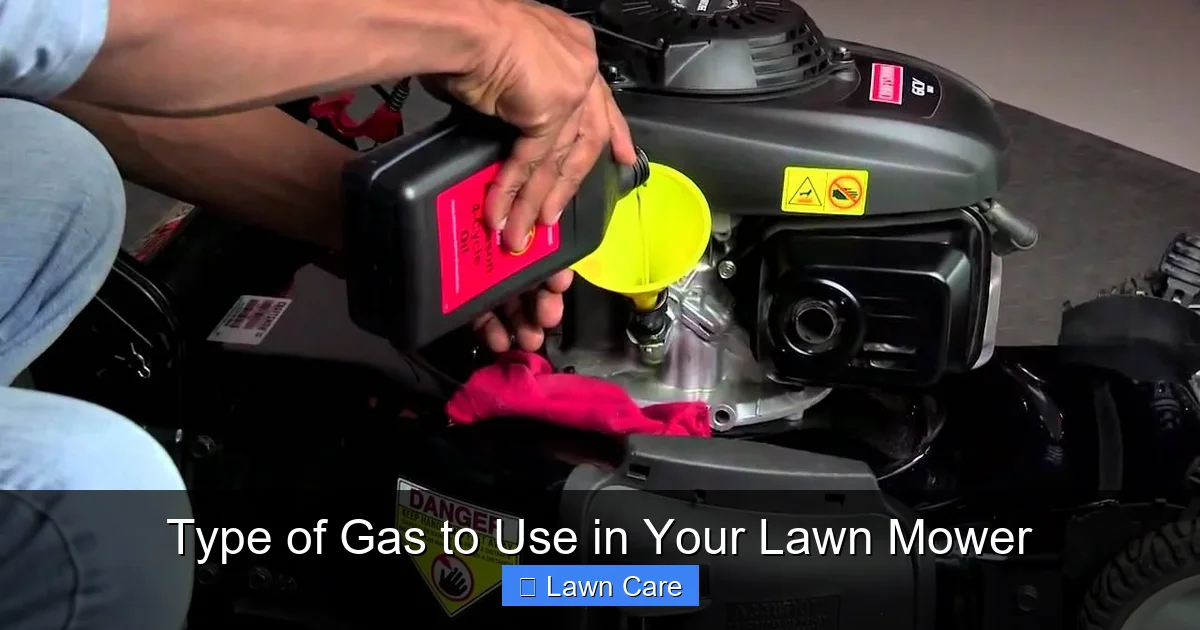
Pour slowly using a funnel or the spout on your gas can. Spills not only waste fuel but can also damage plastic parts or create slip hazards. Wipe up any drips immediately with a rag.
Step 3: Don’t Overfill
Leave about ½ inch of space at the top of the fuel tank. Gas expands as it warms, and overfilling can cause leaks or force fuel into the carburetor when the engine heats up.
Step 4: Secure the Cap
Always replace the gas cap tightly after filling. A loose cap allows moisture and debris to enter and can cause vapor lock or hard starting.
For a detailed walkthrough, check out our guide on how to put gas in a lawn mower—it includes visuals and safety reminders.
Storing Gas for Your Lawn Mower
Improper fuel storage is one of the top reasons mowers fail to start in spring. Gasoline begins to degrade within 30 days, forming varnish and gum that clog fuel systems.
Use Approved Containers
Only store gas in containers labeled “OSHA-approved” or “DOT-compliant.” These are designed to resist corrosion, prevent leaks, and reduce vapor release. Avoid milk jugs, soda bottles, or makeshift containers—they can degrade and leak.
Keep It Cool and Dry
Store your gas can in a shaded, well-ventilated area like a garage or shed—never in direct sunlight or near heaters, furnaces, or water heaters. Heat accelerates fuel breakdown and increases vapor pressure, which can warp containers.
Add a Fuel Stabilizer
If you’re filling up for winter storage or know you won’t use the mower for more than a month, add a fuel stabilizer. Products like Sta-Bil or Sea Foam mix with gasoline to prevent oxidation and moisture absorption. One bottle treats up to 5 gallons and extends fuel life up to 24 months.
Mix the stabilizer into fresh gas before pouring it into your mower or storage can. Run the engine for 5 minutes to circulate treated fuel through the system.
What to Do If You Used the Wrong Gas
Accidents happen—maybe you grabbed the wrong pump or didn’t realize your gas was old. Here’s how to fix common fuel-related problems.
Symptoms of Bad Gas
- Engine won’t start or sputters
- Black smoke from the exhaust
- Rough idle or stalling
- Strong gasoline smell
Drain the Tank
If you suspect bad gas, drain the fuel tank completely. Use a siphon pump or tilt the mower carefully (with the air filter side up to avoid oil leaks). Dispose of the old fuel responsibly—most auto parts stores or hazardous waste facilities accept used gasoline.
For step-by-step help, see our article on how to get rid of old gas in a lawn mower.
Clean or Replace the Carburetor
Stale gas leaves behind sticky residues that clog tiny jets in the carburetor. If draining doesn’t solve the issue, you may need to clean or rebuild the carburetor. For minor clogs, adding a fuel system cleaner to fresh gas and running the engine can help. For persistent problems, consider professional service.
Learn more in our guide on how to fix bad gas in a lawn mower.
Special Cases: 2-Cycle vs. 4-Cycle Engines
Not all lawn mowers use the same fuel setup. Understanding your engine type is crucial.
4-Cycle Engines (Most Common)
These mowers have separate compartments for gas and oil. Simply add unleaded gasoline as described above. No mixing required.
2-Cycle Engines (Common in Trimmers and Small Mowers)
These require a pre-mixed fuel of gasoline and 2-cycle oil (usually 50:1 or 40:1 ratio). Never pour straight gas into a 2-cycle engine—it will seize due to lack of lubrication. Always mix fuel in a dedicated container and label it clearly.
Confused about oil types? Read our guide on what oil to use in a Briggs & Stratton lawn mower for expert recommendations.
Seasonal Tips for Fuel Management
Your fuel strategy should change with the seasons.
Spring
Start the season with fresh gas. If you stored your mower with fuel, drain it and replace it with new gasoline plus stabilizer.
Summer
Buy gas in small quantities (1–2 gallons at a time) to ensure freshness. Avoid filling up on hot days when fuel vapors are more volatile.
Fall
Before winter storage, run the mower until it’s almost out of gas, then add stabilized fuel and run it for 5 minutes to coat the carburetor. This prevents gum buildup during months of inactivity.
Conclusion
Using the right gas in your lawn mower isn’t just about convenience—it’s about protecting your investment. By choosing ethanol-free or low-ethanol gasoline, storing fuel properly, and following your owner’s manual, you’ll enjoy reliable starts, smoother operation, and fewer repairs. Remember: a little attention to fuel quality goes a long way in keeping your lawn looking its best.