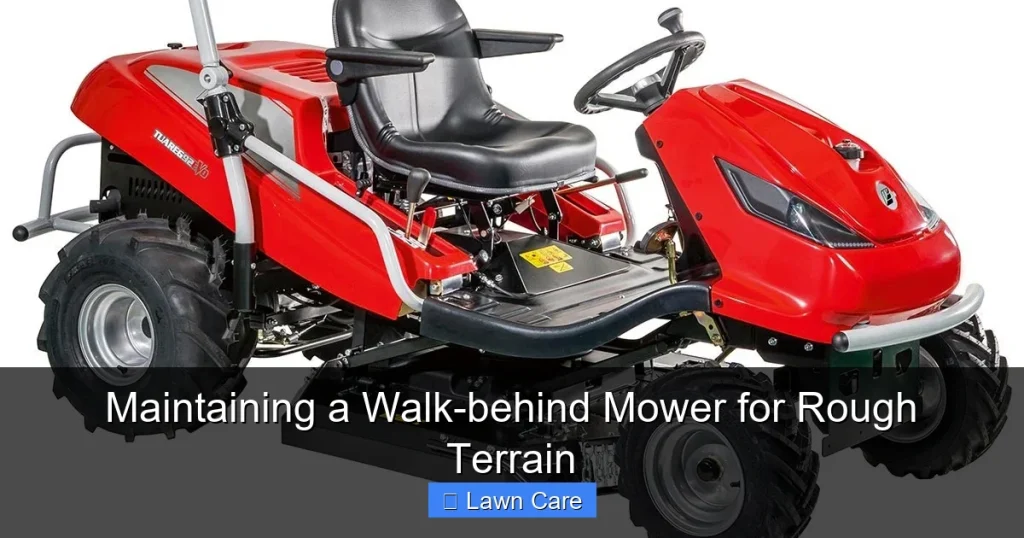
Maintaining a walk-behind mower for rough terrain is essential to keep it running smoothly and safely. Regular upkeep prevents breakdowns and extends equipment life, especially on uneven or hilly ground. From checking the blade to inspecting the tires, small steps make a big difference.
If you’ve ever tried mowing a backyard with rolling hills, tree roots, or rocky patches, you know how challenging it can be. A standard walk-behind mower might struggle to stay stable, cut evenly, or even start after a tough job. But with the right maintenance habits, your mower can handle rough terrain like a pro. Maintaining a walk-behind mower for rough terrain isn’t just about fixing problems—it’s about preventing them before they happen.
Rough terrain puts extra stress on every part of your mower. The engine works harder, the transmission takes more torque, and the frame absorbs constant bumps. Over time, this wear and tear can lead to engine failure, blade dullness, or even safety hazards like tipping. That’s why a little routine care goes a long way. Think of maintenance as your mower’s insurance policy—especially when you’re tackling uneven ground.
In this guide, we’ll walk you through everything you need to know to keep your walk-behind mower in peak condition, no matter how bumpy the path gets. From daily checks to seasonal storage, these tips will help you mow smarter, safer, and longer.
Key Takeaways
- Inspect the blade regularly: A dull or bent blade damages grass and strains the engine on rough ground.
- Check tire pressure and tread: Proper inflation improves traction and prevents slipping on slopes.
- Lubricate moving parts: Grease hinges and wheels to reduce wear from uneven terrain.
- Clean the deck after each use: Mud and debris buildup can rust the undercarriage and clog airflow.
- Store properly in winter: Use a cover and fuel stabilizer to protect the mower from moisture and corrosion.
- Replace worn belts and filters: These components wear faster on bumpy terrain and affect performance.
- Adjust height settings carefully: Use lower settings on slopes to avoid tipping and improve cut quality.
Quick Answers to Common Questions
How often should I check the blade on a rough-terrain mower?
Check the blade after every 5–10 hours of use, especially if you’re mowing on uneven or rocky ground. Look for dents, bends, or dull edges that reduce cutting efficiency.
Can I use a regular lawn mower on hills?
Yes, but only if it’s designed for slopes and has a low center of gravity. Always mow across slopes, not up and down, to prevent tipping.
What type of oil should I use for a walk-behind mower?
Use SAE 10W-30 motor oil, which is recommended for most small engines. Check your owner’s manual for exact specifications.
How do I prevent my mower from tipping on rough ground?
Keep tires properly inflated, avoid mowing up and down slopes, and reduce speed on uneven terrain. A lower center of gravity helps too.
Is it safe to mow wet grass on rough terrain?
No. Wet grass is slippery and increases the risk of tipping or skidding. Wait for dry conditions, especially on slopes or loose soil.
📑 Table of Contents
Daily Pre-Mow Checks for Rough Ground
Before you even step outside, take five minutes to inspect your mower. Rough terrain demands more attention than flat lawns, and catching small issues early prevents bigger ones later.
Check the Blade Sharpness and Alignment
A sharp, balanced blade is your first line of defense. On uneven ground, a dull blade doesn’t just leave ragged edges—it forces the engine to work harder, which can overheat the system. Inspect the blade after every 5–10 hours of use. Look for nicks, bends, or rust. If it’s bent, straighten it carefully or replace it. For sharpening, use a mill file or take it to a professional. A well-maintained blade cuts cleaner and reduces strain on the engine.
Inspect Tires for Pressure and Wear
Tire pressure is crucial, especially on slopes. Underinflated tires reduce traction and increase the risk of tipping. Use a gauge to check pressure—most mowers recommend 10–15 PSI, but check your manual. Also, look for worn treads or cuts. On rocky terrain, tires take a beating, so replace them if they’re cracked or bald. Consider mowers with balloon tires for better grip, as mentioned in our guide on Best Push Lawn Mower For Rough Terrain.
Look for Loose Bolts and Fasteners
Bumps and vibrations loosen bolts over time. Shake the handlebars and wiggle the wheels. If anything feels loose, tighten it with a wrench. Pay special attention to the blade bolt—it’s the most critical connection. A loose blade can fly off and cause serious injury.
Engine and Fuel System Maintenance
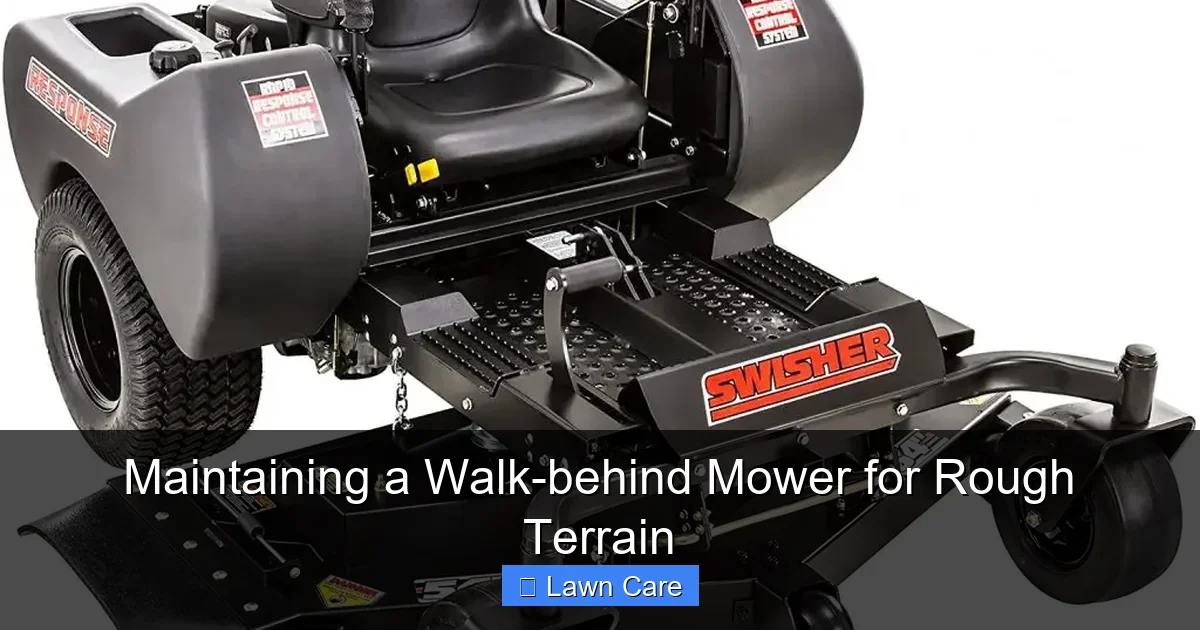
Visual guide about Maintaining a Walk-behind Mower for Rough Terrain
Image source: mowerify.com
The engine is the heart of your mower, and rough terrain demands extra fuel and oil efficiency. Keeping it clean and well-tuned ensures reliable starts and long life.
Change Oil and Oil Filter Regularly
Engine oil breaks down faster when the mower works hard. On rough ground, the engine runs hotter and longer, so change the oil every 25–50 hours of use—or more often in dusty or rocky conditions. Use the oil grade specified in your manual (usually SAE 10W-30). Don’t forget to replace the oil filter if your mower has one. Fresh oil reduces friction and protects internal parts from metal shavings caused by uneven loads.
Clean or Replace Air Filter
A clogged air filter restricts airflow, making the engine starve for air. On rough terrain, the engine pulls in more dust and debris, so check the air filter weekly. Remove it and tap out loose dirt. If it’s oily or torn, replace it. A clean filter improves fuel efficiency and prevents engine damage.
Drain Old Fuel or Add Stabilizer
Gasoline breaks down in 30 days, especially in hot weather. If you’ve stored fuel longer, drain it and refill with fresh gas. For short-term storage, add a fuel stabilizer to prevent varnish and gum buildup in the carburetor. This is especially important before mowing on rough, remote terrain where refueling isn’t an option.
Transmission and Drive System Care

Visual guide about Maintaining a Walk-behind Mower for Rough Terrain
Image source: golf.abomar.com
Walk-behind mowers use either gear or hydrostatic transmissions. Both can wear out faster on uneven ground due to constant torque changes.
Lubricate Gears and Bearings
If your mower has a gear drive, apply mower-specific grease to the axle and gear housing every season. Rough terrain grinds down metal parts, so lubrication prevents rust and friction. For hydrostatic models, check the fluid level and top off with automatic transmission fluid (ATF) if needed. Low fluid can cause overheating and premature wear.
Inspect Drive Belts
Drive belts stretch and crack under constant stress. Check them monthly for fraying, glazing, or looseness. On bumpy terrain, the belt works harder to maintain speed, so replace it if it shows signs of wear. A new belt ensures smooth power transfer from the engine to the wheels.
Deck and Undercarriage Maintenance
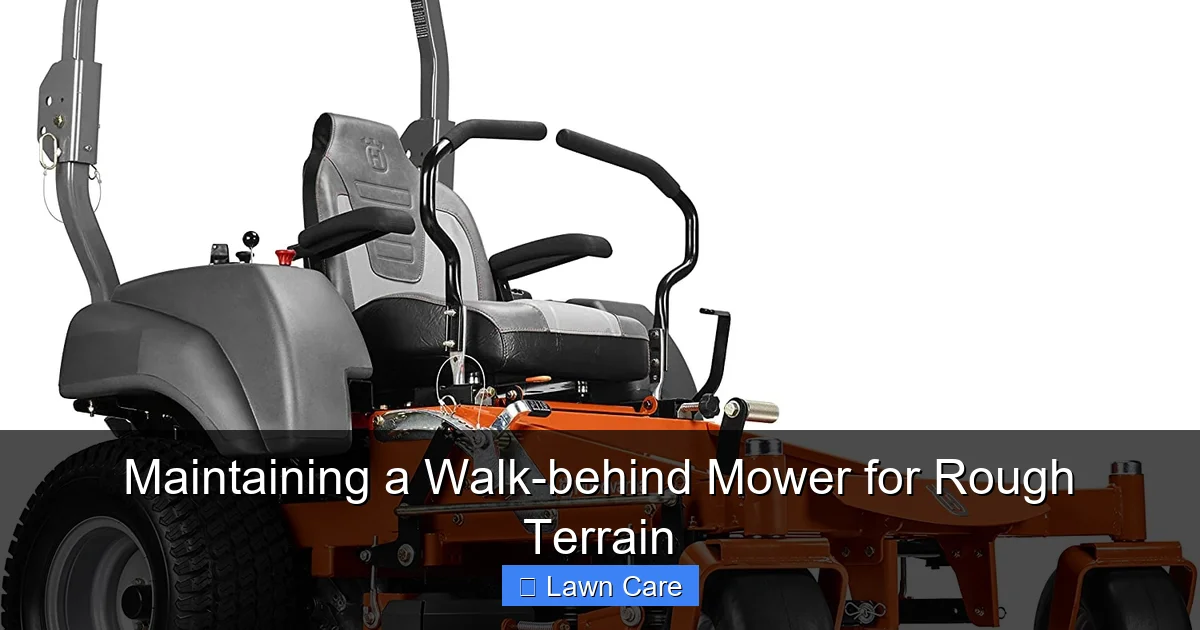
Visual guide about Maintaining a Walk-behind Mower for Rough Terrain
Image source: mowerify.com
The mower deck takes the brunt of rocks, roots, and debris. Keeping it clean and level is vital for even cutting and engine performance.
Clean the Deck After Every Use
After mowing, turn off the engine and remove the spark plug wire. Use a brush or pressure washer (low setting) to scrub off grass clippings, mud, and dirt from the underside. Debris buildup traps moisture and causes rust, especially on metal decks. Also, check for bent blades or clogged chutes.
Level the Deck Properly
An uneven deck leads to uneven cuts and blade wear. Adjust the deck hangers so it’s level front to back and side to side. This is critical on slopes, where one side of the deck may dip lower. Use a level tool or follow your mower’s adjustment instructions.
Replace Worn Skids or Wheels
Skids protect the deck from ground contact. On rough terrain, they wear out fast. Replace them if cracked or thin. For added protection, consider installing rubber wheels or suspension kits designed for uneven ground.
Seasonal Storage Tips
When fall arrives and mowing slows down, proper storage protects your investment. Rough-terrain mowers often sit longer between uses, so preparation is key.
Drain Fuel or Use Stabilizer
Never store a mower with old gas. Either drain the fuel tank and run the engine until it stops, or add a fuel stabilizer and run it for 10 minutes. This prevents carburetor clogging and engine damage.
Clean Thoroughly Before Storage
Give the mower a full wash, inside and out. Remove grass, dirt, and moisture. Dry it completely to prevent rust. Store it in a dry, covered area like a garage or shed.
Remove the Battery (If Applicable)
Electric mowers may have rechargeable batteries. Remove them and store in a cool, dry place. Check the charge monthly to keep the battery healthy.
Cover the Mower
Use a breathable tarp or mower cover to protect from dust and moisture. Avoid plastic covers that trap humidity and cause corrosion.
When to Seek Professional Help
Even with great care, some issues need expert attention. Don’t ignore warning signs like strange noises, smoke, or loss of power.
Engine Won’t Start or Runs Rough
This could indicate carburetor issues, spark plug problems, or fuel system clogs. Cleaning the carburetor is a common fix, as covered in our guide: How To Clean A Carburetor Without Removing It Lawn Mower. If the problem persists, consult a certified technician.
Excessive Vibration or Noise
Unusual shaking or grinding sounds often point to blade imbalance, loose parts, or bearing failure. Stop using the mower and inspect or replace components.
Transmission Slipping or Overheating
This suggests fluid leaks or worn gears. A professional can diagnose and repair internal damage before it leads to total failure.
Frequently Asked Questions
How do I clean a walk-behind mower deck after mowing on rough terrain?
Turn off the engine and remove the spark plug wire. Use a stiff brush or low-pressure washer to scrub the underside. Pay extra attention to rocks and roots that may have lodged debris.
Can I use a regular push mower on bumpy lawns?
It depends. Mowers with suspension, wide tires, and low centers of gravity perform better. Models designed for rough terrain handle uneven ground more safely and efficiently.
What should I do if my mower vibrates excessively on rough ground?
Stop using it immediately. Check for loose bolts, a bent blade, or unbalanced wheels. Excessive vibration can damage internal components and create safety risks.
How long should I store a mower with fuel in the tank?
No more than 30 days without stabilizer. After that, drain the fuel or use a stabilizer to prevent gum and varnish buildup in the carburetor.
Can I mow over tree roots with a walk-behind mower?
Yes, but carefully. Slow down and go over roots slowly. Inspect the blade afterward for damage. Some mowers have reinforced decks for this purpose.
What’s the best way to store a mower in winter?
Clean it thoroughly, drain or treat the fuel, change the oil, and store it in a dry place. Use a breathable cover and remove the battery if it’s electric.