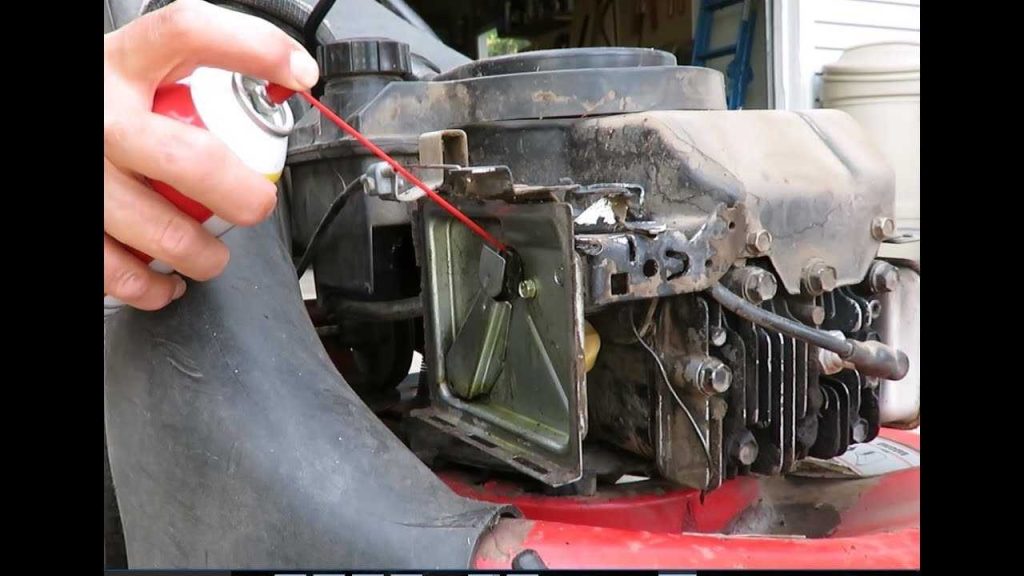
To clean your mower’s carburetor without removing it, start by using a spray carburetor cleaner while the engine is running to loosen any buildup. Then, carefully spray the cleaner into the carburetor through the throttle and choke plates, allowing the fuel to flush out debris. Finally, replace the air filter and start the mower to see if it runs smoother.
Cleaning a carburetor without removing it is possible with the right approach, saving you time and effort. By using specialized cleaners and a few simple steps, you can effectively clear blockages and restore your mower’s performance without the hassle of full removal.
If your lawn mower isn’t starting or runs rough, a clogged carburetor could be the culprit. Instead of detaching the entire unit, you can clean it in place with just a few tools and some spray cleaner. This method is quick, effective, and perfect for those who want to avoid complicated disassembly. Remember to take safety precautions and work in a well-ventilated area for best results.

How to Clean a Carburetor Without Removing It Lawn Mower
Cleaning the carburetor without removing it from your lawn mower may seem challenging, but it is entirely possible with the right techniques. This method allows you to save time and avoid the hassle of disassembly while still ensuring your mower runs smoothly. In this section, we’ll explore step-by-step instructions and helpful tips to effectively clean your carburetor in place.
Understanding the Role of the Carburetor
The carburetor mixes air and fuel for your engine, making it crucial for proper operation. When it’s dirty or clogged, the engine may stall, run rough, or not start at all. Regular cleaning prevents these issues and extends the lifespan of your mower.
Gathering the Necessary Tools and Supplies
Before starting, gather the following items:
- Carburetor cleaner spray – a powerful solvent to remove dirt and deposits
- Screwdrivers – flathead and Phillips to access screws and covers
- Safety gloves and goggles – for protection during cleaning
- Compressed air – optional but helpful for blowing out debris
- Rags or paper towels – for wiping surfaces
- Wrench or socket set – if needed to loosen components
Using the right tools makes the cleaning process smoother and safer.
Preparing Your Lawn Mower for Cleaning
Start by shutting off the mower and disconnecting the spark plug wire to avoid accidental starting. Then, clean the exterior of the carburetor area to prevent dirt from falling inside during the process. If your mower has a fuel shut-off valve, turn it off to prevent fuel flow during cleaning.
Locating the Carburetor
The carburetor is usually attached to the air filter housing. Remove the air filter cover and filter to gain clear access. In most models, the carburetor is connected to fuel lines and the engine; identify these connections before proceeding.
Cleaning the Carburetor Without Removal
The key to cleaning without removing is to flush and clear the passages in place. Follow these detailed steps:
Step 1: Spray Carburetor Cleaner
Begin by spraying a generous amount of carburetor cleaner into the carburetor through the air intake and fuel inlet. Allow the cleaner to sit for a few minutes to dissolve dirt and deposits.
Step 2: Quicken the Cleaning Process with Blowing
Use compressed air to blow through the carburetor’s passages and jets. Focus on the fuel inlet, throat, and any accessible passages. This forces out grime and leaves the pathways clear.
Step 3: Reinforce with Repeated Sprays
Spray more cleaner and repeat the blowing process several times to ensure all gunk is loosened and removed. For stubborn deposits, a brush dipped in carburetor cleaner can gently scrub surfaces as needed.
Addressing Common Problem Areas
Certain parts of the carburetor tend to clog more often. Pay close attention to:
- Idle and main jets – spray directly into these openings to clear blockages
- Throttle and choke plates – ensure these move freely by spraying around their hinges
- Float bowl area – if accessible, spray into this area to dissolve deposits
Check external parts visually for dirt and buildup, and clean accordingly.
Additional Tips for Effective Cleaning
– **Use quality carburetor cleaner** for better results; avoid generic or less potent sprays.
– **Work in a well-ventilated area** because fumes from cleaners can be harmful.
– **Avoid spraying into the engine or electrical parts** to prevent damage.
– For more detailed guidance, consult the mower’s manual or visit trusted resources like [This Old House](https://www.thisoldhouse.com/).
Testing and Reassembly
Once cleaned, reconnect the air filter, fuel lines, and any other components. Turn on the fuel valve if applicable. Start the mower and observe performance. If it runs smoothly, the cleaning was successful. If not, repeat the process or consider a full carburetor removal and professional rebuild.
Additional Maintenance Tips
Regularly inspecting and cleaning your carburetor can reduce future problems. Use fresh fuel and drain the tank if storing the mower for long periods. Also, replacing the air filter regularly keeps dirt from entering the carburetor.
When to Seek Professional Help
If your mower still runs poorly after cleaning, the carburetor may need a complete rebuild or replacement. A professional can disassemble, check for damaged parts, and restore proper function.
Preventative Measures to Keep Your Carburetor Clean
- Use fuel stabilizers to prevent gunk formation
- Run the mower periodically during the growing season
- Clean or replace air filters as recommended
- Always use clean, fresh fuel
By following these steps and maintaining your equipment properly, you can keep your lawn mower running efficiently without the need for extensive disassembly. This approach saves time and preserves the integrity of delicate components, providing a quick fix for common carburetor issues.
How to clean lawn mower carburetor in under 5 minutes!
Frequently Asked Questions
What tools can I use to clean my carburetor without removing it?
You can use carburetor cleaner spray, a compressed air blower, and small brushes like toothbrushes or pipe cleaners. Spray the cleaner directly into the carburetor’s openings while the engine is off, then use compressed air to blow out any debris. Small brushes help scrub away stubborn deposits without needing to remove the carburetor.
How do I access the carburetor for cleaning without taking it off?
Locate the carburetor near the engine, typically attached to the air filter. Remove the air filter cover and filter to expose the carburetor. You might need a screwdriver to loosen any screws holding the air filter housing. Once accessible, you can spray cleaner and blow away dirt without detaching the carburetor from the mower.
What steps should I follow to prevent fuel spillage during cleaning?
Start by turning off the mower and disconnecting the spark plug to avoid accidental ignition. Drain the fuel from the carburetor bowl if possible, or use a cloth to catch any drips. When spraying cleaner, avoid over-application and ensure the mower is upright. These steps help prevent spills and make the cleaning process safer.
Can running the mower after cleaning help improve performance?
Yes, running the mower briefly after cleaning can help circulate the carburetor cleaner and burn off residual deposits. Make sure to use minimal fuel and avoid excessive idling to prevent further buildup. This process can restore smoother operation without removing the carburetor.
Are there any precautions I should take while cleaning the carburetor without removal?
Always work in a well-ventilated area and wear safety gloves and goggles to protect against chemicals. Disconnect the spark plug to prevent accidental starting. Avoid using excessive force or over-spraying cleaner to prevent damage. Following these precautions ensures a safe and effective cleaning process.
Final Thoughts
To clean a carburetor without removing it lawn mower, start by disconnecting the spark plug for safety. Then, remove the air filter to access the carburetor. Spray carburetor cleaner into the fuel inlet and throttle body to loosen dirt and debris.
Allow the cleaner to work for a few minutes before running the mower briefly. This process helps break down deposits without taking the carburetor apart. Regular maintenance ensures optimal engine performance and extends your mower’s lifespan. In conclusion, knowing how to clean a carburetor without removing it lawn mower keeps your equipment running smoothly and saves time.