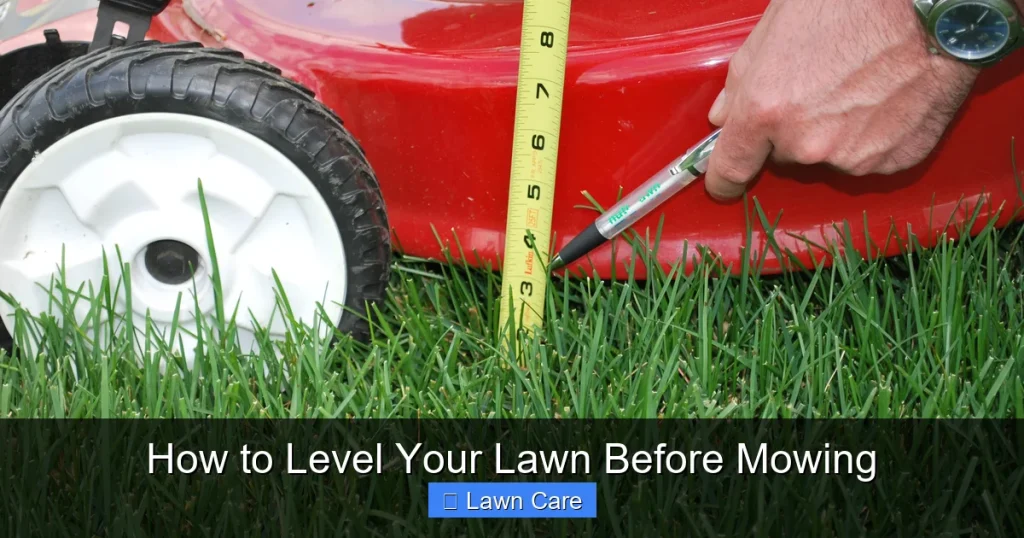
Leveling your lawn before mowing ensures a healthier, more uniform grass surface. This simple step improves drainage, reduces scalping, and helps your mower work more efficiently. By addressing low spots and high areas first, you set the stage for a lush, well-maintained yard.
Have you ever noticed your lawn looking patchy or uneven after mowing? Maybe your mower struggles over certain areas, or you see water pooling in low spots after rain. If so, you’re not alone. Many homeowners overlook one crucial step: leveling the lawn before mowing. While it sounds simple, proper leveling makes a world of difference in both appearance and lawn health.
Think of your lawn like a foundation for your home. Just as a shaky foundation can cause structural issues, an uneven lawn leads to poor drainage, weak grass, and inefficient mowing. By taking the time to level your lawn before mowing, you’re not just preparing the surface—you’re setting your grass up for success. This guide walks you through everything you need to know, from identifying problem areas to choosing the right tools and techniques. Whether you’re prepping for overseeding or just want a greener, more uniform yard, this is your go-to resource.
Key Takeaways
- Improved Drainage: Leveling prevents water pooling, reducing the risk of root rot and fungal diseases.
- Even Mowing Results: A leveled surface ensures your mower cuts evenly, avoiding scalping or missed patches.
- Enhanced Grass Health: Proper grading helps grass roots establish deeper, promoting stronger growth.
- Better Mower Performance: A smooth lawn reduces strain on your mower and extends blade life.
- Cost-Effective Maintenance: DIY leveling saves money compared to hiring professionals for minor corrections.
- Prevents Erosion: Correcting slopes and depressions reduces soil washout during heavy rains.
- Supports Overseeding: A level surface gives new grass seed a uniform base for germination.
Quick Answers to Common Questions
Can I level my lawn without mowing first?
Yes, it’s actually better to level before mowing. Mowing an uneven lawn can damage grass and make leveling less effective. Clearing the surface first allows you to see true elevations and work more precisely.
How much topsoil should I add when leveling?
For most lawns, add 1–2 inches of topsoil or compost. Use a rake to blend it evenly. Avoid thick layers, as they can suffocate grass roots and lead to poor drainage.
How long does it take for leveled soil to settle?
Most soil settles within 24–48 hours after light watering. For best results, water the area gently, then check for new low spots. Repeat if necessary before mowing.
Can I level my lawn in one day?
Yes, if the area is small to medium-sized and the work is focused. Break large jobs into sections. Level one section at a time, water, and let it settle before moving on.
Will leveling help with lawn drainage?
Absolutely. Proper leveling includes creating a slight slope away from your house and structures. This ensures water flows away instead of pooling, reducing the risk of root rot and erosion.
📑 Table of Contents
- Why Level Your Lawn Before Mowing?
- How to Identify Uneven Spots in Your Lawn
- Tools You’ll Need for Leveling Your Lawn
- Step-by-Step: How to Level Your Lawn Before Mowing
- Best Practices for Maintaining a Level Lawn
- When to Level Your Lawn: Timing Matters
- Common Mistakes to Avoid When Leveling
- Bonus Tip: Combine Leveling with Mowing Best Practices
- Conclusion
Why Level Your Lawn Before Mowing?
Before diving into methods, let’s talk about why this step matters. Mowing an uneven lawn isn’t just annoying—it’s harmful. When you mow over bumps or dips, your mower blade can scalp the grass in low areas or skip over high spots. Over time, this leads to uneven growth, bare patches, and increased wear on your equipment.
Leveling your lawn before mowing also promotes better water distribution. Water tends to pool in depressions, creating ideal conditions for mold and pests. Meanwhile, slopes may dry out too quickly, stressing the grass. A properly leveled lawn allows rain and irrigation to soak in evenly, giving every blade of grass a fair shot at thriving.
Another benefit? Improved aesthetics. A smooth, level lawn looks professional and inviting. It’s the difference between a backyard and a showpiece. Plus, when your mower glides smoothly across the surface, you’ll finish the job faster and with less effort.
How to Identify Uneven Spots in Your Lawn

Visual guide about How to Level Your Lawn Before Mowing
Image source: lawnchick.com
The first step in leveling is knowing where to fix. Start by walking your lawn with a long board or level tool. Hold it across low and high areas and watch for gaps. You’ll quickly spot trouble zones—especially around sprinkler heads, tree roots, or after heavy rain.
Another effective method is using a garden hose. Lay it on the ground in straight lines across your yard. Where the hose sags, you’ve found a dip. Conversely, where it lifts off the ground, you’ve got a hill. Mark these spots with spray paint or flags so you don’t forget them.
For larger lawns, consider renting a laser level or using a smartphone app designed for yard grading. These tools help you see subtle differences in elevation across wide areas. Once identified, take notes on the severity—minor depressions versus major slopes—so you can plan your approach.
Tools You’ll Need for Leveling Your Lawn
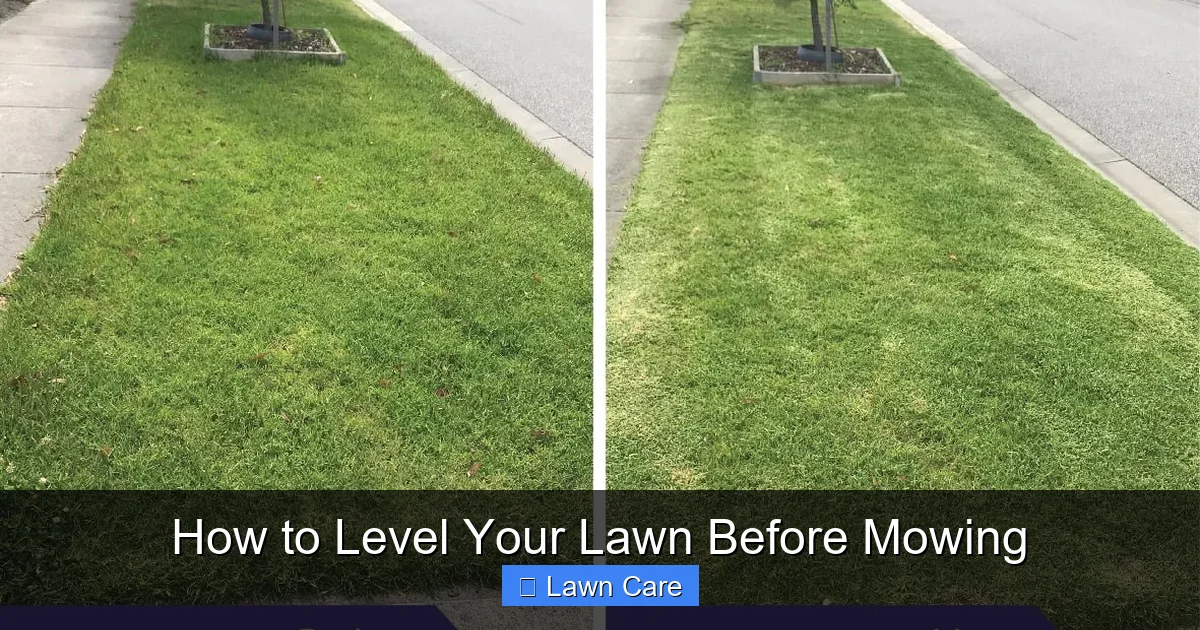
Visual guide about How to Level Your Lawn Before Mowing
Image source: procutlawns.com.au
You don’t need a professional crew or expensive machinery to level your lawn. Most of the tools required are common around the yard. Here’s what to gather:
– Wheelbarrow or dump cart: For moving soil or topsoil.
– Shovel and rake: Essential for digging and spreading material.
– Garden hose or string line: To mark straight lines and find low spots.
– Topsoil or compost: Depending on your soil type, you may need to add organic matter.
– Rolling pin or lawn roller: Helps compact the new surface for smoothness.
– Watering can or hose: To settle and activate the soil after leveling.
If your lawn has significant drainage issues, consider linking this project to how to level lawn to improve drainage. That article dives deeper into grading techniques for water flow.
Step-by-Step: How to Level Your Lawn Before Mowing

Visual guide about How to Level Your Lawn Before Mowing
Image source: blog.lushlawn.com
Now for the fun part—getting hands-on. Follow these steps to transform your uneven lawn into a smooth, mow-ready surface.
Step 1: Clear the Area
Remove debris, rocks, and large weeds. This ensures your leveling material goes exactly where it’s needed, not into hidden crevices.
Step 2: Test and Mark Problem Zones
Use your hose or level to identify and mark high and low areas. Take photos or notes so you remember which spots need work.
Step 3: Add or Remove Soil
For low spots, spread a 1–2 inch layer of topsoil or compost. Use a rake to blend it evenly. For high areas, carefully dig out excess soil—but don’t remove more than 1 inch at a time to avoid damaging grass roots.
Step 4: Rake and Smooth
Use a bow rake to level the surface. Work in small sections, checking frequently with your level. Aim for a uniform grade that slopes slightly away from your house to encourage runoff.
Step 5: Compact the Surface
Walk over the area or use a roller to press down the new soil. This prevents settling after watering and creates a firm base.
Step 6: Water and Let Settle
Lightly water the area to help the soil settle. Repeat if needed after 24 hours. Once stable, your lawn is ready for mowing.
Best Practices for Maintaining a Level Lawn
Leveling isn’t a one-time fix. Over time, foot traffic, weather, and natural settling can create new uneven spots. To keep your lawn smooth:
– Mow regularly: Consistent mowing prevents grass from growing too tall and masking small bumps.
– Aerate annually: Compacted soil leads to depressions. Aeration improves air and water flow.
– Reseed bare or thin areas: This fills in gaps before they become noticeable.
– Adjust sprinklers: Uneven watering can cause uneven growth. Make sure all zones are covered equally.
If you’re wondering how often to mow, check out how often are you supposed to mow your lawn. Regular mowing supports a healthier, more uniform appearance.
When to Level Your Lawn: Timing Matters
The best time to level your lawn is during the growing season—spring or early fall. Grass is actively growing, so it recovers quickly from disturbance. Avoid leveling in extreme heat or during drought, as stressed grass won’t bounce back well.
Also, consider timing relative to mowing. It’s ideal to level at least a week before your next mow. This gives the soil time to settle and the grass to adapt. If you’re overseeding, leveling right before that process ensures seeds make good contact with the soil.
Common Mistakes to Avoid When Leveling
Even experienced gardeners make errors. Here are some pitfalls to dodge:
– Using too much topsoil: A thick layer can suffocate grass roots. Stick to thin, even layers.
– Ignoring drainage: Leveling should include a slight slope away from structures, not a flat surface.
– Rushing the process: Take your time. Patience leads to better results.
– Neglecting compaction: Unsettled soil creates new bumps after rain.
– Overwatering: Too much water washes away fine soil particles, creating new low spots.
If you’re tackling a large or complex area, you might want to explore how to level uneven lawn by yourself for advanced strategies.
Bonus Tip: Combine Leveling with Mowing Best Practices
Leveling pairs perfectly with smart mowing habits. After leveling, adjust your mower height gradually. Start higher (2.5–3 inches) to avoid stressing new grass. As the lawn thickens, lower it slightly.
Also, always sharpen your mower blade. A dull blade tears grass instead of cutting cleanly, which weakens the turf. Learn how with how to sharpen your lawn mower blade. A sharp blade works better on a level surface, giving you a cleaner cut every time.
Conclusion
Leveling your lawn before mowing is a small effort that yields big rewards. It improves drainage, enhances grass health, and makes your mower work more efficiently. Whether you’re fixing minor dips or preparing for overseeding, this step ensures your lawn looks its best all season long.
Remember, a level lawn isn’t just about looks—it’s about function. It supports strong roots, prevents erosion, and gives every blade of grass an equal chance to grow. With the right tools and a little patience, you can achieve this without breaking the bank.
So grab your rake, mark those spots, and get to work. Your future self—and your grass—will thank you. And when it comes time to mow, you’ll glide across a smooth, envy-inducing surface like a pro.
Frequently Asked Questions
How often should I level my lawn?
Most lawns only need leveling every 3–5 years, depending on soil type and foot traffic. Heavy clay soils settle more, while sandy areas may erode faster. Monitor for water pooling or uneven growth.
Can I use compost instead of topsoil for leveling?
Yes, compost is excellent for improving soil structure and fertility. Use a mix of topsoil and compost for best results. Just avoid using fresh manure, which can harm grass.
Is it better to level before or after overseeding?
Level before overseeding. A smooth surface helps seed make good contact with the soil and germinate evenly. Mowing after seeding can disrupt young grass if the surface isn’t stable.
What’s the best time of year to level a lawn?
Spring and early fall are ideal. Grass is actively growing, so it recovers quickly from leveling. Avoid extreme heat, cold, or drought conditions when grass is under stress.
Can I level my lawn with just a rake?
For minor adjustments, yes. A bow rake can move small amounts of soil. But for deeper depressions or large areas, you’ll need tools like a shovel, wheelbarrow, and possibly a roller.
Will leveling fix all my lawn problems?
Leveling improves drainage and surface smoothness, but it won’t solve issues like poor soil quality, pests, or lack of nutrients. Combine it with aeration, fertilizing, and proper watering for best results.