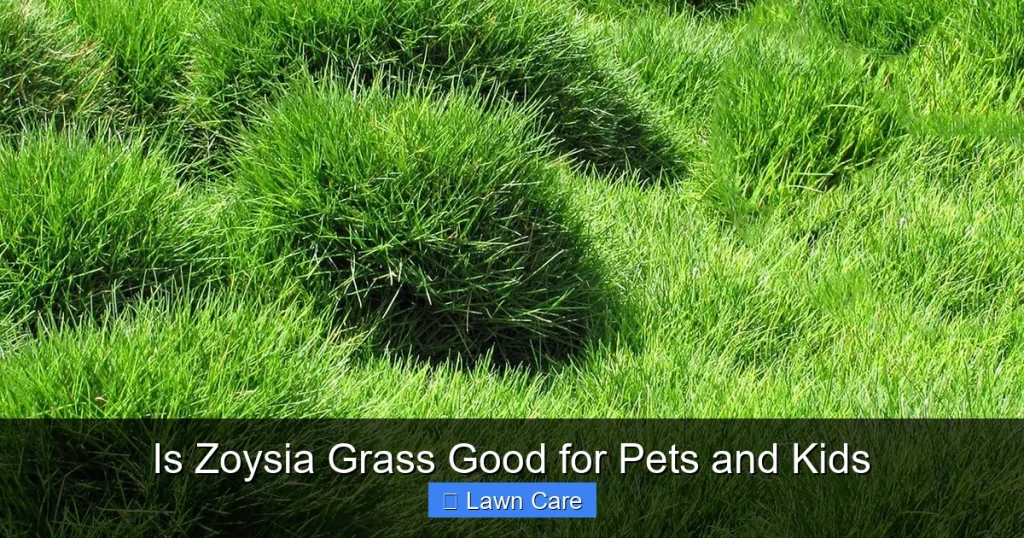
Zoysia grass offers a dense, resilient turf that’s generally safe and enjoyable for both pets and children. Its low-growing habit and ability to withstand wear make it a popular choice for active households. While generally non-toxic, proper lawn maintenance is key to ensuring a healthy and safe environment for everyone.
When you’re planning your dream lawn, you’re probably thinking about lush green carpets, perfect for kicking a soccer ball or letting your dog romp. But there’s a crucial factor many homeowners consider: is the grass safe and suitable for the most important members of the household – our pets and kids? If you’re eyeing Zoysia grass, you’re in the right place to find out if it’s a good fit for your family’s active lifestyle.
Zoysia grass has gained popularity for its hardy nature and beautiful appearance. It’s a warm-season grass, meaning it thrives in warmer climates and turns a lovely golden-brown during colder months. But beyond aesthetics, the real question is its practical application in a home with the pitter-patter of little feet and the enthusiastic zoomies of furry friends. Let’s dive deep into whether Zoysia grass is a champion for your pets and children.
## The Heart of the Matter: Why Zoysia Grass for Pets and Kids?
The primary concern for most parents and pet owners is safety and durability. Kids will be kids, and pets have their own unique ways of interacting with the yard. They dig, they run, they roll, and sometimes they even chew. So, a lawn that can stand up to this kind of activity, and do so safely, is a real winner. Zoysia grass often fits this bill perfectly.
### Durability and Resilience: A Lawn That Can Take a Licking
One of Zoysia grass’s most celebrated features is its incredible durability. It spreads via rhizomes and stolons, creating a dense, interconnected network of roots and runners. This creates a tough, resilient turf that can handle a significant amount of foot traffic.
Think about it: a backyard where kids can play tag without you worrying about them tearing up the lawn, or a spot where your dog can chase their favorite ball endlessly. Zoysia grass is known to bounce back from heavy use. This resilience means fewer bare patches, less mud, and a lawn that generally looks good even after a lively afternoon of play. This is a huge plus compared to some other grass types that might struggle under similar conditions.
### Low-Growing and Dense: Less Maintenance, More Fun
Zoysia grass grows relatively slowly compared to some other turfgrasses. This means you’ll spend less time mowing, which is a win for everyone! But more importantly for pets and kids, its low-growing habit creates a dense mat. This density has a couple of great benefits for an active yard.
Firstly, it makes it harder for weeds to establish themselves, reducing the need for potentially harmful weed killers. Secondly, the thick growth can act as a natural cushion, providing a softer landing for tumbles and falls. The dense turf also means less loose soil is exposed, which is great for keeping paws and shoes cleaner and reducing the mess brought into the house.
## Safety First: Is Zoysia Grass Non-Toxic?
This is often the biggest question on many pet owners’ minds. What if your dog decides to snack on the lawn, or your baby decides to taste-test the grass? The good news is that Zoysia grass is widely considered non-toxic to both humans and animals.
Extensive research and veterinary reports generally classify Zoysia grass as safe. This means you can have peace of mind knowing that accidental nibbles or prolonged contact with the grass won’t pose a health risk to your furry companions or little ones. Of course, it’s always wise to discourage pets from excessive grass consumption, as it can lead to digestive upset, but the grass itself is not inherently poisonous.
### Minimizing Mud and Mess
One of the biggest struggles with a lawn used by pets is the inevitable mud. When the ground gets wet, especially with heavy-traffic areas or areas where pets frequently dig, muddy spots can appear. Zoysia grass’s dense, mat-forming growth habit helps to prevent this.
The thick root system and dense thatch layer (when managed properly) help to absorb water and prevent the soil from becoming oversaturated and turning into mud. This means fewer muddy paw prints tracked into the house and a cleaner play area for everyone. If you’ve ever battled muddy paws after a rainy day, you’ll appreciate this characteristic of Zoysia.
## Potential Downsides and Considerations for Zoysia Grass
While Zoysia grass has many advantages for families with pets and kids, it’s not without its considerations. Being aware of these potential drawbacks will help you make an informed decision.
### Thatch Buildup: A Matter of Lawn Health
Like many warm-season grasses, Zoysia grass is prone to developing a thick layer of thatch. Thatch is the layer of dead and living organic matter (stems, roots, and leaves) that accumulates between the grass blades and the soil surface. While a small amount of thatch can be beneficial, a thick layer can create problems.
A thick thatch layer can prevent water, air, and nutrients from reaching the soil. It can also create a breeding ground for pests and diseases. For a lawn with heavy traffic, thatch can also make the turf feel spongy and uneven. Regular aeration is crucial for managing thatch in Zoysia lawns. This process involves removing plugs of soil and thatch, allowing for better penetration of air and water. While not directly harmful to pets or kids, an unmanaged thatch layer can compromise the overall health and longevity of your lawn, which indirectly affects its usability.
### Sunlight and Soil Requirements
Zoysia grass needs a good amount of sunlight to thrive. It generally requires at least 6-8 hours of direct sunlight per day. If your yard has significant shade, Zoysia may struggle to establish and maintain its density. This could lead to thinning in shady areas, making them more susceptible to weeds and less appealing for play.
Additionally, Zoysia grass prefers well-drained soil. While it can tolerate a range of soil types, extremely compacted or waterlogged soil can hinder its growth. Understanding your soil conditions and addressing any drainage issues is important for a healthy Zoysia lawn. For insights into soil types, you might find reading about what soil type is best for healthy grass helpful.
## Lawn Maintenance for a Pet and Kid-Friendly Zoysia Lawn
To ensure your Zoysia lawn remains a safe and enjoyable space for your family, consistent and proper maintenance is key.
### Watering Wisely
Zoysia grass is relatively drought-tolerant once established, but it still needs adequate water, especially during its active growing season. Water deeply and infrequently to encourage strong root growth. The best time to water is typically in the early morning, which minimizes evaporation and reduces the risk of fungal diseases.
Overwatering can lead to shallow roots and an increased susceptibility to diseases, which can be detrimental to a heavily used lawn. Pay attention to the grass’s appearance; wilting or a dull, bluish-green color are signs that it needs watering.
### Fertilization Schedule
Proper fertilization is essential for maintaining a healthy, dense turf that can withstand the rigors of pet and child activity. Zoysia grass typically benefits from fertilization in late spring or early summer when it’s actively growing.
The type of fertilizer to use can vary. While specific recommendations exist, a balanced fertilizer is often a good starting point. For families with pets and children, it’s especially important to use fertilizers that are formulated to be pet-safe or to follow application instructions meticulously and keep pets off the lawn until the fertilizer has been watered in and dried. You might find information on when and how to fertilize Zoysia grass for best results useful.
### Mowing Techniques
Mowing Zoysia grass at the correct height is important for its health and appearance. Generally, Zoysia is mowed relatively short, typically between 1 and 2 inches. Keeping the grass at this height helps maintain its density and discourages weed growth.
Ensure your mower blades are sharp to prevent tearing the grass, which can leave it vulnerable to disease. Also, avoid mowing when the grass is wet, as this can lead to clumping and uneven cuts. For more on mowing heights, check out what is the best grass height for mowing.
### Weed and Pest Control
Because of its density, a healthy Zoysia lawn usually outcompetes many weeds. However, if weeds do appear, it’s important to use appropriate control methods. Opt for selective herbicides that target weeds without harming the grass, and always read and follow label instructions carefully, especially concerning pets and children.
Similarly, if pests become an issue, choose treatments that are safe for use around families and animals. Sometimes, encouraging beneficial insects or using natural pest control methods can be effective. For specific lawn care products, you might explore 5 best weed and feed fertilizer for Zoysia grass options.
## Comparing Zoysia to Other Pet- and Kid-Friendly Grasses
While Zoysia is a strong contender, it’s helpful to know how it stacks up against other popular lawn grasses. For instance, many people wonder about Bermuda grass. If you’re curious, you can explore is Bermuda grass good for dogs. Bermuda grass is another warm-season grass known for its durability, but it can be more aggressive in its growth. St. Augustine grass is another option that offers a soft texture, but it typically prefers more shade and can be less tolerant of heavy traffic than Zoysia. The choice often comes down to your specific climate, soil conditions, and how your family uses the lawn.
## Conclusion: Zoysia Grass is a Great Choice for Active Families
In summary, Zoysia grass stands out as an excellent choice for homeowners with pets and children. Its exceptional durability, resilience, and low-growing, dense nature make it a fantastic lawn for active play. The fact that it’s non-toxic to pets and humans adds a significant layer of peace of mind. While it requires consistent maintenance, the benefits of having a sturdy, attractive, and safe lawn for your family to enjoy are undeniable.
By understanding its needs and implementing a proper care routine, you can ensure your Zoysia lawn will be a vibrant, green space where your children can play freely and your pets can roam happily for years to come. It’s a lawn that truly supports the dynamic life of a family, offering both beauty and practicality.
- Durable and Resilient: Zoysia grass forms a thick, mat-like structure that can withstand heavy foot traffic, making it ideal for active pets and children’s games.
- Low-Growing Habit: Its slower vertical growth means less frequent mowing and a naturally neater appearance, reducing tripping hazards.
- Generally Non-Toxic: Zoysia grass is not considered toxic to pets or humans, allowing for worry-free playtime.
- Thick Coverage Minimizes Bare Spots: The dense nature of Zoysia helps prevent the creation of muddy patches where pets might play, which can be messy.
- Requires Moderate Maintenance: While hardy, Zoysia grass still needs proper care, including adequate sunlight, water, and occasional fertilization, to thrive.
- Potential for Thatch Buildup: Like many warm-season grasses, Zoysia can develop thatch, which might require aeration to maintain lawn health and safety.
- Allergen Considerations: While not common, some individuals may have sensitivities to grass pollens, though Zoysia is often less allergenic than some other grass types.
Quick Answers to Common Questions
Is Zoysia grass safe for dogs to eat?
Yes, Zoysia grass is generally considered non-toxic to dogs. However, it’s always advisable to discourage pets from excessive grass consumption, as it can still lead to digestive upset.
Can children play on Zoysia grass without getting rashes?
Zoysia grass is not known to cause skin irritations or rashes in children. Its dense, soft blades provide a comfortable surface for play.
Does Zoysia grass get muddy easily?
No, Zoysia grass forms a dense, mat-like structure that helps to absorb water and prevent the soil from becoming overly muddy, even after rain.
What happens to Zoysia grass in winter?
As a warm-season grass, Zoysia grass will go dormant in colder temperatures and turn a golden-brown color. It will typically green up again in the spring as temperatures rise.
Does Zoysia grass require a lot of watering?
Once established, Zoysia grass is quite drought-tolerant. However, it benefits from deep, infrequent watering, especially during its active growing season, to maintain its health and density.
Frequently Asked Questions
Is Zoysia grass safe for babies to crawl on?
Yes, Zoysia grass is generally considered safe for babies to crawl on. Its non-toxic nature and dense growth provide a soft and clean surface for little ones to explore.
Will my dog dig up Zoysia grass easily?
While determined digging can happen with any grass, Zoysia’s dense root system and tough rhizomes make it more resistant to digging and damage from pets compared to some other grass types.
Does Zoysia grass have sharp blades that could hurt kids?
Zoysia grass blades are typically fine and relatively soft. They are not known to be sharp or cause injury to children playing on the lawn.
How often does Zoysia grass need to be mowed?
Zoysia grass grows relatively slowly, so it doesn’t require mowing as frequently as some other grasses. Typically, mowing once every 1-2 weeks during the peak growing season is sufficient.
Are there any specific fertilizers I should avoid on Zoysia grass when pets are around?
When using any lawn treatments around pets, it’s crucial to read and follow the product label instructions carefully. Opt for pet-safe formulations or ensure pets are kept off the lawn until the product has been watered in and dried completely.
Is Zoysia grass a good choice for shady yards with kids and pets?
Zoysia grass prefers full sun (6-8 hours daily) and may not perform well in heavily shaded areas. If your yard has significant shade, you might consider other grass types or alternative ground covers that are better suited for low-light conditions.