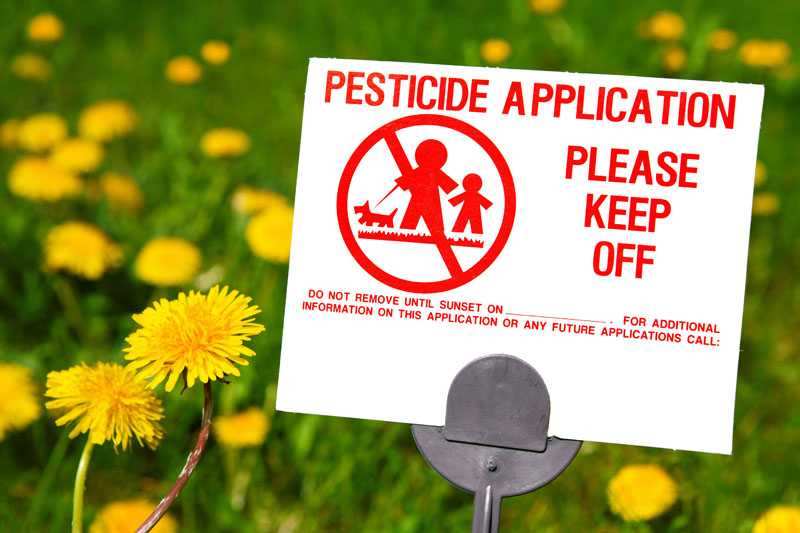
Lawn pesticides can pose health risks to both humans and pets, making many wonder if their beauty treatments for grass are worth the potential danger. The short answer is yes, some lawn pesticides can be harmful, especially if misused or overused. They may contain chemicals that damage the environment or cause health issues over time. However, when used responsibly and as part of integrated lawn care, the risks can be minimized. It’s important to understand what’s in these products and explore eco-friendly alternatives to keep your yard safe for everyone. In this article, we’ll explore the potential dangers of lawn pesticides, how they impact health and the environment, and what safer options you can consider for a lush, healthy lawn.

Are Lawn Pesticides Harmful? An In-Depth Look
Understanding What Lawn Pesticides Are
Lawn pesticides are chemicals used to control weeds, insects, fungi, and other pests that can damage your grass and plants. These products are often applied to keep lawns looking green and healthy. Common types include herbicides, insecticides, and fungicides.
The Main Concerns About Pesticide Use
Many people worry about the safety of lawn pesticides. Concerns include potential health risks to humans, especially children and pets. Environmental issues like water pollution and harm to wildlife are also common worries.
How Pesticides Affect Human Health
Exposure to pesticides can happen through skin contact, inhalation, or ingestion. Short-term health effects may include skin irritation, respiratory problems, or headaches. Long-term effects might involve more serious issues like hormonal disruption or increased cancer risk.
Potential Risks for Children and Pets
Children playing on treated lawns can accidentally ingest or come into contact with pesticides. Pets may ingest chemicals by licking their paws or fur after application. Because children and animals are more vulnerable, careful use and alternative methods are recommended.
Environmental Impact of Lawn Pesticides
Pesticides can seep into soil and water, affecting plants, insects, fish, and other wildlife. They may also harm beneficial insects like bees and butterflies, which are essential for pollination. Persistent chemicals can accumulate in the environment and cause long-term damage.
Water Contamination and Runoff
When it rains, pesticides can wash off lawns into nearby streams, lakes, and groundwater. This runoff can harm aquatic life and contaminate drinking water sources. Using pesticides during dry weather can help reduce runoff.
Impact on Pollinators and Beneficial Insects
Many pesticides are toxic to bees, butterflies, and other pollinators. These insects are vital for healthy ecosystems and food production. Applying pesticides in early morning or late evening can reduce harm to these beneficial insects.
Safer Alternatives to Conventional Pesticides
Many homeowners choose to avoid chemical pesticides altogether. Organic and natural methods can protect lawns without risking health or environment.
Biological Pest Control
This method uses natural predators or parasites to control pests. For example, nematodes can control grub worms, reducing the need for chemical insecticides. Beneficial insects like ladybugs eat aphids and other pests naturally.
Cultural and Mechanical Techniques
Proper lawn care practices improve grass health and reduce pests naturally. These include mowing at the right height, watering deeply but infrequently, and aerating soil. Removing weeds and pests manually also helps maintain a healthy lawn.
Using Organic Products
Organic pesticides made from natural substances like neem oil, insecticidal soaps, or garlic extracts are less toxic to humans and wildlife. Always follow label instructions to minimize risks and ensure effectiveness.
Understanding Labels and Regulations
Careful reading of product labels provides vital safety information. Look for eco-friendly or low-toxicity options marked with green or organic labels. Regulations differ by region, so check local laws about pesticide use.
Proper Application Techniques
Applying pesticides at the right time and in correct amounts reduces risks. Avoid windy days, follow recommended dosage, and keep children and pets away during and after application. Proper storage of chemicals is equally important.
Community and Local Initiatives
Many communities promote pesticide-free lawns to protect public health and local ecosystems. Participating in neighborhood programs or local ordinances can help reduce pesticide use.
Creating Pesticide-Free Community Spaces
Community parks and schools can adopt organic landscaping practices. Educating neighbors about natural lawn care encourages wider adoption of safer alternatives.
Balancing Lawn Beauty and Safety
A lush, healthy lawn doesn’t rely solely on pesticides. Proper maintenance, soil health, and natural pest controls can produce beautiful lawns safely. Emphasizing sustainable practices benefits everyone.
Tips for Maintaining a Safe and Beautiful Lawn
- Mow regularly at the proper height to promote healthy growth
- Water deeply and infrequently to encourage deep roots
- Feed the lawn with organic compost to improve soil nutrition
- Address pest issues promptly using natural methods
- Apply pesticides only as a last resort and follow safety guidelines
The Bottom Line: Are Lawn Pesticides Harmful?
Many lawn pesticides pose potential health and environmental risks if misused or overused. The chemicals can affect human health, especially for children and pets, and harm ecosystems. However, with proper management, natural alternatives, and responsible application, it is possible to maintain a healthy lawn without compromising safety.
Choosing organic and environmentally friendly lawn care options helps protect your family, pets, and the planet. Educating yourself about safe use and exploring natural methods can lead to a safer and more sustainable approach to lawn maintenance. Remember, a green and vibrant lawn can be achieved without relying heavily on harmful chemicals.
Beyond the Yellow Flags: Hidden Dangers of Pesticides and a Safer Lawn Solution
Frequently Asked Questions
What are the potential health risks of using lawn pesticides on pets and children?
Lawn pesticides can pose significant health hazards to pets and children who spend time on treated lawns. Exposure to these chemicals may lead to skin irritations, respiratory issues, and more serious illnesses such as neurological problems or poisoning. Children and pets are more vulnerable because they often play close to the ground and tend to ingest soil or grass. Always read product labels carefully, keep children and pets off the lawn during and immediately after application, and opt for pet- and kid-friendly alternatives when possible.
How can the environment be affected by lawn pesticides?
Applying lawn pesticides can harm beneficial insects like bees and butterflies, which are essential for pollination. Pesticides can also contaminate soil and water sources, affecting aquatic life and disrupting local ecosystems. Persistent chemicals may linger in the environment for years, accumulating in wildlife and plants, which can further impact biodiversity. Choosing organic or integrated pest management methods reduces the environmental footprint of lawn care.
Are there safer options for pest control that do not involve chemicals?
Yes, you can manage pests on your lawn without relying on chemical pesticides. Natural options include encouraging healthy grass growth to resist pests, manually removing weeds and insects, and using biological controls such as beneficial insects or microbial treatments. Additionally, maintaining proper watering, mowing, and fertilizing practices promotes a healthy lawn that naturally resists pests and diseases. These approaches typically pose less risk to people, pets, and the environment.
What are the long-term impacts of frequent pesticide use on soil health?
Frequent use of lawn pesticides can degrade the quality of soil over time. They may kill beneficial microorganisms vital for breaking down organic matter and maintaining nutrient balance. This disruption can lead to poorer soil fertility, increased dependence on chemical inputs, and a decline in overall lawn health. To preserve soil vitality, consider organic amendments and minimal pesticide use, focusing on sustainable lawn care practices.
How can homeowners reduce reliance on chemical pesticides while maintaining a healthy lawn?
Homeowners can adopt practices like regular lawn aeration, proper fertilization, and overseeding to strengthen grass resilience. Implementing integrated pest management strategies allows targeted control of pests using eco-friendly methods. Additionally, choosing native plants and grasses can reduce the need for pest control altogether. Educating oneself about natural lawn care options helps minimize chemical reliance, creating a safer environment for everyone.
Final Thoughts
In conclusion, the question of whether lawn pesticides are harmful remains significant for homeowners and the environment. These chemicals can pose health risks to humans, pets, and beneficial insects. It is essential to weigh the short-term benefits against potential long-term consequences. Being informed helps you make safer, more eco-friendly decisions right in your yard.