
Curious about the playing surface in the NFL? This guide delves into the number of teams that opt for natural grass fields versus artificial turf. We explore the reasons behind these choices, the maintenance involved, and the impact on player safety and game performance. Find out how many grass fields are in the NFL and what makes them special.
How Many Grass Fields in the NFL
Welcome, football fans and lawn enthusiasts! Have you ever wondered about the lush carpets of green that grace the NFL gridirons? Do all NFL teams play on the same kind of surface, or is there a variety? Today, we’re diving deep into the world of professional football turf to answer the burning question: how many grass fields in the NFL?
This guide will take you beyond the scoreboards and touchdowns to explore the fascinating details of playing surfaces. We’ll uncover the current landscape of grass versus turf in the league, discuss why teams choose one over the other, and even touch upon the incredible effort that goes into maintaining these magnificent fields. Whether you’re a die-hard fan or someone who appreciates a well-kept lawn, you’ll find this journey into NFL fields both informative and engaging.
Key Takeaways
- The majority of NFL stadiums still feature natural grass fields, offering a traditional and often preferred playing surface.
- The choice between natural grass and artificial turf involves significant considerations, including cost, maintenance, climate, and player preference.
- Maintaining a pristine grass field in an NFL stadium requires highly specialized horticultural practices and dedicated grounds crews.
- Natural grass fields are generally considered safer for players, reducing certain types of injuries compared to artificial turf.
- The NFL is a dynamic league, and the number of grass fields can fluctuate slightly due to stadium renovations or team decisions.
- While artificial turf offers consistency and durability, the allure of a natural grass surface remains strong for many teams and fans.
Understanding the NFL Playing Surface Landscape
The National Football League is a premier sporting organization, and the quality of its playing surfaces is paramount. For decades, natural grass was the undisputed standard. However, in recent years, artificial turf has become increasingly popular. This shift has led to a complex and evolving mix of playing surfaces across the league.
The Traditional Choice: Natural Grass
Natural grass, often a blend of perennial ryegrass and Kentucky bluegrass, has long been associated with the authentic football experience. It’s the surface many of us grew up playing on, and it offers a unique set of playing characteristics. The way the ball bounces, the traction players get, and the way the field can heal itself are all hallmarks of a well-maintained grass field. Many players express a strong preference for grass due to its perceived benefits for joint health and reduced risk of certain injuries.
The Modern Alternative: Artificial Turf
Artificial turf fields, often made from synthetic fibers, have gained traction for several reasons. They can withstand heavy use and various weather conditions with greater consistency. They often require less intensive watering and fertilization, and they eliminate the issues of divots and mud. For stadiums that host multiple events beyond NFL games, like concerts or other sports, artificial turf can be a more practical and durable option. The technology behind artificial turf has advanced significantly, with modern versions offering better shock absorption and a more natural feel than older generations.
How Many NFL Teams Play on Grass? The Current Numbers
Visual guide about How Many Grass Fields in the Nfl
Image source: static.www.nfl.com
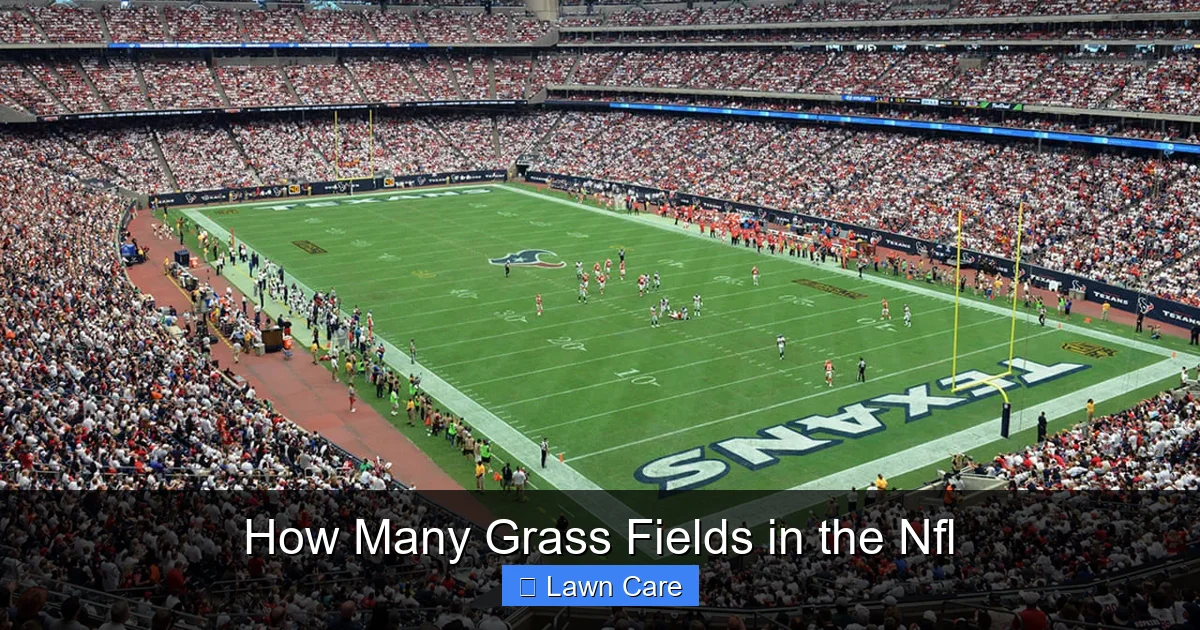
Pinpointing an exact, static number for how many grass fields in the NFL can be tricky because stadium decisions and renovations can lead to changes. However, as of recent seasons, a significant majority of NFL teams still play their home games on natural grass.
Typically, you’ll find that around 20 to 24 NFL teams utilize natural grass fields. This leaves about 6 to 10 teams playing on artificial turf. These numbers can fluctuate slightly from year to year. For instance, a team might decide to convert from grass to turf during a stadium upgrade, or vice versa, though the latter is less common.
It’s important to note that “grass field” can also encompass different types of grass installations. Some stadiums use a hybrid system, where natural grass is reinforced with synthetic fibers to increase durability. These are often counted within the “natural grass” category as they still fundamentally rely on living turf.
Factors Influencing the Surface Choice
Why do some teams stick with grass while others opt for turf? Several factors come into play:
* **Climate:** Teams in colder climates with harsh winters or areas with extremely high rainfall might find artificial turf more reliable. It can be less susceptible to damage from snow, ice, and excessive moisture.
* **Stadium Usage:** Stadiums that are multi-purpose venues, hosting concerts, other sports, or community events, often lean towards artificial turf because it can recover more quickly from damage and is more resilient to varied foot traffic.
* **Maintenance Capabilities:** Maintaining a pristine grass field at an NFL level is an incredibly demanding and expensive undertaking. Teams with the budget and the expertise to hire dedicated grounds crews with specialized knowledge are more likely to succeed with natural grass.
* **Player and Coach Preference:** As mentioned, many players advocate for grass. However, some coaches and players might prefer the consistent bounce and footing offered by certain types of artificial turf.
* **Cost:** While initial installation costs can vary, the long-term maintenance costs of natural grass (water, fertilizer, specialized equipment, labor) can be substantial. Artificial turf has a significant upfront cost but potentially lower ongoing maintenance expenses.
The Art and Science of Maintaining an NFL Grass Field
Visual guide about How Many Grass Fields in the Nfl
Image source: storables.com
For the teams that choose natural grass, the commitment to its upkeep is extraordinary. These aren’t your average backyard lawns; they are meticulously engineered playing surfaces designed for the rigors of professional football. The grounds crews at NFL stadiums are horticultural experts, employing advanced techniques and technology.
Cultivating the Perfect Pitch
Here’s a glimpse into what goes into maintaining an NFL grass field:
* **Selecting the Right Grass:** Typically, a blend of cool-season grasses like perennial ryegrass and Kentucky bluegrass is used. These grasses can withstand heavy traffic and recover well. The specific blend is often tailored to the local climate and the stadium’s specific conditions. For teams in warmer climates, warm-season grasses might be considered, but the demands of NFL play often favor the resilience of cool-season varieties.
* **Soil Health is Key:** The foundation of a great grass field is its soil. Crews focus on optimal soil structure, drainage, and nutrient content. This involves regular aeration, top-dressing with sand and compost, and soil testing to ensure the right pH and nutrient levels. Choosing the right soil for new grass seed is crucial for establishing a strong foundation.
* **Advanced Irrigation Systems:** Precise watering is critical. Sophisticated irrigation systems deliver the exact amount of water needed, often at specific times of day to avoid scalding the grass or promoting disease. This is especially important in the summer heat, where understanding how often to water grass in the summer becomes a complex calculation for professional groundskeepers.
* **Mowing Techniques:** Mowing isn’t just about keeping the grass short; it’s about promoting healthy growth. Mowers are calibrated to cut at specific heights, and the frequency of mowing is adjusted based on grass growth rates. The height of the grass can impact ball roll and player traction. Learning how to mow the lawn effectively is a skill that’s elevated to an art form at this level.
* **Fertilization and Pest Control:** A carefully timed fertilization program provides the grass with essential nutrients for growth and resilience. Integrated pest management strategies are employed to prevent and treat any insect or disease issues with minimal environmental impact.
* **Wear and Tear Management:** NFL games are incredibly hard on the turf. Players make hard cuts, tackle, and run at full speed, tearing up the grass. Grounds crews are constantly working to repair divots, reseed worn areas, and ensure the field remains playable. Techniques for repairing foot traffic damage in grass are vital.
* **Climate Control:** Some of the most advanced stadiums feature under-heating and grow-lighting systems. These can help keep the grass alive and healthy during cold weather, allowing teams to play on natural grass even in challenging conditions. For instance, understanding how to keep grass green in the winter takes on a whole new meaning in professional sports.
Hybrid Fields: The Best of Both Worlds?
A growing trend in recent years has been the adoption of hybrid turf systems. These systems combine natural grass with a network of synthetic fibers or a reinforced sand-based root zone. The synthetic elements provide structural stability, helping the grass withstand wear and tear and preventing divots. The result is a field that plays and feels like natural grass but offers enhanced durability. Many teams are exploring these hybrid options as a way to retain the benefits of natural grass while improving its resilience. You can learn more about how many NFL stadiums have real grass to see how this trend is playing out.
Grass vs. Turf: The Ongoing Debate
Visual guide about How Many Grass Fields in the Nfl
Image source: storables.com
The discussion about grass versus turf in the NFL is passionate and ongoing.
Arguments for Natural Grass:
* **Player Safety:** Many studies and player testimonials suggest that natural grass is safer, leading to fewer non-contact injuries and lower rates of certain ligament tears compared to artificial turf. The softer surface can absorb impact better.
* **Authentic Game Play:** The way the ball bounces, rolls, and interacts with the surface is different on grass. This can influence strategy and the overall flow of the game, which many purists appreciate.
* **Aesthetics and Tradition:** The iconic image of a perfectly manicured green field is deeply ingrained in the history and tradition of American football.
Arguments for Artificial Turf:
* **Consistency:** Artificial turf provides a consistent playing surface regardless of weather conditions. It doesn’t get muddy or excessively worn in the same way grass can.
* **Durability and Usage:** It can handle a much higher volume of play and events without significant degradation.
* **Reduced Maintenance (in some ways):** While still requiring upkeep, it doesn’t demand the same level of daily watering, mowing, and fertilization that natural grass does.
* **Weather Resilience:** Less susceptible to damage from snow, ice, and heavy rain.
Ultimately, the choice is a complex one for each NFL franchise, balancing player well-being, game integrity, operational costs, and stadium utilization.
Troubleshooting Common Field Issues (for the Enthusiast)
While you won’t be personally responsible for an NFL field, understanding the challenges gives you a greater appreciation for the grounds crews’ work. Some common issues they manage include:
* **Compaction:** Heavy traffic compacts the soil, reducing drainage and oxygen to the roots. Regular aeration is the solution.
* **Wear and Tear:** Bare spots appear after heavy play. Reseeding and sodding are critical repair methods. Learning how to get grass to fill in bare spots is essential for any lawn owner.
* **Disease and Pests:** Fungal diseases or insect infestations can quickly damage turf. Proper nutrient balance and targeted treatments are key.
* **Drainage Issues:** Poor drainage leads to muddy, unplayable conditions. Field grading and subsurface drainage systems are crucial. Fixing muddy spots in the lawn is a related, albeit smaller-scale, challenge.
* **Drought Stress:** In dry periods, turf can suffer. Precise irrigation and drought-tolerant grass varieties are important. Detecting dry spots in the lawn is an early warning sign.
Conclusion: The Enduring Appeal of the Green Grass
So, how many grass fields in the NFL? While the exact number fluctuates, it’s clear that natural grass remains the dominant playing surface in professional football. The tradition, the player preference, and the perceived safety benefits continue to make it the surface of choice for a significant majority of teams.
The dedication and expertise required to maintain these fields are truly remarkable. It’s a testament to the passion for the game and the commitment to providing the best possible playing conditions. The next time you watch an NFL game, take a moment to appreciate the stunning green carpet beneath the players’ feet – it’s a carefully cultivated masterpiece.
The world of grass is vast and complex, from the smallest backyard lawn to the expansive fields of professional sports. Understanding the intricacies of turf management, whether it’s for a professional league or your own lawn, reveals a fascinating world of horticultural science and dedication.