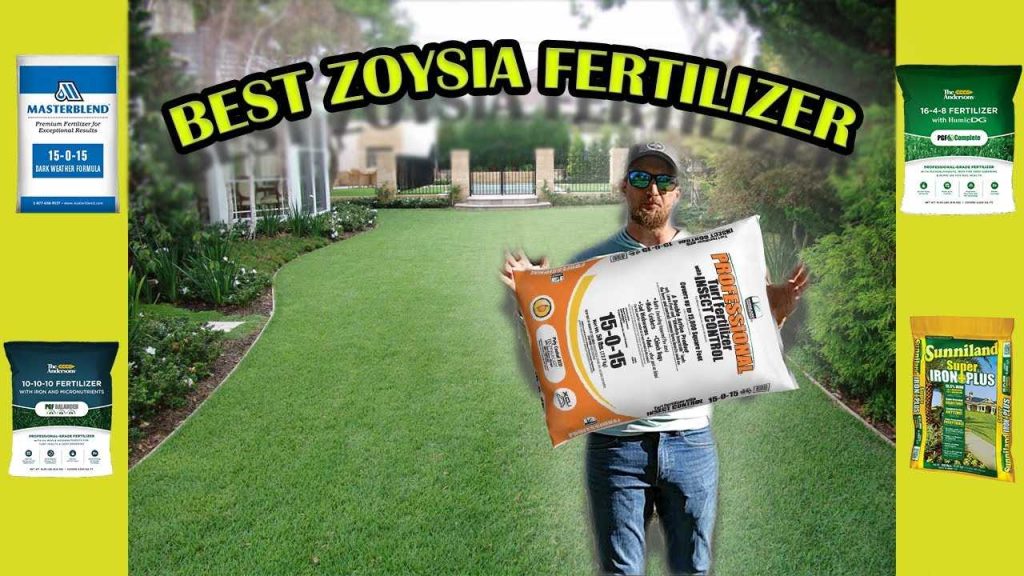
To achieve the best results with your Zoysia grass, the key is to fertilize it during the growing season, specifically in late spring and early summer. Applying a balanced fertilizer high in nitrogen will promote healthy growth, while a second application in late summer can help strengthen the roots before winter. Be sure to follow the recommended application rates for your specific product to avoid over-fertilization, which can damage your lawn.
Now, let’s dive into the details of when and how to fertilize your Zoysia grass for lush, green results. Starting with the right timing is crucial, as this will set the stage for vibrant growth. We’ll explore the best practices for fertilization, ensuring your lawn stays healthy throughout the seasons.

“`html
When and How to Fertilize Zoysia Grass for Best Results
Zoysia grass is a warm-season turf that thrives in sunny areas and is known for its robust, lush appearance. Proper fertilization is key to maintaining its health and ensuring the grass grows thick and green. In this article, we will delve into the optimal times and methods for fertilizing Zoysia grass to achieve the best results.
Understanding Zoysia Grass
Before diving into fertilization details, it’s important to understand what Zoysia grass needs. This grass variety is hardy and drought-resistant, making it a popular choice in warmer climates. Zoysia grows best in temperatures ranging from 70°F to 100°F. It establishes strong roots, which leads to a dense turf that can withstand foot traffic and other stresses.
Why Fertilization Matters
Fertilizing Zoysia grass helps supply essential nutrients that promote growth, color, and disease resistance. Without proper fertilization, your lawn may suffer from poor growth and discoloration.
Key nutrients include:
- Nitrogen: Promotes growth and green color.
- Phosphorus: Encourages root development.
- Potassium: Enhances overall health and disease resistance.
Balancing these nutrients is crucial for a healthy lawn.
When to Fertilize Zoysia Grass
Timing is everything when it comes to fertilizing Zoysia grass. To see the best results, you should fertilize at key growth stages.
Early Spring Fertilization
As temperatures begin to rise in early spring, Zoysia grass starts to come out of dormancy. This is the ideal time to apply a nitrogen-rich fertilizer. Aim for late April to early May, after the last frost. This early application helps kickstart growth.
Mid-Summer Fertilization
A second round of fertilization should occur in mid-summer, typically in June or July. This feeding will help sustain the grass’s lush appearance during the peak growing season. It ensures the grass has enough nutrients to withstand heat and stress.
Late Summer to Early Fall Fertilization
The final fertilization should happen in late summer or early fall, around August to September. This application helps prepare the grass for winter by promoting root development. It’s critical for recovery from summer stress.
How to Choose the Right Fertilizer
Selecting the right fertilizer is essential for achieving your desired lawn results. Look for a fertilizer that has balanced nutrient ratios suited for Zoysia grass.
N-P-K Ratios
On fertilizer bags, you will see an N-P-K ratio that tells you the nitrogen, phosphorus, and potassium levels. For Zoysia grass, a ratio like 3-1-2 or 4-1-2 is a good choice. This means more nitrogen to encourage growth.
Granular vs. Liquid Fertilizers
Both granular and liquid fertilizers have their advantages:
- Granular Fertilizers: Slow release, easy application, and long-lasting effects.
- Liquid Fertilizers: Quick absorption and ideal for targeted applications.
Choose according to your preference and lawn needs.
Application Techniques for Fertilizing Zoysia Grass
Applying fertilizer can be done in various ways. Here are some effective techniques to consider.
Using a Spreader
Using a broadcast spreader is one of the most straightforward methods. Whether using a drop or rotary spreader, make sure to follow these steps:
1. Adjust the spreader settings according to the fertilizer type.
2. Walk at a steady pace to ensure even distribution.
3. Overlap slightly with each pass to avoid stripes.
Hand Broadcasting
For small areas or touch-ups, hand broadcasting can work well. Use gloves and a scoop to sprinkle the fertilizer evenly. This method gives you greater control over the application.
Liquid Application
When using a liquid fertilizer, ensure you have a sprayer that distributes evenly. Fill the sprayer with the diluted liquid fertilizer and apply during the cooler parts of the day to prevent burning your grass.
Watering After Fertilization
Watering is a crucial part of the fertilization process. It helps to activate the nutrients in the soil and aids in their absorption by the grass roots.
Timing Your Watering
After applying fertilizer, water your lawn lightly but thoroughly. This should occur within 24 hours of application. It ensures the fertilizer penetrates the soil but avoid overwatering, as it can lead to nutrient runoff.
Frequency of Watering
Maintain consistent watering, especially during dry spells. A good rule of thumb is to provide about one inch of water each week, including rainfall.
Signs of Nutrient Deficiency in Zoysia Grass
Even with the best fertilization practices, your Zoysia grass may show signs of nutrient deficiency. Knowing what to look for can help you take corrective actions quickly.
Yellowing Grass
If your Zoysia grass begins to turn yellow, it may be lacking nitrogen. This is often referred to as chlorosis and can be remedied with a nitrogen-rich fertilizer.
Poor Growth Patterns
Stunted growth or thinning turf can indicate a shortage of phosphorus or potassium. Evaluate the soil and consider a balanced fertilizer with these nutrients.
Maintaining Soil Health
Healthy soil leads to a healthier lawn. It’s beneficial to test your soil every couple of years to see its nutrient levels and pH balance.
Soil Testing
Soil testing kits are widely available at garden centers. Follow the instructions to collect soil samples and send them away for analysis. Understanding the results can guide your fertilization approach.
Amendments for Soil Health
Depending on the soil test results, you may need to add amendments like lime to adjust the pH or organic matter to improve soil structure. Healthy soil provides a strong foundation for robust Zoysia grass.
Common Mistakes to Avoid
Avoiding pitfalls can save you time and effort in lawn care. Here are common mistakes when fertilizing Zoysia grass.
Over-fertilizing
Applying too much fertilizer can damage your lawn. Always follow label instructions and avoid the urge to “give it a little extra.”
Ignoring Weather Conditions
Fertilizing before heavy rain can wash away nutrients. Conversely, applying during extreme heat can harm the grass. Pay attention to weather forecasts.
Neglecting Regular Maintenance
Fertilization is just one part of lawn care. Regular mowing, aeration, and pest management are essential for a thriving lawn.
Seasonal Care Beyond Fertilization
In addition to fertilizing, consider other seasonal care practices to keep your Zoysia grass in excellent shape.
Mowing Practices
Mow your Zoysia grass to a height of 1 to 2 inches. Keeping it too short can stress the grass, while letting it grow too high can create a habitat for pests.
Aeration and Thatching
Aerating your lawn once a year can help relieve soil compaction and improve water infiltration. Remove thatch if it builds up to more than half an inch, as it can prevent nutrient absorption.
Maintaining a healthy Zoysia lawn requires attention to detail, especially when it comes to fertilization. By following these guidelines on when and how to fertilize, you can help your Zoysia grass thrive and provide a beautiful green space for your yard. Regular care, proper watering, and understanding your grass’s needs will lead to the best results and a lawn you can enjoy year-round.
“`
The Best Fertilizer For Zoysia Grass | How To And When To Fertilize Zoysia Grass
Frequently Asked Questions
“`html
What type of fertilizer is best for Zoysia grass?
For Zoysia grass, a fertilizer with a balanced ratio of nitrogen, phosphorus, and potassium works best. Look for a fertilizer with an N-P-K ratio of around 15-15-15 or similar. Additionally, slow-release fertilizers can provide a steady supply of nutrients over time, promoting healthy growth. Organic options, such as compost or well-rotted manure, also benefit Zoysia grass and improve soil quality.
How often should I apply fertilizer to my Zoysia lawn?
You should fertilize Zoysia grass two to four times a year, depending on your lawn’s specific needs and the type of fertilizer used. A good schedule includes a spring application to kick-start growth, followed by additional applications every 6 to 8 weeks during the growing season. Always pay attention to the manufacturer’s instructions for specific timing and quantities.
What signs indicate that Zoysia grass needs fertilization?
Look for several signs that indicate your Zoysia grass may need fertilization. If the grass appears pale green or yellowish, it may lack essential nutrients. Additionally, if you notice slow growth or sparse areas, it might be time to fertilize. Regularly assessing the overall health of your lawn can help you determine its fertilization needs.
Should I water my Zoysia grass before or after fertilization?
It’s beneficial to water your Zoysia grass before applying fertilizer. This practice helps prepare the soil and improves nutrient absorption. After fertilizing, you should water again to activate the fertilizer and help it penetrate the soil. Aim for about 1 inch of water within 24 hours after applying fertilizer to ensure effective nutrient delivery.
Can I use a weed and feed product on my Zoysia grass?
Yes, you can use a weed and feed product on Zoysia grass, but ensure the product is specifically formulated for warm-season grasses. Read the label carefully to avoid damaging your lawn. Timing is also important; apply these products when weeds are actively growing for the best results, typically in late spring or early summer.
“`
Final Thoughts
To achieve optimal growth, apply fertilizer to Zoysia grass during its active growing season, typically in late spring or early summer. Use a slow-release fertilizer to provide consistent nutrients over time while preventing nutrient runoff.
Monitor the grass’s color and growth; if it appears yellow or slow-growing, consider a light fertilization boost. Timing and method are key in “When and how to fertilize Zoysia grass for best results” to ensure a lush, healthy lawn.