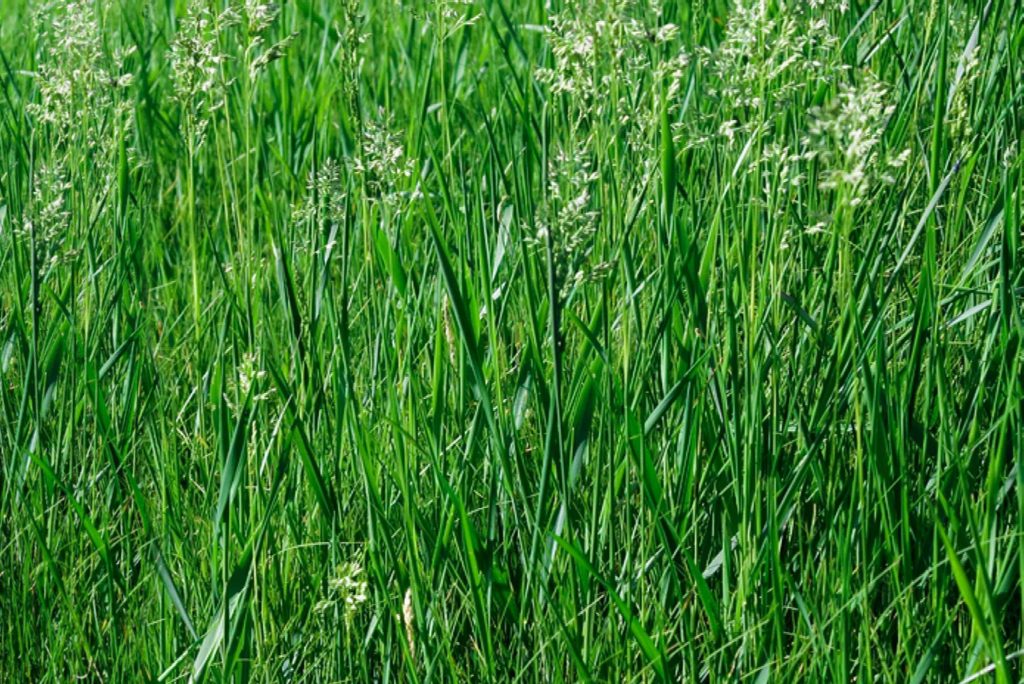
No, tall fescue isn’t too difficult to maintain if you follow a few basic guidelines. It’s a hardy grass that can thrive with minimal effort, making it a popular choice for many homeowners. With proper watering, mowing, and occasional fertilizing, tall fescue can stay lush and healthy without demanding too much of your time.
Tall fescue is generally easy to care for, especially when compared to more delicate grass types. It’s tolerant of drought, shade, and different soil conditions, which reduces the chances of trouble. Regular maintenance like mowing and watering keeps it looking its best, but it’s forgiving enough for those who want a beautiful lawn without constant fuss.
Tall fescue requires moderate upkeep—consistent watering, occasional fertilization, and regular mowing. It’s a resilient grass that can handle various conditions, making it a great option for those seeking low-maintenance lawn solutions without sacrificing appearance. Whether you’re a seasoned gardener or just starting out, tall fescue can be a manageable and attractive addition to your outdoor space.

Is tall fescue hard to maintain?
Understanding the basic needs of tall fescue
Tall fescue is a popular cool-season grass known for its durability and ability to grow in various soil types. Many homeowners ask if it requires a lot of effort to care for this grass. The good news is that tall fescue is considered **low-maintenance** compared to other grasses, but it still needs specific attention to stay healthy.
This grass type naturally withstands drought, pests, and heavy foot traffic. It generally grows well with minimal intervention, making it a favorite for lawns, parks, and sports fields. However, understanding its specific needs helps prevent issues and keeps your lawn lush and green.
Proper mowing practices for tall fescue
Maintaining the correct mowing height is crucial for the health of tall fescue. Experts recommend mowing it to a height of **2.5 to 4 inches**. This height encourages strong root development and helps the grass tolerate drought and heat.
Avoid cutting more than **one-third of the grass height** at a time. Cutting too short can weaken the grass and make it vulnerable to pests and diseases. Regular mowing, approximately **once a week during peak growing season**, keeps the lawn looking neat and promotes healthy growth.
Watering requirements and tips
Tall fescue is **drought-tolerant** but still needs proper watering to thrive. A common mistake is overwatering or underwatering, which can cause problems. The ideal watering schedule involves providing **about 1 to 1.5 inches** of water per week, either through rainfall or supplemental watering.
Deep and infrequent watering encourages deep root growth. This makes the grass more resilient during dry spells. Using a **sprinkler system** or soaker hoses can help evenly distribute water across your lawn.
Signs of overwatering and underwatering
- Overwatering: The grass appears spongy, and the soil remains soggy. You may notice fungal growth or moss.
- Underwatering: The grass turns brown or gray, and the blades become thin and brittle.
Adjust your watering schedule accordingly to avoid these issues.
Fertilization for optimal growth
Fertilizing is an important part of maintenance, but tall fescue generally needs **less fertilizer** than other grasses. Applying a **balanced fertilizer** in early spring and fall promotes healthy growth and keeps the lawn green.
Use a fertilizer with a nitrogen ratio suited for cool-season grasses. Follow the instructions carefully, typically applying **once every 6 to 8 weeks** during the active growing season. Avoid over-fertilizing, as it can lead to excessive growth that requires more mowing and can weaken the grass.
Disease and pest management
Tall fescue is resistant to many pests and diseases but isn’t immune. Common problems include **fungal diseases** like brown patch and dollar spot, especially during humid or wet conditions.
Maintain good lawn hygiene by removing excess thatch and fallen leaves. Proper watering practices and aeration can also reduce disease risk. If pests appear, use **appropriate lawn treatments** carefully, following all safety instructions.
Preventive measures and natural remedies
- Ensure proper drainage to reduce fungal infections
- Aerate the soil annually to improve airflow and root health
- Overseed damaged areas with healthy tall fescue seed
- Use organic or chemical fungicides when necessary
Weed control and lawn aeration
Weeds can compete with tall fescue for nutrients and water, so proper weed control is vital. Use **pre-emergent weed preventers** in early spring and spot treat weeds as they appear.
Aeration involves perforating the soil to improve water, nutrient, and air penetration. This process reduces soil compaction and promotes deeper root growth, making the lawn more resistant to drought and weeds.
Dealing with shade and soil conditions
While tall fescue can grow in shaded areas, it prefers **full sun** for optimal health. In shady spots, it may grow thinner or become more susceptible to disease.
Soil quality significantly influences maintenance needs. Well-drained, fertile soil supports healthy root development. Amend poor soil with compost and consider soil testing to determine exact nutrient needs.
Estimated maintenance time and effort
Compared to many grasses, tall fescue requires **less frequent mowing**, watering, and fertilization. With proper planning, homeowners often spend **just a few hours each week** maintaining their lawn.
A typical maintenance routine includes mowing, watering, fertilizing, and occasional weed control. Regular aeration and overseeding can be done **once a year or as needed**. This manageable effort makes tall fescue a **favorable choice for busy homeowners**.
Cost considerations for maintenance
The overall costs involve purchasing seed or sod, fertilizer, weed control products, and possibly irrigation equipment. Tall fescue’s **low water and fertilizer requirements** can help reduce ongoing expenses.
Investing in quality seed and proper maintenance practices pays off with a durable, attractive lawn that requires fewer chemical treatments and less frequent repairs.
Related topics
- Best practices for overseeding tall fescue
- Comparing tall fescue with bluegrass and Bermuda grass
- Environmental benefits of tall fescue lawns
- Natural lawn care tips for sustainable gardening
Overall, the effort needed to maintain tall fescue is **generally manageable**, especially if you follow simple care routines. Its resilience and adaptability make it an excellent choice for those seeking a lawn that stays healthy with **minimal maintenance**. Proper mowing, watering, fertilizing, and weed control will keep your tall fescue lawn lush, thriving, and looking its best year-round.
Tall Fescue Pros And Cons
Frequently Asked Questions
What are the primary factors that influence the maintenance needs of tall fescue?
Several factors determine how much effort it takes to maintain tall fescue, including lawn usage, climate conditions, and soil quality. Regular mowing, adequate watering, and proper fertilization are essential to keep it healthy. In areas with high foot traffic or extreme weather, you might need to adjust your maintenance routine to address wear and stress on the grass.
How often should I water tall fescue to keep it healthy?
Tall fescue generally requires about 1 to 1.5 inches of water weekly, including rainfall. Deep, infrequent watering encourages strong root growth and helps the grass withstand drought conditions. Consistency is key—watering deeply once or twice a week is better than frequent shallow watering, which can weaken the root system.
What challenges might I encounter when maintaining tall fescue in different seasons?
During hot summers, tall fescue may need additional watering to prevent stress and browning. In cooler months, it usually enters dormancy, reducing maintenance needs, but you should still monitor for pests or diseases. In colder climates, you might also need to take steps to prevent winter injury by avoiding heavy traffic on frozen grass.
Are there specific fertilization routines that reduce maintenance for tall fescue?
Applying a balanced fertilizer according to the grass’s growth cycle can minimize maintenance efforts. Typically, fertilize in early spring and fall with a nitrogen-rich fertilizer, but avoid over-fertilizing, which can lead to disease problems or excessive growth requiring frequent mowing. Proper fertilization promotes healthy, dense turf that resists weeds and pests.
Does tall fescue require regular aeration or dethatching to stay manageable?
Yes, aeration and dethatching can improve tall fescue’s health by alleviating soil compaction and removing excess thatch build-up. Performing these practices at least once a year helps maintain proper airflow and water penetration, reducing overall maintenance and promoting a vigorous turf.
Final Thoughts
Tall fescue is known for its low-maintenance nature, making it a popular choice for many homeowners. It requires regular mowing, watering, and occasional fertilization, but these tasks are straightforward.
While it handles drought and shade well, staying healthy depends on proper care and occasional weed control.
In conclusion, is tall fescue hard to maintain? Not really. With proper care, it stays lush and green, offering a hassle-free lawn experience.