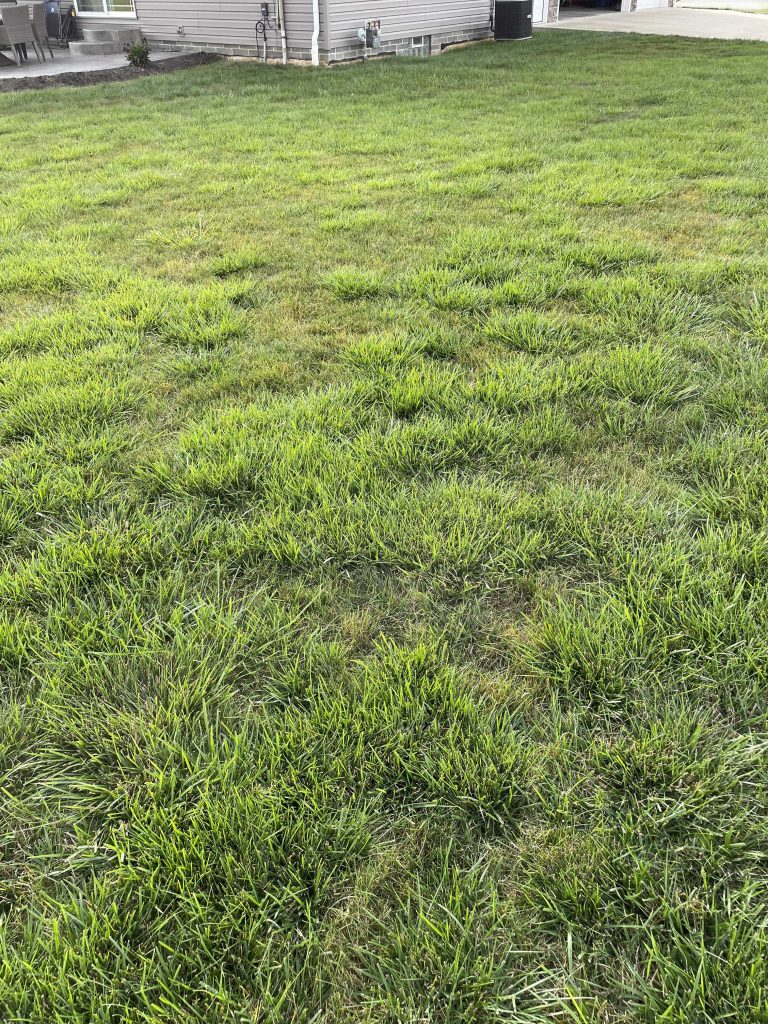
Yes, tall fescue can spread on its own under the right conditions. It’s a hardy grass that naturally expands through seed dispersal and underground root systems, making it quite self-sufficient once established. If you’re wondering whether you need to do a lot of work to maintain or control its spread, the answer is that it can become somewhat invasive without proper management. However, with regular mowing and some preventative measures, you can keep its growth in check and enjoy a lush, resilient lawn or pasture.
Tall fescue is popular for its durability and drought tolerance, but its ability to spread freely can be a double-edged sword. It tends to expand via both seed production and its deep-rooted rhizomes, which means it can fill in bare patches and invade areas nearby if left unchecked. Whether it spreads quickly depends on factors like soil quality, climate, and maintenance routines. So, if you’re considering planting tall fescue, be prepared for ongoing management to control its expansion or appreciate its persistence as a ground cover.

Will tall fescue spread on its own?
Many homeowners and landscapers wonder if tall fescue will grow and spread without much help. It’s a popular grass choice because of its durability and lush appearance. But understanding how it spreads will help you keep your lawn healthy and looking great.
Understanding Tall Fescue
Tall fescue is a type of cool-season grass known for its deep roots and drought resistance. It’s commonly used in lawns, parks, and sports fields. Its growth pattern depends on several factors, including seed, climate, and maintenance practices.
How Does Tall Fescue Spread?
Tall fescue primarily spreads through two main methods. Knowing these can help you predict how quickly your lawn might expand naturally.
1. Seed Dispersal
Most tall fescue spreads by producing seeds. When the grass flowers, it develops seed heads that can fall to the ground. If conditions are right, new plants will grow from these seeds.
Seeding happens naturally, especially if the grass is healthy. Seeds can be carried by wind, water, or animals, spreading the grass across your yard over time.
2. Rhizomes and Stolons
Unlike some grasses, tall fescue does not extensively spread via underground stems called rhizomes or above-ground runners called stolons. It mainly relies on seed production for spreading.
Will Tall Fescue Spread on Its Own Without Help?
In many cases, tall fescue will spread naturally, but at a slow pace. If you want a denser, more uniform lawn, you might need to overseed or reseed periodically.
The spread depends on factors like soil quality, sunlight, water, and whether the grass is well-maintained. Without intervention, it can fill in its space gradually over several seasons.
Factors Influencing Spread and Growth
Several conditions impact how fast and how much tall fescue spreads. These include:
- Climate: Cool, moist environments encourage seedling growth.
- Soil Quality: Fertile, well-drained soil helps seeds germinate and grow stronger roots.
- Sunlight: Tall fescue prefers full sun but can tolerate some shade.
- Watering: Regular watering encourages healthy growth and seed production.
- Maintenance: Mowing height and fertilization influence seed development and spread.
Promoting Natural Spread of Tall Fescue
If you want your tall fescue to spread more quickly, consider these practices:
- Overseeding: Plant new seeds in bare or thin areas to encourage spreading.
- Proper Watering: Keep the soil moist but not waterlogged.
- Fertilization: Use a balanced fertilizer to promote vigorous seed production.
- Mowing: Mow at the recommended height to allow for seed head development.
- Soil Preparation: Loosen compacted soil and add organic matter for better seed germination.
How Long Does It Take for Tall Fescue to Spread?
The rate varies based on growing conditions. Typically, tall fescue can begin to spread noticeably within one to two growing seasons. Complete lawn coverage might take three to five years without additional planting.
Potential Challenges in Spreading
Despite its ability to spread naturally, several obstacles can slow down or prevent tall fescue from expanding beyond the initial planting area.
Inadequate Water or Nutrients
Without enough water or nutrients, seed germination can be poor, limiting natural spread. It’s important to maintain proper lawn care to support growth.
Shade and Soil Conditions
Heavy shade or poor soil quality can hinder seed growth. Tall fescue prefers full sun and well-drained, fertile ground.
Over-mowing or Mowing Too Short
Mowing too low can weaken the grass and reduce seed head production, slowing natural spread.
What You Can Do to Help Tall Fescue Spread?
If you want to accelerate the spreading process, overseeding is the best option. It helps fill in thin spots and encourages the natural expansion of the grass.
Using a seed spreader ensures even distribution, and watering afterward helps seeds germinate effectively. Regular mowing at the correct height also promotes healthy seed production.
Summary Table: Tall Fescue Spread Characteristics
| Method of Spread | Primary Mode | Speed of Spread | Requires Human Help? |
|---|---|---|---|
| Seed Dispersal | Natural | Slow to moderate, over several years | No, but overseeding accelerates growth |
| Rhizomes/Stolons | Limited in tall fescue | N/A | No |
Related Topics
- Best practices for overseeding tall fescue
- Maintaining a healthy tall fescue lawn
- Comparing tall fescue with other cool-season grasses
- Controlling weeds in tall fescue lawns
Understanding how tall fescue spreads helps you plan your lawn care strategy. Whether you want it to spread on its own or prefer more control through overseeding, knowing these details ensures a healthier, fuller lawn over time.
Get The Fastest Grass Seed Germination #grass #lawn #seeds #fall #renovation #lawncare
Frequently Asked Questions
Does tall fescue naturally spread across a lawn?
Yes, tall fescue is a type of grass that naturally spreads through its deep root system and forming new shoots from seed dispersal. It tends to fill in bare patches over time, creating a dense turf without much assistance.
Can I expect tall fescue to expand into adjacent areas without intervention?
While tall fescue can spread into nearby bare spots, it generally requires favorable conditions such as proper watering and soil quality. Without these, its natural expansion may be slow or limited.
What mechanisms does tall fescue use to expand its coverage?
Tall fescue spreads primarily through seed production and underground stolons. These stolons are surface runners that grow horizontally and help the grass to establish new plants, aiding its natural dissemination across a lawn.
How does mowing influence the spread of tall fescue?
Proper mowing encourages healthy growth of tall fescue and can promote its spreading. Regular mowing at the right height helps maintain a dense turf, reducing space for weeds and supporting the grass’s natural propagation mechanisms.
What environmental factors can enhance or hinder the spread of tall fescue?
Good soil fertility, adequate watering, and proper sunlight support the natural spread of tall fescue. Conversely, drought, poor soil conditions, and shaded areas can slow down its expansion and limit how much it spreads on its own.
Final Thoughts
Tall fescue tends to spread naturally through rhizomes and seeds. With proper conditions, it can establish quickly and expand across your lawn. Regular maintenance and overseeding can encourage its growth.
Will tall fescue spread on its own? Yes, it can spread without much help, especially in suitable climates. However, some effort may be needed initially to promote healthy growth. Overall, it’s a resilient grass that tends to establish and expand on its own over time.