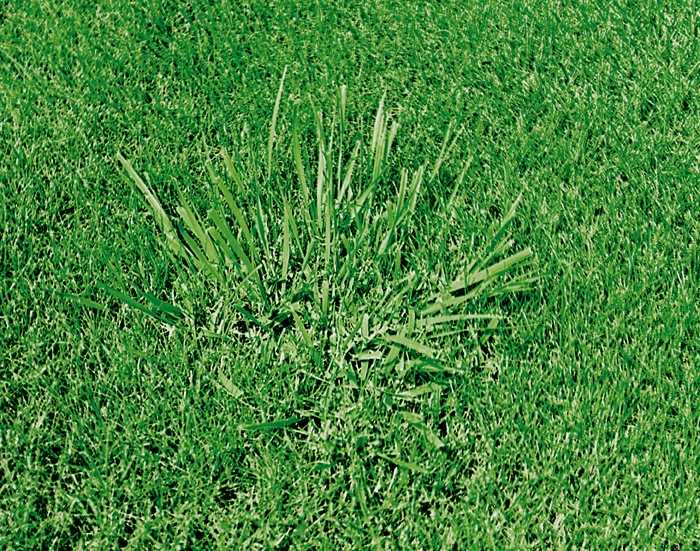
Tall fescue is a popular grass choice for many lawns, but whether it’s good or bad depends on your specific needs and climate. Overall, it’s a hardy, drought-tolerant grass that can thrive with less water and fertilizer, making it a great option for those seeking a low-maintenance yard. However, it may not be suitable for highly shaded areas or regions with extreme heat or humidity.
In short, tall fescue can be a fantastic lawn grass if you want durability and easy care, but it’s important to consider your local climate and lawn conditions before planting.
If you’re wondering whether tall fescue is right for your yard, keep reading to discover its benefits, drawbacks, and how to make the most of this versatile grass. It’s a grass that could transform a patchy, hard-to-maintain lawn into a lush, resilient green space with the right care.

Is Tall Fescue a Good or Bad Lawn?
Introduction to Tall Fescue
Tall fescue is a popular cool-season grass known for its durability and adaptability. It often grows in lawns, parks, and sports fields across many regions. Many homeowners choose tall fescue because it can withstand harsh conditions better than some other grasses.
Understanding the Characteristics of Tall Fescue
Tall fescue features deep roots that help it survive drought and extreme temperatures. Its blade is typically broader and darker green, giving lawns a lush appearance. Compared to bermudagrass or Kentucky bluegrass, tall fescue has unique strengths and weaknesses.
Advantages of Tall Fescue for Lawns
Hardiness and Drought Tolerance
One of the biggest benefits of tall fescue is its ability to thrive during dry periods. Its deep root system allows it to access water deep in the soil. This means less frequent watering is necessary, making it an eco-friendly choice.
Low Maintenance Needs
Tall fescue generally requires less mowing and fertilization than other grasses. It maintains its health with minimal inputs, saving time and money for homeowners. Its resilience also means fewer pests and disease problems.
Shade Tolerance
This grass does well in shaded areas where other grasses might struggle. It can grow under trees and in spots with less sunlight. This makes tall fescue a versatile option for diverse outdoor spaces.
Cost-Effectiveness
Tall fescue seeds tend to be affordable, and its long-lasting nature reduces the need for frequent replacements. Over time, it can be a cost-effective choice for maintaining a lawn.
Disadvantages of Tall Fescue for Lawns
Growth Habit and Appearance
While tall fescue is hardy, its coarse texture may not be preferred for those seeking a fine, uniform lawn. Its longer blades can give a somewhat rough look. This may not appeal to those who want a pristine, manicured appearance.
Invasive Tendencies
Tall fescue can spread via its roots, potentially invading neighboring plant areas. If not managed, it can take over patches in mixed lawns. Proper overseeding and control are necessary to prevent unwanted spread.
Temperature Sensitivity
Although tolerant of drought, tall fescue can struggle in extremely hot, humid summers. It might go dormant or turn brown when temperatures soar, especially in regions with intense heat.
Limited Cold Tolerance in Some Varieties
While generally hardy, certain tall fescue types may not withstand very cold winters well. Choosing the right cultivar is crucial for success in colder climates.
Best Growing Conditions for Tall Fescue
Soil Requirements
Tall fescue prefers well-drained, fertile soil with a pH between 5.5 and 7.5. Amendments like compost can improve soil quality and promote healthy growth.
Sunlight
It thrives in full sun but can tolerate partial shade. However, in heavily shaded areas, its growth may be less vigorous.
Watering Needs
Although drought-tolerant, regular watering helps establish tall fescue during the first few months. Once established, it can survive with less frequent irrigation.
How to Maintain Tall Fescue Lawns
Mowing Techniques
Maintain a mowing height of about 3 to 4 inches to promote thick growth and discourage weeds. Regular mowing fosters a healthier, more attractive lawn.
Fertilization Tips
Apply fertilizer according to soil test recommendations, typically in spring and fall. Balanced nitrogen will keep the grass green and vigorous.
Pest and Disease Control
Monitor for common issues like brown patch or fungal diseases, especially in humid weather. Proper watering and aeration reduce disease risk.
Overseeding and Repair
Revise patchy areas by overseeding with tall fescue in early fall. This helps maintain a dense, weed-resistant lawn.
Comparing Tall Fescue to Other Lawn Grasses
Below is a quick comparison to help evaluate whether tall fescue suits your lawn needs:
| Feature | Tall Fescue | Bermudagrass | Kentucky Bluegrass |
|---|---|---|---|
| Climate Adaptability | Cool and moderate; drought-tolerant | Warm-season; thrives in hot climates | Cool-season; needs cooler temperatures |
| Maintenance Level | Low to moderate | Moderate to high | Moderate |
| Appearance | Coarse texture, dark green | Smoother, fine texture | Fine texture, lush look |
| Invasiveness | Moderately invasive | Less invasive | Moderately invasive |
Environmental Benefits of Tall Fescue
Water Conservation
By requiring less water once established, tall fescue helps conserve water resources. This makes it an environmentally friendly choice for drought-prone areas.
Soil Health Improvement
Its deep roots reduce soil erosion and help improve soil structure, benefiting overall yard health.
Reduced Chemical Use
Resilient against pests and diseases, tall fescue often needs fewer pesticides and fungicides, lowering chemical runoff and exposure.
Final Thoughts on Tall Fescue
Choosing tall fescue depends on your climate, lawn aesthetics, and maintenance preferences. Its durability and eco-friendly features make it ideal for many homeowners. However, it may not be perfect if you desire a fine, uniform, and manicured-looking lawn.
In summary, tall fescue is a **versatile grass option** offering many benefits like drought tolerance, low maintenance, and adaptability to shade. On the flip side, it requires proper management to prevent invasiveness and achieve the best appearance. Understanding your specific needs and local conditions will help determine if tall fescue is the right lawn grass for you.
Tall Fescue Pros And Cons
Frequently Asked Questions
What are the advantages of planting tall fescue in a lawn?
Tall fescue offers several benefits for lawn care. It has deep roots, which make it more drought-tolerant and able to withstand dry periods. This grass also performs well in poor soil conditions and resists pests and diseases effectively. Its dense growth pattern helps in crowding out weeds, reducing the need for frequent treatments. Additionally, tall fescue maintains its appearance throughout different seasons, making it a practical choice for many homeowners.
Are there any drawbacks to using tall fescue for lawn purposes?
While tall fescue has many positives, it may also present some challenges. It tends to grow taller, which might require regular mowing to keep the lawn tidy. In some cases, it can develop thatch buildup if not managed properly. Tall fescue may not thrive in areas with excessive heat or shade, limiting its effectiveness in certain climates or parts of the yard. Additionally, some types of tall fescue may not blend well with other grass species, leading to a less uniform appearance.
How does tall fescue compare to other common turf grasses?
Compared to grasses like Kentucky bluegrass or perennial ryegrass, tall fescue tends to be more drought-resistant and hardy in low-input conditions. It often requires less water and fertilizer, which can save time and resources. However, it might not have the same fine texture or lush appearance as Kentucky bluegrass. Its suitability depends on your local climate, lawn usage, and aesthetic preferences. Overall, tall fescue provides a durable and low-maintenance option for many homeowners.
Can tall fescue adapt well to different soil types and environmental conditions?
Yes, tall fescue adapts reasonably well to a variety of soil types, including clay, loam, and sandy soils. Its deep root system allows it to access nutrients and moisture from lower soil layers, helping it survive in challenging conditions. It performs best in regions with moderate rainfall, but specific varieties can tolerate drought and heat better. Proper soil preparation and maintenance practices will enhance its growth and resilience across different environments.
Is tall fescue suitable for high-traffic areas in a yard?
Absolutely, tall fescue is a good choice for areas with frequent foot traffic. Its dense and tough growth pattern withstands regular use without quickly deteriorating. The grass recovers relatively fast after damage, maintaining a neat appearance over time. This makes it ideal for lawns that serve as play areas or outdoor gathering spots, as it can handle the wear and tear better than some other turf options.
Final Thoughts
Tall fescue is known for its drought tolerance and low maintenance needs, making it a popular choice for many homeowners. It handles traffic well and resists pests, keeping lawns healthy for years with minimal effort. However, it can become invasive and may not suit all climates.
In conclusion, is tall fescue good or bad lawn? It depends on your specific needs and local conditions. For some, it offers a durable and easy-care lawn; for others, it may pose challenges. Consider your environment before planting.