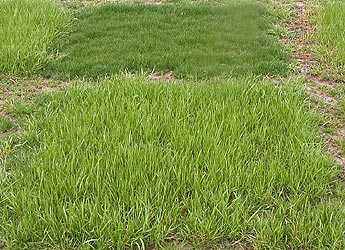
Ryegrass is generally a versatile grass that can either grow as an annual or a perennial, depending on the type and environment. For most home gardeners and landscapers, knowing whether ryegrass is annual or perennial helps in planning the right planting and maintenance strategies. The quick answer is that perennial ryegrass is a long-lasting, durable grass that stays green year-round in suitable climates, while annual ryegrass completes its life cycle in one season, often used for temporary cover or quick growth. Understanding these differences can make all the difference in establishing a healthy, lush lawn or pasture. Whether you’re planting for a short-term project or a long-term landscape, knowing the nature of ryegrass ensures you choose the right type for your needs and climate.

Is Ryegrass Annual or Perennial?
Understanding Ryegrass: What Is It?
Ryegrass is a popular type of grass often used for lawns, pastures, and sports fields. It belongs to the Lolium genus, which includes different species of grasses. People choose ryegrass because it quickly establishes a lush, green cover and withstands foot traffic well.
Types of Ryegrass: An Overview
There are mainly two types of ryegrass used in gardening and agriculture:
- Perennial Ryegrass: Grows back every year without needing replanting.
- Annual Ryegrass: Completes its life cycle in one year and then dies.
Knowing the difference helps decide which type fits your needs better.
Is Ryegrass an Annual or Perennial?
Most commonly, when people ask if ryegrass is annual or perennial, they refer to its typical use. The answer depends on the specific type of ryegrass. Perennial ryegrass is indeed a perennial, meaning it lives for multiple years. On the other hand, annual ryegrass is a one-year plant that completes its life cycle quickly.
Perennial Ryegrass: The Perennial Choice
Perennial ryegrass is known for its durability and ability to grow back year after year. It thrives in cooler climates and is often used on lawns and sports fields. It can live for many seasons with proper care and maintenance.
Annual Ryegrass: The Seasonal Option
Annual ryegrass grows rapidly in cooler seasons and is often used as a cover crop or for temporary lawns. It germinates quickly and produces dense foliage. Once the growing season ends, it typically dies off, making way for new planting.
How Long Do These Types Live?
Understanding the lifespan of ryegrass helps plan your garden or field layout.
| Type of Ryegrass | Lifespan |
|---|---|
| Perennial Ryegrass | Multiple years, often 3 to 5 years or more with proper care |
| Annual Ryegrass | One complete growing season, usually 4 to 6 months |
Growing Conditions for Ryegrass
Ryegrass generally prefers cool, moist environments to thrive. It needs well-drained soil and regular watering for optimal growth.
Perennial Ryegrass: Growing Tips
– Grows best in temperatures between 50°F and 75°F (10°C to 24°C)
– Prefers full sun but can tolerate some shade
– Requires regular mowing to maintain a healthy appearance
– Benefits from fertilization to support continuous growth
Annual Ryegrass: Growing Tips
– Germinates quickly, often within a few days
– Best planted in early fall or spring
– Prefers moist, fertile soil
– Used mainly for temporary coverage, so minimal long-term care is needed
Advantages of Perennial Ryegrass
Choosing perennial ryegrass offers several benefits:
- Long-term lawn solution with less replanting
- Creates a dense, lush turf that suppresses weeds
- Resistant to wear and tear, making it suitable for sports fields
- Easy to establish from seed or sod
Perennial ryegrass ensures sustained green coverage with proper maintenance.
Advantages of Annual Ryegrass
Annual ryegrass provides benefits suited for specific purposes:
- Quick germination, ideal for temporary cover crops
- Cost-effective seed option for seasonal needs
- Helps control soil erosion during off-seasons
- Can improve soil quality when used as part of crop rotation
Since it dies after one season, annual ryegrass is perfect for short-term projects.
Comparing the Two Ryegrass Types
Here’s a quick comparison to clarify their differences:
- Growth Cycle: Perennial lasts multiple years; annual completes in one season.
- Use: Perennial for permanent lawns; annual for seasonal cover crops or temporary lawns.
- Maintenance: Perennial needs regular care; annual requires minimal upkeep after planting.
- Cost: Perennial may cost more initially but saves money long-term; annual is cheaper but needs replanting each year.
Choosing the Right Ryegrass for Your Garden or Farm
Making the choice depends on your goals and environment.
Consider Perennial Ryegrass If:
– You want a low-maintenance, lasting lawn
– You live in a cooler climate
– You need a lawn or pasture that withstands frequent use
Choose Annual Ryegrass If:
– You need quick cover for erosion control
– You’re planting for a single season or short-term project
– You want a cost-effective, fast-growing option
Related Topics to Explore
– Best Fertilizers for Ryegrass
– Seeding and Sodding Tips
– Controlling Weeds in Ryegrass Lawns
– How to Maintain a Healthy Ryegrass Lawn
Summary
In summary, ryegrass can be either annual or perennial depending on its species. Perennial ryegrass provides long-lasting coverage and resilience, making it ideal for permanent lawns or sports fields. Annual ryegrass offers a quick, short-term solution and is often used as a cover crop or temporary lawn. Understanding these differences ensures you select the right type for your specific needs, climate, and project goals.
This clear distinction helps homeowners, landscapers, and farmers plan and care for their grasses effectively. Choosing between annual and perennial ryegrass ultimately boils down to how long you need the grass to last and the conditions of your site. Both types have their unique benefits, making ryegrass a versatile choice for many applications.
Perennial Ryegrass Pros and Cons
Frequently Asked Questions
What factors influence whether ryegrass grows as an annual or a perennial?
Ryegrass’s growth habit depends on the specific variety and environmental conditions. Perennial ryegrass typically thrives in cooler climates and can sustain growth for multiple years if properly maintained. Conversely, annual ryegrass tends to complete its lifecycle within a single year, often thriving in warmer regions or during specific growing seasons. Soil type, temperature, and moisture levels also play significant roles in determining whether ryegrass will act as an annual or perennial.
Is it possible for ryegrass to switch from annual to perennial, or vice versa?
Generally, ryegrass maintains its classification based on its genetic traits. However, environmental factors can influence its growth pattern temporarily. For example, a perennial ryegrass may behave more like an annual in regions with harsh winters that inhibit its survival, while an annual might persist longer under optimal growing conditions. Selective cultivation and proper management can help maintain the desired growth habit for specific purposes.
How do agricultural practices affect whether ryegrass behaves as an annual or perennial?
Farmers can influence ryegrass’s growth pattern through management techniques such as fertilization, watering, and mowing. Properly managed perennial ryegrass requires consistent care to sustain its longevity. On the other hand, mowing and seasonal planting can encourage annual ryegrass to complete its lifecycle quickly. Crop rotation and timely reseeding also help maintain the health and productivity of ryegrass in different settings.
Final Thoughts
Ryegrass can be either annual or perennial depending on the variety. Annual ryegrass completes its life cycle within a year, making it ideal for quick cover or forage. Perennial ryegrass, however, persists for several years, providing ongoing ground cover and durability.
Understanding whether ryegrass is annual or perennial helps in selecting the right type for your needs. Both types are versatile and widely used in lawns, pastures, and sports fields.
In summary, the key difference lies in its classification as either annual or perennial. This distinction influences planting, maintenance, and longevity, ensuring you choose the best option for your landscape.