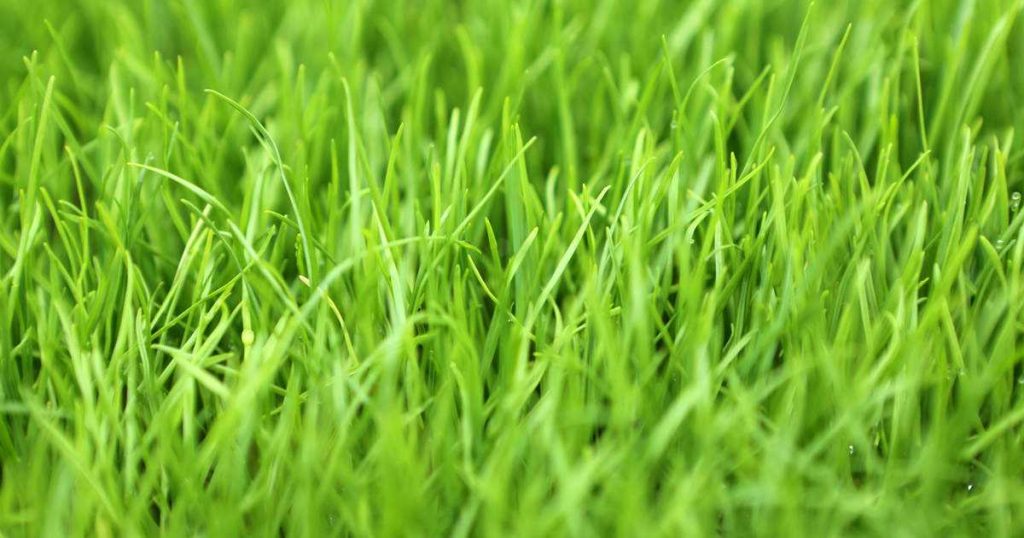
Perennial ryegrass is a versatile grass that plays a vital role in lawns, sports fields, and pasture lands. Its quick germination, dense growth, and resilience make it a popular choice for creating lush, durable turf that can withstand heavy foot traffic. Whether for a beautiful garden or a sports stadium, this grass is used to produce a vibrant, healthy ground cover.
Perennial ryegrass is primarily used for creating attractive lawns, sports fields, and pastures because of its fast growth and durability. It helps improve soil stability, provides excellent forage for grazing animals, and offers quick recovery after wear or damage. Its versatility makes it a top choice for both aesthetic and functional purposes in landscaping and agriculture.
If you’re wondering what perennial ryegrass is used for, it’s mainly valued for its ability to quickly establish a lush, resilient turf, perfect for sports, recreation, and animal grazing. Its adaptability to various climates and soil types also makes it an indispensable grass in many outdoor spaces. With its broad applications, it ensures a green, healthy landscape year-round.

What Is Perennial Ryegrass Used For?
Introduction to Perennial Ryegrass
Perennial ryegrass is a popular type of grass that grows back every year without needing replanting. It is known for its fast growth, lush green color, and strong root system. This grass is widely used in various settings due to its durability and adaptability.
Primary Uses of Perennial Ryegrass
Perennial ryegrass serves many purposes, making it essential in landscaping, sports fields, and farming. Its versatility allows it to perform well in different climates and soil types. Below are some of the most common uses.
Use in Lawn and Garden Landscaping
Many homeowners choose perennial ryegrass for their lawns because of its vibrant appearance. It creates a dense, soft turf perfect for family activities and outdoor gatherings. Additionally, it grows quickly after planting, giving instant results.
Advantages in Landscaping
- Creates a lush and uniform look
- Quick germination for instant appeal
- Adapts well to foot traffic
This type of grass also helps prevent soil erosion and improves air quality around homes and parks.
Use in Sports Fields and Golf Courses
Perennial ryegrass is a top choice for sports fields because of its durability and ability to recover quickly from wear and tear. It provides a consistent, firm, and smooth surface for players.
Benefits for Athletic Turf
- Excellent wear tolerance and recovery speed
- Good resistance to pests and diseases
- Maintains vibrant green color even with heavy use
Golf course managers often prefer perennial ryegrass for fairways and tee boxes, as it supports high-performance play.
Use in Pastures and Livestock Grazing
Farmers use perennial ryegrass as pasture for grazing livestock. Its high nutritional content supports healthy animal growth, making it a valuable forage crop.
Why Farmers Rely on Perennial Ryegrass
- Provides abundant, nutritious forage year-round
- Fast-growing and regrows after grazing or cutting
- Resistant to drought and cold conditions
This grass can handle intensive grazing, making it ideal for dairy farms and cattle ranches.
Use in Erosion Control and Soil Stabilization
Perennial ryegrass is often planted on slopes and disturbed soils to prevent erosion. Its fast establishment and deep root system help stabilize the ground.
Benefits for Soil Conservation
- Forms a dense mat that holds soil in place
- Prevents runoff during heavy rains
- Enhances soil structure over time
This makes it a preferred choice for projects on hillsides, roadside banks, and construction sites.
Use in Cover Crops and Green Manure
Farmers and gardeners use perennial ryegrass as cover crop to protect soil during off-season periods. It improves soil fertility when incorporated into the ground as green manure.
Advantages of Cover Crops
- Suppresses weeds and pests
- Retains moisture in the soil
- Enhances soil nutrients through organic matter
Perennial ryegrass’s rapid growth and easy management make it a common choice for sustainable farming practices.
Use in Ornamental and Urban Green Spaces
Urban landscapes and parks use perennial ryegrass to create attractive, low-maintenance lawns. It thrives in shaded areas and under different environmental conditions.
Why It Is Popular in Urban Areas
- Requires minimal fertilization once established
- Resists foot traffic and pollution
- Offers year-round greenery
Its adaptability makes it suitable for city parks, school grounds, and residential developments.
Comparison: Perennial Ryegrass Versus Other Grasses
Understanding how perennial ryegrass compares to similar grasses helps in making the right choice for specific needs.
Perennial Ryegrass vs. Kentucky Bluegrass
| Feature | Perennial Ryegrass | Kentucky Bluegrass |
|---|---|---|
| Growth Rate | Fast | Moderate |
| Durability | High, especially in sports fields | High, but slower to establish |
| Maintenance | Lower, easier to care for | Higher, needs more water and fertilization |
Perennial Ryegrass vs. Tall Fescue
While tall fescue is drought-tolerant and deep-rooted, perennial ryegrass is known for its quick germination and lush greenery.
Choosing the Right Grass
Ultimately, selecting between ryegrass and other grasses depends on climate, usage needs, and maintenance preferences.
Growing Perennial Ryegrass: Tips and Best Practices
To maximize the benefits of perennial ryegrass, proper planting and care are essential.
Best Time to Plant
The ideal time is during cooler months to promote quick establishment, typically in early spring or fall.
Soil Preparation
Ensure the soil is well-drained, fertilized, and loosened to encourage healthy growth.
Seeding and Maintenance
Spread seeds evenly using a seed spreader, then water regularly. Keep mowing heights between 1.5 to 2 inches for optimal turf quality.
Addressing Common Challenges
Watch for pests, weeds, and diseases that can affect growth. Regular aeration and fertilization help keep the grass healthy.
Environmental Benefits of Perennial Ryegrass
Beyond its practical uses, this grass offers environmental advantages.
Promoting Biodiversity
A lush ryegrass lawn supports insects and small wildlife, contributing to local ecosystems.
Reducing Carbon Footprint
Healthy, green lawns absorb carbon dioxide, helping reduce greenhouse gases.
Water Conservation
Once established, perennial ryegrass requires less water compared to other turfgrass types, saving resources.
In summary, perennial ryegrass is a versatile and valuable grass used across many fields—from landscaping and sports to farming and environmental protection. Its fast growth, resilience, and adaptability make it a top choice for numerous applications, providing both aesthetic appeal and functional benefits.
Perennial Ryegrass Pros and Cons
Frequently Asked Questions
How is perennial ryegrass used in athletic fields?
Perennial ryegrass provides a durable and resilient surface for athletic fields. Its quick germination and dense growth make it ideal for creating a smooth, even playing surface. Coaches and groundskeepers often choose it for sports such as soccer, football, and rugby because it withstands heavy foot traffic and recovers quickly from wear and tear, ensuring safety and performance during competitions.
What role does perennial ryegrass play in lawn and landscape design?
Perennial ryegrass serves as an excellent choice for establishing lush, green lawns due to its fine texture and vibrant appearance. Landscapers incorporate it to create attractive yards that require minimal maintenance. Its fast germination helps in quickly establishing a thick turf, ideal for residential lawns, parks, and recreational areas where visual appeal and durability are essential.
Can perennial ryegrass be used for erosion control?
Yes, perennial ryegrass helps prevent soil erosion because of its extensive root system. It is often planted on slopes or disturbed soils to stabilize the ground and reduce runoff. Its quick establishment and ability to form a dense mat make it an effective natural barrier against erosion, especially in areas prone to heavy rainfall or wind.
In what ways is perennial ryegrass beneficial for pasture and grazing?
Farmers use perennial ryegrass as a high-quality forage for livestock because it provides nutritious feed throughout the growing season. Its high palatability and high yield rates make it a preferred pasture grass. Additionally, its ability to grow persistently with proper management ensures a reliable food source for grazing animals over time.
Final Thoughts
Perennial ryegrass is widely used for creating lush lawns, sports fields, and grazing pastures. Its rapid growth and durability make it ideal for high-traffic areas. Farmers and homeowners appreciate its ability to quickly establish a green, healthy surface.
In landscaping, perennial ryegrass adds aesthetic appeal and provides excellent ground cover. Its resilience to wear and tear ensures long-lasting beauty.
In conclusion, what is perennial ryegrass used for mainly involves turf creation, grazing, and landscaping. Its versatility and quick growth make it a popular choice for many outdoor applications.